随着各行业制造商努力减少对中国供应商的依赖,印度初创公司Scimplify已筹集2500万美元,以扩大其人工智能驱动的特种化学品和关键材料生产方式,半导体、国防和能源正成为关键增长市场。
As manufacturers across industries strive to reduce their reliance on Chinese suppliers, Indian startup Scimplify has raised $25 million to expand its AI-powered approach to producing specialty chemicals and critical materials, with semiconductors, defense, and energy emerging as key growth markets.
此次全股权战略轮由Hitachi Ventures领投,客户亨克尔和Teknor Apex加入成为新投资者。现有投资者Accel India、Bertelsmann India Investments、Omnivore和3one4 Capital也参与了本轮融资。根据熟悉交易的人士透露,本轮融资后,总部位于班加罗尔的初创公司估值达2.5亿美元,较2025年3月完成4000万美元B轮融资后的1.5亿美元估值有所提升。Scimplify表示,此次投资使其股权融资总额达到8000万美元,但拒绝透露其估值。
The all-equity strategic round was led by Hitachi Ventures, with customers Henkel and Teknor Apex joining as new investors. Existing backers Accel India, Bertelsmann India Investments, Omnivore, and 3one4 Capital also participated. The round values the Bengaluru-based startup at $250 million after the investment, according to a person familiar with the transaction, up from $150 million after a $40 million Series B round in March 2025. The latest investment brings Scimplify’s total equity funding to $80 million, the startup said, though it declined to disclose its valuation.
人工智能和先进计算工具的日益普及加速了材料的发现和研究。然而,将有前景的化学反应转化为规模化的商业产品仍是一个缓慢且复杂的过程。制造商需要开发生产工艺、认证设施,并满足严格的质量标准,同时还要应对仅限于少数几个国家的供应链。Scimplify正致力于缩短这一过程。
The growing adoption of AI and advanced computational tools has accelerated materials discovery and research. However, turning promising chemistry into commercially available products at scale remains a slow and complex process. Manufacturers need to develop production processes, qualify facilities, and meet stringent quality standards, all while navigating supply chains limited to a handful of countries. Scimplify is seeking to shorten that process.
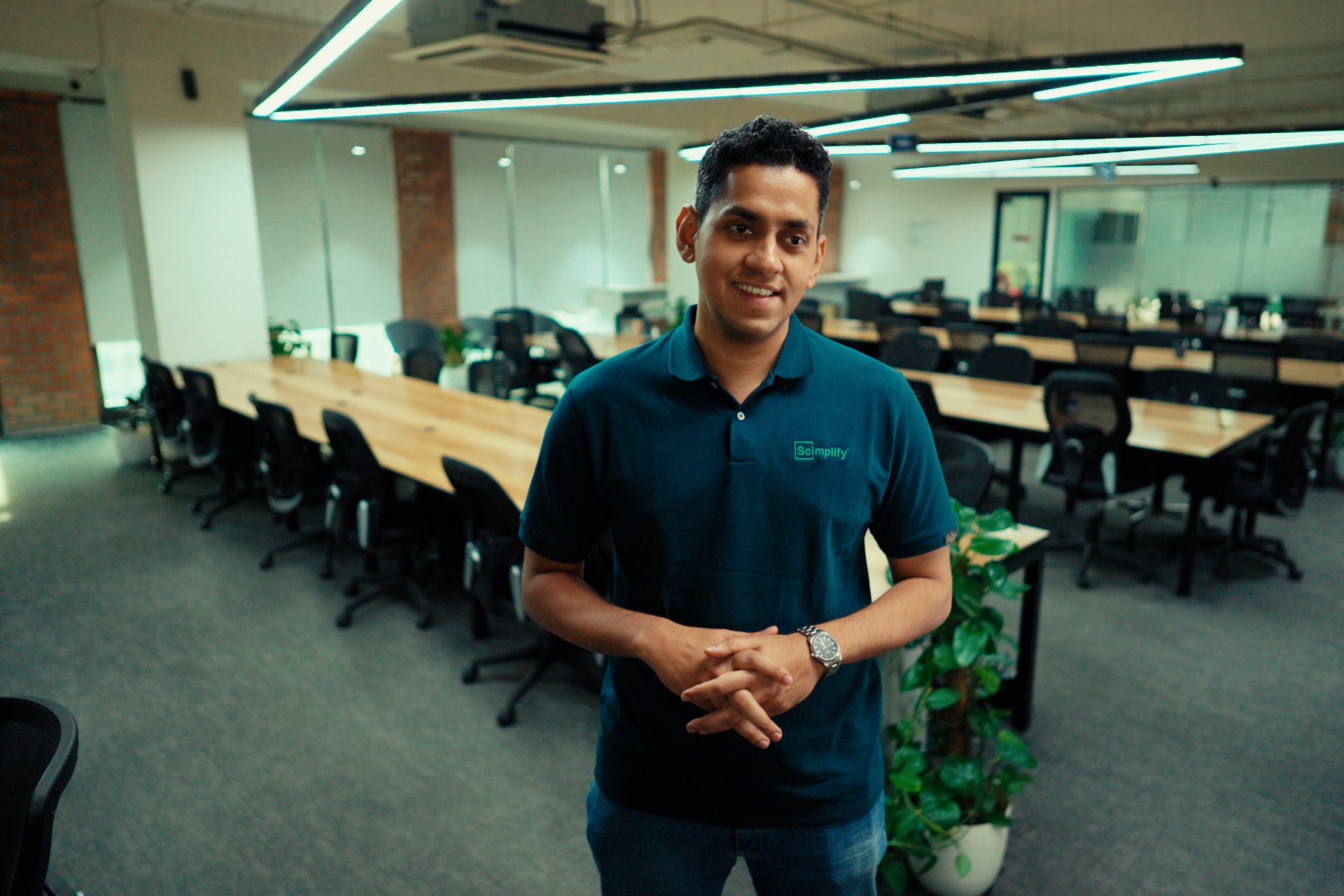
在某些情况下,该公司成立于2023年,联合创始人萨钦·桑托什(上图所示)在接受采访时表示,从收到客户需求到交付成品材料,仅需两个月,而此类工作通常需要12至18个月。
In some cases, the startup, founded in 2023, has gone from receiving a customer’s requirements to delivering the finished material in just two months, compared with the 12 to 18 months such work would typically take, co-founder Sachin Santhosh (pictured above) said in an interview.
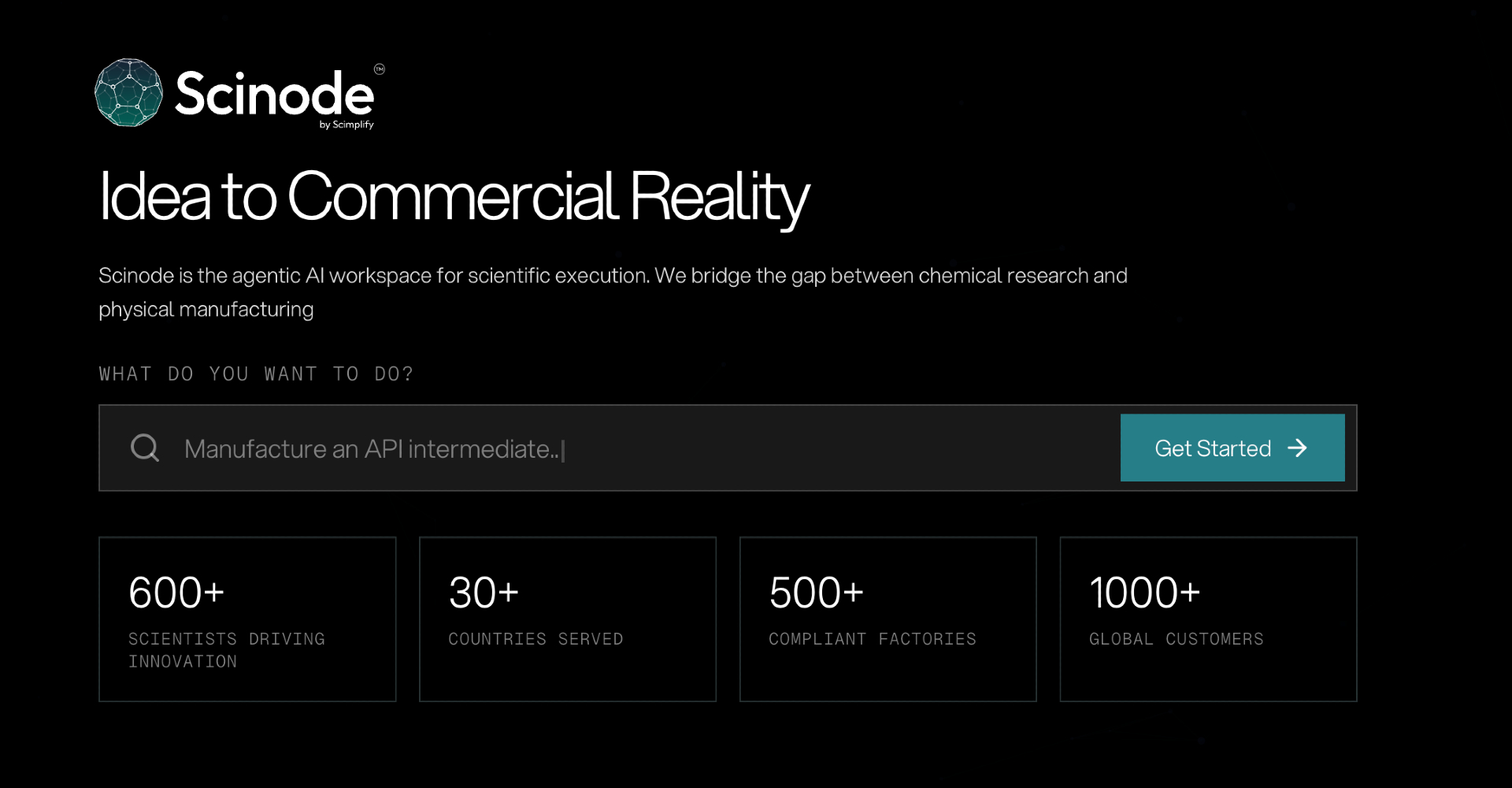
收到订单后,Scimplify 会在其位于班加罗尔和海得拉巴的研发设施中开发化学制造工艺,随后将其转移至合作工厂进行商业化生产。其专有的 AI 平台 Scinode 通过识别合适的生产路线和制造设施来协调工作,同时跟踪质量和法规要求。该平台使用专门的 AI 代理来处理不同功能,包括研发、制造和质量控制,Santhosh 向 TechCrunch 透露。
Once it receives an order, Scimplify develops chemical manufacturing processes at its research facilities in Bengaluru and Hyderabad and then transfers them to partner factories for commercial production. Its proprietary AI platform, Scinode, helps coordinate the work by identifying suitable production routes and manufacturing facilities, while tracking quality and regulatory requirements. The platform uses specialized AI agents for different functions, including research, manufacturing, and quality control, Santhosh told TechCrunch.
“这些代理基本上是在从客户需求出发倒推,解决客户想要什么的问题,”Santhosh 说。“这帮助我们加快了进度,并且即使在未来参考时也能保持客户情境。”Scimplify 的内部科学家和工程师团队负责监督超过 500 家制造设施网络中的生产。它帮助客户建立替代材料来源,以应对材料供应高度集中在中国及少数几个国家的问题。
“Each of these agents is basically solving for what [a customer] would want, working backward from the customer’s requirement,” Santhosh said. “This helps us move a lot faster and remember customer context even for future references.”Scimplify’s in-house team of scientists and engineers oversees production across a network of more than 500 manufacturing facilities. It helps customers establish alternative sources for materials whose supply is concentrated in China and a few other countries.
目前,Scimplify 约 90% 的制造业务在印度进行。然而,该初创公司计划在未来一年内将其生产网络扩展至美国和日本,以吸引这两个市场的更多客户,Santhosh 表示。
About 90% of Scimplify’s manufacturing currently takes place in India. The startup, however, plans to expand its production network to the U.S. and Japan over the next year as it seeks to attract more customers in both markets, Santhosh said.
根据 Santhosh 的说法,美国已成为一个关键增长市场,Scimplify 在该国的年化收入运行速率从一年前的 1000 万美元增长了六倍,达到约 6000 万美元。目前,美国市场约占其业务的 30%,而印度以外的客户共同贡献了其收入的一半以上,相比之下,大约 18 个月前这一比例还不到 5%。
The U.S. has emerged as a key growth market, with Scimplify’s annualized revenue run rate in the country rising sixfold to about $60 million from $10 million a year ago, according to Santhosh. The market now accounts for roughly 30% of its business, while customers outside India collectively contribute more than half of its revenue, compared with less than 5% about 18 months ago.
总体而言,Scimplify 服务超过 1,000 家客户,产品已交付至 40 多个国家,年化收入运行率已达约 2 亿美元,较一年前增长两倍,Santhosh 告诉 TechCrunch。这家初创公司的目标是,在未来一年内将年化收入运行率提升至 4 亿美元。他表示,Scimplify 过去两个月已实现 EBITDA(息税折旧摊销前利润)为正,并预计本月将实现税后盈利。
Overall, Scimplify, which serves more than 1,000 customers and has delivered products to more than 40 countries, has reached an annualized revenue run rate of about $200 million, tripling from a year earlier, Santhosh told TechCrunch. The startup is targeting a $400 million annualized revenue run rate over the next year. Scimplify has also been EBITDA-positive for the past two months and expects to turn profitable after tax this month, he said.
Santhosh 称,能源、电子和国防目前占 Scimplify 收入的 45% 至 50%,高于一年前的 15% 以下。这一增长得益于 AI 推动了电子和能源基础设施用材料的需求,而持续的战争则推高了国防行业的需求。
Energy, electronics, and defense now account for about 45% to 50% of Scimplify’s revenue, up from less than 15% a year ago, Santhosh stated. The growth comes as AI fuels demand for materials used in electronics and energy infrastructure, while ongoing wars drive demand from the defense industry.
Scimplify 正致力于从废料中生产钨衍生物,为客户提供一种替代材料来源,因为该材料的供应高度集中在中国。该初创公司还在研发稀土材料,这是另一个全球供应链仍高度依赖中国的领域。
Scimplify is working on producing tungsten derivatives from scrap, offering customers an alternative source of materials whose supply is heavily concentrated in China. The startup is also working on rare-earth materials, another category where global supply chains remain heavily dependent on China.
该初创公司的客户包括日本电子制造商 TDK、德国化工集团 BASF(巴斯夫)和日立。Santhosh 以一个涉及 TDK 的项目为例,说明该初创公司如何缩短研发和交付特种材料所需的时间。他表示,时间表因项目而异。
The startup works with customers including Japanese electronics manufacturer TDK, German chemicals group BASF, and Hitachi. Santhosh cited a project involving TDK as an example of how the startup can shorten the time needed to develop and deliver specialty materials. Timelines, he said, vary depending on the project.
Santhosh 表示,凭借最新一轮融资,Scimplify 计划投入约 750 万美元用于美国扩张,包括建设其制造网络,并补充说,随着初创公司计划的演变,这笔资金的分配可能会发生变化。公司还预留了 200 万美元,用于 Scinode 的进一步开发。
With its latest funding, Scimplify plans to deploy around $7.5 million for its U.S. expansion, including building out its manufacturing network, Santhosh said, adding that the allocation could change as the startup’s plans evolve. It also earmarked another $2 million for further development of Scinode.
该初创公司雇佣约 340 人,其中包括约 70 名科学家。大部分员工位于印度,但也在美国、日本、印度尼西亚和阿联酋设有本地团队。
The startup employs about 340 people, including roughly 70 scientists. Most of its workforce is based in India, though it also has local teams in the U.S., Japan, Indonesia, and the UAE.