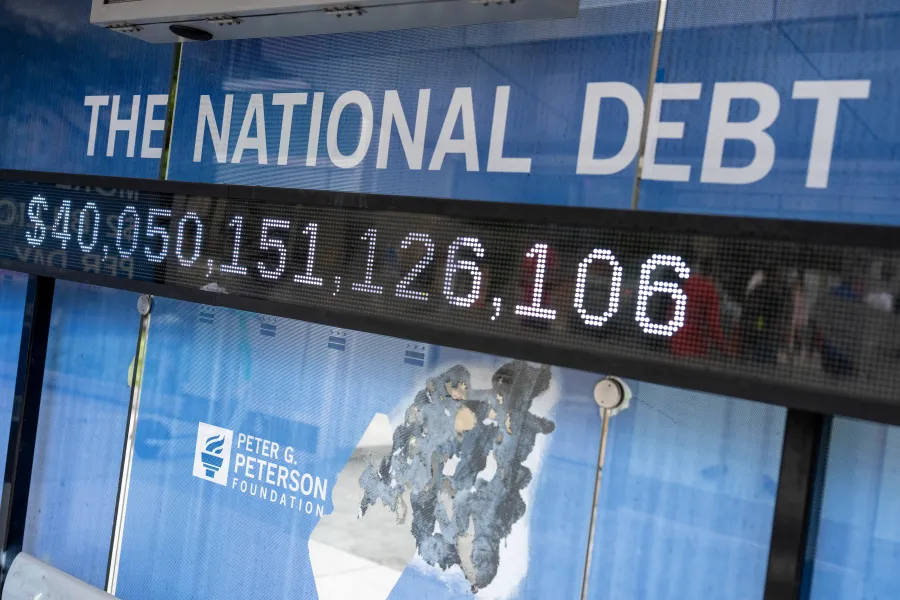
财政年度已结束,联邦政府2026财年的年度预算赤字总额达到2万亿美元。为便于理解这一原本难以想象的数字:在过去12个月里,华盛顿每户家庭的支出比其收入多约1.5万美元。
The fiscal year has closed, and the federal government’s annual budget deficit totaled $2 trillion in 2026. To put this otherwise incomprehensible sum into perspective: Washington spent roughly $15,000 per household more than it collected in revenue over the past 12 months.
2万亿美元的赤字并非源于国家紧急情况或临时因素。它是当前国家财政计划的一部分。预计华盛顿在未来十年内年均赤字将达到2.4万亿美元。
The $2 trillion deficit isn’t the result of a national emergency or temporary circumstance. It’s the nation’s current fiscal program. Washington is expected to average $2.4 trillion in annual deficits over the next ten years.
尽管第119届国会仅剩下跛脚鸭会期,众议院已向参议院提交了多项法案,这些法案有望通过帮助机构防范联邦支出项目中的欺诈行为,为纳税人带来可观的节省。政府问责署估计,这一问题每年给联邦政府造成的损失在2330亿至5210亿美元之间。
While only a lame duck session remains in the 119th Congress, the House of Representatives has already sent several bills to the Senate that could deliver substantial taxpayer savings by helping agencies prevent fraud in federal spending programs, a problem that the Government Accountability Office estimates costs the federal government between $233 billion and $521 billion annually.
由众议员詹姆斯·科默(共和党-肯塔基州)赞助的《预付款欺诈防治及财政部数据获取法案》旨在通过新增数据来源并协助机构在付款前核实资格,来强化财政部“不予付款”系统。该法案在委员会以35比1获得通过,并在众议院以暂停规则程序所需的三分之二多数票通过。
The Pre-Payment Fraud Prevention and Treasury Data Access Act, sponsored by Rep. James Comer (R-Ky.), would enhance the Treasury Department’s Do Not Pay system by adding new data sources and helping agencies verify eligibility before payments are made. The bill passed the Committee by a vote of 35-1 and passed the House with the two-thirds vote required under suspension of the rules.
由众议员加里·帕尔默(共和党-阿拉巴马州)赞助的《零化不当支付的货币福利法案》(简称ZOMBIE法案)旨在通过将重点从事后审计转向实时审计和风险管理,来更新旨在防止不当支付的联邦法律。该法案还将要求每年召开一次会议——让州政府官员与财政部长和OMB主任会面——以协调州级管理项目中的欺诈防治工作。该法案在委员会以40比0获得通过,并在众议院全体以口头表决方式通过。
The cleverly-named Zeroing Out Monetary Benefits Improperly Expended Act (or ZOMBIE Act), sponsored by Rep. Gary Palmer (R-Ala.), would update the federal law aimed to prevent improper payments by shifting the focus from backward-looking audits to real-time auditing and risk management. The bill would also require an annual convening — bringing state government officials to meet with the Treasury secretary and OMB director — to coordinate fraud prevention in state-administered programs. The bill passed the Committee 40-0 and the whole House by voice vote.
由德克萨斯州共和党众议员皮特·塞申斯(Pete Sessions)提出的《反欺诈与问责法案》旨在在财政部设立一个负责全国反欺诈工作的常设机构。该法案计划将“疫情应对问责委员会”(Pandemic Response Accountability Committee)所拥有的数据分析工具(包括能够每秒处理数千份申请的人工智能反欺诈系统)及其相关能力转移至这个新设立的机构,并扩大其职责范围。
The Fraud Prevention and Accountability Act sponsored by Rep. Pete Sessions (R-Texas), would establish a permanent government-wide anti-fraud Inspector General for Fraud, Accountability, and Recovery within the Treasury Department. This would involve transferring the Pandemic Response Accountability Committee’s data analytics tools (including its promising AI-enabled Fraud Prevention Engine that can review thousands of applications per second) and capacities into a new inspector general and expand their mission.
同时,该法案还将增强财政部的权力,使其能够使用“禁止支付”(Do Not Pay)等筛查工具来审核联邦及州政府管理的支出项目中的支付行为。该法案在众议院以240票赞成、181票反对的结果获得通过,其中28名民主党议员也投了赞成票。
It would also strengthen the Treasury Department’s authorities to use Do Not Pay and other screening tools to vet payments in federal and state-administered spending programs. This bill passed the House by a vote of 240-181 with 28 Democrats supporting it.
目前,这些法案都正在等待参议院的审议。由于在众议院获得了两党的广泛支持,参议院领导人可以在议员们返回后推动这些法案的通过;或者,也可以由某位参议员直接将这些法案提交参议院全体会议,并寻求全体议员的一致同意来促成其通过。不过,究竟会有哪位参议员愿意公开反对这些旨在加强政府反欺诈能力的改革措施呢?
Each of these bills is awaiting action in the Senate. With broad bipartisan support in the House, Senate leaders have an opportunity to hotline the bills when lawmakers return. Alternatively, a senator could bring the bills to the floor and seek their passage by unanimous consent. Which senator would be willing to publicly object to bipartisan reforms that simply strengthen the government’s tools for preventing billions of taxpayer dollars from being stolen by fraudsters?
当然,国会还可以采取更多措施来提高政府效率并防止欺诈行为。无党派的“政府问责办公室”(Government Accountability Office)已经提出了一项更为全面的计划,旨在提升政府效率并打击欺诈行为,其中包括“九项国会可以采取的反欺诈措施”。根据该机构的估计,其向联邦机构提出的建议以及需要国会审议的相关事项,有望为政府带来1320亿至2510亿美元的财务收益。
To be sure, there’s much more Congress could do to increase government efficiency and prevent fraud. The nonpartisan Government Accountability Office has already laid out a broader agenda for improving government efficiency and preventing fraud, including a list of “nine ways Congress can combat fraud in the federal government.”By its own estimate, its recommendations to federal agencies and matters for congressional consideration could produce between $132 billion and $251 billion in financial benefits.
没有人应该假装反欺诈立法能够解决高达2万亿美元的财政赤字问题。然而,财政问题的严重性并不意味着我们不应该努力实现节约开支的目标;相反,这恰恰说明我们应该抓住一切合理的机会来减少开支。
Nobody should pretend that anti-fraud legislation will solve a $2 trillion deficit. But the enormity of the fiscal problem is not an argument against pursuing achievable savings. Rather, it is an argument for taking every reasonable opportunity to do so.
参议院领导人应在立法者返回国会进行“跛脚鸭”会议(即任期结束前的会议)时,将推动两党共同推动反欺诈改革作为优先事项。
Senate leaders should make passage of bipartisan anti-fraud reforms a priority when lawmakers return for the lame duck session.
丹·利普斯(Dan Lips)是美国创新基金会(Foundation for American Innovation)的高级研究员。
Dan Lips is a senior fellow with the Foundation for American Innovation.