2008年6月,我坐在吉达希尔顿酒店的一间会议室里,会议室里挤满了来自100多个国家的部长们,大家都在等待阿卜杜拉国王的到来。当时石油价格正逼近历史最高纪录。沙特阿拉伯当时传达的信息是:全球的石油供应已经足够了;他们仅小幅增加了石油产量,并呼吁各国政府削减税收、遏制投机行为。不到三周后(7月11日),原油价格涨到了每桶约147美元。
In June 2008, I sat in a Jeddah Hilton conference room packed with ministers from more than 100 countries waiting for King Abdullah to arrive. Oil was closing in on a record price. Saudi Arabia’s message that day: The world had enough oil. It offered a modest increase in output and told governments to cut taxes and rein in speculators. Less than three weeks later, on July 11, crude hit about $147 a barrel.
本周在利雅得又举行了一次部长级会议。如今负责领导沙特应对危机的是阿卜杜勒-阿齐兹·本·萨勒曼王子——他在20年前还只是沙特石油部的副部长。这一次,危机的性质不同了,他的应对措施也随之改变。
This week in Riyadh, another ministerial gathering took place. The man now leading the kingdom’s response, Prince Abdulaziz bin Salman, was an assistant oil minister two decades ago. This time the crisis is different — and so is his answer.
2008年时的争论焦点是石油投机行为;沙特官员指出,投资者将油价推高到了远超供需平衡的水平,而且石油金融交易的规模已经远远超过了实物市场的规模。华盛顿方面认为欧佩克应该增加石油产量;而利雅得则回应称:“我们不会为那些根本不存在的买家建设新的石油生产能力。”如今,争论的焦点变成了地理位置问题。
Then, the argument was about speculation. Saudi officials said investors had pushed prices well past what supply and demand justified, and that financial trading in oil had grown many times larger than the physical market. Washington thought OPEC should pump more. Riyadh replied that it would not build capacity for buyers who did not exist. Now the argument is about geography.
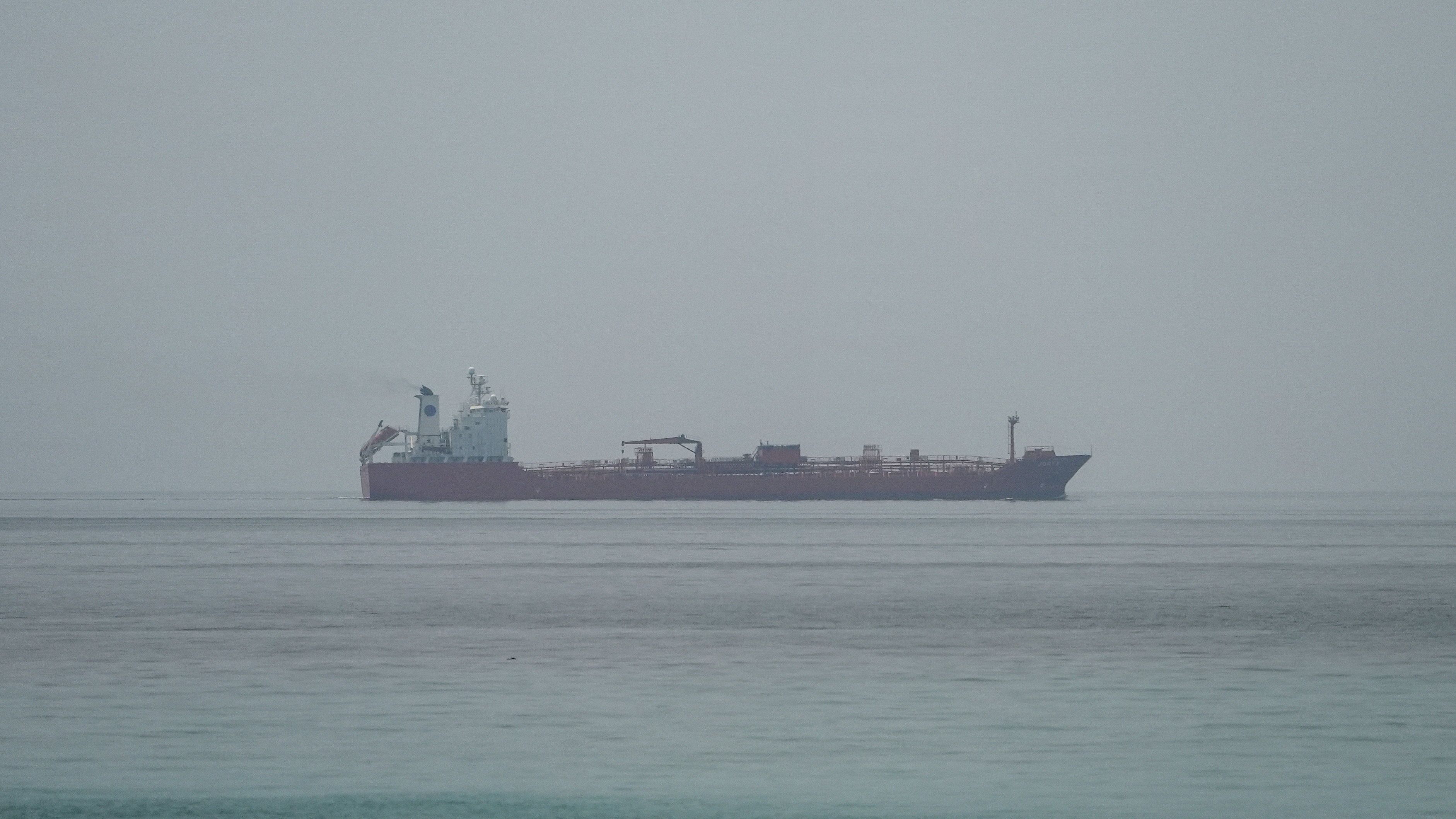
海湾地区的原油被霍尔木兹海峡所限制,沙特的应对策略就是围绕这一地理障碍来制定相应的解决方案。阿卜杜勒-阿齐兹王子在世界石油大会上表示,沙特可能会在三年内将其东西向石油管道的日输送能力从约700万桶提升至1000万桶,并希望更多国家能够参与这一项目。他的逻辑是:参与该项目的国家越多,这条石油管道的安全性就越有保障。
Gulf crude is trapped behind the Strait of Hormuz, and the kingdom’s answer is to build around it. Prince Abdulaziz told the World Petroleum Congress that Saudi Arabia may lift its East-West pipeline capacity from about 7 million barrels a day to 10 million within three years, and he wants more international involvement. His logic is that the more countries have a stake in the line, the better it is protected.
这两种应对策略都有一个共同点:沙特阿拉伯无法独自解决这场危机,最终总是要承担相应的成本。2008年时,沙特曾投资建设了那些很少被使用的备用石油生产能力,但从那时起这些成本就一直由沙特承担;新的石油管道项目也会遵循同样的模式:即使战争结束后,这条管道也可能无法满负荷运行,但沙特仍会将其作为一项“保险措施”保留下来。
Both responses share one feature. Saudi Arabia cannot solve the crisis alone, and it ends up paying for the attempt. In 2008 it built rarely used spare capacity and has carried its cost ever since. A new pipeline will follow the same pattern. When the war ends it will not run full, and Riyadh will keep it as insurance.
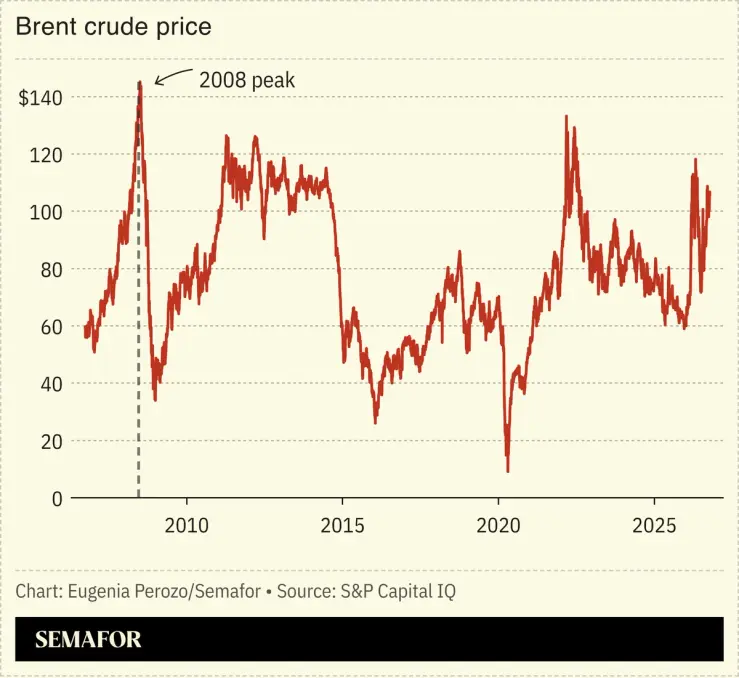
石油市场也发生了变化。2008年,欧佩克占据主导地位,无人能增产有意义的供应量。一些消费者寻找替代品,当时乙醇是答案之一。如今,则是电动汽车。但这两种补救措施都未能消除对化石燃料的需求,也没有任何一次油价飙升能改变世界对石油的渴求。
The oil market has also shifted. In 2008, OPEC was dominant and no one else could add meaningful supply. Some consumers searched for substitutes, and ethanol was an answer then. Today, it’s the electric vehicle. But neither remedy has removed the need for fossil fuels and no price spike has changed the thirst for oil.
最大的不同在于华盛顿。2008年,美国依赖欧佩克的石油。如今,美国拥有充足的自产石油,这一现实或许无法让在加油站支付更高油价的美国民众有所体会。如果美国像2008年那样迫切需要欧佩克的石油桶,这场当前危机的政治面貌将截然不同。
The biggest difference is Washington. In 2008, the US relied on OPEC’s oil. Today, it has plenty of its own, a reality that may not be felt by Americans paying more at the pump. If America needed OPEC barrels as badly as it did in 2008, the politics of this current crisis would look very different.
地缘政治风险一直是推动油价触及100美元的主要因素,航运和保险费用占全球原油基准价的三分之一以上。即使霍尔木兹海峡明天重新开放,原油运输的新物流格局仍将给生产国带来压力。这也将改变国家间的关系:伊拉克计划修建一条经叙利亚通往地中海的管道,而科威特和卡塔尔可能不得不依赖其海湾邻国,以抵达海峡以外的港口。
Geopolitical risk has been the main factor driving $100 oil this year, with shipping and insurance comprising more than a third of the price of the global crude benchmark. Even if Hormuz is opened tomorrow, the new logistics of moving crude will weigh on producers. It will also change the relationship between states: Iraq is planning to build a pipeline through Syria to the Mediterranean, while Kuwait and Qatar may lean on their Gulf neighbors to reach ports outside the strait.
归根结底,大部分账单最终都将寄往同一个地址:利雅得。几十年来,沙特王国承担了一条基本闲置管道的成本,不久将不得不重回全球摇摆生产者的角色,在为新基础设施买单的生产商、以及无法永远忍受高油价的消费者之间,维持公平的价格。
Ultimately, much of the bill will go to the same address: Riyadh. The kingdom has carried the cost of a largely idle pipeline for decades, and will soon have to revert to its role as the global swing producer, keeping prices fair to producers paying for new infrastructure, and consumers who won’t tolerate high prices forever.