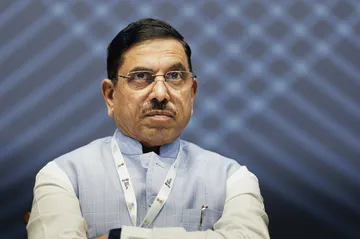
印度将利用技术和大规模题库改革考试制度,教育部长普拉哈德·乔希表示,政府正在应对试卷泄露和作弊指控暴露出的漏洞,这些问题引发了广泛的学生抗议。
India will overhaul its examination system using technology and large question banks, Education Minister Pralhad Joshi said, as the government addresses weaknesses exposed by exam leaks and cheating allegations that triggered widespread student protests.
“我们正在使其更加依赖技术,更加透明,所有这些漏洞,我们正在及时堵塞,”乔希在周三于新德里参加彭博新经济论坛期间的采访中表示。政府希望实现“系统整体变革”,包括尽快推行机考,他补充道。
“We are making it more technology driven, making it more transparent, all those loopholes, we are plugging it now,” Joshi said in an interview on the sidelines of the Bloomberg New Economy Forum in New Delhi on Wednesday. The government wants an “overall change in the system,” including computer-based examinations as early as possible, he added.
由印孚瑟斯公司联合创始人兼董事长南丹·尼勒卡尼领导的小组正在审议考试制度改革,并已与政府讨论了其方案,乔希说。尼勒卡尼是印度最杰出的科技企业家之一。该小组尚未提交报告,但其建议将被“非常、非常积极和认真地”考虑,他说。
A panel headed by Infosys Ltd. co-founder and Chairman Nandan Nilekani, one of India’s most prominent tech founders, is examining reforms to the system and has discussed its plans with the government, Joshi said. The panel has yet to submit its report, but its recommendations will be considered “very, very positively and seriously,” he said.
近年来,印度屡次发生试卷泄露和其他违规事件,包括涉及医学院高度竞争性入学考试的问题。这些失败引发了七月份的广泛学生抗议,暴露出一个承担全球最大规模考试之一的体系中的弱点。教育部长达门德拉·普拉丹在动荡中辞职。
India has faced a spate of exam paper leaks and other irregularities in recent years, including problems involving the highly competitive entrance test for medical schools. The failures triggered widespread student protests in July and exposed weaknesses in a system that conducts some of the world’s largest examinations. Education Minister Dharmendra Pradhan resigned amid the unrest.
乔希还指出,《国家教育政策2020》是缩小工人技能与雇主需求差距的关键,表示学校正在更加重视职业培训、创新、批判性思维和人工智能。印度需要将其庞大的青年人口转化为能够支持其制造业雄心的熟练劳动力,他补充道。
Joshi also pointed to the National Education Policy 2020 as key to narrowing the gap between workers’ skills and employers’ need, saying schools are placing greater emphasis on vocational training, innovation, critical thinking and artificial intelligence. India needs to turn its large youth population into a skilled workforce that can support its manufacturing ambitions, he added.