英国警告称,资金限制可能会减缓其碳捕捉计划的下一阶段,因为政府希望控制对该行业的支出和补贴。
The UK warned that funding constraints could slow the next phase of its carbon capture program, as the government looks to reign in spending and subsidies for the industry.
虽然英国的清洁能源使命对经济至关重要,但面对严峻的财政环境,政府可能不得不在项目的“优先级、顺序和进度”上做出决定,能源部长马丁·麦克卢斯基周三表示。
While Britain’s clean-energy mission is vital for the economy, the government may have to make decisions over the “priorities, sequencing and pace” of projects as it confronts a challenging fiscal environment, Energy Minister Martin McCluskey said Wednesday.
这意味着“进展不会总是同时在各地发生”,他在碳捕捉与储存协会年会上的演讲中如是说。
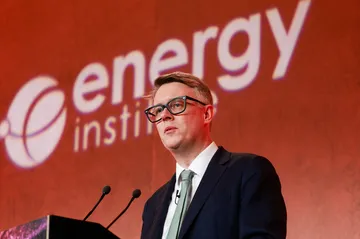
That means “progress will not always happen everywhere at once,” he said in a speech at the Carbon Capture and Storage Association annual conference.
政府正面临减少对该行业以及其他一些低碳项目公共支出的压力,因为它正寻求超过20亿英镑(26亿美元)的能源部门节省,以帮助资助更高的国防成本。碳捕捉与储存(CCS)是能源安全与净零部门最大的支出承诺之一,去年政府支出审查中已分配94亿英镑的资本性资金。
The government is facing pressure to reduce public spending on the sector — and some other low-carbon projects — as it seeks more than £2 billion ($2.6 billion) in energy-department savings to help fund higher defense costs. CCS is one of the biggest spending commitments at the Department for Energy Security and Net Zero, with £9.4 billion of capital funding allocated in last year’s government spending review.
“我们正处于严峻的财政环境中,这一点不言而喻,而此届政府仍致力于遵守其财政规则,”麦克卢斯基在演讲中表示。“因此,随着CCUS行业的发展,如果要实现长期可持续性,政府补贴的需求将需要减少。”官员们正在10月28日预算案出台前权衡各种选项。政府已经承诺支持东海岸和HyNet集群,这些项目旨在从工业场所捕获二氧化碳并将其输送至北海和爱尔兰海进行永久储存。进一步的项目,包括苏格兰的Acorn和亨伯赛德的Viking,一直面临着对未来国家支持的长期不确定性。
“It is no secret that we are operating in a challenging fiscal environment, and this government remains committed to meeting its fiscal rules,” McCluskey said in his speech. “So as the CCUS sector grows, the requirement for government subsidy will need to reduce if it is to be sustainable for the long term.”Officials are weighing options ahead of the Oct. 28 budget. The government has already committed to support the East Coast and HyNet clusters, which seek to take carbon dioxide from industrial sites and transport it for permanent storage under the North Sea and Irish Sea. Further projects, including Acorn in Scotland and Viking in Humberside, have faced prolonged uncertainty over future state support.