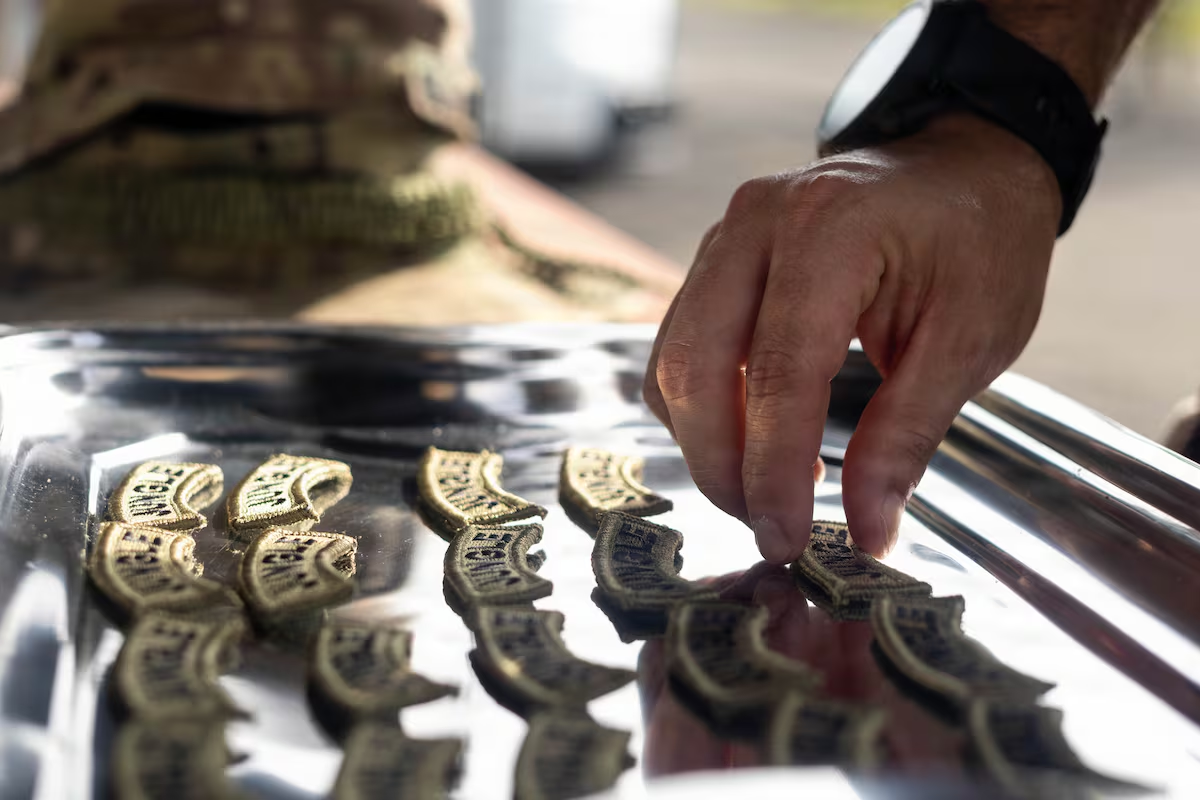
巴拿马克里斯托瓦尔·哥伦布海军基地——尽管许多军人都曾前往美国陆军设在巴拿马的丛林训练营接受训练,但并非所有人都能获得新近获准佩戴的“丛林徽章”。
BASE AERONAVAL CRISTÓBAL COLÓN, Panama — Though many service members venture into the hot, humid terrain of the U.S. Army’s jungle school in Panama, not all leave with the newly authorized-for-wear Jungle tab.
这一训练课程在中断数十年后于2025年重新启动,正值美军将战略重心转向西半球之际。同年8月,陆军正式批准在左肩佩戴这种印有“Jungle”字样的弧形徽章。该徽章与特种部队、工兵及游骑兵徽章一样,成为体现军人特殊技能的标识物。
The Panama course, back after a decades-long hiatus, resumed in 2025 as the U.S. military shifted its focus to the Western Hemisphere. In August, the Army confirmed it had approved the small arch-shaped patch — emblazoned with the word “Jungle” — for service-wide wear on the left shoulder. It joins the Special Forces, Sapper and Ranger tabs as wearable markers of additional skill identifiers.
曾在1990年至1999年间在谢尔曼堡(现称克里斯托瓦尔·哥伦布海军基地)参加过该课程的人员,以及谢尔曼堡关闭后在夏威夷欧胡岛参加过为期12天丛林训练的人员,均可追溯性地获得该徽章。
Those who attended the course from 1990 to 1999 at Fort Sherman, now known as Base Aeronaval Cristóbal Colón, are authorized the tab retroactively, as well as those who attended the 12-day jungle school in Oahu, Hawaii, after Fort Sherman’s closure.
这一为期18天的课程涵盖植物与动物知识、砍刀使用技巧、丛林急救、生火方法、搭建庇护所等内容。然而,仅仅完成训练并忍受巴拿马闷热潮湿的气候还不足以获得徽章。
The 18-day course includes classes on flora, fauna, machetes, jungle first aid, fire-starting, shelter-building, and more, but showing up and trudging through muddy terrain in crippling Panama humidity is not enough to earn the tab. “There’s a difference between graduating the course with the tab and finishing the course,” said Lt. Col. Andrew Eagan, the officer in charge of the Jungle Operations Training Course in Panama, or JOTC-P.
“顺利结业与仅仅完成课程是两码事,”负责巴拿马丛林作战训练课程(JOTC-P)的安德鲁·伊根中校说道。
Even if students fail one part of the curriculum, as long as their failure presents no medical or safety issues, they must finish the course.
即便学员在某一环节未能达标,只要不存在健康或安全隐患,他们仍须完成整个课程。
“We direct that you will come and you will do the X number of days of training. There are then five critical tasks across the course that you have to pass in order to graduate with the tab,” Eagen said.
“我们要求学员必须完成规定天数的训练。此外,还有五项关键任务必须全部通过才能最终获得徽章,”伊根解释道。
Early in the course, participants face physical fitness tests.
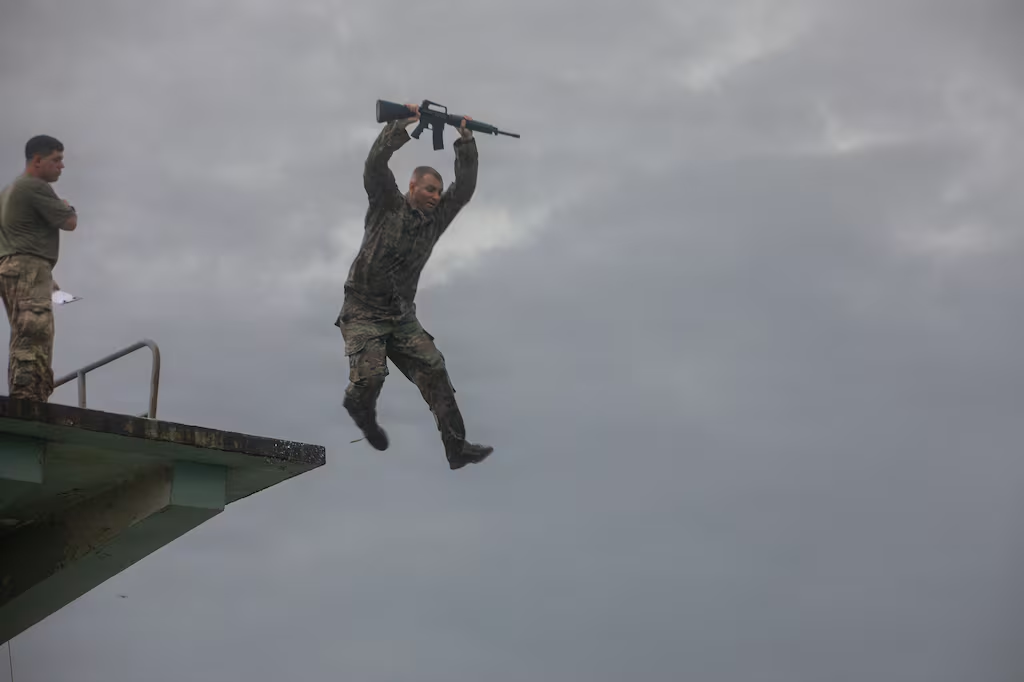
课程初期,学员们需接受体能测试。其中“战斗水上生存评估”(CWSA)要求他们在水中完成多项生存任务,包括身着作战装备游泳、丢弃装备以及从数米高的跳台跳下。
The Combat Water Survival Assessment, or CWSA, requires participants to complete a variety of survival tasks in the water, including swimming in combat gear, ditching their equipment and dropping from a meters-high diving board. The 5-kilometer run — only 3.1 miles — has proven one of the course’s toughest obstacles for many jungle school candidates.
这段5公里的长跑——仅相当于3.1英里——对许多参加丛林训练学校的学员而言堪称最艰难的考验之一。虽然对大多数军人来说,跑完5公里或许只是轻松的晨练,但巴拿马这段5公里路线却穿越在茂密潮湿的丛林中,地形崎岖不平。学员们必须携带水壶、装备、步枪及靴子,在40分钟内完成全程。据伊根介绍,在前三次训练中,该项目的通过率仅为45%至55%。
While a 5k might sound like an easy morning workout for most soldiers, the Panama 5k route covers uneven terrain underneath dense, humid canopy. Service members have 40 minutes to complete the run outfitted with full canteens, gear, a rifle and boots. Eagen said the schoolhouse saw a pass rate of 45% to 55% in the first three iterations. Now that word is spreading about the route, the pass rate is improving.
如今,随着这条路线的难度逐渐为人所知,通过率也稳步提升。伊根称,目前已有超过80%的学员成功通过。“他们终于明白,这里的5公里与本宁堡训练场的5公里有着天壤之别,”他感慨道。
More than 80% of candidates are passing it now, Eagen said. “They’re not undervaluing the difference between 5k here and 5k at the Fort Benning course,” he mused. Master Sgt. Dale Taylor, a former Ranger School instructor who attended the course in September, said that people approach the run mistakenly thinking it will be a Thanksgiving Day turkey trot.
曾担任游骑兵学校教官、并于9月份参加过该课程的戴尔·泰勒军士长指出,许多学员都误以为这段跑程不过是像感恩节慢跑那样轻松。“其实完全不是这样,”他在丛林训练学校里一张蚊虫肆虐的长椅上对《军事时报》说道,“在军方的其他任何考核中,你都绝不会遇到必须步行一段路程的情况,”他指的是当地的高温、高湿以及陡峭的山坡。
“It’s nothing alike,” he told Military Times from a mosquito-infested bench at the jungle school. “Never in any other assessment in the military do you know for a fact that you will walk a portion of the run,” he said, alluding to the heat, humidity and steep hills.
据他透露,只有“极少数人”能够从起点一直跑到终点。此外,丛林训练学校的学员还必须分别通过绳结与绳索系统相关的考核。伊根介绍称,考核内容涵盖七种常用绳结,这些绳结在整个训练过程中都会派上用场。例如,学员们需要打一个活结系在胸前,以便在通过单绳搭建的水上桥梁时固定自身。
Only “a handful of people,” he said, “could have ran that course from start to finish.”Jungle school students must also pass individual tests on knots and rope systems. Seven knots are tested, Eagan said, and they are used throughout the course. One example is the bowline knot service members tie around their chests to secure themselves on a one-rope bridge across water.
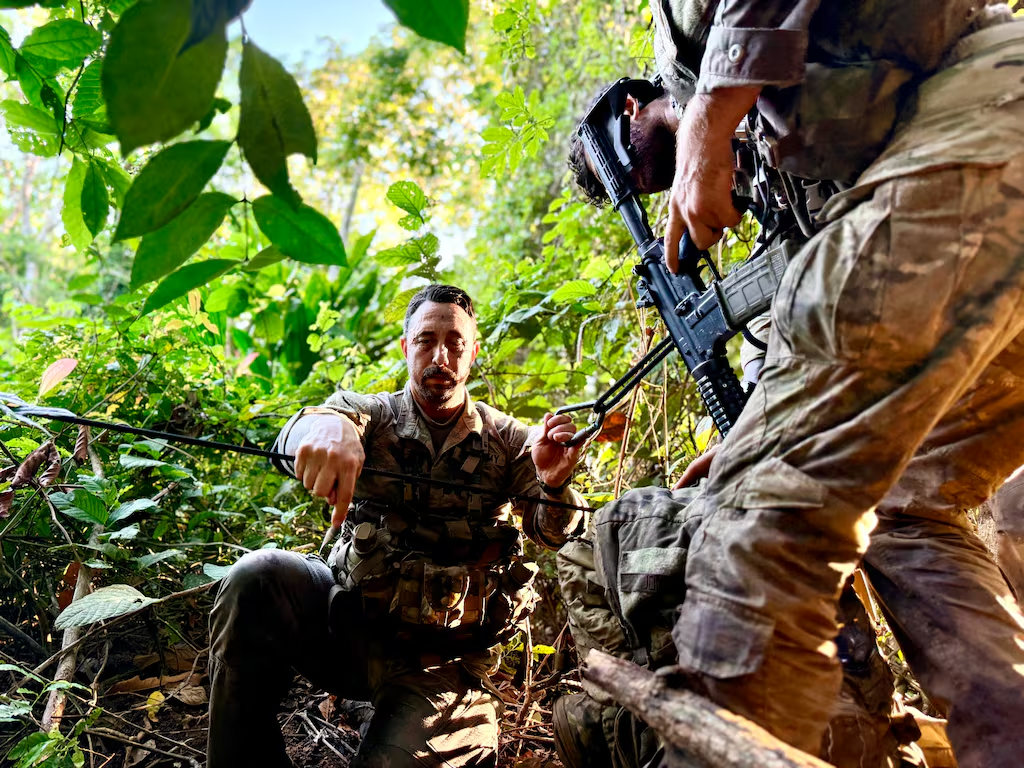
在一个雨后初晴的练习日里,这些绳结操作对本就疲惫不堪的涉水训练来说又增添了不少麻烦。不过学员们都明白,丛林环境瞬息万变:那条原本潺潺流淌的小溪,一场暴雨过后就可能变成湍急的洪流。此外,丛林训练学校的学员还必须单独通过绳索系统操作考核。
On a sunny practice day after minimal rain, the knots felt like an added step in an already tiresome water squad crossing. But participants know things can change quickly in the jungle: That gentle, bubbling creek could become a rushing waterway after a storm. Jungle school students must also qualify independently on rope systems.
“必须通过绳索系统考核,即个人能够在规定时间内搭建单绳桥和Z型滑轮系统,”伊根说。他补充道,Z型滑轮系统可以在不利于伤员撤离的恶劣地形中转运阵亡或受伤的士兵。
“You have to pass rope systems, which is individually being able — in a time standard — to tie a one-rope bridge and the Z-pulley system,” Eagen said. A Z-pulley system, he added, can move a dead or injured soldier in unforgiving terrain that does not lend itself to easy casualty evacuation.
水上机动、穿越崎岖地形和绳索作业都是学员必须完成的最终考核项目,以获得丛林识别章。臭名昭著的“绿色一哩”——位于巴拿马“绿色地狱”腹地——是一段超过四英里的严酷跋涉,位于长达数天的野外训练演习末尾,将湿透、脏兮兮的学员与毕业资格区分开来。
Water movements, traversing uneven terrain and ropes are all part of the final crucible participants must complete to earn a Jungle tab. The notorious Green Mile — in the heart of Panama’s “Green Hell” — is a more-than-four-mile gauntlet at the end of a days-long field training exercise that separates damp, dirty students from graduation.
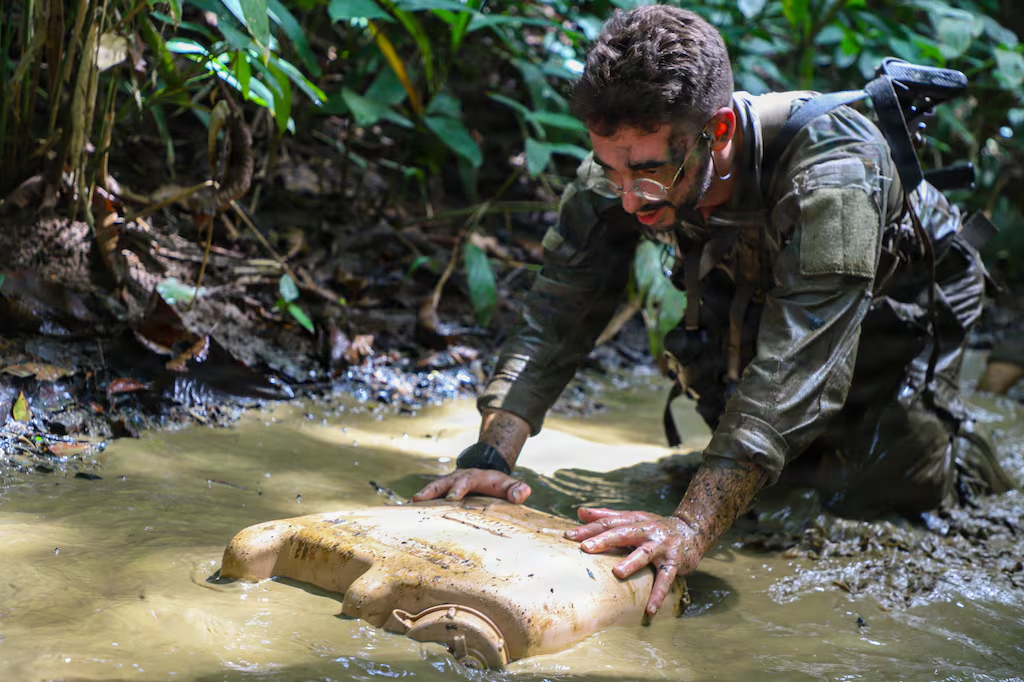
分队必须在泥泞地面奔跑、涉水穿越海岸线、攀爬陡峭得令人眩晕的山坡——往往借助绳索——携带简易担架并在铁丝网下匍匐前进,同时还要背着沉重的大背包、水壶和弹药箱。
Squads must run through muddy ground, wade through coastlines, climb dizzyingly steep hills — often with the help of ropes — carry a hasty litter and shimmy under barbed wire, all while carrying heavy rucksacks, water jugs and ammo cans.
如果睡足一整晚、气温凉爽,这些动作本可能轻松甚至愉快,但在丛林里却变成了潮湿、艰苦的跋涉。等到分队踏上最后任务征程时,每个人都靠着极少量的食物和睡眠在支撑。这长达数小时的跋涉反映了课程的高强度和对身体的持续折磨。
Movements that might have been easy, even enjoyable, with a full night’s sleep and a cool temperature turn into damp, arduous slogs in the jungle. By the time the squads are stepping off for their final tasks, each person is running on minimal food and sleep. The hours-long trek reflects the course’s demanding nature and relentless bodily strain.
“第一天的学员和最后一天的学员最大的区别,在于环境对他们的身体造成了多大代价,”伊根说,并补充道,“我还没见过一个学员体重不减两位数(磅)。毕业时他们都瘦得皮包骨头。”
“The biggest difference between a student on day one and the last day is the physical toll the environment took on them,” Eagen said, adding, “[I] haven’t yet seen a student that didn’t lose double digits in weight. They are excessively skinny by graduation.”