
几十年来,对于渴望获得更高薪酬和更多发展机会的新西兰人而言,前往澳大利亚一直是个轻松的选择。两国之间无需办理签证,飞行时间也仅需短短三小时。
For decades, moving “across the ditch” to Australia has been an easy option for New Zealanders seeking higher pay and broader prospects. There’s no visa required and it’s just a quick, three-hour flight separating the two countries.
上世纪70年代末,时任新西兰总理罗伯特·马尔登曾戏称这种人口流动现象为“提升两国平均智商的方式”。近年来,由于移民人数持续增多,加之今年早些时候有消息称前总理杰辛达·阿德恩也移居澳大利亚,这一话题再度引发热议。
The steady flow — joked about in the late 1970s by then-New Zealand Prime Minister Robert Muldoon as “raising the average IQ of both countries” — has recently struck a nerve due to the high number of departures and news earlier in the year that former Prime Minister Jacinda Ardern had also relocated.
如今,在11月新西兰大选前夕,人口外流问题正成为关于薪资水平、就业机会以及长期发展前景的重要讨论议题。
Emigration is now feeding debate ahead of New Zealand’s November general election over wages, opportunity and what a sustained exodus might mean for the county’s long-term prospects.
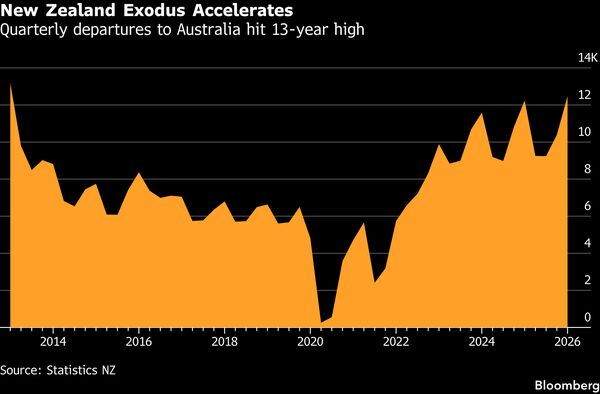
截至今年3月的12个月内,共有41,350名新西兰人移居澳大利亚,这一数字仅略低于2025年9月创下的41,550人的12年最高纪录。
The number of New Zealanders moving to Australia reached 41,350 in the 12 months through March, just shy of the 12-year high of 41,550 in the year through September 2025.
2005年至2019年间,每年移居澳大利亚的新西兰人平均约为37,000人;2021年因疫情导致边境关闭,这一数字骤降至17,000人以下。不过最新的数据仍低于2012年的峰值,当时有超过55,000名新西兰人迁往澳大利亚。
Departures to Australia averaged about 37,000 a year between 2005 and 2019, before dropping below 17,000 in 2021, when pandemic border closures curbed travel. The latest figure remains below the 2012 peak, when more than 55,000 New Zealanders moved to Australia.
2026年第一季度,共有12,471名新西兰人移居澳大利亚,这是自2013年以来同期的最高纪录。每年年初,随着年轻人完成学业并寻求海外发展机会,移民人数通常会出现增长。
In the first three months of 2026, 12,471 New Zealanders made the move — the highest first-quarter total since 2013. Departures typically rise early in the year as young people finish their studies and look for opportunities overseas.
据新西兰统计局估算,离境的新西兰公民中超过一半的年龄在20至39岁之间。虽然官方数据并未按年龄细分移民目的地,但澳大利亚长期以来一直深受那些希望获得更高收入及更广阔就业空间的年轻新西兰人所青睐。近年来,移民群体不再局限于年轻人,各个年龄段的劳动者——尤其是科技、金融行业的从业者,以及警察、护士和技术工人——也纷纷选择前往澳大利亚。
Statistics New Zealand estimates that more than half of citizens who leave the country are aged 20 to 39. While official data doesn’t break down destinations by age, Australia has long been popular among younger New Zealanders seeking higher wages and a larger job market. In the last few years, the flow has included not only younger people but workers of all ages particularly in the technology and finance sectors, as well as police officers, nurses and tradespeople.
尽管如此,相对于新西兰530万的总人口而言,移民人数仍属少数。在截至8月的12个月里,该国净移民人数增加了20,500人,说明新西兰吸引来的人口仍多于离开的人口。
Even so, departures remain small relative to New Zealand’s 5.3 million population. The country still attracts more people than it loses, with a net migration gain of 20,500 in the 12 months through August.
澳大利亚无疑是新西兰移民的首选目的地,更高的薪资水平与更好的职业发展前景是主要诱因。在截至2026年3月的12个月里,共有41,350名新西兰公民移居海外,其中约64%的人选择了跨塔斯曼海前往澳大利亚。
Australia is by far the top destination for New Zealand migrants, with higher pay and stronger career prospects a major draw. Of the 41,350 citizens who left in the 12 months through March 2026, about 64% headed across the Tasman Sea. The wage gap is significant.
两国薪资差距十分显著:目前澳大利亚的周平均正常工时收入约为2,084澳元,而新西兰仅为1,701新西兰元,按当前汇率换算约为1,367澳元。据此计算,在澳大利亚工作的收入可比新西兰高出约52%。
Average weekly ordinary-time earnings in Australia are about A$2,084, compared with NZ$1,701 in New Zealand — about A$1,367 at current exchange rates. On that basis, workers can earn roughly 52% more in Australia.
这种差距并不仅限于薪资层面。今年第二季度,新西兰的青年失业率高达16.6%,而同年8月澳大利亚的这一数值为10.8%。由于人口规模与经济体量都更为庞大,澳大利亚提供的就业岗位种类也更为丰富,部分行业的职业晋升速度也更快。
The gap extends beyond wages. New Zealand’s youth unemployment rate was 16.6% in the June quarter, compared with 10.8% in Australia in August. With a much larger population and economy, Australia also offers a broader range of jobs and, in some cases, faster career progression.
澳大利亚政府一直积极吸引新西兰劳动力,在医疗、幼儿教育、警务及狱政等领域开展招聘活动,并常以提供更高薪资与安置补贴作为诱饵。新西兰移民的涌入确实缓解了澳大利亚的技能短缺问题,但大量人才外流也导致新西兰的诸多基础服务行业人手不足,医院便是典型例子。
Australia’s government has actively targeted New Zealand workers, running recruitment campaigns in sectors such as healthcare, early childhood education, and policing and prison services, often sweetened with higher wages and relocation packages. Kiwi arrivals have helped ease Australia’s skills shortages, but the outflow has left some essential services in New Zealand, including hospitals, understaffed.
不过近期澳大利亚的移民政策风向开始转变:受主张大幅削减移民数量的民粹政党“一国党”崛起的影响,政府着手收紧相关法规以控制移民流入规模。然而新西兰的例子恰恰说明控制移民数量并非易事——因为新西兰公民前往澳大利亚并无任何人数限制。
However, the pendulum has recently begun to swing against immigration in Australia, with the government tightening rules to try to limit the intake, spurred on by the rise of the populist One Nation party that has demanded sharp reductions in numbers. Yet the difficulties of restraining migrant flows are highlighted by the New Zealand example, as there are no limits on Kiwis moving to Australia.
澳大利亚的经济规模在新西兰的经济规模基础上超过了六倍(以名义国内生产总值计算),其劳动力数量也约为新西兰的五倍。这种巨大的经济差距意味着澳大利亚提供了更多就业机会,且薪资水平通常也更高,因此对于愿意迁移的人来说,澳大利亚更具吸引力。
Australia’s economy is more than six times the size of New Zealand’s in nominal gross domestic product terms, and its labor force of roughly 15 million people is more than five times larger. The scale and diversity translate into a broader range of jobs and generally higher pay for those willing to relocate.
两国经济都在持续增长:截至2026年6月,澳大利亚的经济增长了2.1%;新西兰在同一时期的经济增长率为2.6%。
Both economies are expanding, with Australia’s growing 2.1% over the year to June 2026. New Zealand’s economy increased by 2.6% over the same period.
不过,人们对新西兰经济的预期更为乐观。虽然新西兰央行今年已将利率上调至2.75%,但仍远低于澳大利亚的4.6%。国际货币基金组织预测新西兰经济在2027年的增长率为2.6%,而澳大利亚的增长率则为1.6%。
But, there is more optimism for New Zealand’s economy. While the central bank has raised interest rates to 2.75% so far this year, it’s still much less than Australia’s 4.6% cash rate. The International Monetary Fund forecasts New Zealand’s economy to grow by 2.6% in 2027, compared with 1.6% for Australia.
新西兰的劳动力市场依然疲软,失业率达到了11年来的最高水平(5.6%)。尽管随着企业投资的增加,失业率有望有所下降,但短期内不太可能降至澳大利亚的水平。澳大利亚的失业率也在上升,8月份时达到了4.6%;自2021年以来,澳大利亚的失业率一直保持在5%以上。
New Zealand’s labor market remains weak, with unemployment at an 11-year high of 5.6%. While that rate is expected to ease as business investment picks up, it is unlikely to approach Australia’s level anytime soon. Australia’s jobless rate has, however, also been rising, reaching 4.6% in August. It hasn’t been above 5% since 2021.
在11月7日的大选前夕,移民问题已成为一个重要的政治议题。反对党领袖克里斯·希普金斯将新西兰人的外流现象归因于高昂的生活成本和有限的就业机会。他在年初的国情演讲中表示:“每周都有大约2000名新西兰人离开这个国家,因为他们看不到在这里的未来。”他说:“这些年轻人包括专业人士、护士、教师以及那些本应在新西兰建设家庭的工匠们……他们都有一个共同的观点:‘我爱新西兰,我想在这里抚养家庭,但我在这里无法实现自己的梦想;我买不起房子,也找不到与自己专业相匹配的工作。’”
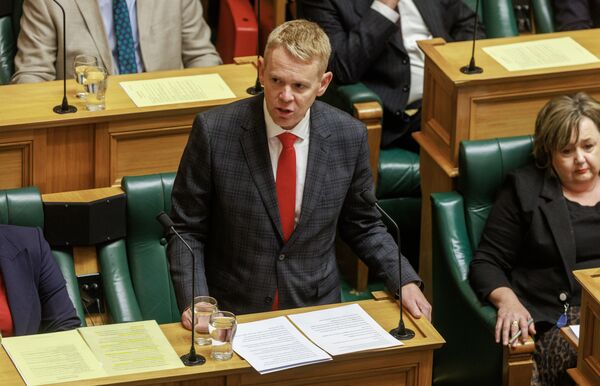
Emigration has become a major political issue ahead of the country’s Nov. 7 general election. Opposition leader Chris Hipkins has seized on the departures, tying them to high living costs and limited opportunity at home. During his State of the Nation address at the start of the year, he said about 2,000 New Zealanders leave the country each week “because they can’t see a future here.”“Young professionals. Nurses. Teachers. Tradies who should be building homes here ... they all say the same thing: ‘I love New Zealand. I want to raise a family here. But I can’t get ahead here. I can’t afford a house. I can’t find the jobs that I am trained for,’” he said.
除了政治因素外,这种持续的移民趋势还可能带来潜在的经济影响:大量人口外流会抑制国内消费、减少劳动力供应,并对房地产市场造成负面影响。
Beyond politics, there are potential economic consequences. A sustained outflow can weigh on domestic spending, reduce the available workforce and dampen housing activity.
大量新西兰移民的涌入有效缓解了澳大利亚劳动力严重短缺的困境。这些新移民迅速填补了建筑业、医疗行业及其他服务业的岗位空缺。
The inflow has provided Australia with a timely boost to its labor force amid acute worker shortages. New Zealanders have helped fill vacancies quickly in construction, healthcare and other service industries.
经济学家指出,这种跨塔斯曼海的人口流动具有较高的经济效率:它能在短时间内扩充劳动力队伍,且无需经历其他技术移民项目所需的繁琐行政流程与安置成本;由于两国职业标准相近,许多新西兰移民的资质也能顺利得到认可。
The trans-Tasman flow is economically efficient, according to economists. It expands the workforce quickly without the administrative delays and settlement costs associated with other skilled-migration programs, and shared professional standards mean many qualifications transfer easily.
不过住房领域正承受着巨大压力。新移民的涌入进一步推高了租房需求,尤其是在悉尼、布里斯班和珀斯等城市——这些地区的房屋空置率本就偏低,住房建设速度也赶不上人口增长速度。即便移民确实增加了劳动力供给,住房市场却难以迅速增加新房供应,这必然会在短期内推高房租与房价。
One area under strain is housing. New arrivals add to rental demand, especially in Sydney, Brisbane and Perth, where vacancy rates are low and homebuilding has lagged population growth. Even if migrants help increase labor supply, the housing market can’t respond quickly with new homes, reinforcing near-term pressure on rents and prices.
从财政层面来看,绝大多数新西兰移民都较为年轻且拥有工作,从长期看他们缴纳的税款往往多于所享受的政府福利。但要接纳更多人口,政府就必须在学校、医院及交通设施方面投入大量资金,这也引发了各界争论:人口增长的速度是否已经超过了公共服务体系的承载能力?
From a fiscal standpoint, most New Zealand migrants are young and employed, meaning they typically pay more in taxes than they receive in government benefits over time. But supporting a larger population requires upfront spending on schools, hospitals and transport, fueling debate over whether growth is stretching public services faster than they can expand.
澳大利亚政界长期存在一种担忧:这种跨塔斯曼海移民机制可能被第三国移民利用,将新西兰当作“后门”来进入澳大利亚、获取该国国籍及福利。虽然数据显示不少后来定居澳大利亚的新西兰公民出生在国外,但目前并无可靠证据能证明有人以规避澳大利亚移民法规为主要目的而移居新西兰。
One recurring political concern in Australia is that the trans-Tasman arrangement allows migrants from third countries to use New Zealand as a “back door” to access Australia, its citizenship and welfare system. While data show that many New Zealand citizens who later settle in Australia were born overseas, there is no credible evidence that people are migrating to New Zealand with the primary intent of circumventing Australia’s migration rules.