泰国央行副行长Piti Disyatat表示,除非出现重大经济冲击,否则泰国央行不太可能将利率降低至当前1%以下,并预计随着政策正常化,借贷成本最终将上升。
The Bank of Thailand is unlikely to cut interest rates below the current 1% without a major economic shock and expects borrowing costs eventually to move higher as policy normalizes, according to Deputy Governor Piti Disyatat.
Piti在曼谷举行的IMF-世界银行年会期间接受彭博电视台周三采访时表示,目前的立场是宽松的,这与许多其他经济体的紧缩货币政策形成对比。泰国低于潜在水平的增长和相对受控的通胀证明这种分歧是合理的。
The current stance is accommodative and stands apart from tighter monetary settings in many other economies, Piti said in a Bloomberg Television interview Wednesday at the IMF-World Bank annual meetings in Bangkok. Thailand’s below-potential growth and relatively contained inflation justify that divergence, he said.
“除非遭遇重大冲击,否则我们不会进一步降低利率,”Piti表示。他指出,1%的基准利率在泰国历史上处于低位(危机时期除外),且相比其他经济体也处于较低水平,但若经济状况恶化,央行仍有空间进一步宽松货币政策。
“Unless a big, big shock hits us, we will not go any lower,” Piti said. The 1% benchmark is historically low for Thailand outside periods of crisis and also low compared with other economies, he said, though the central bank retains room to ease if conditions deteriorate sharply.
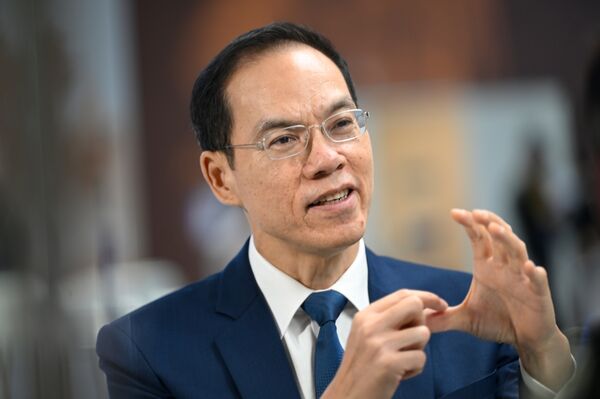
不过,Piti表示,随着经济复苏,利率最终需要随之正常化,其速度将取决于通胀和泰铢汇率的表现。“正常利率肯定会高于现在,”他说,并将正常利率区间定在1.5%至2%左右。“正常化进程,我们可以按照自己的节奏进行。”这些言论为泰国央行10月28日下次利率决策前提供了迄今为止最清晰的关于货币政策长期方向的指引。泰国央行行长Vitai Ratanakorn周二表示,目前没有紧迫必要降低借贷成本,但强调未来决策仍将取决于数据。
Over time, however, rates will need to normalize alongside the economic recovery, with the pace depending on inflation and the baht, Piti said. “It’s definitely higher than now,” he said of a normal policy rate, putting the range at about 1.5%-2%. “Normalization, we can take it at our own pace.”The comments provide some of the clearest guidance yet on the longer-term direction of Thai monetary policy ahead of the central bank’s next rate decision on Oct. 28. Governor Vitai Ratanakorn said Tuesday there was no urgent need to lower borrowing costs while stressing that future decisions remain data dependent.
泰国央行已连续三次会议将基准利率维持在1%。彭博调查的大多数经济学家仍预计该利率将维持至2027年底,尽管渣打集团和美国银行的预测人士指出,这一预测面临日益增长的风险。
The central bank has kept its benchmark rate at 1% for three consecutive meetings. Most economists surveyed by Bloomberg still expect it to remain there through the end of 2027, though forecasters at Standard Chartered Plc and Bank of America Corp. have highlighted growing risks to that view.
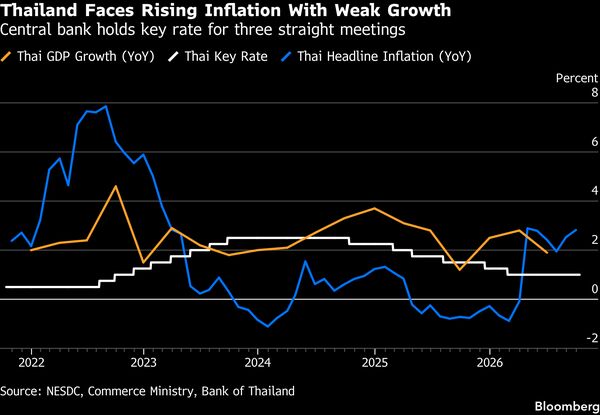
泰国面临竞争性压力。通胀在9月连续第二个月加速至2.82%,而增长疲软和家庭债务沉重继续拖累经济。根据Piti的说法,该国还高度暴露于能源冲击,进口原油约占其需求的80%,其中大约一半来自中东。
Thailand faces competing pressures. Inflation accelerated for a second month to 2.82% in September, while sluggish growth and heavy household debt continue to weigh on the economy. The country is also highly exposed to energy shocks, importing about 80% of its crude oil, roughly half of it from the Middle East, according to Piti.
不过,价格压力仍低于泰国央行的预期。Piti表示,全年通胀率可能在2%左右,低于央行此前2.8%的预测,而经济增长应当接近其早前2.3%的预测或略高。更新后的预测将随本月的利率决议一起发布。
Still, price pressures have been milder than the BOT expected. Piti said full-year inflation will probably be around 2%, below the central bank’s previous 2.8% forecast, while economic growth should be around its earlier 2.3% projection or slightly higher. Updated forecasts will be released with this month’s rate decision.
Piti还表示,近期洪水也不太可能对全国前景产生实质性影响。虽然一些地区和行业(包括汽车业)受到严重冲击,但影响是局部的,并且正在减弱。
Recent flooding is also unlikely to materially alter the national outlook, Piti said. While some areas and industries including autos were hit hard, the disruption was localized and is receding.
尽管今年泰铢出现贬值,泰国央行仍对泰铢持舒适态度。Piti表示,泰铢在全球大规模冲击中表现出的韧性,反映出人们对泰国政策框架和经济基本面的信心。
The central bank also remains comfortable with the baht despite its depreciation this year. Piti said the currency’s resilience through large global shocks reflects confidence in Thailand’s policy framework and economic fundamentals.
尽管增长放缓且泰国面临油价冲击,Piti表示:“我们并未面临其他国家所遭遇的同样程度的问题。”
Despite slower growth and Thailand’s exposure to the oil shock, “we don’t have the same degree of problems as other countries have had,” Piti said.