马尼拉 —— 东京燃气公司旨在推广浮式液化天然气(LNG)接收站在东南亚的应用,帮助各国建设进口基础设施,因为它们的天然气田开始枯竭,同时加速该公用事业公司摆脱以往专注于向日本家庭供气的传统模式。
MANILA -- Tokyo Gas aims to expand the use of floating liquefied natural gas terminals across Southeast Asia, helping countries build import infrastructure as their gas fields begin to run dry and accelerating the utility's pivot away from its traditional focus on supplying gas to homes in Japan.
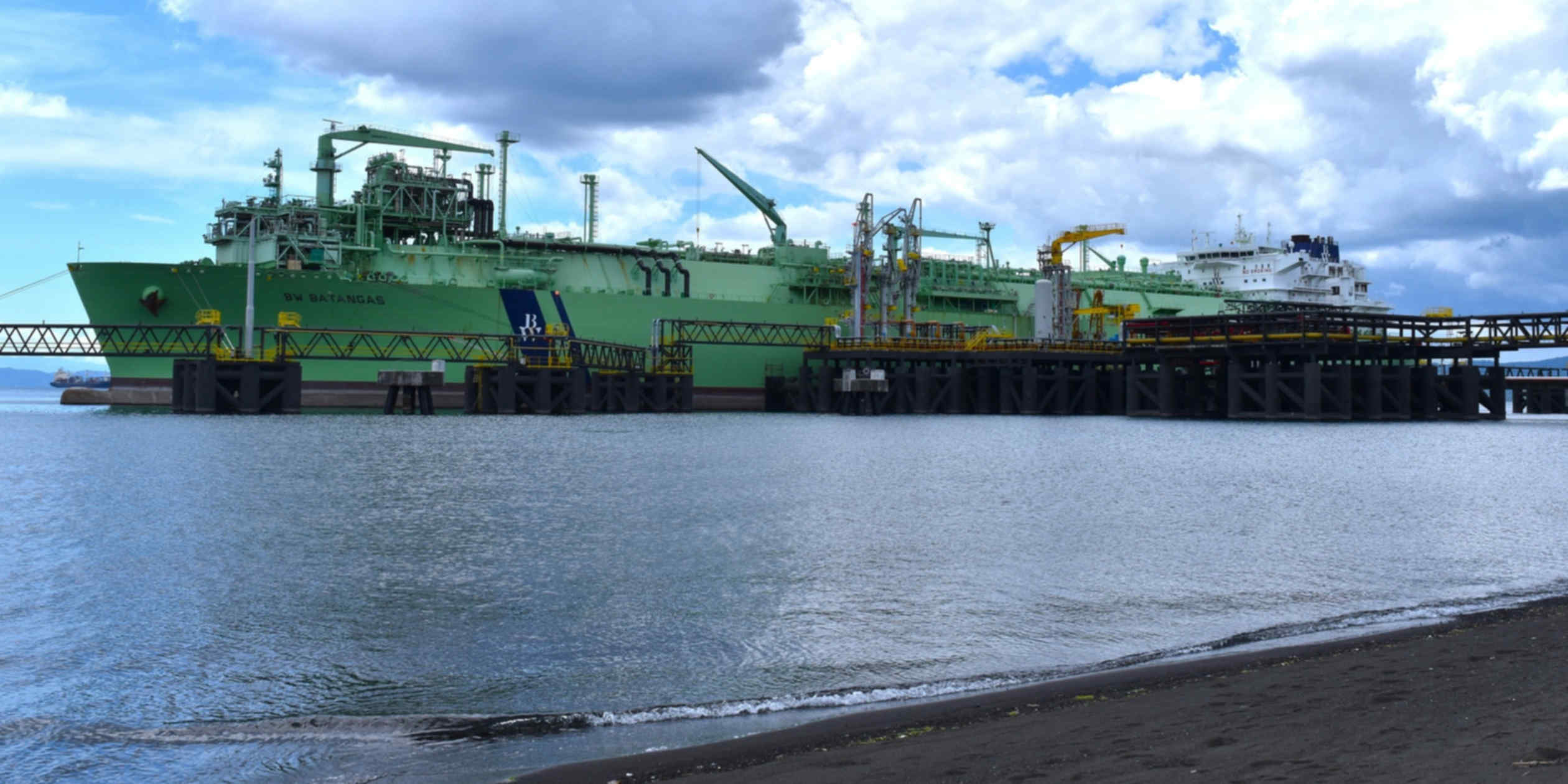
在马尼拉以南的巴坦加斯湾水域,停泊着一座浮式储存再气化装置(FSRU),这是一种建在船上的LNG接收站。东京燃气通过一家合资企业参与运营该设施,合资方包括菲律宾基础设施开发商Prime Infra的子公司。
In the waters of Batangas Bay south of Manila sits a floating storage and regasification unit (FSRU), a type of LNG terminal built aboard a ship. Tokyo Gas participates in operating the facility through a venture that includes a subsidiary of Philippine infrastructure developer Prime Infra.
在定于11月在马尼拉举行的亚洲零排放共同体(AZEC)峰会前夕,该装置于周三向媒体展示。AZEC是一个日本与东南亚国家在脱碳倡议上合作的框架。
The unit was showcased to the press on Wednesday ahead of a summit of the Asia Zero Emission Community (AZEC), a framework through which Japan and Southeast Asian nations cooperate on decarbonization initiatives, scheduled for November in Manila.
FSRU作为一个枢纽,将进口的LNG重新转化为气体,并可向发电厂、工厂和家庭供气。
The FSRU serves as a hub that converts imported LNG back into gas and can supply it to power plants, factories and households.
日本巨大的LNG需求通常由大型陆基接收站满足,这些接收站接收、储存并再气化LNG。由于FSRU可在造船厂建造并拖运至目的地,因此不需要大规模征地或大量现场施工,使其能够更快、以更低的前期成本部署。
Japan's large LNG demand typically is met through massive land-based terminals that receive, store and regasify LNG. Because FSRUs can be built at shipyards and transported to their destinations, they do not require large-scale land acquisition or extensive on-site construction, allowing them to be deployed more quickly and at lower upfront cost.
随着20世纪70年代石油危机后开发的国内天然气田产量下降,东南亚各国正竞相引进FSRU。
Countries across Southeast Asia are racing to introduce FSRUs as output declines from domestic gas fields developed after the oil shocks of the 1970s.
菲律宾唯一的马兰帕亚天然气田一度预计最早将于2027年枯竭,引发担忧燃气发电厂可能被迫关闭。中东局势紧张升级——作为主要燃料进口来源——加剧了这些担忧。
The Philippines' sole Malampaya gas field was at one point projected to be depleted as early as 2027, raising concerns that gas-fired power plants could be forced to shut down. Rising tensions in the Middle East, a major source of fuel imports, have added to those worries.
菲律宾家庭依靠原油衍生的液化石油气(LPG)供热水和烹饪,工厂则在锅炉中使用LPG和柴油。发展天然气管道将减少对中东石油不稳定供应的依赖。
Philippine households rely on crude oil-derived liquefied petroleum gas (LPG) for hot water and cooking, while factories use LPG and diesel in boilers. Developing natural gas pipelines would reduce dependence on unstable supplies of Middle Eastern oil.
目前,巴坦加斯浮式液化天然气再气化装置仅向周边的燃气发电厂供应天然气。Prime Infra旗下子公司Prime Energy的总裁唐娜贝尔·克鲁兹表示,该公司正考虑未来通过管道向各工业园区及其他用户供应天然气。
At present, the Batangas FSRU supplies natural gas only to nearby gas-fired power plants. Donnabel Cruz, president of Prime Infra subsidiary Prime Energy, said the company is considering supplying industrial parks and other users through pipelines in the future.
阿博伊蒂兹经济园区是巴坦加斯省的一家工业园区,众多日本企业在此落户。该园区高级顾问白园和明称:“许多入驻企业都在申请使用天然气。”目前,巴坦加斯浮式液化天然气再气化装置正通过管道向周边的燃气发电厂输送天然气。
Kazuaki Shirozono, senior adviser at Aboitiz Economic Estates, which operates an industrial park in Batangas province where many Japanese firms are located, said "many tenant companies are requesting natural gas." The Batangas FSRU sends natural gas through pipes to nearby gas-fired power plants.
东京燃气计划借助在菲律宾积累的运营经验,进一步开拓马来西亚、越南及印度尼西亚的市场。随着东南亚地区人口持续增长,该公司预计该地区的液化天然气进口量到2030年将增至5400万吨,较2023年的水平翻三倍。
Tokyo Gas plans to use the operational expertise it is gaining in the Philippines to explore new projects in Malaysia, Vietnam and Indonesia. The company expects Southeast Asia's LNG imports to triple from 2023 levels to 54 million metric tons in 2030 as the region's population continues to grow.
东京燃气菲律宾公司总裁仙谷正隆表示:“得益于我们在菲律宾的良好业绩,如今我们收到了来自整个东南亚地区的更多业务咨询。”由于日本国内民用天然气需求已趋于平稳,该公司计划借助浮式液化天然气再气化装置,加速在快速发展的东南亚市场拓展天然气业务。
"Thanks in part to our track record in the Philippines, we are receiving more inquiries from across Southeast Asia," said Masataka Sengoku, president of Tokyo Gas Philippines. With Japanese residential gas demand largely plateauing, the company aims to accelerate expansion of its gas business in fast-growing Southeast Asian markets through FSRUs.
与石油不同,液化天然气在储存过程中需要持续制冷,因此难以长期大量囤积。通过在东南亚各地建设此类装置,各国便能在紧急情况下更便捷地调配天然气资源,从而提升区域能源安全水平。
Unlike oil, LNG requires continuous cooling during storage, making long-term stockpiling difficult. By developing FSRUs across Southeast Asia, countries could share supplies more easily during emergencies, strengthening regional energy security.
据预测,到2050年全球液化天然气需求量将达7亿吨/年,较当前水平增长70%。能源巨头埃克森美孚计划到2030年将自身液化天然气年处理能力提升至5000万吨。
Global LNG demand is projected to reach 700 million tons annually by 2050, up 70% from current levels. Energy major ExxonMobil aims to handle 50 million tons of LNG annually by 2030.
东京燃气的目标是在2030年将液化天然气贸易量较2022年水平翻一番,达到500万吨。目前该公司正加大在美国的天然气开采力度并增加液化天然气采购量,欧洲与东南亚则是其重点开拓的市场。
Tokyo Gas targets doubling LNG trading volumes to 5 million tons by 2030 from 2022 levels. The utility is expanding natural gas production in the U.S. and increasing LNG procurement, with Europe and Southeast Asia as key markets.
“如果我们能将天然气液化并与欧洲和东南亚的客户进行贸易,就能最大化其价值,”东京燃气总经理村田幸麻吕说。
"If we can liquefy natural gas and trade it with customers in Europe and Southeast Asia, we will be able to maximize its value," said Yukimaro Murata, a Tokyo Gas general manager.