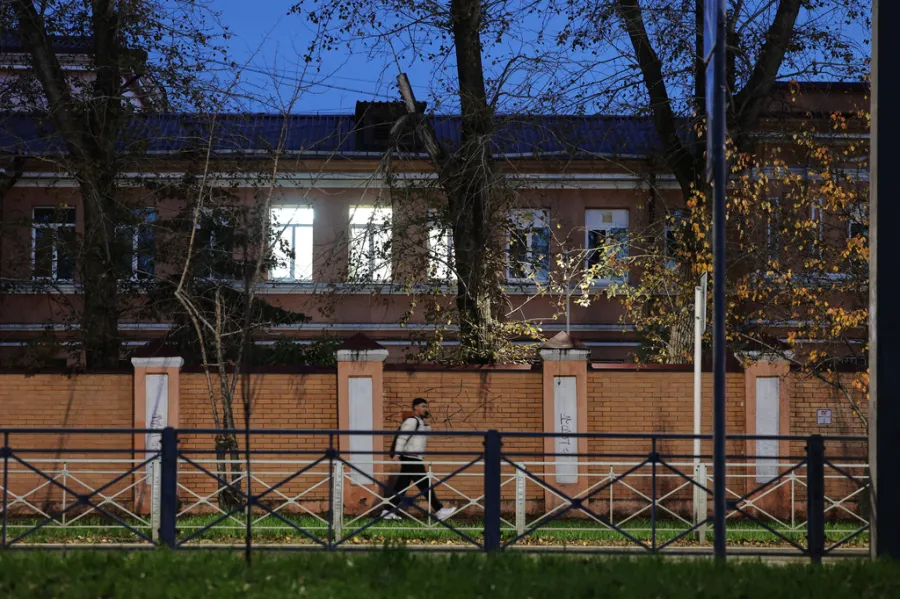
世界上最可怕的灾祸之一再次登上新闻头条:鼠疫。俄罗斯伊尔库茨克防疫研究所的一名技术人员死于“原因不明的肺炎”,近200人正接受医学观察,治疗她的医院已被隔离。莫斯科表示没有鼠疫的证据,并建议大家忽略这些谣言。该研究所处理着世界上最危险的病原体之一,包括肺鼠疫,而俄罗斯在进攻性生物武器研究方面有着悠久的历史。在这个提问可能带来危险的国家里,鲜有答案被提供。
One of the greatest scourges the world has ever known is in recent headlines: the Plague. A technician at Russia’s Irkutsk Research Anti-Plague Institute has died of “pneumonia of unknown etiology,” nearly 200 people are under medical observation, and the hospital that treated her has been quarantined. Moscow says there is no evidence of the plague and advises everyone to ignore the rumors. The institute handles some of the world’s most dangerous pathogens, including the pneumonic plague, and Russia has a long history of offensive biological weapons research. In a country where asking questions can be hazardous, few answers have been provided.
要理解如今围绕伊尔库茨克的疑问,值得记住的是,俄罗斯近一个世纪以来一直在思考一个更黑暗的问题:如何将疾病转化为武器?
To understand the questions now surrounding Irkutsk, it is worth remembering that Russia has been asking a darker question for nearly a century: how can disease be turned into a weapon?
在20世纪初的冲突中,疾病导致的俄罗斯人死亡人数超过武器,苏联科学家开始探索其作为武器的潜力。到1928年,苏联正在研究、开发、测试和制造生物武器,鼠疫成为特别受关注的武器,与炭疽和天花并列。1937年,苏联一家军事生物研究所的副所长在研究期间感染鼠疫后死亡;当地当局控制了事态并防止了疫情爆发。
Disease killed more Russians than weapons during the conflicts of the early 20th century, and Soviet scientists began exploring its potential as a weapon. By 1928, the Soviet Union was researching, developing, testing, and manufacturing biological weapons, with the plague emerging as a weapon of particular interest, alongside anthrax and smallpox. In 1937, the deputy director of a Soviet military biological institute died after contracting the plague during research; local authorities contained the incident and prevented an outbreak.
冷战期间,苏联扩大了其进攻性生物武器计划。根据后来叛逃到美国的该计划前副主管肯尼斯·阿利贝克的说法,苏联曾储存约20吨鼠疫,并试图通过基因工程使其更具致命性。
During the Cold War, the Soviet Union expanded its offensive biological weapons program. According to Kenneth Alibek, a former deputy director of the program who later defected to the United States, the Soviet Union maintained roughly 20 tons of the plague and sought to make it more deadly through genetic engineering.
尽管《生物武器公约》于1972年签署,莫斯科仍通过民用科研机构掩盖其生物武器计划,克格勃监视科学家以防止泄露。这种保密甚至延伸至事故:1979年,当局掩盖了苏联生物武器设施释放炭疽菌的事件,该事件导致平民死亡。
Despiteg the Biological Weapons Convention in 1972, Moscow concealed its program behind civilian research institutions, with the KGB monitoring scientists to prevent leaks. The secrecy extended to accidents: In 1979, authorities concealed an anthrax release from a Soviet biological weapons facility that killed civilians.
俄罗斯于1992年正式终止苏联时期的进攻性生物武器计划,但许多与之相关的设施继续以科研中心的形式运行。2024年,卫星图像显示,在前苏联生物武器设施谢尔盖夫-波萨德-6(Sergiev Posad-6)出现了新建筑和翻修工程,该地曾有科学家研究天花、埃博拉和出血热。俄罗斯官员称该工作是生物防御研究,但该设施不接受国际检查员。
Russia officially ended the Soviet offensive biological weapon program in 1992, but many facilities associated with it continued operating as research centers. In 2024, satellite imagery showed new construction and renovations at Sergiev Posad-6, a former Soviet biological weapons site where scientists studied smallpox, Ebola and hemorrhagic fevers. Russian officials describe the work as biodefense research, but the facility does not admit international inspectors.
但俄罗斯在被问及自身生物武器计划历史时,通常的回答是质疑美国在做什么。
But Russia’s answer to questions about the history of its own biological weapons programs is usually to question what America is up to instead.
今年6月,俄罗斯国防部指责美国在乌克兰开展生物武器研究,包括涉及鼠疫等危险病原体的工作。
In June, Russia’s Ministry of Defense accused the United States of pursuing biological weapons research in Ukraine, including work involving dangerous pathogens such as the plague.
这一指责延续了自冷战结束以来的模式:当时苏联宣传称艾滋病是五角大楼生物武器实验的结果。数十年后,俄罗斯官员复兴了类似指控。2018年,莫斯科外交部指责美国和英国在叙利亚实施独立的化学武器袭击,这是对事实的扭曲。2020年新冠肺炎疫情蔓延时,俄罗斯指责美国利用前苏联共和国的实验室研发病原体。2022年,俄罗斯将猴痘疫情爆发归咎于美国。
The accusation follows a pattern dating to the end of the Cold War, when Soviet propaganda claimed that AIDS was the result of a Pentagon biological weapons experiment. Decades later, Russian officials revived similar allegations. In 2018, Moscow’s foreign ministry accused the United States and United Kingdom of separate chemical attacks in Syria, a grotesque inversion of the truth. As COVID-19 spread in 2020, Russia accused the United States of using laboratories in former Soviet republics to develop pathogens. In 2022, Russia blamed the United States for the monkeypox outbreak.
其他荒谬的指控还包括:俄罗斯在联合国声称,美国曾考虑通过候鸟和蝙蝠来传播生物武器制剂。克里姆林宫还暗示,在新冠疫情期间,美国利用乌克兰人的血液样本制造出能够专门针对斯拉夫人使用的武器。
Other outrageous accusations include Russia’s claims at the United Nations that the United States considered delivering biological weapons agents through migratory birds and bats. The Kremlin also insinuated that the United States used blood samples from Ukrainians during the Covid pandemic to create weapons that would selectively target Slavs.
2022年,俄罗斯将这些指控提交至联合国,声称美国正在资助乌克兰的生物武器研发项目。美国及其盟友则驳斥这些说法纯属虚假信息。
In 2022, Russia took those accusations to the United Nations, alleging that the United States was funding a biological weapons program in Ukraine. The United States and its allies rejected the claims as disinformation.
美国国务卿马尔科·鲁比奥已要求俄罗斯提供更多相关细节。总统唐纳德·特朗普也表示,他计划“很快”与俄罗斯总统弗拉基米尔·普京讨论此事。周二,美国驻俄罗斯大使馆敦促在俄美国公民“立即离境”。既然华盛顿对局势的重视程度已到了发布此类警告的地步,它必然在迫切要求莫斯科提供必要信息以查明事实真相。
Secretary of State Marco Rubio has already asked Russia to share more details on the current situation. President Donald Trump said he is planning to discuss the case with Russian President Vladimir Putin “very soon.”On Tuesday, the U.S. Embassy in Russia instructed Americans in the country to “depart immediately.”If Washington is taking the situation seriously enough to issue such warnings, it must be pressing Moscow for the information needed to determine what, exactly, is happening.
美国应当组建跨部门工作组,负责监测疫情发展、分析健康数据,并确定其成因与波及范围。俄罗斯则应允许美国专家进入现场展开调查。鉴于俄罗斯此前已指控美国在乌克兰实施瘟疫生物武器计划,华盛顿方面,尤其是国防威胁降低局,理当做好应对俄罗斯宣传攻势的准备。
The United States should form an interagency team to monitor the outbreak, analyze health data, and determine its cause and extent. Russia should allow U.S. experts to enter and investigate the outbreak. Given that Russia has already accused the United States of the plague bioweapons program in Ukraine, Washington, and in particular, the Defense Threat Reduction Agency should be prepared to counter Russia’s propaganda.
俄罗斯有义务向全世界清晰说明伊尔库茨克防疫研究所发生的事件。如果这仅仅是一例普通肺炎病例,莫斯科也无需惧怕独立调查与公开透明的报告。在涉及潜在生物武器研究的实验室中出现人员死亡,仅靠“相信我们”显然无法替代确凿证据。倘若伊尔库茨克真如俄罗斯所言并无任何异常,莫斯科也大可允许外界人员前去查看。
Russia owes the world a clear account of events at the Irkutsk Anti-Plague Institute. If this was simply a case of pneumonia, Moscow should have little to fear from an independent investigation and transparent reporting. When a death occurs at a laboratory handling potential biological weapons, “trust us” is not exactly a substitute for evidence. And if there really is nothing to see in Irkutsk, Moscow could respond by letting someone see it.
伊万娜·斯特拉德纳是“捍卫民主基金会”(FDD)的研究员。退役海军少将马克·蒙哥马利则担任该基金会旗下“网络与技术创新中心”(CCTI)的高级主任。
Ivana Stradner is a research fellow at the Foundation for Defense of Democracies’ (FDD). Rear Admiral (Ret.) Mark Montgomery serves as senior director of FDD’s Center on Cyber and Technology Innovation (CCTI).