美国及其西欧半同盟之间的新经济争端不再关乎关税,而是制裁和抵制。上个月,荷兰和英国均宣布禁止与其所称的以色列定居点开展业务。这包括耶路撒冷以及美国视为完全处于以色列主权之下的其他地区。但这些禁令的影响不仅限于以色列人。一名美国犹太人飞抵阿姆斯特丹可能需要向荷兰当局证明其以色列制造的经文护符(即经文匣)并非出自圣城希伯伦。
The new economic battle between the U.S. and its Western European semi-allies isn’t over tariffs but rather sanctions and boycotts. Last month the Netherlands and the U.K.both announced bans on business activities with what they described as Israeli settlements. That includes Jerusalem and other areas America regards as fully under Israeli sovereignty. But the bans’ effect goes beyond Israelis. An American Jew flying into Amsterdam might have to prove to Dutch authorities that his Israeli-made tefillin, or phylacteries, weren’t made in the holy city of Hebron.
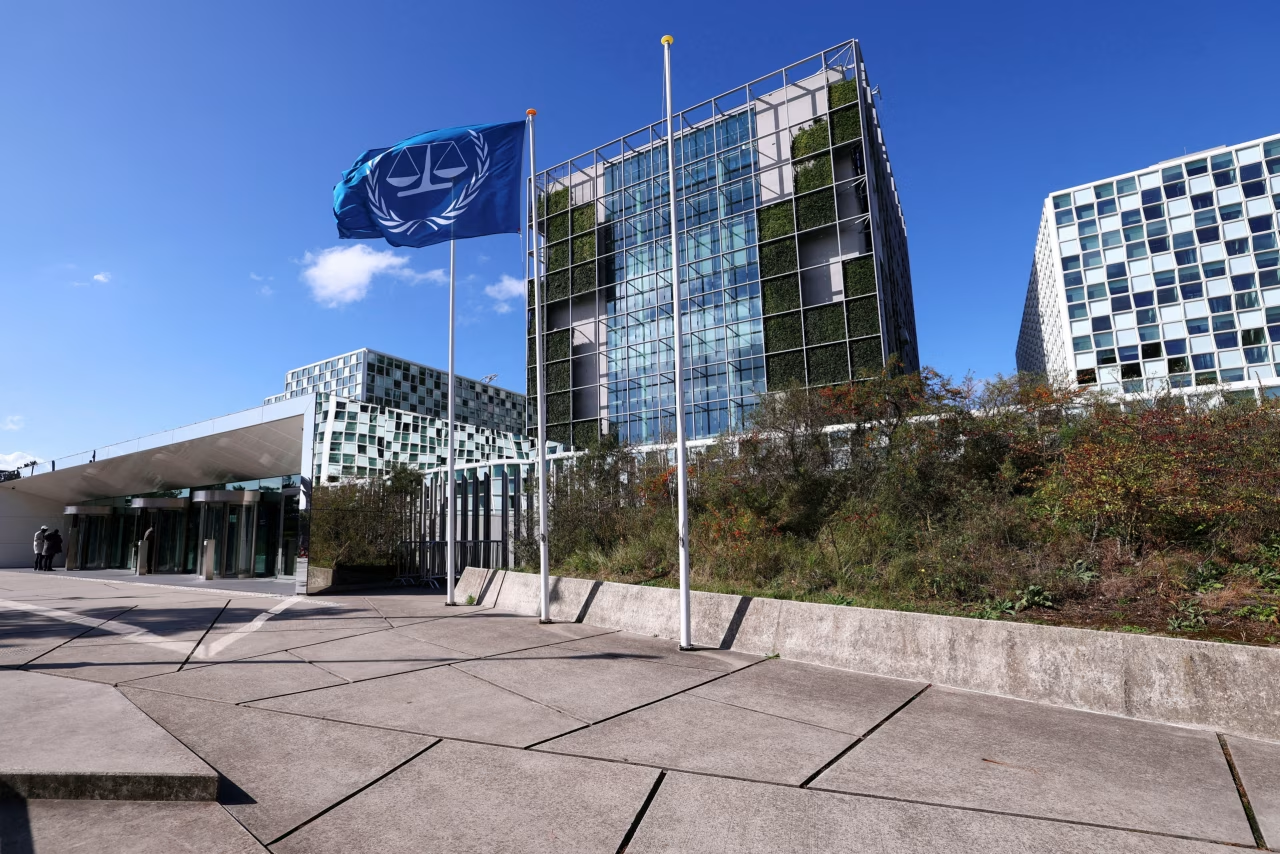
与此同时,英国和荷兰政府正牵头削弱美国对国际刑事法院的新制裁。该法院位于海牙,欧洲国家是其最热情的支持者之一。美国国务院上周宣布对国际刑事法院作为机构实施制裁。近年来,美国曾对个别国际刑事法院官员实施制裁,但效果有限。此次更广泛的制裁可能导致国际刑事法院难以正常运作,因为大多数银行和科技公司不愿与受制裁实体合作。
At the same time, the U.K. and Dutch governments are leading efforts to undermine new U.S. sanctions on the International Criminal Court. The court sits in The Hague, and European countries are among its most enthusiastic supporters. The State Department last week announced sanctions on the ICC as an institution. In recent years, the U.S. has imposed sanctions on individual ICC officials, to little effect. The broader sanctions could make it difficult for the ICC to operate because most banks and tech companies wouldn’t want to work with an entity that is subject to sanctions.