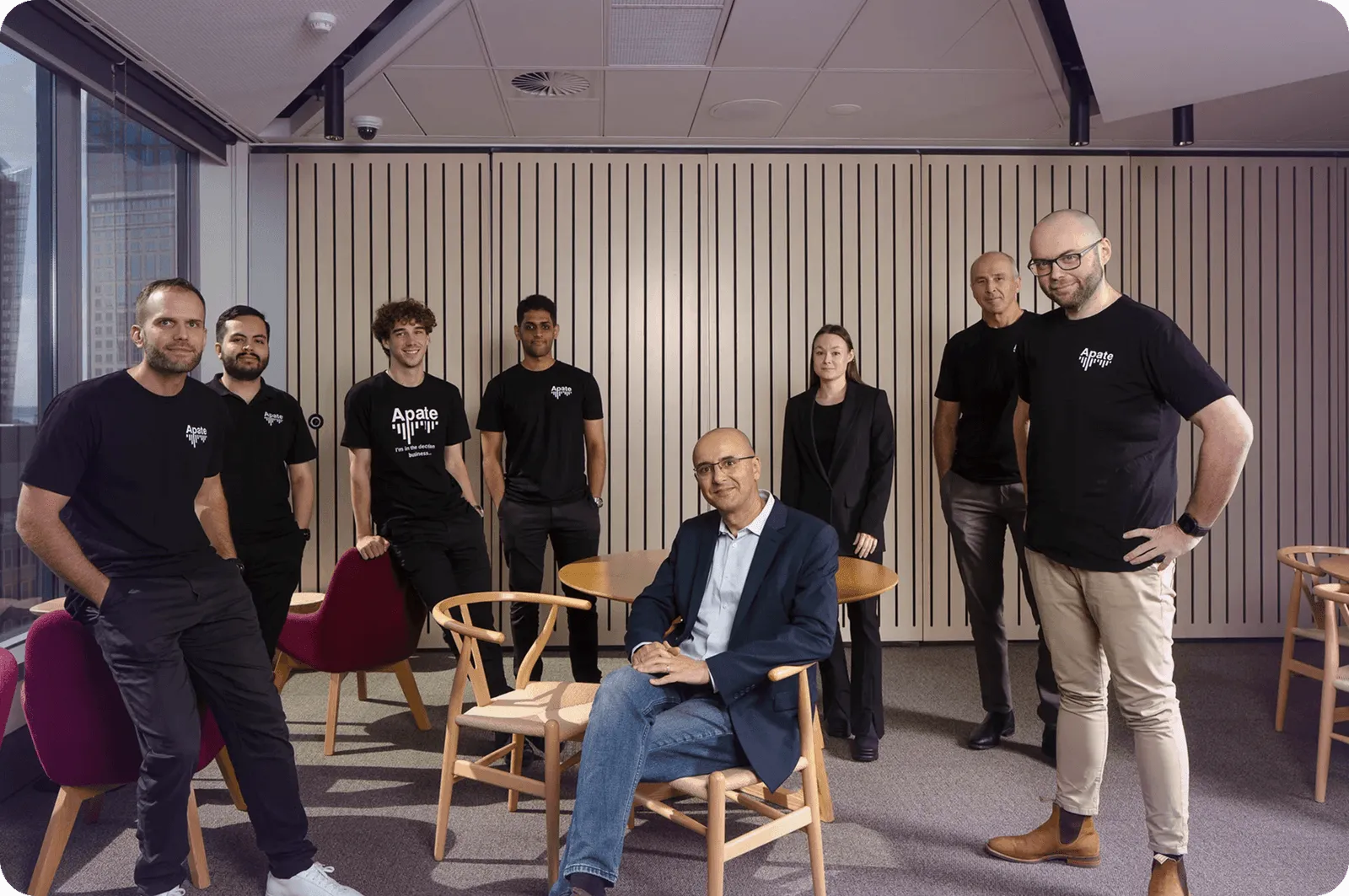
大多数公司使用 AI 代理来加快产品交付或提升工作流程效率。Apate.ai 则让这些代理潜伏,以骗取诈骗者。
Most companies use AI agents to ship products faster or to speed up workflows. Apate.ai sends them undercover to get scammed.
该澳大利亚初创公司成立于 2024 年,基于悉尼麦考瑞大学的研究,部署了数千名伪装成无辜受害者的 AI 代理。这些代理可以接听诈骗电话、回复可疑信息和邮件、点击钓鱼链接,并加入社交媒体群组以诱捕诈骗者。它们假装成各种身份的人,拥有不同的年龄、性别和口音,并使用多种语言,试图让诈骗者保持互动足够长的时间,以获取有价值的信息。
Founded in 2024 on the basis of research done in Macquarie University in Sydney, the Australian startup deploys thousands of AI agents that masquerade as innocent victims. The agents can answer scam calls, respond to shady messages and emails, follow phishing links, and join social media groups to bait fraudsters. They pretend to be people of all stripes, sporting different ages, genders and accents, and speak various languages as they try to keep scammers engaged long enough to learn something useful.
公司称,其代理舰队迄今已浪费诈骗者 17 年的时间,涉及 250 万次对话。对 Apate 的客户——银行、电信公司、政府机构和公用事业公司而言,更重要的是,这些潜伏代理会让诈骗者透露平时只有受害者才会知道的细节,包括银行账户、加密钱包、电话号码、恶意网站、冒充的品牌以及其他诈骗活动的相关信息。
The company says its fleet of agents has so far wasted 17 years of scammers’ time across 2.5 million conversations. More importantly for Apate’s customer base of banks, telecom companies, government agencies and utilities, the undercover agents try to get scammers to reveal things about themselves that are usually learned only a victim has been scammed: bank accounts, crypto wallets, phone numbers, malicious websites, the brands they’re impersonating, and other details about the scams they’re running.
Apate 是今年《TechCrunch》Disrupt 大赛 Startup Battlefield 200 的决赛入围者之一,随后将这些信息提供给客户,帮助其制定反欺诈措施和计划。(该公司将在本周于旧金山莫斯科尼西展馆(Moscone West)举行的 Disrupt 大赛上向风险投资评审团进行路演,活动持续至 10 月 15 日星期四。)这是一种新奇的诱骗诈骗演变,但考虑到 AI 已大幅提升诈骗者和黑客的能力,这并不令人惊讶。
Apate, one of the finalists at this year’s Startup Battlefield 200 at TechCrunch Disrupt, then feeds that information to its customers, who use it to inform their anti-fraud measures and initiatives. (The company will pitch a panel of VC judges at Disrupt, which is taking place this week at Moscone West in San Francisco through Thursday, October 15.) It’s a curious evolution of scam-baiting, but it’s not so surprising given how much AI has empowered scammers and hackers.
美国联邦调查局在 2025 年收到超过 22,000 起与 AI 相关的犯罪投诉,导致约 8.93 亿美元的损失。其中超过 6.32 亿美元来自投资诈骗,联邦调查局称诈骗者利用 AI 进行对话,并深度伪造名人、企业高管和可信人物的声音与形象。
The FBI received more than 22,000 complaints of AI-related crimes in 2025, which resulted in about $893 million in losses. More than $632 million of that came from investment scams, in which the FBI says fraudsters use AI to run conversations, and deepfake the voices and appearances of celebrities, executives and trusted figures.
长期以来,人们一直热衷于故意拖延骗子的行动——有时还闹出不少笑话,比如让骗子大声朗读整本书,甚至给他们纹上荒唐的纹身。如今,随着人工智能技术日益成熟,局面正在发生逆转。
For a long time, people have made a hobby out of deliberately stringing scammers along — sometimes hilariously, like getting scammers to read aloud entire books, or even to get ridiculous tattoos. Now, with AI growing increasingly capable, the tables are turning.
有趣的是,“Apate”这一项目的灵感其实源自一次真实的诈骗电话。
Curiously, the idea behind Apate was sparked by a real scam call.
几年前,Apate的创始人兼首席执行官达利·卡法尔正在和家人野餐时接到一个陌生号码打来的电话。察觉到对方是骗子后,为了逗孩子们开心,他装作什么都不懂的样子,硬是把通话维持了44分钟。
Several years ago, Apate’s founder and CEO Dali Kaafar was at a family picnic when he got a call from an unknown number. Realizing it was a scammer on the line, he decided to play dumb for the benefit of his kids and managed to keep the call going for 44 minutes.
大家都被逗乐了,但卡法尔注意到,这44分钟里骗子根本无法去联系真正的受害者。对他而言,这44分钟也是被白白浪费的时间。这让他产生了一个念头:能否通过自动化手段来实现类似效果,同时从中获得一些有用的信息呢?
Everyone had a laugh, but Kaafar noticed that those were 44 minutes the scammer had not spent calling a real victim. It was also 44 minutes of his wasted time, which led him to wonder: Could he automate it, and in the process, learn something useful?
这个想法最终促成了他在麦考瑞大学工作期间的相关研究。卡法尔与同事们借助机器学习与自然语言处理技术,试图解析诈骗电话的内容,并开发出更有效的诈骗检测与防范手段。
That idea eventually led to research work at his job at Macquarie University, where Kaafar and his colleagues used machine learning and natural language processing to uncover the content of scam calls, and develop better ways to detect and prevent scams.
“目前业内大多是在诈骗发生后才采取行动。电信运营商会屏蔽可疑号码,但骗子马上就会换用新号码;银行会监控交易情况,可那时骗子早已得手。而我们则直接与骗子接触,在任何人受害之前就获取相关信息,”联合创始人兼首席商务官布拉德·乔菲对TechCrunch说道,“我们的AI智能体每天会通过电话、短信、邮件及网络与数以万计的骗子对话。我们向客户提供的,正是这些对话所产生的信息以及客户可据此采取的应对措施。”
“Most of the industry works after the fact. Telcos block numbers, but scammers just get new ones. Banks watch transactions, but by then the scammer has already reached the customer. We go to the scammer directly and get the information before anyone gets hurt,” Brad Joffe, co-founder and chief commercial officer, told TechCrunch. “Our AI agents talk to tens of thousands of scammers every day across calls, messages, email and the web. What we offer our customers is what comes out of those conversations, and what they can do with it.”
乔菲还表示,Apate同时运用前沿大模型以及自行微调优化的模型来驱动智能体并开展分析工作。该公司以智能体与骗子之间的对话记录,以及卡法尔在麦考瑞大学期间的研究成果作为训练数据。
Joffe said Apate uses both frontier models and its own fine-tuned models to power its agents and analysis. The company trains its models on conversations its agents have had with scammers, as well as the research Kaafar did at Macquarie.
除了能够调用 Apate 旗下的各类代理服务外,客户还能使用其情报分析平台,该平台可提供针对终端用户、员工、品牌及产品等可能遭受的诈骗行为的相关情报与分析数据。客户甚至可以为这些代理指派特定任务,比如获取某人的银行账户号码或加密货币钱包地址。Apate 的文本代理能够在各类论坛、投资社群及社交平台上搜寻潜在的诈骗活动迹象,随后以伪造的身份加入对话,从而获取诈骗分子的相关信息。
In addition to access to Apate’s fleet of agents, customers get access to an insights portal that offers intelligence and analytics on scams targeting their end users or employees, brands, products, and more. Customers can even assign these agents particular missions, such as obtaining a bank account number or crypto-wallet address. Its text agents can search forums, investment groups and social platforms for potential scam activity, and can then enter conversations with a fabricated identity to surface scammers’ details.
这家初创公司的客户包括澳大利亚联邦银行、TPG电信,以及其他公用事业企业、电信运营商及政府机构。据乔菲介绍,TPG已将近59万通来电转接至 Apate 的代理处理;澳大利亚联邦银行的公开报道显示,其因诈骗造成的损失下降了76%;还有一家未具名的澳大利亚银行借助 Apate 的外呼代理成功阻止了22起诈骗活动。
The startup’s customers include Commonwealth Bank of Australia, TPG Telecom, as well as other utilities, telcos and government agencies. Joffe said TPG has diverted nearly 590,000 calls to Apate’s agents, Commonwealth has seen a 76% drop in publicly reported scam losses, and an unnamed Australian bank the startup works with has used its outbound agents to disrupt 22 scam campaigns.
投资者们也看好利用“欺骗诈骗分子”这一模式来盈利的潜力。今年8月,Apate 从 Lobby Capital、OIF Ventures、Investible、Concept Ventures 以及 Baobab Ventures 处获得了815万美元的种子轮融资。乔菲称,这家仅有20名员工的公司目前累计融资额已接近1000万美元,本轮资金将用于产品优化及国际化拓展,包括在伦敦设立办事处并进一步深耕美国市场。
Investors are betting there is money to be made from fooling scammers, too. Apate raised $8.15 million in seed funding in August from Lobby Capital, OIF Ventures, Investible, Concept Ventures and Baobab Ventures. Joffe said the 20-person company has raised just under $10 million in total and plans to spend the latest round on its product and international expansion, including opening an office in London and building a larger presence in the U.S.
“Apate这一名称源自希腊神话中的欺骗女神,这与我们代理的服务性质十分契合,”乔菲说道。他还补充称,在这家公司的宣传材料中甚至出现了诈骗分子对机器人破口大骂的画面。
“Apate is named after the Greek goddess of deception, which felt appropriate given what our agents do,” Joffe said, adding that the startup even features scammers swearing at the bots in its pitch material.
“我们将此类行为视为诈骗分子感到挫败的表现,因此每一个脏话在 Apate 看来都是值得庆祝的‘战果’。我们或许是全球唯一一家会对用户骂自家产品感到高兴的企业。”
“We track that as a sign of frustration and every swear word gets celebrated by us at Apate. We are probably one of the only businesses in the world that celebrates when people swear at our product.”