东京 -- 由于中国竞争对手缺乏当地认证,台湾和韩国的电池供应商希望在日本的电网规模储能市场取得突破。
TOKYO -- Taiwanese and South Korean battery suppliers look to make inroads in Japan's grid-scale energy storage market as Chinese rivals' lack of local certification provides an opening.
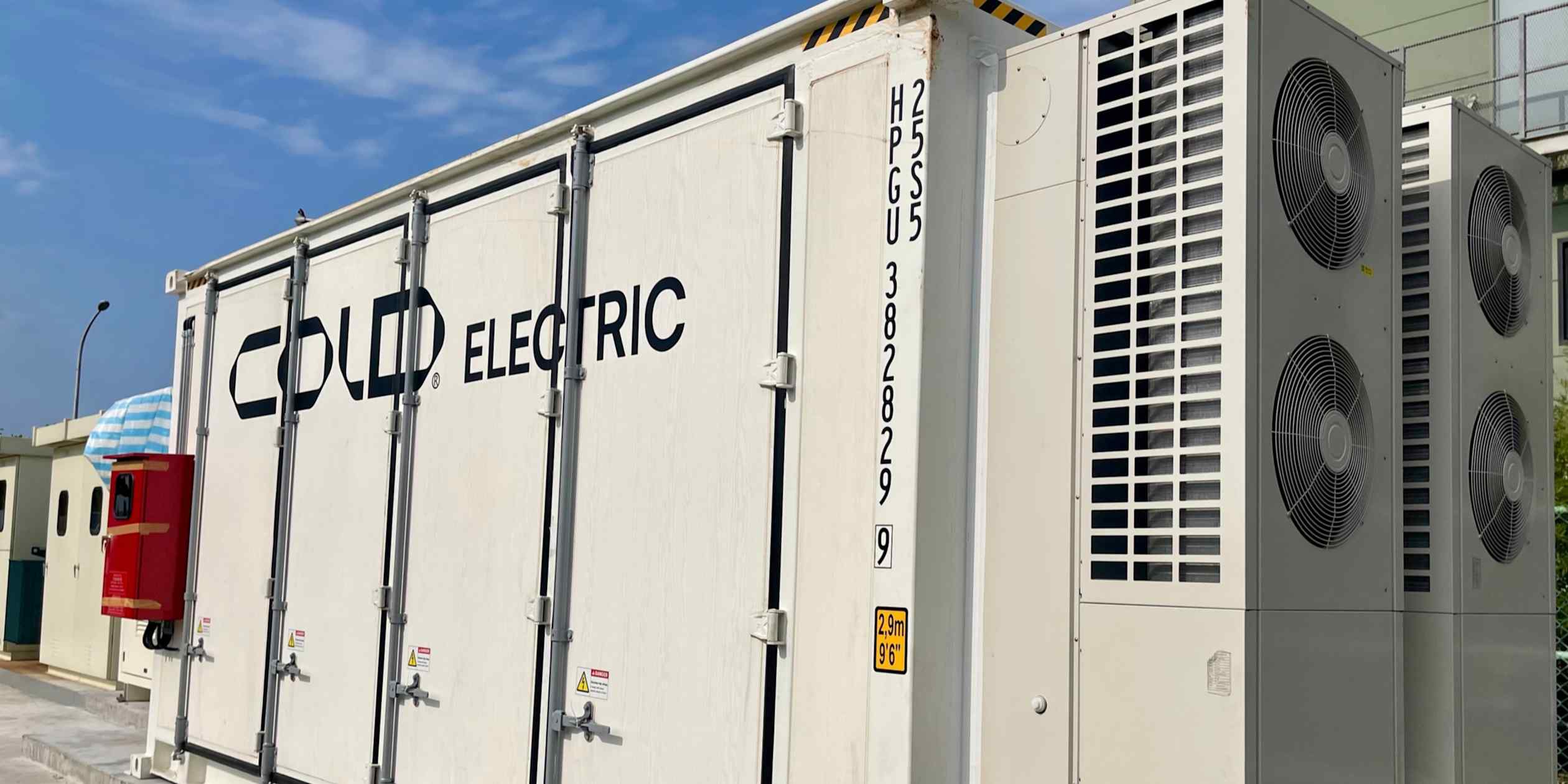
台湾电池储能系统制造商Cold Electric计划到2028年将其在台湾的工厂产能扩大九倍至3吉瓦时。该公司正寻求在日本等其他市场扩大销售。
Cold Electric, a Taiwanese battery storage system manufacturer, plans to expand production capacity at its factories in Taiwan ninefold to 3 gigawatt-hours by 2028. The company is looking to expand sales in Japan, among other markets.
Cold Electric首席执行官Phil Chen表示,该公司无法在中国公司的价格竞争中取胜,因此中国制造商在日本未获得认证是公司聚焦该市场的原因之一。
Cold Electric has not been able to compete with Chinese companies on price, so the fact that Chinese manufacturers have not obtained certification in Japan is one reason the company is focusing on the market, said CEO Phil Chen.
从明年4月起,日本政府将要求连接电网的设备获得JC-STAR网络安全认证。对于储能设施,该规定将适用于具有通信功能的设备,例如电池控制系统和功率调节器。
Starting next April, the Japanese government will require equipment connected to the power grid to obtain JC-STAR cybersecurity certification. For power storage facilities, this mandate will apply to equipment with communication functions, such as battery control systems and power conditioners.
JC-STAR审查由日本经济产业省下属的创新平台机构(IPA)进行。根据IPA的名单,约有50家公司获得了储能系统产品的JC-STAR认证。这些公司包括来自日本、美国、德国、韩国和台湾的企业。
JC-STAR reviews are conducted by the Innovation Platform Agency (IPA), an organization under Japan's Ministry of Economy, Trade and Industry. For power storage system products, roughly 50 companies have obtained JC-STAR certifications, according to an IPA list. They include companies from Japan, the U.S., Germany, South Korea and Taiwan.
然而,在日本市场渗透率较高的中国公司,如华为技术、阳光电源和比亚迪,未出现在该名单上。
However, Chinese companies that have significant penetration in the Japanese market, such as Huawei Technologies, Sungrow and BYD, are not on the list.
日本政府尚未说明中国公司为何似乎被排除在认证之外,但人们认为国家安全问题可能是一个潜在因素。如果中国供应商无法获得认证,他们可能将被迫在日本缩减规模。
The government has not said why Chinese companies appear locked out of certification, but national security concerns are believed to be an underlying factor. If Chinese suppliers are unable to receive certification, they will likely be forced to scale back in Japan.
Cold Electric已于8月获得JC-STAR认证。该公司计划在今年年底前推出日本首个使用Cold Electric产品的储能设施。公司正与大阪的电池经销商Yuasa M&B合作,以扩大销售。
Cold Electric obtained JC-STAR certification in August. There are plans to launch Japan's first energy storage facility using Cold Electric products by the end of the year. The company is partnering with Yuasa M&B, an Osaka-based battery distributor, to expand sales.
三星SDI去年获得了JC-STAR认证。这家韩国公司计划到2030年在日本的销售额达到2吉瓦时。这比2026年的预测增长了十倍。三星SDI希望抓住从中国制造商转向其产品的客户需求。
Samsung SDI obtained JC-STAR certification last year. The South Korean company plans to increase sales in Japan to 2 GWh by 2030. This marks a tenfold increase from the 2026 forecast. Samsung SDI looks to capture demand from customers switching from Chinese manufacturers.
台湾塑胶集团,一个台湾财团,计划到2029年在日本每年销售3吉瓦时的储能电池。该集团已向IPA申请JC-STAR认证,并预计将在年底前获得批准。
Formosa Plastics Group, a Taiwanese conglomerate, plans to sell 3 GWh of battery storage annually in Japan by 2029. The group has applied for JC-STAR certification from the IPA and expects to be approved by the end of the year.
台湾塑胶集团在其内部拥有石化和材料业务,使其能够在内部制造70%的电池部件,如电解液和隔膜。公司能够灵活应对客户的成本需求。
Formosa Plastics has petrochemical and materials operations within the group, enabling it to manufacture 70% of battery components, such as electrolytes and separators, in-house. The company is able to respond flexibly to customers' cost requirements.
美国和东南亚的储能系统用户正在转向,以避免过度依赖中国制造的设备,台湾塑胶集团计划抓住这一需求,集团日本子公司负责人Clayton Lien表示。
Storage system users in the U.S. and Southeast Asia are shifting to avoid over relying on Chinese-made equipment, and Formosa Plastics plans to capitalize on that demand, said Clayton Lien, head of the group's Japanese subsidiary.
该公司将在台湾扩大设施,到2029年将产能提升五倍至10吉瓦时。
The company will expand facilities in Taiwan to quintuple production capacity to 10 GWh by 2029.
韩国和台湾的供应商认为,他们的规模优势使其在价格上具有优势,超越日本公司。虽然他们无法与中国企业的价格相匹敌,但相比日本竞争对手如PowerX和GS Yuasa,他们可以更容易地提供更低的价格。
South Korean and Taiwanese suppliers believe their larger scales give them a price advantage over Japanese companies. While they cannot match prices of Chinese players, they can more easily offer lower prices than Japanese rivals, such as PowerX and GS Yuasa.
一位三星SDI高管表示,该公司的电池“比中国制造商贵20-30%,但比日本制造商便宜20-30%”。该高管补充称,较低的成本将与网络安全认证相结合。
Samsung SDI batteries are "20-30% more expensive than Chinese manufacturers, but 20-30% less costly than Japanese manufacturers," said a company executive. The lower costs would be paired with cybersecurity certification, the executive added.
日本是全球第五大电力需求国,正在加速安装可再生能源容量。根据总部位于东京的咨询公司RTS的预测,到2040年,日本在储能设施中的运营容量预计将达到100吉瓦时,比今年多九倍。
Home to the world's fifth-largest demand for electricity, Japan is rushing to install renewable energy capacity. The country is expected to have 100 GWh worth of operational capacity at power storage facilities by 2040, according to the Tokyo-based consultancy RTS, which would be nine times more than this year.
这一规模相当于每年新建一至两座核电站。随着人工智能数据中心的不断建设,电力需求预计还将进一步增长。
The scale would be equivalent to bringing online one or two nuclear power plants a year. Power demand is expected to expand further due to the buildup of artificial intelligence data centers.
JC-STAR认证并不适用于不具备通信功能的电池单元及其他相关组件。据一些与中国供应商(如华为)有业务往来的建筑公司及专业贸易商透露,中国制造商正在研究如何在不配备通信组件的情况下向日本市场销售电池储能系统。至于通信相关零部件,则会外包给日本企业来生产。
JC-STAR certification does not apply to battery cells or other components that do not have communication functions. According to a construction company and a specialized trading house that do business with Chinese suppliers such as Huawei, Chinese manufacturers are exploring ways to sell battery storage systems in Japan without telecommunication components. The parts for communications would be outsourced to Japanese companies.