Ambrosia Energy的联合创始人兼首席执行官本·朗米耶周二在旧金山举行的TechCrunch Disrupt大会上宣布,公司已开始在德克萨斯州奥斯汀附近建设一座规模庞大的电池工厂,其储能容量可达10吉瓦时。
Ambrosia Energy has begun work on a massive, 10 gigawatt-hour battery factory near Austin, Texas, co-founder and CEO Ben Longmier announced on stage Tuesday at TechCrunch Disrupt in San Francisco.
“这样一来,我们每年就能在各个项目现场建成一座发电能力约为300兆瓦的发电厂,”他说道。
“That allows us to build about a 300 megawatt power plant per year out at our field sites,” he said.
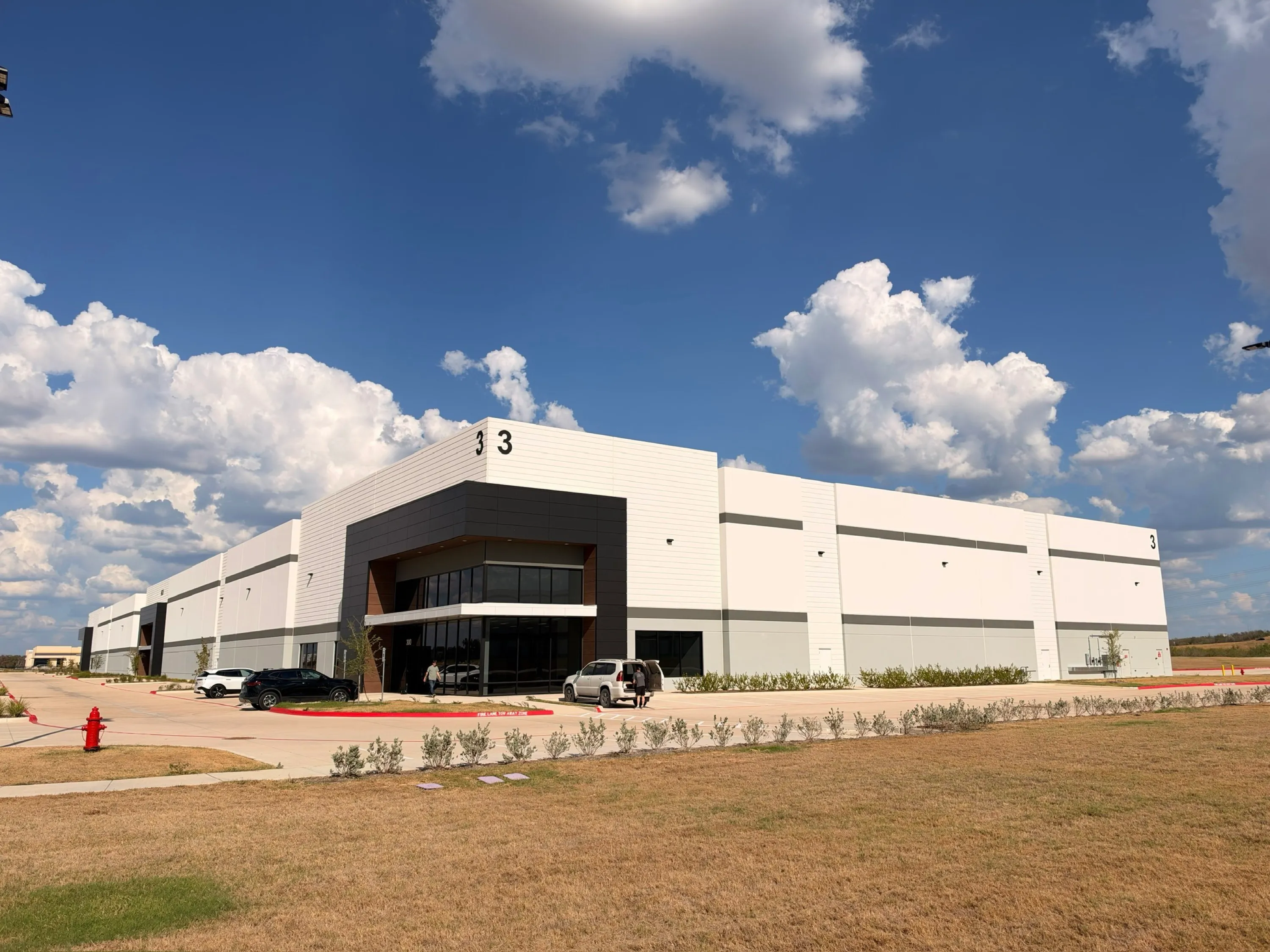
这座工厂的占地面积将达到15万平方英尺。朗米耶表示,Ambrosia计划在两到三年内实现全面投产。
The factory will occupy 150,000 square feet, and Longmier said that Ambrosia plans to reach full production in two to three years.
这家初创公司今年6月才正式对外亮相,其业务是为数据中心建设发电厂,每兆瓦时的建设成本仅为100美元。朗米耶与联合创始人萨拉·斯潘杰洛经过研究后认定,太阳能发电配合电池储能是最经济且部署速度最快的方案:白天由太阳能板为数据中心供电并为电池充电,夜间或阴天则由电池放电以维持数据中心全天候运转。
The startup emerged from stealth in June to build power plants for data centers at a cost of $100 per megawatt hour. Longmier and his co-founder, Sara Spangelo had settled on solar plus batteries as the cheapest option that’s the fastest to deploy. Solar panels power the load during the day and charge the batteries, which discharge at night and on cloudy days to keep the data center operating round the clock.
朗米耶与斯潘杰洛此前还创办过卫星星座初创企业Swarm,后来该公司被出售给了SpaceX。
Longmier and Spangelo previously founded the satellite constellation startup Swarm, which they sold to SpaceX.
朗米耶称,Ambrosia今年晚些时候还将在德克萨斯州西部动工建设首座商用发电厂。该设施将配备300兆瓦的太阳能发电设备以及660兆瓦时的储能系统,可持续输出30兆瓦的电力,目标是实现99.3%的运行时间。
Ambrosia is also beginning work on its first commercial power plant in West Texas later this year, Longmier said. The facility will pair 300 megawatts of solar panels with 660 megawatt-hours of batteries to deliver 30 megawatts of continuous power, with a goal of 99.3% uptime.
即便需要额外配置大量太阳能发电设备与储能电池以确保持续供电,朗米耶表示公司仍能以每兆瓦时100美元的成本实现盈利,这一价格水平足以与众多大型数据中心计划采用的天然气涡轮机发电方案相抗衡。
Even with “overbuilding” solar and batteries to deliver continuous uptime, Longmier said the company can be profitable at $100 per megawatt-hour, making it competitive with natural gas turbines that many hyperscalers are planning to use to power their data centers.
据朗米耶介绍,Ambrosia首座试验性发电厂的部分设施已连续运行超过100天,该试验设施能够全天候持续输出200千瓦的电力。
Sections of Ambrosia’s first pilot-scale power plant have been operating continuously for more than 100 days, Longmier said. The pilot is capable of generating 200 kilowatts of electricity 24/7.
为实现成本控制目标,Ambrosia一直在设法简化各类组件的设计与制造流程,比如太阳能支架与电池组等。通过减少零部件种类并在工厂内自行生产多数组件,这家初创公司成功降低了成本,避免了从外部供应商采购所带来的高昂费用。
To hit its cost targets, Ambrosia has been finding ways to simplify its components, including solar mounts and battery packs. By reducing part counts, and manufacturing many components in a factory, the startup has been able to reduce costs relative to buying from outside suppliers.
“我们购买现有的电池,并在内部自行组装电池组,与我们见过的任何其他竞争对手相比,其零件数量大约少了100倍,”朗格米尔说。“我们能够将成本降至裸电池成本的约1.3倍,而大多数固定储能系统的成本通常是裸电池成本的5倍或7倍。”
“We buy existing cells and we make our own pack in-house, and it has the fewest parts by a factor of about 100 compared to any other competitor we’ve seen,” Longmier said. ”We’ve been able to get to about 1.3x the cost of the bare cell compared to about a 5- or 7x for most stationary storage systems.”