乔纳森·科布是世界核协会气候事务高级项目负责人。东南亚提升核能部署能力的时机已经成熟。很少有地区能同时具备东南亚的特征:电力需求快速增长、对波动的化石燃料进口的暴露程度以及能够采取行动的工业能力。正是在这些条件下,核能既能增强能源安全,又能支持脱碳。
Jonathan Cobb is senior program lead for climate at the World Nuclear Association. The time is right for Southeast Asia to build up its capability to deploy nuclear energy. Few regions face Southeast Asia's combination of rapidly growing electricity demand, exposure to volatile fossil fuel imports and the industrial capability to do something about it. These are precisely the conditions in which nuclear power can strengthen energy security while supporting decarbonization.
各国政府应当现在就开始建设这种能力。发展监管能力、加强制度框架和培养熟练劳动力需要数年时间,而在这些工作进行的同时,各国可以评估哪种堆堆技术最能满足自身需求。
Governments should begin building that capability now. Developing regulatory capabilities, strengthening institutional frameworks and building a skilled workforce take years, and much of this work can proceed while countries assess which reactor technologies best meet their needs.
世界核协会2026年《世界核能展望报告》指出,该地区有多个国家正在推进其首座核电站的建设,包括越南、印度尼西亚、泰国和菲律宾。其他国家如新加坡,则正在积极评估核能在其未来能源结构中的潜在作用。
The World Nuclear Association's 2026 World Nuclear Outlook Report identifies several countries in the region that are in the process of pursuing their first nuclear power plant, including Vietnam, Indonesia, Thailand and the Philippines. Others, such as Singapore, are actively evaluating nuclear energy's potential role in their future energy mix.
越南正在推进大型堆堆项目。其2026年3月与俄罗斯签署的政府间协议涵盖宁顺一号核电站的两台VVER-1200机组,总装机容量为2400兆瓦,这一项目最初于2016年被叫停,如今得以复兴。越南计划在2031年底前实现首堆并网发电,第二座核电站预计将在2036年至2040年间建成。对于能够在单一场址容纳大型发电机组的国家来说,成熟的大型堆堆设计提供了一条相对快速地大幅增加可靠电力供应的途径。
Vietnam is advancing large reactors. Its March 2026 intergovernmental agreement with Russia covers two VVER-1200 units at Ninh Thuan 1, with a combined capacity of 2400 megawatts, reviving a project first suspended in 2016. Vietnam is targeting first power before the end of 2031, with a second plant expected between 2036 and 2040. For a country able to accommodate substantial generating units on a single site, proven large-scale reactor designs offer a route to significant additions of dependable electricity, comparatively quickly.
印度尼西亚的群岛地理特征使得小型堆堆尤为适用。其2025至2034年电力供应计划包括两台250兆瓦电(MWe)核机组,一座位于 Bangka Belitung 区域,另一座位于西加里曼丹,分别瞄准在2032年和2034年左右实现商业运行。
Indonesia's archipelagic geography makes smaller units particularly relevant. Its 2025-2034 electricity supply plan includes two 250 MWe (megawatt electrical) nuclear units, one in the Bangka Belitung area and another in West Kalimantan, targeting commercial operation around 2032 and 2034, respectively.
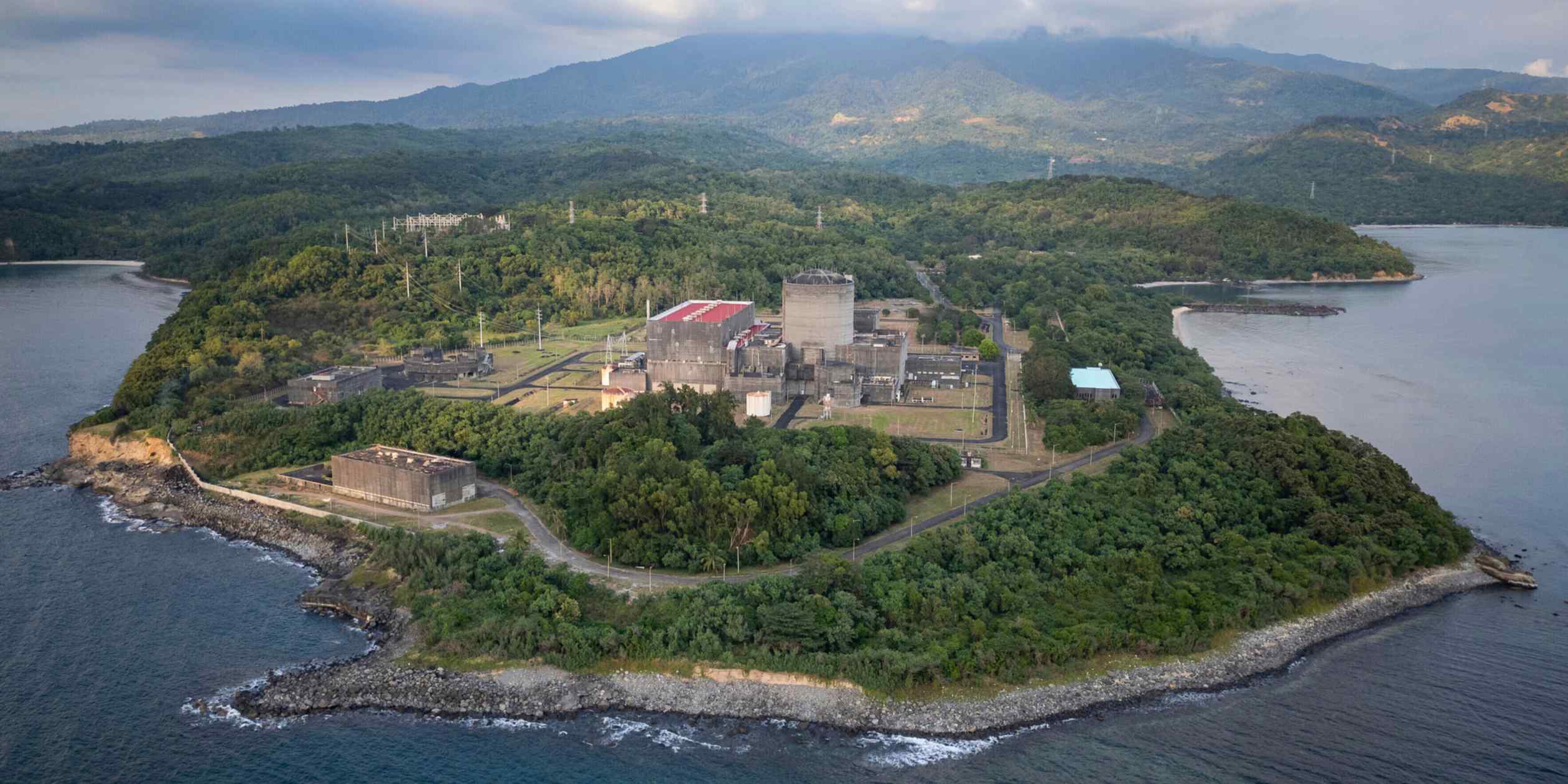
菲律宾能源计划2023-2050设定了分阶段目标:到2032年实现1200兆瓦核电装机容量,到2035年提升至2400兆瓦,到2050年达到4800兆瓦。该计划正在考虑新建大型堆和小型模块化反应堆(SMR),并评估巴丹核电站可能的完工情况。菲律宾能源部核能项目执行组织自2016年以来一直在为该国建立核能制度基础,2025年政府通过立法设立专门的核监管机构。
The Philippine Energy Plan 2023-2050 sets out a staged target of 1,200 MWe of nuclear capacity by 2032, rising to 2,400 MWe by 2035 and 4,800 MWe by 2050, with new build large-scale reactors and small modular reactors (SMRs) under consideration, alongside an assessment of potential completion of a plant in Bataan. The Philippines Department of Energy's Nuclear Energy Program Implementing Organization has been building the country's institutional foundations since 2016, and in 2025 the government passed legislation establishing a dedicated nuclear regulator.
泰国电力发展计划草案于2026年9月提交公众咨询,设想到2037年首次建设300兆瓦小型模块化反应堆,根据咨询反馈,到2050年可能扩容至最高9000兆瓦。该计划仍需政府批准,泰国发电管理局预计将牵头首个项目。
Thailand's draft Power Development Plan, presented for public consultation in September 2026, envisages a first 300 MWe SMR by 2037 and, according to reporting from the consultation, expansion to as much as 9,000 MWe by 2050. The plan remains subject to government approval, with the Electricity Generating Authority of Thailand expected to lead the first project.
新加坡面临特别严峻的能源挑战:土地有限,国内能源资源匮乏,同时需要可靠、经济且低碳的电力供应。新加坡正在研究先进核能技术(包括小型模块化反应堆)是否可能适用于其独特情况。新加坡一直通过技术研究和与国际伙伴的合作,逐步建设评估核能所需的技术和制度能力。目前尚未就部署核能作出决定。
Singapore faces a particularly demanding energy equation, with limited land and domestic energy resources alongside the need for reliable, affordable and lower-carbon electricity. It is studying whether advanced nuclear energy technologies, including small modular reactors, could potentially be suitable for its unique circumstances. Singapore has been progressively building the technical and institutional capabilities needed to assess nuclear energy through technical studies and cooperation with international partners. No decision has been made on whether to deploy nuclear energy.
自2027年起,新加坡将开展国际原子能机构(IAEA)核基础设施综合评审(INIR)第一阶段任务,届时独立国际专家将依据IAEA里程碑方法评估新加坡在19个基础设施领域的能力及其做出明智核能决策的准备情况。2024年,马来西亚柔佛州正在建设中的一个数据中心大楼。
Starting in 2027, Singapore will undertake an International Atomic Energy Agency (IAEA) Integrated Nuclear Infrastructure Review (INIR) Phase 1 Mission, where independent international experts will assess Singapore's capabilities across the 19 infrastructure areas under the IAEA Milestones Approach and its readiness to make an informed decision on nuclear energy. A data center building under construction in Malaysia's Johor state in 2024.
世界核能协会正与东盟国家合作,协助其推进核能部署工作。本月,由世界核能协会和菲律宾能源部共同组织的世界核供应链会议将探讨全球核供应链的万亿美元级机遇,并提升核项目推进的能力。
The World Nuclear Association is working with ASEAN countries to assist with their efforts to deploy nuclear energy. This month, the World Nuclear Supply Chain conference, organized by the World Nuclear Association and the Philippines Department of Energy, will explore the multitrillion-dollar global supply chain opportunity and strengthen capabilities for the roll out of nuclear projects.
监管工作必须从一开始就获得投入。一支称职且独立的监管机构必须能够与推动者、开发者和运营方建设性地互动,同时保持制度和职能上的独立。政府应明确职责并提供持续的资金支持。
Regulation needs investment from the outset. A competent, independent regulator must be able to engage constructively with the promoter, developer and operator, while remaining institutionally and functionally independent. Governments should establish clear responsibilities and provide sustained funding.
区域合作有助于使监管任务更易管理。东盟国家应共享技术培训,比较许可要求,并充分利用经验丰富的海外监管机构所进行的评估。统一的方法可减少重复劳动,帮助供应商服务多个市场。每个国家的监管机构仍需具备专业知识和权威,以判断某一设计和场地是否符合其要求。合作应提升这些决策的质量。
Regional cooperation could make the regulatory task more manageable. ASEAN countries should share technical training, compare licensing requirements and make effective use of assessments undertaken by experienced overseas regulators. Common approaches could reduce duplicated work and help suppliers serve several markets. Each national regulator would still need the expertise and authority to judge whether a design and site meet its requirements. Cooperation should strengthen the quality of those decisions.
人力规划必须从一开始就融入各国核能路线图,明确从许可、建设到运营各阶段所需的技能,并配套结构化路径以引进有经验的人员。
Workforce planning needs to be embedded into national nuclear roadmaps from the outset, identifying what skills are needed at each stage from licensing through construction to operation, and paired with structured pathways to bring in experienced personnel.
这些项目需要技术人员、焊工、检查员、项目经理以及核工程师。来自发电和其他高要求行业的有经验工人,若伴随核能专项培训,将成为宝贵的招聘基础。
Programs need technicians, welders, inspectors and project managers as well as nuclear engineers. Experienced workers from power generation and other demanding industries offer a valuable recruitment base, provided nuclear-specific training accompanies their transition.
融资将在将东南亚的核能雄心转化为运营电厂方面发挥决定性作用。核能项目在产生收入之前需要大量投资,因此资本成本和对及时完工的信心成为电力可负担性的核心因素。
Financing will be decisive in turning Southeast Asia's nuclear ambitions into operating plants. Nuclear projects require substantial investment before generating revenue, making the cost of capital and confidence in timely completion central to electricity affordability.
除了资本成本本身之外,还需要从一开始就评估和缓解若干融资和地缘政治风险。如果项目依赖于主权融资,则应在早期了解所附带的条件,包括担保、还款条款以及对公共债务的影响,并将其与国家的财政能力进行权衡。
Beyond the cost of capital itself, several financing and geopolitical exposures need to be assessed and mitigated from the outset. Where projects rely on sovereign financing, the conditions attached, including guarantees, repayment terms and the implications for public debt, should be understood early and weighed against a country's fiscal capacity.
货币风险同样需要关注,因为以当地货币获得的收入可能需要用于偿还以外币计价的长期债务,此时应考虑对冲或关税挂钩方案。政府应权衡特定堆型选择所暗示的技术和燃料供应锁定程度,以及多元化采购、多家合格供应商和战略燃料储备在多大程度上能够降低这种锁定程度。在项目结构设计和采购过程中明确解决这些问题,有助于确保融资模式支持而非削弱能源安全和可负担性。
Currency exposure warrants similar attention, since revenues earned in local currency may be set against long-dated obligations denominated in foreign currency, and hedging or tariff-indexation options should be considered. Governments should weigh the degree of technology and fuel-supply lock-in that a given reactor choice implies, and how far diversified sourcing, multiple qualified suppliers and strategic fuel reserves can reduce it. Addressing these issues explicitly in project structuring and procurement would help ensure that the financing model supports, rather than undermines, energy security and affordability.
对于潜在项目,政府应建立持久的收入安排,例如与信誉良好的买方签订长期电力购买协议,并将建设、监管和货币风险分配给最能够管理这些风险的各方。出口信贷机构、供应商国融资以及精准定位的政府担保有助于动员投资,同时保持对公共负债的透明度。在整个地区,融资策略应覆盖监管准备、劳动力发展和电网升级,与电厂本身同步进行,并提供废物管理和退役的资金安排。目标应是数十年内提供负担得起的电力,并通过公平明确的成本和风险分配来实现。
For prospective programs, governments should establish durable revenue arrangements, such as long-term power purchase agreements with creditworthy buyers, and allocate construction, regulatory and currency risks to the parties best able to manage them. Export credit agencies, vendor-country financing and carefully targeted government guarantees could help mobilize investment, while maintaining transparency over public liabilities. Across the region, financing strategies should cover regulatory preparation, workforce development and grid upgrades alongside the plant itself, with funded arrangements for waste management and decommissioning. The objective should be affordable electricity over decades, supported by a fair and explicit allocation of costs and risks.
对东南亚核能前景的务实评估还应认识到若能及早解决的若干实际考量,这些考量若得到早期处理,将增强其论据。小型模块化反应堆适合该地区的一些电网和地理条件,但许多设计仍在向商业化部署迈进。其他地区将采用基于成熟设计的大型反应堆。首台机型项目出现的建设超支已影响了一些项目,且经验教训已有详细记录:标准化设计、经验丰富的供应链和现实的应急规划均有助于保持交付进度。
A pragmatic assessment of Southeast Asia's nuclear prospects should also recognize several practical considerations that, if addressed early, strengthen the case. Small modular reactors suit some of the region's grids and geography, but many designs are still moving toward commercial deployment. Other regions will be served by large-scale reactors, based on proven designs. Construction overruns have affected some first-of-a-kind projects, and the lessons are well documented: Standardized designs, experienced supply chains and realistic contingency planning all help keep delivery on track.
废物管理计划和应急准备可从一开始就纳入国家政策和法规,使社区和投资者获得清晰认识。社会许可证最好通过早期、透明的互动获得。最后,鉴于该地区各国紧密相连,跨境安全合作和信息共享提供了在区域内建立信任、分享专业知识的机会。
Waste management plans and emergency preparedness can be built into national policy and regulation from the outset, giving communities and investors clarity. The social license is best earned through early, transparent engagement. Finally, given how closely the region's countries are connected, transboundary cooperation on safety and information sharing offers a chance to build confidence and share expertise across the region.
东南亚发展核能有着充分的理由。核电站不仅能够提供清洁、可靠的电力;它们还是推动社会进步的重要支柱——为建筑和运营领域创造大量就业机会,有助于加强国内供应链的建设,并提升劳动力的技术水平与工程能力;同时,核能还能成为推动区域发展的关键动力。
Southeast Asia has compelling reasons to develop nuclear energy. Nuclear plants are not just facilities that generate clean and reliable electricity: They are societal assets supporting skilled jobs in construction and operation; they stimulate the strengthening of domestic supply chains and the technological and engineering skills of the workforce: and can anchor regional development.
各国政府现在应当将这种发展核能的意愿转化为具体的政策措施(包括资金支持、完善的监管体系以及持续的人力资源投入)。基于这些措施作出的决策,将决定当今的雄心能否在未来几十年内真正转化为现实(即能否实现可靠的电力供应)。
Governments should now turn that interest into funded regulatory programs, credible project preparation and sustained workforce investment. The decisions taken on these foundations will determine whether today's ambitions become dependable electricity in the decades ahead.
作者是在2026年新加坡国际能源周(10月26日至10月30日)期间举行的SIEW智库圆桌会议上发表上述观点的。
The writer is speaking at a SIEW Thinktank Roundtable during the Singapore International Energy Week 2026 (Oct. 26-Oct. 30).