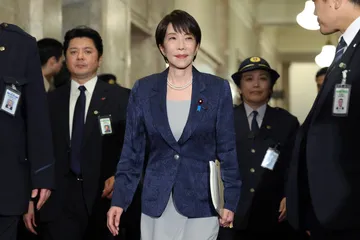
在Sanae Takaichi担任首相的第一年里,日本的主流交易一度非常直接:买入股票,卖出债券。如今已不再如此。
For much of Sanae Takaichi’s first year as prime minister, the prevailing trade in Japan was straightforward: buy stocks, sell bonds. Not anymore.
包括摩根士丹利资产管理公司和三菱UFJ资产管理公司在内的主要资产管理公司的基金经理们开始重新审视所谓的“Takaichi交易”,并对债券的看空情绪有所缓和。日本最新的债券拍卖显示,收益率已达到具有吸引力的入场点,而华盛顿对财政克制的日益施压也限制了她的扩张性议程。
Fund managers at major asset management firms including JPMorgan Asset Management and Mitsubishi UFJ Asset Management Co. are beginning to rethink the so-called Takaichi trade and turn less bearish on bonds. Yields have reached attractive entry points at Japan’s latest bond auctions, while growing pressure from Washington for fiscal restraint constrains her expansionary agenda.
Takaichi的扩张性立场以及对战略产业的计划性国家支持,曾助推股票攀升至历史高点,此前因债务担忧重新燃起,曾在全球债券市场掀起冲击波。根据彭博智库的数据,持有东证指数(Topix)多头、做空日本国债的投资组合在过去一年内实现了超过30%的收益,超过了东证指数本身的表现。
Takaichi’s expansionary stance and planned state support for strategic industries helped push stocks to record highs, after renewed debt fears sent shockwaves through global bond markets in January. A portfolio long the Topix and short Japanese government bonds has returned more than 30% over the past year, beating the Topix, Bloomberg Intelligence data show.
“当我们审视日本国债长端时,可以肯定地说,目前的收益率水平正在创造价值,”摩根士丹利资产管理公司多资产解决方案首席投资组合经理Sylvia Sheng表示。她在9月份平掉了对10年期日本国债的空头头寸,转为中性持仓。
“When we look at the JGB long-end, there’s definitely value being created where the yields are right now,” said Sylvia Sheng, multi asset solutions lead portfolio manager at JPMorgan Asset Management. She closed her short positions in 10-year JGBs to turn neutral in September.
尽管中东紧张局势等全球宏观风险仍让Sheng难以直接买入日本国债,但她决定平掉看空头寸,标志着一种明显的转变。此前她认为,随着市场将扩张性财政政策、增加的债务发行以及潜在通胀逼近2%的迹象计价在内,收益率将继续上升。
Although global macro risks including Middle East tensions are keeping Sheng from buying JGBs outright, her decision to close bearish positions marks a clear shift. She previously thought that yields would keep rising as markets priced in expansionary fiscal policy, increased debt issuance, and signs that underlying inflation was approaching 2%.
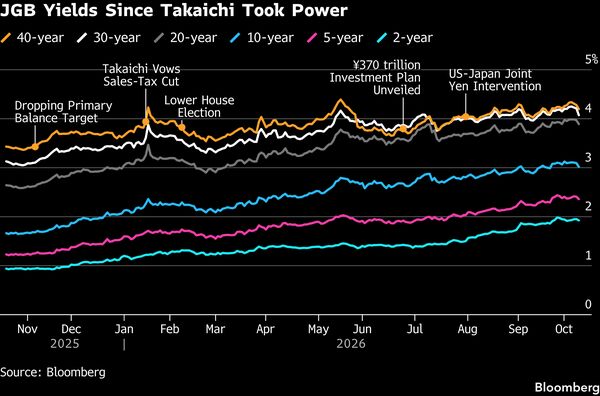
Takaichi对紧缩货币政策的 reluctance(犹豫不决)引发了人们对日本央行可能在通胀方面落后于形势的担忧。预期她将通过更多举债来资助其经济议程,也助长了债券抛售,使日本10年期国债收益率在她上任第一年内几乎翻倍,达到约3%。
Takaichi’s reluctance to embrace tighter monetary policy raised concerns the Bank of Japan would fall behind the curve on inflation. Expectations of more borrowing to fund her economic agenda also fueled a bond selloff, nearly doubling Japan’s 10-year yield to about 3% during her first year in office.
随着伊朗持续冲突引发的能源驱动型通胀担忧推动全球收益率上升,日本国债(JGB)波动率因其政府所附带的通胀风险溢价而尤为突出。对日本财政前景最为敏感的超长期债务承受了此次动荡的主要冲击,30年期和40年期收益率飙升至历史最高水平。
While global yields climbed on energy-driven inflation fears from the ongoing conflict in Iran, JGB volatility stood out due to the inflation-risk premium attached to her administration. Super-long debt, the most sensitive to Japan’s fiscal outlook, bore the brunt of the instability, with 30- and 40-year yields surging to historic highs.
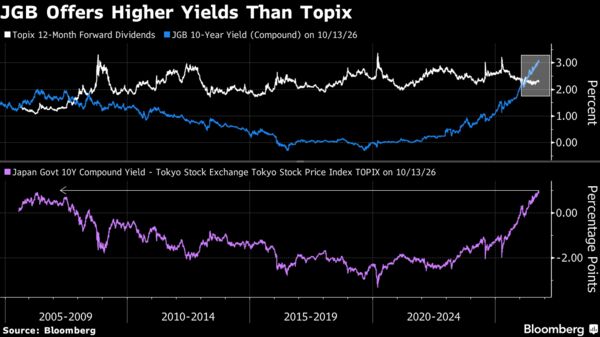
此次抛售冲击了债券估值,使得收益率相较于股票达到二十年来最具吸引力的水平。10年期日本国债收益率明显高于东证指数(Topix)的2.3%股息收益率——两者之间的差距达到自2005年有记录以来的最大水平。
That selloff has impacted bond valuations, leaving yields at their most attractive levels relative to equities in two decades. The 10-year JGB yield comfortably exceeds the Topix’s 2.3% dividend yield—leaving the gap between the two at its widest level since records began in 2005.
“投资者现在只需将资金存入债券,就能实际上获得3%的回报,无需做任何事情,”三菱UFJ资产管理公司执行首席基金经理石金清志表示。
“Investors can effectively get a 3% return without doing anything just by sitting money in bonds now,” said Kiyoshi Ishigane, executive chief fund manager at Mitsubishi UFJ Asset Management Co.
石金清志管理约300亿日元(1.89亿美元)资产,他表示,随着长期收益率升至2.5%以上,他一直在逐步减少其在日本国债上的低仓位,趋向中性。他指出,鉴于日本央行2%的通胀目标以及实际增长仍低于1%,超过2.5%的收益率可能超出了日本经济基本面所能证明的水平。
Ishigane, who oversees around ¥30 billion ($189 million), has been paring back his underweight position in JGBs toward neutral as long-term yields rose past 2.5%. Yields above that level may be overshooting what Japan’s economic fundamentals justify, he noted, given the BOJ’s 2% inflation target and real growth remaining below 1%.
与此同时,石金清志也减少了其日本股票持仓。他警告称,全球收益率上升以及日本和美国的加息可能抑制增长,而债券收益率上升则可能吸引资金远离股票。 “我不认为收益率上升以任何方式对股票有利,”他说。
Concurrently, Ishigane has dialed back his Japanese stock holdings. He warns that higher global yields and rate hikes in both Japan and the US risk cooling growth, while rising bond returns threaten to draw funds out of equities. “I don’t see higher yields being positive for equities in any way,” he said.
像石金清志和摩根大通资产管理公司的盛(Sheng)这样的投资者并非孤例:日本国债期货的未平仓合约量已从9月份约211,000手的峰值降至约186,000手,表明在本月日本国债期货反弹过程中,空头头寸正在撤退。
Investors like Ishigane and JPMorgan Asset Management’s Sheng are not alone: open interest in JGB futures has fallen to around 186,000 contracts from a peak of roughly 211,000 in September, signaling a retreat from short positions as JGB futures rebounded this month.
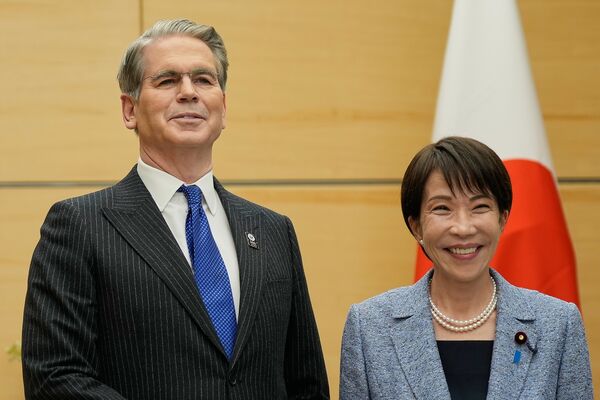
华盛顿方面对高市内阁施加越来越大的压力,要求其控制支出并调整过于宽松的货币政策,这也有助于遏制日本的财政失衡趋势。美国财政部长斯科特·贝森特多次敦促日本政府加强财政纪律、允许利率上升,并批评那些可能削弱日元的再通胀政策。有分析人士认为,华盛顿在7月底与日本联合干预日元汇率后,获得了更大的影响力。
Growing pressure from Washington on the Takaichi administration to rein in spending and move away from ultra-loose monetary policy may also help keep Japan’s fiscal trajectory in check. US Treasury Secretary Scott Bessent has repeatedly urged Tokyo to exercise fiscal discipline and allow interest rates to rise, criticizing reflationary policies that risk weakening the currency. Investors speculate Washington gained extra leverage after joining Tokyo in a rare joint currency intervention to support the yen in late July.
根据资产管理公司(Asset Management One Co.)的基金经理三浦良隆(Yoshitaka Miura)的观点,地缘政治因素正在改变市场对日本央行的预期。他认为,美日联合干预日元汇率的行动表明高市内阁已无法容忍日元继续贬值或通胀失控,这实际上迫使日本政府在获得华盛顿援助的同时,必须支持日本央行的加息决策。
The geopolitical backdrop is already shifting market expectations for the central bank, according to Yoshitaka Miura, a fund manager at Asset Management One Co. In his view, the joint US–Japan currency intervention signaled that the Takaichi administration can no longer tolerate further yen weakness or unchecked inflation, effectively obligating Tokyo to support BOJ rate hikes in exchange for Washington’s assistance.
“未来日本央行加息的可能性大大增加,市场普遍预计加息周期将缩短至每三个月一次,而非之前的每六个月一次,”三浦良隆表示。他负责管理价值1.3万亿日元的固定收益产品。
“There’s a higher likelihood for the BOJ to hike going forward, and the consensus is now every three months as opposed to six,” said Miura, who is involved in managing ¥1.3 trillion in fixed-income products.
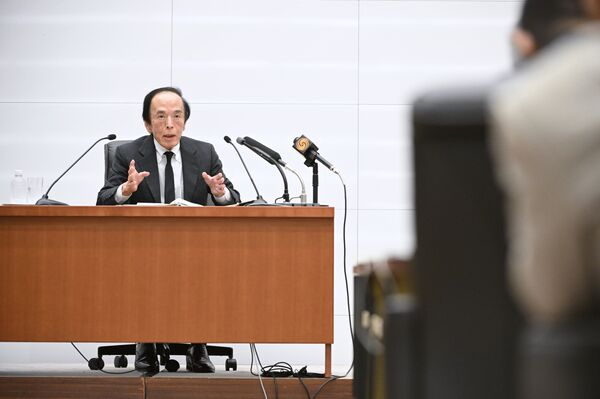
据安本资产管理公司(Amundi Asset Management)的亚洲宏观策略师克莱尔·黄(Claire Huang)分析,如果日本央行加快加息节奏,并且市场对其控制通胀的能力重新产生信心,那么债券市场的收益率曲线很可能会趋于平坦化:即短期利率上升,而超长期利率则保持稳定或下降。
For the bond market, a faster BOJ hiking cycle and renewed confidence in its ability to contain inflation point toward a classic yield curve flattening, where short-term yields rise while ultra-long rates anchor or decline, according to Claire Huang, senior Asia macro strategist at Amundi Asset Management.
这种结构性变化促使宏观投资者重新审视她早期政策的核心理念。黄表示:“高市宏的典型投资策略是长期持有股票、同时卖出债券。有趣的是,她推行的那些‘全面通胀导向’的政策至少受到了发达国家(尤其是美国)的打压。”政府的政策支持也在为债券市场提供支撑。7月,财务大臣片山聪意外提出让政府养老投资基金购买更多国内资产,这表明政府有意提振市场需求、抑制债券收益率的上升。
That structural shift is prompting macro investors to re-examine the core premises of her early policy momentum. “The typical Takaichi trade was long equities and short bonds,” said Huang. “It has been an interesting development that at least one or two of her all-in inflationary policies have been pressured by the developed-market peer: Washington.”Policy backstops are also offering support to the bond market. Finance Minister Satsuki Katayama surprised investors in July by floating the idea of having the Government Pension Investment Fund buy more domestic assets, signaling official intent to shore up demand and stem the rise in yields.
此外,关于将日本国债纳入免税的NISA(个人养老金账户)计划的讨论,也提升了投资者对零售投资者购买力增加的预期。
Meanwhile, ongoing discussions to include JGBs in the tax-exempt NISA program have raised expectations for an influx of retail buying power.
“终于看到财务大臣谈论这些措施了,这让我觉得我们或许离政策变革更近了一步,”First Eagle Investments的投资组合经理伊达娜·阿皮奥(Idanna Appio)说。“如果政府养老投资基金真的调整了资产配置,或者鼓励更多人购买日本国债,那么这将有助于改善日本的供需平衡。”阿皮奥补充道,高市宏的政府在实施财政政策方面仍比美国或法国的政府更具优势——后两国的政治不稳定局势已经影响了它们的财政前景。
“Finally seeing the finance minister talk about some of these measures made me think perhaps we’re closer to a change,” said Idanna Appio, a portfolio manager at First Eagle Investments. “If we saw some of these asset allocation shifts — from GPIF or by encouraging more domestic ownership of JGBs — I think that would help the supply-demand balance in Japan.”Appio added that the Takaichi administration remains better positioned to execute its fiscal strategy than peers in the US or France, where political instability has clouded the fiscal outlook.
由于高市宏尚未公布实现其支出计划所需的债券发行规模,跨资产类别的基金经理们可能会选择投资与她的战略重点(如国防产业和半导体行业)相关的股票,而不是立即大量买入日本国债。
With Takaichi yet to reveal the bond issuance needed to fund her spending plans, cross-asset managers may opt to seek returns in equities aligned with her strategic focus, such as defense and semiconductors, rather than building long JGB positions immediately.
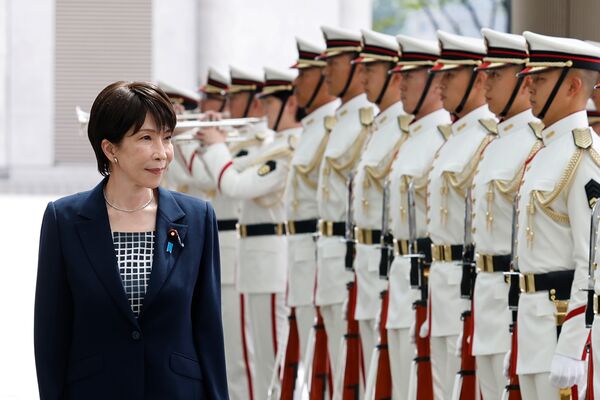
摩根大通资产管理公司的沈(Sheng)最近卖出了她持有的日本国债头寸,但她仍维持对日本股票的增持立场。沈指出,有利的宏观经济环境和企业治理改革继续支撑着股市的表现,而高市宏的扩张性财政政策则为日本经济的中长期增长提供了动力。
JPMorgan Asset Management’s Sheng, who recently closed her short positions in JGBs, is among those maintaining an overweight stance on Japanese equities. Sheng notes that favorable macroeconomic conditions and corporate governance reforms continue to underpin stocks, while Takaichi’s expansionary fiscal agenda supports medium-term growth.
“她今后如何制定财政政策至关重要,”盛说。“我们不希望出现那种大幅增加日本国债发行规模的扩张性政策,那样会让人们对财政的可持续性产生严重担忧。”
“How she positions fiscal policy going forward will be important,” Sheng said. “What we don’t want is a kind of the expansionary policy in the sense there’ll be a big increase in JGB issuance and people get really concerned about fiscal sustainability.”