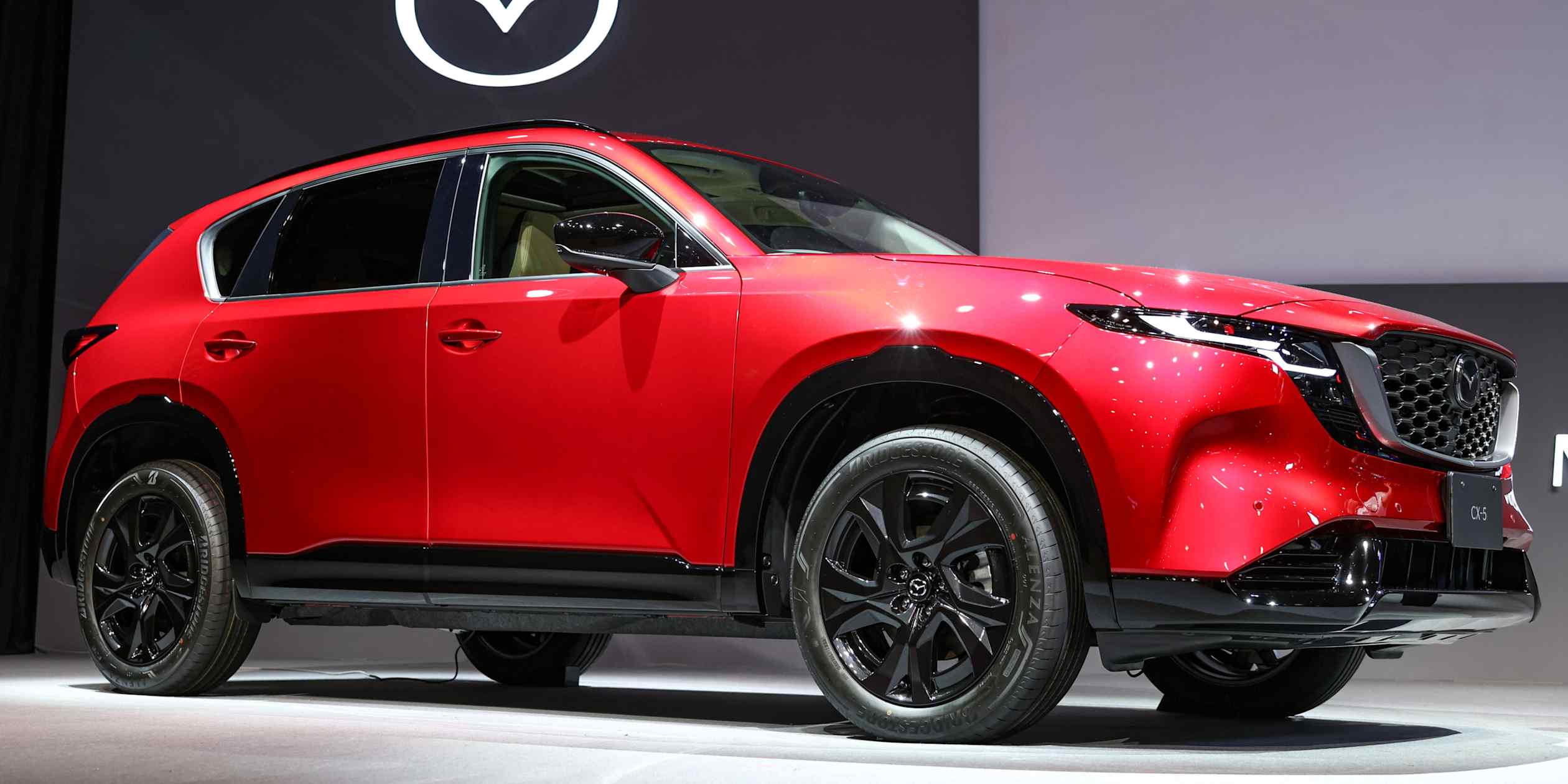
东京——据《日经新闻》报道,日本马自达汽车公司在与供应商Yazaki共同开发出自动化生产技术后,将部分关键汽车零部件的生产转移到了日本国内。
TOKYO -- Japan's Mazda Motor will switch to domestic production for part of its supply of a crucial vehicle component after developing a way to automate the process with supplier Yazaki, Nikkei has learned.
汽车线束是汽车供应链中劳动密集型程度最高的零部件之一,因为其组装过程需要大量手工操作。目前,线束的生产主要集中在劳动力成本较低的地区(如东南亚),这使得日本汽车制造商不得不依赖进口。
Automotive wiring harnesses are one of the most labor-intensive components in the supply chain because much of the assembly of the flexible bundles requires delicate work by hand. Production is concentrated in locations with low labor costs, such as Southeast Asia, leaving Japanese automakers dependent on imports.
马自达已将新款CX-5运动型多用途车所使用的线束生产流程中的部分环节实现了自动化。这些自动化工序包括:使用机器人将胶带缠绕在线束上,并将其插入管状结构中;同时,人工智能技术也被用于产品检测。
Mazda has automated part of the production of wiring harnesses for the new CX-5 sport utility vehicle at a Yazaki group plant in western Japan's Yamaguchi prefecture. Robots can now handle such steps as wrapping tape around bundles of wires and inserting them into tubes. Artificial intelligence analyzes images to inspect the products.
这是汽车行业罕见的一次尝试——以往,一条生产线通常需要超过10名工人来完成线束的组装工作。自动化后,仅需少量员工来负责零部件的运输等辅助任务。
This marks a rare attempt to use robots to assemble wiring harnesses. A single production line typically requires more than 10 workers. After automation, only a limited number of employees are needed for tasks like transporting components.
马自达与Yazaki从车辆设计阶段就开始合作,共同优化了零部件的配置与布局,以方便机器人进行组装。他们将所需的线束类型减少了约80%。此前,线束的类型和布局通常是在车辆设计完成后才确定的,这种做法往往导致复杂的结构,从而阻碍了自动化进程。
An employee works at a Mexican wire harness factory that exports to the U.S. Southeast Asia is another major production hub for the automotive component. Mazda and Yazaki worked together from the vehicle design stage to develop component configurations and layouts that would make it easier for robots to perform the work. They reduced the types of wires by around 80%.
尽管自动化带来了较高的资本投入成本,但劳动成本的降低使得整体生产成本仍能与海外生产保持一致。东南亚是汽车线束的另一个主要生产基地。
马自达将逐步把这些成功实现自动化的生产流程应用于未来的车型,同时进一步扩大可实现自动化的线束生产范围,并提高国内零部件采购比例。
Previously, wire types and layouts were determined after the vehicle design had been finalized, often resulting in complex arrangements that posed an obstacle to automation. Automation has reduced labor costs enough to keep overall cost levels in line with overseas production, even accounting for the burden of capital investment. Mazda will gradually introduce the successfully automated processes to future models, while expanding the range of wiring production that can be automated and increasing domestic procurement.
2022年俄罗斯入侵乌克兰后,线束供应出现中断,迫使欧洲各大汽车制造商不得不暂停或削减生产。马自达计划把与零部件供应商携手推进自动化及效率提升的做法推广至其他零部件领域。
Wiring harness supply disruptions following Russia's invasion of Ukraine in 2022 forced European automakers to halt or cut production. Mazda plans to extend its approach of working closely with parts suppliers on automation and efficiency improvements to other components.
日本各大汽车制造商一直将零部件生产转移至中国、印度等成本较低的地区。不过,马自达仍有超过60%的整车在日本本土生产。
Japanese automakers have been shifting parts production to lower-cost locations such as China and India. Mazda, however, produces more than 60% of its finished vehicles in Japan.
通过将零部件生产环节向整车组装环节靠拢,马自达旨在提升国内供应链的竞争力,确保零部件供应的稳定性。
By moving parts production closer to its assembly operations, the automaker aims to make its domestic supply chain more competitive and ensure a stable flow of components.