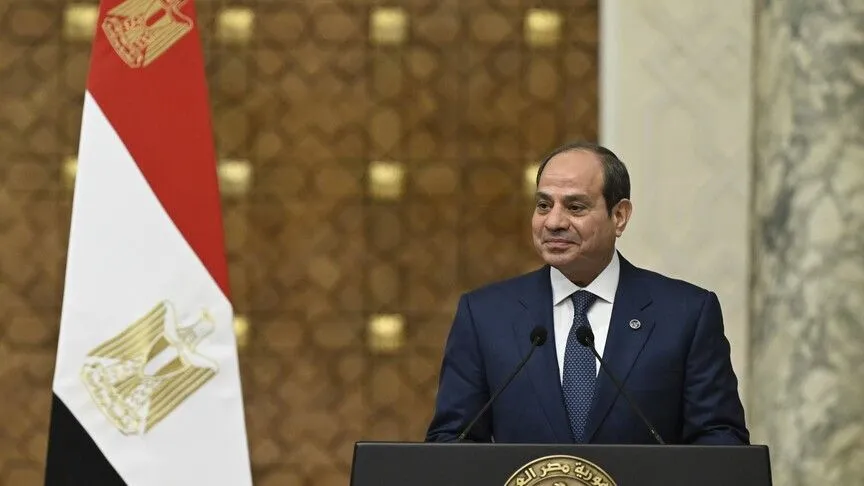
埃及总统阿卜杜勒-法塔赫·塞西周三重申,不允许任何人篡改该国宪法,并警告针对虚假信息运动以及操纵公众认知、煽动动荡的企图。
Egyptian President Abdel Fattah al-Sisi reaffirmed Wednesday that no one will be allowed to tamper with the country’s Constitution, warning against disinformation campaigns and attempts to manipulate public awareness and provoke unrest.
在武装部队第44届文化研讨会上发言时,塞西强调宪法经埃及人民批准,不得违背。
Speaking at the 44th Cultural Symposium of the Armed Forces, Sisi stressed that the Constitution had been approved by the Egyptian people and must not be violated.
总统说:“国家有一部宪法——一部人民为国家批准的宪法”,并补充道:“没有人能动它。”塞西将维护宪法与维护国家稳定联系起来,认为谣言和蓄意扭曲公众认知的企图可能加剧紧张局势,并从内部动摇国家。
“The country has a constitution—a constitution that the people approved for the state,” the president said, adding that "no one will touch it." Sisi linked the protection of the Constitution to the preservation of national stability, arguing that rumors and deliberate attempts to distort public awareness could fuel tensions and undermine the state from within.
他说,近几个月来的谣言和煽动舆论企图,是旨在破坏埃及稳定、煽动动荡的努力的一部分。他呼吁国家机构和社会共同承担责任,通过提高公众认知、澄清事实来应对此类运动。
He said rumors and attempts to provoke public opinion in recent months formed part of efforts aimed at destabilizing Egypt and fomenting unrest. He called on state institutions and society to share responsibility for confronting such campaigns by raising public awareness and clarifying facts.
总统还警告称,让国家面临类似2011年所见的动荡,将给埃及的稳定及其承受能力带来严重后果。
The president also warned that exposing the country to disturbances similar to those witnessed in 2011 would carry serious consequences for Egypt’s stability and its ability to endure.
他敦促各年龄段埃及人坚守对国家的承诺,强化认知,抵制破坏国家凝聚力的企图。
He urged Egyptians of all ages to remain committed to their country, strengthen their awareness and resist attempts to undermine national cohesion.
“建设你们的国家,使其抵御这场阴谋。我不是说建设总统,”塞西说,强调维护国家应优于保护任何个人。
“Fortify your country against this conspiracy. I am not saying fortify the president,” Sisi said, emphasizing that safeguarding the state should take precedence over protecting any individual.