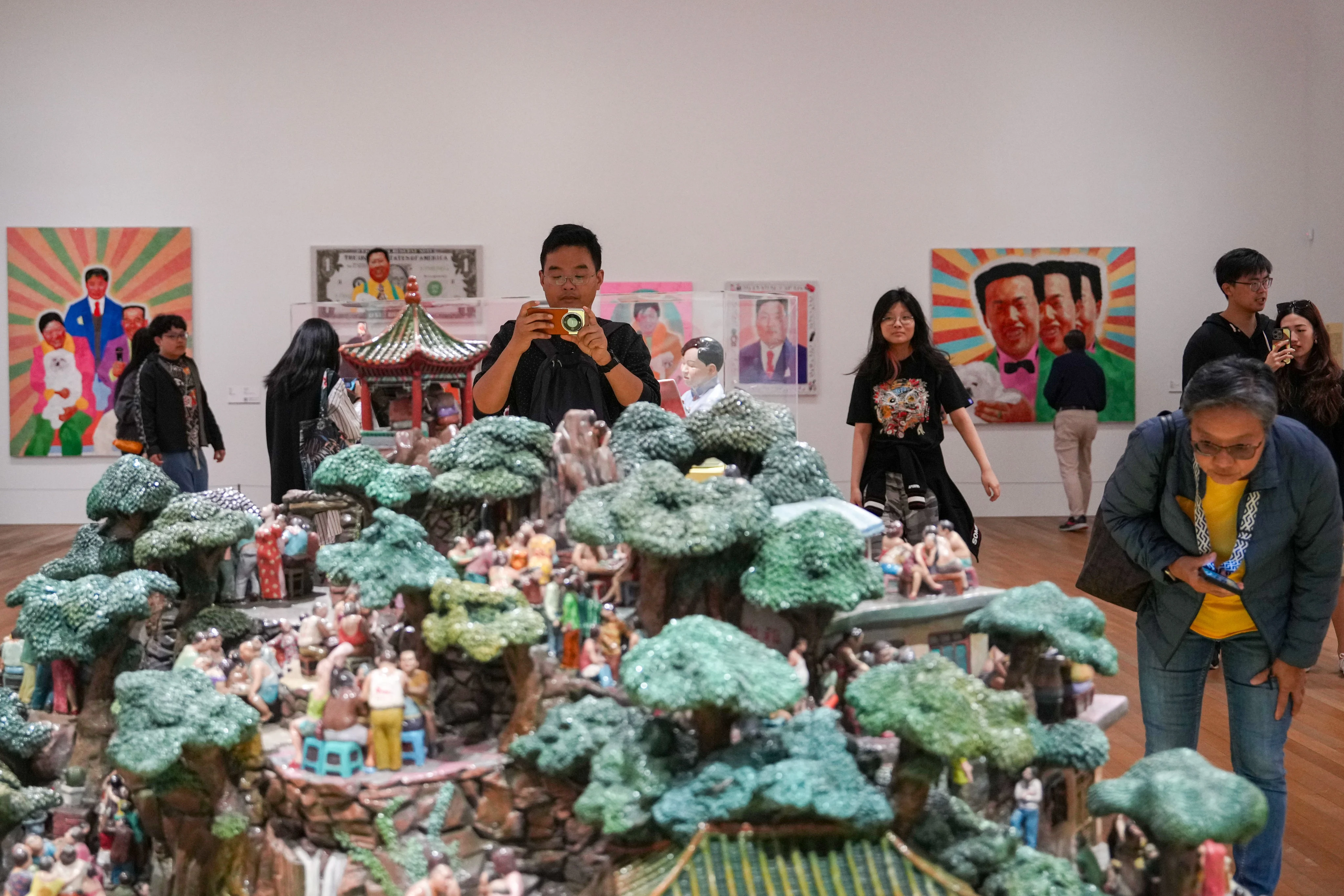
香港西九文化区如今愈发充满活力。2025年,访客量突破1700万人次,较上一年增长了10%以上。今年以来,这里共举办了1300多场展览、演出及各类文化活动,其中包括在香港故宫文化博物馆举办的备受赞誉的古埃及文物特展。门票收入、赞助款项以及文创产品销售额合计增长19%,达到7.68亿港元(约合9800万美元)。无论从哪个文化指标来看,该文化区都正在实现其打造世界级艺术中心的愿景。
Hong Kong’s West Kowloon Cultural District (WKCD) has never looked more vibrant. Visitor numbers climbed to over 17 million in 2025, up more than 10 per cent from the previous year. Since this year, more than 1,300 exhibitions, performances, programmes and events have been held, including the much-acclaimed showcase of ancient Egyptian treasures at the Hong Kong Palace Museum. Revenue from tickets, sponsorships and cultural and creative products jumped 19 per cent to HK$768 million (US$98 million). By any cultural metric, the district is fulfilling its promise as a world class arts hub.
然而,最近提交给立法会的最新数据却揭示了这一机构宏伟目标背后一个令人不安的现实:尽管多年努力不懈,文化领域的成功尚未转化为财务上的自给自足。目前,该机构的运营赤字已高达9.98亿港元,较上一年的7.69亿港元增加了30%,其财务可持续性仍是一个长期难题。
But the latest figures presented to the Legislative Council lay bare an uncomfortable truth behind the authority’s lofty mission. Despite years of hard work, the cultural success has yet to translate into financial self-sufficiency. With the authority’s operating deficit hitting HK$998 million, up 30 per cent from HK$769 million a year before, sustainability remains a long-term concern.
该机构淡化了近10亿港元巨额财政缺口的问题,声称情况仍在可控范围内。赤字上升的部分原因在于利息收益减少,以及运营成本因即将落成的演艺中心建设、访客量增加及设施技术升级而上涨13%,达到18.5亿港元。该机构对未来财政状况仍持乐观态度,预计今后住宅及其他商业开发项目带来的收入也将逐步增加。
The authority has played down the nearly HK$1 billion gaping financial hole, saying it remains under control. The higher deficit was partly attributed to lower interest returns and operating costs spiralling 13 per cent to HK$1.85 billion, driven by preparations for the soon-to-open performing arts centre, higher visitor numbers and upgraded facilities and technology. The authority remains optimistic about its fiscal health as revenues from residential and other commercial developments are expected to increase in the future.
这种财政压力并非香港独有。全球众多顶尖文化机构同样高度依赖政府补贴、捐赠基金及慈善捐助来维持运营。香港故宫文化博物馆与M+当代艺术馆在2026-27年度的成本回收率均达到约50%,这一水平与全球同类机构相比毫不逊色甚至更优。不过,作为一个采用自负盈亏模式的新兴大型艺术中心,西九文化区所面临的挑战绝不可掉以轻心。
The financial pressure is not unique to Hong Kong. Many top overseas institutions rely heavily on public subsidies, endowments and philanthropy to balance their books. The flagship Hong Kong Palace Museum and M+ contemporary art gallery are on par or better than some global peers in achieving a cost recovery rate of about 50 per cent in 2026-26. But as a fledgling mega arts hub operating on a self-financing model, the challenges must not be taken for granted.
该机构已采取积极措施以稳定财务状况。通过发行10亿美元债券,以及获得中国工商银行(亚洲)提供的30亿港元、期限10年的贷款,其短期现金流压力得以缓解,各项文化项目也得以照常推进。这些举措显示出市场信心:未来土地出售、租金收入及各类文化活动均有望为债务偿还提供保障。预计明年艺术家广场塔楼竣工后,办公、零售及娱乐空间将带来稳定的租金收入;而定于2027年上半年启动的首批住宅地块招标,则有望在未来带来更丰厚的回报。
The authority has taken positive steps to stabilise its finances. A US$1 billion bond programme and a HK$3 billion 10-year loan facility from ICBC (Asia) have eased immediate cash flow pressures and averted cutbacks in programming. These moves signal market confidence that future land sales, rental income and cultural activities can support repayment. The completion of the Artist Square Towers next year is expected to bring steady rental revenue from office, retail and entertainment space, while the tender of the first residential package, expected in the first half of 2027, promises a larger return further down the road.
然而,借贷资金与临时措施绝非世界级艺术枢纽的长远解决方案。2008年政府为该文化区拨款216亿港元作为初始基金,初衷是依靠西九文化区管理局自身的收入及商业开发来实现资金可持续运转。2025年,该管理局为本地生产总值贡献了108亿港元,创造了14,270个全职等效就业岗位,并为政府带来9.1亿港元的税收。
But borrowed money and time are no long-term solution for a world-class arts hub. The cultural district’s original endowment of HK$21.6 billion by the government in 2008 was intended to be sustained by WKCD’s own income and commercial development. The authority contributed HK$10.8 billion to gross domestic product in 2025, creating 14,270 full-time equivalent jobs and generating tax contributions of HK$910 million for the government.
尽管成绩斐然,但若缺乏长期稳健的财务运作作为支撑,这些经济效益仍难以持久。如今基金储备日益减少、赤字持续存在,将西九文化区打造为自我维持的生态系统已变得刻不容缓。
Impressive as that seems, the economic benefits are fragile if they are not underpinned by financially sound operations in the long run. With the funding depleting and deficits persisting, the imperative to turn WKCD into a self-sustaining ecosystem has never been stronger.
随着香港首份五年规划的出台,西九文化区的使命被进一步提升。该规划紧扣国家发展目标,旨在将香港建设为东西方文化交流的中心。如今,该文化区已不再仅仅是一个丰富市民生活的本地艺术场所,更被正式视为香港软实力的重要组成部分,肩负着作为世界桥梁、向世界讲述香港与祖国美好故事的重任。要实现这一使命,不仅需要丰富多彩的文化活动,更离不开财务上的可持续发展。
The stakes have been raised as WKCD’s mission has been further elevated by the city’s first five-year plan that aligns with national development goals, under which the city is to become an East-meets-West centre for international cultural exchange. Far from being just a local arts venue to enrich city life, the cultural district has been officially recognised as part of the city’s soft power, with a mandate to act as a bridge to the world and to tell good stories of Hong Kong and the motherland. The mission requires not only rich cultural offerings but also financially sustainable operations.
西九文化区在提升自身在全球文化艺术版图中的地位方面已取得显著进展,但其潜力尚未得到充分释放。明年,这座表演艺术中心将正式启用,届时将拥有可容纳1450人的大剧院、600座的中型剧院、270座的实验剧场、148座的音乐厅,以及全港首个专为舞蹈艺术设立的“舞蹈之家”。相关机构务必善用这些新设施,并充分利用周边商业开发带来的机遇,方能让这一文化艺术枢纽真正发展成为一个可持续运作、促进东西方文化交流的全球性平台。
WKCD has come a long way in making its mark on the world’s map of art and culture. Yet its full potential is far from maximised. The performing arts centre is to open next year, providing a 1,450-seat Grand Theatre, a 600-seat Medium Theatre, a 270-seat Studio Theatre, The Hall with 148 seats, and “Dancehouse”, the first dedicated venue for dance arts in the city. The authority must make good use of the new facilities and capitalise on the commercial development so that the arts hub can truly rise to the challenge as a sustainable East meets West centre for global cultural exchange.