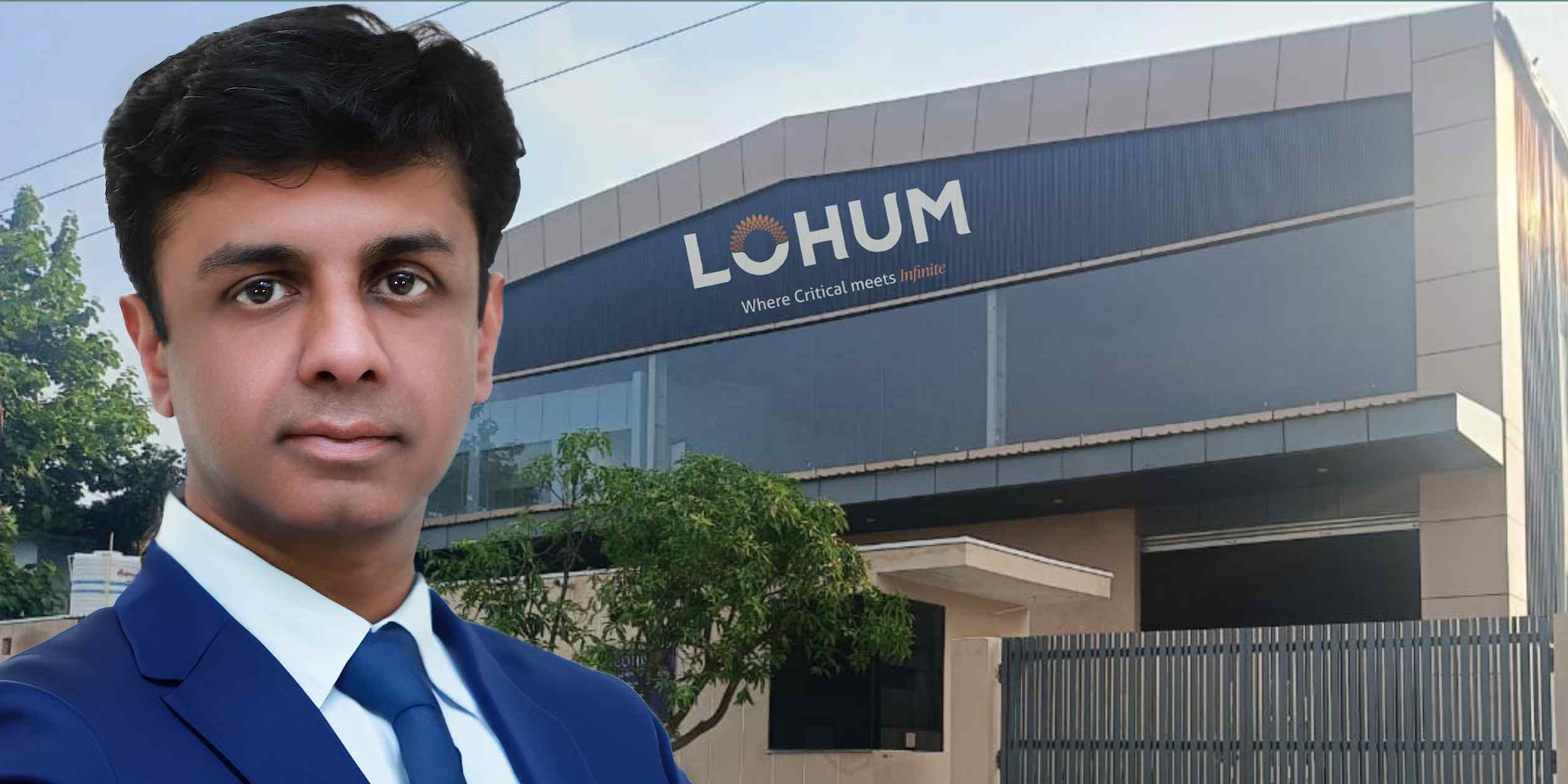
班加罗尔 — 关键矿产公司洛姆(Lohum)上个月成为印度首家开展海外锂矿开采业务的企业,其创始人兼首席执行官拉贾特·维尔马(Rajat Verma)向《日经亚洲》透露,公司计划通过建设年产3万吨国内锂碳酸盐精炼能力,瞄准国内电动汽车市场。
BENGALURU -- Critical minerals company Lohum, which last month became India's first business to begin overseas lithium mining operations, plans to target the domestic electric vehicle market by setting up 30,000 metric tons of annual domestic lithium carbonate refining capacity, founder and CEO Rajat Verma told Nikkei Asia.
印度目前对锂、钴和镍仍完全依赖进口,这些矿产被印度列为清洁能源转型的关键资源,因为它们对电动汽车、可再生能源储存以及更广泛的清洁能源基础设施至关重要。根据行业估计,全球超过70%的锂精炼产能集中在中国。
India remains fully import-dependent for lithium, cobalt and nickel, which are minerals it has identified as critical for its clean energy transition because they are essential for EVs, renewables storage and broader clean energy infrastructure. According to industry estimates, over 70% of the global lithium refining capacity is concentrated in China.
维尔马表示:“锂是我们不想依赖中国或任何单一国家的领域。”他补充道:“印度坦率地说,是一个能够以与中国相似的成本结构运营的国家。”洛姆在津巴布韦的锂矿开采和加工业务标志着印度在海外确保关键矿产供应、同时建设国内加工能力以将这些矿产转化为电池材料方面迈出的早期一步。该公司成立于2018年,起初从锂离子电池回收关键矿产,再到汽车催化剂的再利用起步;如今,公司计划扩大初级锂和镍原料的精炼业务,以实现到2029年收入达1000亿卢比(约10.5亿美元)的目标。
"[Lithium] is an area where we don't want to be beholden to China or to any one particular country," Verma said. "And India, quite honestly, is a country which can operate at similar cost structures as that of China." Lohum's lithium mining and processing operations in Zimbabwe mark an early step in India's efforts to secure critical minerals overseas while building domestic capacity to process them into battery materials. The company, founded in 2018, began with domestic critical mineral recycling from lithium-ion batteries to auto catalysts -- and is now planning to expand into refining of primary lithium and nickel feedstocks as it targets revenue of 100 billion rupees ($1.05 billion) by 2029.
未来12至18个月,洛姆将在津巴布韦建设一座工厂,将锂矿石加工为硫酸锂,总投资额为1亿美元。硫酸锂随后将运往印度,在那里进一步精炼为锂碳酸盐。维尔马预计,达到规划的3万吨年产能可能需要长达三年时间。
Over the next 12 to 18 months, Lohum will set up a plant in Zimbabwe to process the lithium ore into lithium sulphate, with a total investment of $100 million in the country. The sulphate will then be shipped to India, where it will be refined into lithium carbonate. Verma anticipates that reaching the planned 30,000 tons of capacity could take up to three years.
维尔马表示,鉴于津巴布韦自身对原矿出口的限制——该国正试图维护对国家资源的自主权——在津巴布韦建设加工能力对洛姆而言至关重要。
Setting up processing capacity in Zimbabwe was critical for Lohum, Verma said, given the African nation's own restrictions on exporting raw ore as it seeks to maintain autonomy over its national resources.
“在国际司法管辖区开展行动总是充满挑战,” 维尔玛说。“我们的目标不仅仅是夺走津巴布韦的锂。” 洛胡姆是印度少数几家正在建设阴极材料制造工厂的公司之一,因为该国正竞相建设自己的电池供应链。阴极和阳极材料,以及电解质和隔膜,共同构成了为电动汽车提供动力并支撑储能系统的电池电芯,而储能对于应对可再生能源的波动性至关重要。
"Carrying out an operation in international jurisdictions is always fraught with challenges," Verma said. "Our goal was not just to take out Zimbabwe's lithium." Lohum is among the handful of companies in India setting up cathode materials manufacturing plants as the country races to build its own battery supply chain. Cathode and anode materials, along with electrolytes and separators, make up the battery cells that power EVs and underpin energy storage, which is vital to addressing the variability of renewable power.
精炼后的碳酸锂将供应洛胡姆价值200亿卢比、年产2万吨的阴极材料工厂。维尔玛表示,该公司还可能向其他正在建设此类工厂的公司供应精炼锂。
The refined lithium carbonate will feed Lohum's 20 billion rupee, 20,000-ton cathode materials plant. The company could also supply the refined lithium to other companies setting up such plants, Verma said.
印度汽车公司如 ola 电动和阿马拉拉贾已经开始或正计划推出更昂贵的 NMC 电池电芯,这是一种使用镍、锰和钴制成阴极的锂离子电池类型,鉴于中国对更便宜的磷酸铁锂(LFP)化学及其相关技术的掌控。
Indian automotive companies such as Ola Electric and Amara Raja have started or are planning rollouts of more expensive NMC battery cells, a type of lithium-ion cell that uses cathodes made of nickel, manganese and cobalt, given China's grip on the cheaper lithium-iron-phosphate (LFP) chemistry and associated technology.
维尔玛表示,洛胡姆的阴极材料工厂将服务于 NMC 化学体系。
Lohum's cathode materials plant will cater to NMC chemistry, Verma said.
“我们的感觉是,在任何给定的时间点,印度电动汽车市场中有 30% 至 35% 将采用 NMC,” 他表示。“印度的许多电芯制造商已经建立或正在建立他们的 NMC 生产线。”
"The sense that we have is at any given point of time, 30% to 35% of the Indian EV market will be on NMC," he said. "A lot of cell manufacturers in India have already set up or are in the process of setting up their NMC lines.
“国际市场,尤其是美国,也非常依赖 NMC。” 他补充说,储能不太可能成为洛胡姆的重点领域,因为 LFP 在该领域占主导地位。
"The international market, particularly the U.S., is also very NMC heavy." He added that energy storage is unlikely to be an area of focus for Lohum, as LFP dominates in that area.
维尔玛表示,洛胡姆也正处于在印度尼西亚和菲律宾等国家探索镍矿开采的早期阶段,以供其阴极材料工厂使用。该公司目前通过其在印度古吉拉特邦的电池回收业务每年生产约1000吨镍,这仅是其所需量的一小部分。
Lohum is also in early stages of exploring nickel mining in countries like Indonesia and the Philippines for its cathode plant, Verma said. The company currently produces about 1,000 tons of nickel a year through its battery recycling operations in the Indian state of Gujarat, a fraction of what it needs.
维尔玛表示,为了获得更多此类海外资产,印度公共和私营部门之间的合作是必要的。他补充说,将私营企业的灵活性与公营企业所拥有的“政府所有权印章”相结合,可以使这一过程更快速、更容易。
Verma said that collaboration between India's public and private sectors is needed to secure more such overseas assets, adding that combining the agility of private companies with the "stamp of government ownership" that public sector businesses have could make the process faster and easier.
基于他与政府的对话,维尔玛表示,一旦国内锂精炼产业起步,官员们愿意通过补贴以及对进口实施关税和非关税壁垒来支持该产业。
Based on his conversations with the government, Verma said that officials are open to interventions to support the domestic lithium refining industry once it takes off, using both subsidies and tariff and nontariff barriers on imports.
“当一个国家对市场有着巨大的控制力时,可能会出现大幅的价格波动。我们不希望该行业仅仅因为有人希望它倒塌而崩溃,”维尔玛说。“在我看来,政府对干预的想法持相当开放的态度,这样我们就能争取到所需的时间,真正在国内建立起能力。”
"When the market is controlled heavily by one nation, there can be a lot of price volatility. We don't want the industry to collapse simply because there is someone else who wants the industry to collapse," Verma said. "The government, in my opinion, is quite open to the thought of intervention so we give ourselves the time needed to actually build the capabilities in the country."