
肯尼亚对输入性埃博拉病例的应对展示了其在首都动员全国性应对的能力。
Kenya’s response to an imported Ebola case has demonstrated its ability to mobilise a national response in the capital.
但东北部瓦吉尔县出现的一例疑似病例引发了一个关键问题:该国的防范措施是否能够保护远离主要医院、实验室和交通枢纽的社区。
But a suspected case in the northeastern county of Wajir has raised a critical question: whether the country’s preparedness measures can protect communities far from major hospitals, laboratories and transport hubs.
根据县官员的说法,瓦吉尔县的疑似病例检测结果为阴性,缓解了人们对更广泛传播的担忧。然而,这一事件凸显了当地卫生设施能够识别疑似感染、安全隔离患者并向居民传达可靠信息的重要性。
The suspected case in Wajir tested negative, according to county officials, easing fears of wider transmission. Yet the incident highlighted the importance of local health facilities being able to recognise suspected infections, isolate patients safely and communicate reliable information to residents.
对于靠近肯尼亚边境的社区而言,防范工作不仅仅是筛查机场和官方过境点的旅客。
For communities near Kenya’s borders, preparedness requires more than screening travellers at airports and official crossings.
它还依赖于受过培训的卫生工作者、适当的防护装备、功能正常的隔离设施以及清晰的转诊程序。居民必须知道在何处寻求医疗,以及当卫生当局发出警报时应如何应对。
It also depends on trained health workers, appropriate protective equipment, functioning isolation facilities and clear referral procedures. Residents must know where to seek care and how to respond when health authorities raise the alarm.
瓦吉尔的防范能力正接受审查。瓦吉尔县传播主管加拉德·萨尼·穆罕默德对半岛电视台表示,该县在瓦吉尔镇设立了隔离中心,并组建了快速反应小组以加强防范。
Wajir’s readiness under scrutiny Garad Saney Mohamed, communications director for Wajir county, told Al Jazeera that the county had established an isolation centre in Wajir town and formed a rapid response team to strengthen its preparedness.
他还说,该县也在利用广播宣传、社区卫生推广员、学校卫生项目和海报来提高人们对埃博拉的认识。他补充说,防范计划和预算已经制定并投入使用。
He said the county was also using radio campaigns, community health promoters, school health programmes and posters to raise awareness about Ebola. A preparedness plan and budget had been put in place, he added.
然而,该县未提供隔离中心的容量、专门接受埃博拉应对培训的卫生工作者人数,或用于这些工作的预算分配情况。缺乏这些信息,很难评估该县是否具备安全管理疑似感染或应对更广泛疫情所需的人员和资源。
However, the county did not provide details on the isolation centre’s capacity, the number of health workers trained specifically in Ebola response or the budget allocated to these efforts. Without that information, it is difficult to assess whether the county has the personnel and resources needed to manage suspected infections safely or respond to a wider outbreak.
疑似病例涉及一名20岁男子,他于9月20日从刚果民主共和国出发,经乌干达前往其位于瓦吉尔的住所。他在出现严重发热性疾病后,被送往瓦吉尔南部哈巴斯韦因次县医院进行评估。
The suspected case involved a 20-year-old man who had travelled from the Democratic Republic of the Congo through Uganda before reaching his home in Wajir on September 20. He was assessed at Habaswein Subcounty Hospital in Wajir South after presenting with a severe febrile illness.
根据县官员的说法,他的样本检测结果为埃博拉病毒阴性。他将在接受医疗护理的同时继续接受观察。
His sample tested negative for Ebola, according to county officials. He was to remain under observation while receiving medical care.
该病例促使采取了预防性行动,但尚未确定瓦吉尔更广泛的应急准备系统在疫情爆发期间是否足够。这将取决于多种因素,包括防护设备的可用性、接受过感染预防和控制培训的工作人员、安全的样本运输以及当地医疗机构与指定检测实验室之间可靠的联系。
The case prompted precautionary action, but it does not establish whether Wajir’s wider preparedness systems would be sufficient during an outbreak. That would depend on factors including the availability of protective equipment, staff trained in infection prevention and control, safe sample transport and reliable links between local facilities and designated testing laboratories.
瓦吉尔靠近索马里,索马里位于其东侧110公里(70英里)处,且人员和货物跨境流动频繁,使得监测和公众沟通尤为重要。正式入境点的筛查仍然必不可少,但它无法取代当地医疗机构和社区卫生工作者识别警示信号并引导人们接受适当护理的能力。
Wajir’s proximity to Somalia, which lies 110km (70 miles) to the east, and the movement of people and goods across the border make surveillance and public communication particularly important. Screening at formal entry points remains essential, but it cannot replace the ability of local health facilities and community health workers to recognise warning signs and guide people towards appropriate care.
肯尼亚的全国应对措施在一起病例与一名从刚果民主共和国经乌干达前往肯尼亚的旅行者相关联后加强。根据世界卫生组织(WHO)的信息,该患者于10月3日抵达内罗毕,被诊断为患有捆迪布尤病毒(埃博拉病毒的一种亚型),并于10月5日死亡。肯尼亚于10月6日向世卫组织通报了该病例。
National screening, local challenges Kenya’s national response intensified after an Ebola case was linked to a Kenyan travelling from the Democratic Republic of the Congo through Uganda. The patient arrived in Nairobi on October 3, was diagnosed with Bundibugyo virus of the disease and died on October 5, according to the World Health Organization (WHO). Kenya notified the WHO on October 6.
该患者在刚果民主共和国居住期间发病,随后乘车前往坎帕拉,再飞往内罗毕。根据卫生部的信息,国家病毒学参考实验室和肯尼亚医学研究所的实验室检测确认了感染。
The patient had fallen ill while living in the Democratic Republic of the Congo and travelled by road to Kampala before flying to Nairobi. Laboratory tests at the National Virology Reference Laboratory and the Kenya Medical Research Institute confirmed the infection, according to the Ministry of Health.
10月14日,肯尼亚确认了一起布迪布戈病毒病的第二例病例,涉及一名39岁男子,他是首例患者的近亲家庭成员。他在10月13日出现发热、疲劳和关节疼痛等症状时,已经处于隔离状态并接受每日监测。
On October 14, Kenya confirmed a second case of Bundibugyo virus disease involving a 39-year-old man who was a close family member of the first patient. He was already in quarantine and under daily monitoring when he developed symptoms, including fever, fatigue and joint pains, on October 13.
实验室检测确认了感染,随后他被转至指定治疗中心接受支持性治疗。卫生部表示,这两起病例存在关联,且目前没有证据表明病毒在更广泛的社区中传播。
Laboratory tests confirmed the infection, and he was transferred to a designated treatment centre for supportive care. The Ministry of Health said the two cases were linked and there was no evidence of transmission in the wider community.
随后,当局加强了入境点的监控、接触者追踪以及公众沟通。瓦吉尔的阴性检测结果凸显了及时调查疑似感染并通过实验室检测确定病毒是否存在的重要性。
Authorities subsequently intensified surveillance at points of entry, contact tracing and public communication. The negative test result in Wajir underscored the importance of investigating suspected infections promptly and using laboratory testing to establish whether the virus is present.
根据卫生部的数据,截至10月6日,肯尼亚已筛查652,584名旅客,检测了267份样本,并培训了4,971名医护人员进行埃博拉防控和管理。
As of October 6, Kenya had screened 652,584 travellers, tested 267 samples and trained 4,971 healthcare workers in Ebola prevention and management, according to the Ministry of Health.
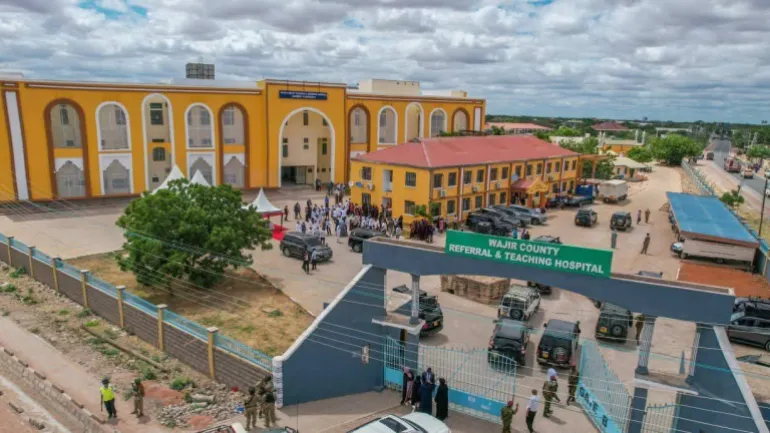
瓦吉尔的卫生设施位于疑似传染病病例检测和应对的前线[文件:哈夫萨·谢赫/半岛电视台]。截至10月12日,世界卫生组织报告称,已筛查超过665,000名旅客,登记了127名接触者,其中94人处于隔离状态。已有五个实验室被指定用于该病的检测,近5,000名医护人员接受了培训。
Wajir’s health facilities are on the front line of detecting and responding to suspected infectious disease cases [File: Hafsa Sheikh/Al Jazeera] By October 12, the WHO reported that more than 665,000 travellers had been screened and 127 contacts had been listed, with 94 in quarantine. Five laboratories had been designated to test for the disease, and nearly 5,000 health workers had received training.
这些数据展示了全国应对行动的规模。但仅凭筛查的旅客人数或培训的医护人员数量,无法单独说明这些资源的分配是否有效,或各个县是否能够自行管理疑似感染。
These figures demonstrate the scale of the national response. But the number of travellers screened or health workers trained does not, on its own, establish how effectively those resources are distributed or whether individual counties can manage suspected infections.
对于瓦吉尔,关键问题在于当地设施的准备情况、受训人员和防护装备的可用性,以及样本送检的速度。该县已列出其采取的措施,但现有信息无法全面反映其运营能力。
For Wajir, the key questions concern the readiness of local facilities, the availability of trained personnel and protective equipment, and the speed with which samples can be transported for testing. The county has outlined the measures it has taken, but the available information does not provide a complete picture of its operational capacity.
准备工作不仅仅是数字问题。卫生工作者需要识别疑似病例、遵循感染预防规程、安全采集和运送样本,并在不暴露他人的情况下转诊患者。设施也必须配备适当的防护装备,并制定明确的疑似感染管理程序。
Preparedness means more than the numbers Health workers need to recognise suspected cases, follow infection-prevention protocols, collect and transport samples safely, and refer patients without exposing others. Facilities must also have appropriate protective equipment and clear procedures for managing suspected infections.
世界卫生组织报告称,肯尼亚全国准备得分从5月的66%上升至7月的82%。评估内容包括监测、实验室检测、隔离和治疗设施以及受训应对团队。
The WHO reported that Kenya’s national preparedness score rose from 66 percent in May to 82 percent in July. The assessment covered measures including surveillance, laboratory testing, isolation and treatment facilities, and trained response teams.
这一提升表明,在输入病例被确认之前,准备措施已经有所进展。然而,全国得分无法确定每个县是否具备有效应对所需的设备、人员配备和转诊安排。对地方能力的评估对于发现全国数据可能未揭露的缺口至关重要。
The improvement suggests that preparedness measures had advanced before the imported case was confirmed. However, a national score cannot establish whether every county has the equipment, staffing and referral arrangements needed to respond effectively. Assessments of local capacity are essential to identifying gaps that national figures may not reveal.
肯尼亚红十字会也支持了准备工作和公众宣传。该组织代表保罗·奥莱莱博士向半岛电视台谈及了一项准备评估。但现有信息未确立该组织单独数据的依据,难以判断其所测量的内容或是否发现了县级薄弱环节。
The Kenya Red Cross has also supported preparedness and public awareness efforts. Dr Paul Olale, a representative of the organisation, told Al Jazeera about a preparedness assessment. However, the basis of the separate figure attributed to the organisation was not established in the information available for this report, making it difficult to determine what it measured or whether it identified county-level weaknesses.
该组织强调了应对错误信息的必要性。疫情爆发期间,谣言可能导致人们对症状、病毒传播方式以及是否应就医产生不确定。
The organisation has highlighted the need to counter misinformation. During an outbreak, rumours can leave people uncertain about symptoms, how the virus spreads and whether they should seek medical attention.
对于居民而言,信息需要具有实用性。人们应该知道在哪里寻求医疗,如何报告疑似病例,以及在等待医疗建议期间应采取什么措施。沟通还必须消除污名化,并让人们放心,报告疑似病例有助于保护他们的家庭和社区。
For residents, information needs to be practical. People should know where to seek care, how to report a suspected illness and what to do while awaiting medical advice. Communication must also address stigma and reassure people that reporting a suspected illness can help protect their families and communities.
社区健康推广员、当地广播电台、学校和受信任的社区领袖可以帮助以居民能够理解的语言和形式传递信息。但当宣传活动保持一致,并得到能够及时应对担忧的卫生服务支持时,其效果最佳。
Community health promoters, local radio stations, schools and trusted community leaders can help deliver information in languages and formats residents understand. But awareness campaigns are most effective when they are consistent and backed by health services capable of responding promptly to concerns.
瓦吉尔的经历说明,肯尼亚对埃博拉的准备情况不能仅凭全国筛查数据和培训总量来衡量,还应衡量各个县在出现疑似病例时安全应对的能力。
Wajir’s experience illustrates why Kenya’s Ebola preparedness must be measured not only by national screening figures and training totals, but also by the ability of individual counties to respond safely when a suspected case emerges.
隔离中心、快速反应团队和公众宣传活动是有效应对的重要组成部分。然而,它们的存在本身并不能说明设施是否具备充足的设备,工作人员是否能够遵循既定规程,或者居民在需要时是否能够获得可靠的信息。
An isolation centre, a rapid response team and public awareness campaigns are important components of an effective response. Their existence alone, however, does not establish whether facilities have adequate equipment, staff can follow established protocols or residents can access reliable information when they need it.
关于像瓦吉尔县这样的偏远社区在应对潜在埃博拉爆发方面的准备情况仍存在疑问[文件:哈夫萨·谢赫/半岛电视台]。肯尼亚已经展示了动员全国应对、扩大筛查和开展实验室检测的能力。挑战在于确保这些措施不仅在主要交通枢纽发挥作用,还能在偏远社区提供有效保护——在这些地区,获得医疗和及时信息可能更加困难。
Questions remain over how prepared remote communities such as Wajir county are to respond to a potential Ebola outbreak [File: Hafsa Sheikh/Al Jazeera] Kenya has demonstrated its ability to mobilise a national response, expand screening and undertake laboratory testing. The challenge is ensuring that these measures translate into effective protection beyond major transport hubs, including in remote communities where access to healthcare and timely information may be more difficult.
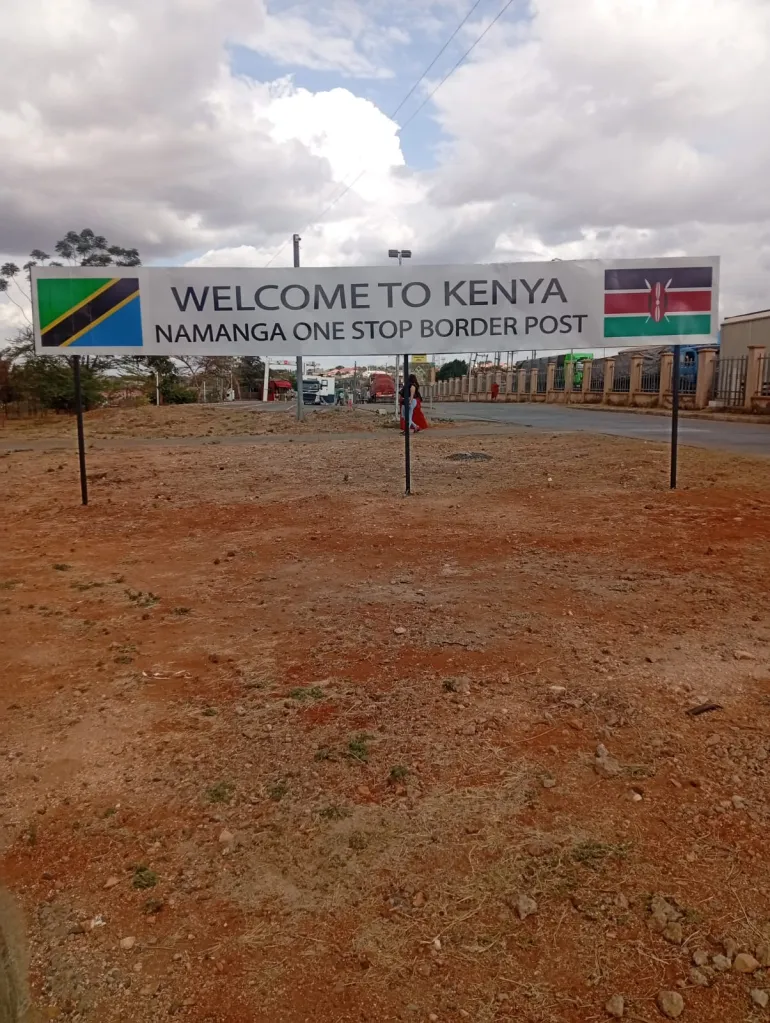
根据世界卫生组织于10月12日发布的声明,肯尼亚公共卫生和专业标准首席秘书玛丽·穆索尼博士代表卫生内阁秘书阿登·杜阿莱发表讲话时,强调了保护一线工作人员的重要性。
Dr Mary Muthoni, Kenya’s principal secretary for public health and professional standards, underscored the importance of protecting frontline staff in remarks delivered on behalf of Health Cabinet Secretary Aden Duale, according to a WHO statement released on October 12.
“这个国家的任何医护人员都不应被要求在没有合适防护装备的情况下接诊疑似埃博拉病例。”
“No health worker in this country should be asked to attend to a suspected Ebola case without the right protective equipment.”