蚊子及其所携带的疾病正在向新的地区扩散。世界卫生组织指出,气温升高、降雨模式变化以及全球人员流动正在改变那些能传播疾病的蚊子得以繁衍的区域。据世卫组织统计,由蚊子叮咬传播的登革热病例在一年内增长了一倍多——2023年全球报告的病例数为650万例,而2024年则创下1460万例的历史新高。
Mosquitoes and the diseases they carry are expanding into new territory. Rising temperatures, changing rainfall patterns, and global travel are reshaping where disease-carrying mosquitoes can thrive, according to the World Health Organization (WHO). Cases of dengue, a viral illness spread by mosquito bites, more than doubled in a year, from 6.5 million reported globally in 2023 to a record 14.6 million in 2024, the WHO says.
总部位于宾夕法尼亚州的初创企业Mosqitter仅有30名员工,该公司认为解决这一问题仅靠杀灭蚊子远远不够。起初,他们研发出一系列无化学成分的装置,这些装置能模拟人体的热量、气味及呼吸特征,从而吸引并捕捉雌蚊。
A 30-person, Pennsylvania-based startup, Mosqitter, thinks fighting that problem requires more than killing mosquitoes. The company started by building chemical-free devices that lure and trap female mosquitoes by mimicking the heat, scent, and breathing cues of humans.
Mosqitter的联合创始人兼首席执行官阿纳斯塔西娅·罗曼诺娃向TechCrunch表示,公司致力于为目前仍高度依赖化学制剂的蚊虫防控市场提供更具可持续性的解决方案。据她介绍,如今已有超过5000台此类装置在五大洲投入使用;而在2022年TechCrunch首次报道这家公司时,其装置数量仅为250余台。目前,这家初创企业正计划将其研发的诱捕装置升级为一套基于人工智能的监测网络,用以识别蚊子种类、追踪其种群数量变化,并及时预警可能出现的疾病风险。
Anastasiia Romanova, co-founder and CEO of Mosqitter, told TechCrunch that the company set out to bring more sustainable mosquito-control products to a market still heavily reliant on chemicals. Romanova says it now has more than 5,000 devices operating across five continents, up from just over 250 when TechCrunch last covered the company in 2022. The startup now wants to turn its traps into an AI-powered monitoring network that can identify mosquito species, track changes in their numbers, and give earlier warnings about emerging disease risks.
Mosqitter于2019年在乌克兰启动研发工作,2021年正式开展商业运营,该公司将这一年视为其市场拓展的起点。最初,团队着重研究蚊子的行为模式:只有雌蚊会叮咬人类,它们在产卵前需要吸食血液;每次产卵周期约为三周,每次可产下100至200枚卵。
Mosqitter began its R&D in Ukraine in 2019 and launched business operations in 2021, which the company considers its official go-to-market year. The company started by examining mosquito behavior. Female mosquitoes, the only ones that bite, seek blood before laying eggs. They lay eggs on a roughly three-week cycle, typically 100 to 200 at a time.
“我们看到了一个契机:如果我们能在雌蚊即将产卵时将其捕获,就有可能减少蚊群数量并遏制其增长,”罗曼诺娃说道。“正因如此,我们结合了多种元素——比如模拟人体皮肤温度的热量、模仿人体皮肤气味的香气,还有光线。在公司的旗舰产品‘Mosqitter Grand’中,我们甚至还加入了二氧化碳来模拟人类的呼吸。”Mosqitter如何运用人工智能技术本周在旧金山市中心举办的TechCrunch初创企业大赛上,Mosqitter作为参赛企业亮相。
“We saw an opportunity: If we could catch the female mosquito at the point when she is about to lay eggs, we could potentially reduce the mosquito population and prevent it from growing,” Romanova said. “That’s why we combined elements such as heat, similar to the temperature of human skin; scent that imitates human skin odor; and light. In the Grand model,” which is the company’s highest-end offering, “we also use CO2 to imitate human breathing.”How Mosqitter uses AI Mosqitter, presenting Wednesday as part of TechCrunch’s storied Startup Battlefield competition happening this week in downtown San Francisco, is using AI to identify the mosquitoes its devices catch.
该公司利用人工智能技术来识别其设备捕获的蚊子种类。罗曼诺娃向TechCrunch介绍称,其计算机视觉系统会分析蚊子的生物学特征以区分不同种类。
Its computer-vision system analyzes biological characteristics to distinguish between species, Romanova told TechCrunch.
为识别蚊子种类,Mosqitter会将图像输入神经网络,再将结果与外部数据库进行比对,最后由昆虫学专家对判定结果进行验证。随后系统会根据这些评估结论的一致性程度给出一个置信度评分。
To identify a mosquito, Mosqitter runs an image through its neural network, checks the result against external datasets, and has entomologists validate the findings. It then assigns a confidence score based on how closely those assessments align.
“你可以把这看作三位‘评委’共同分析案例并作出裁决的过程,”罗曼诺娃解释道。
“You can think about it as three judges analyzing a case and producing a verdict,” Romanova said.
此外,Mosqitter还会将天气、风速及湿度等环境数据输入系统。该公司表示,随着数据积累,未来计划借助这些数据来预测蚊群数量的变化趋势以及潜在的公共卫生风险。
Mosqitter also feeds environmental data, including weather, wind, and humidity, into its system. The company says that as it collects more data, it plans to use those inputs to forecast changes in mosquito populations and potential health risks.
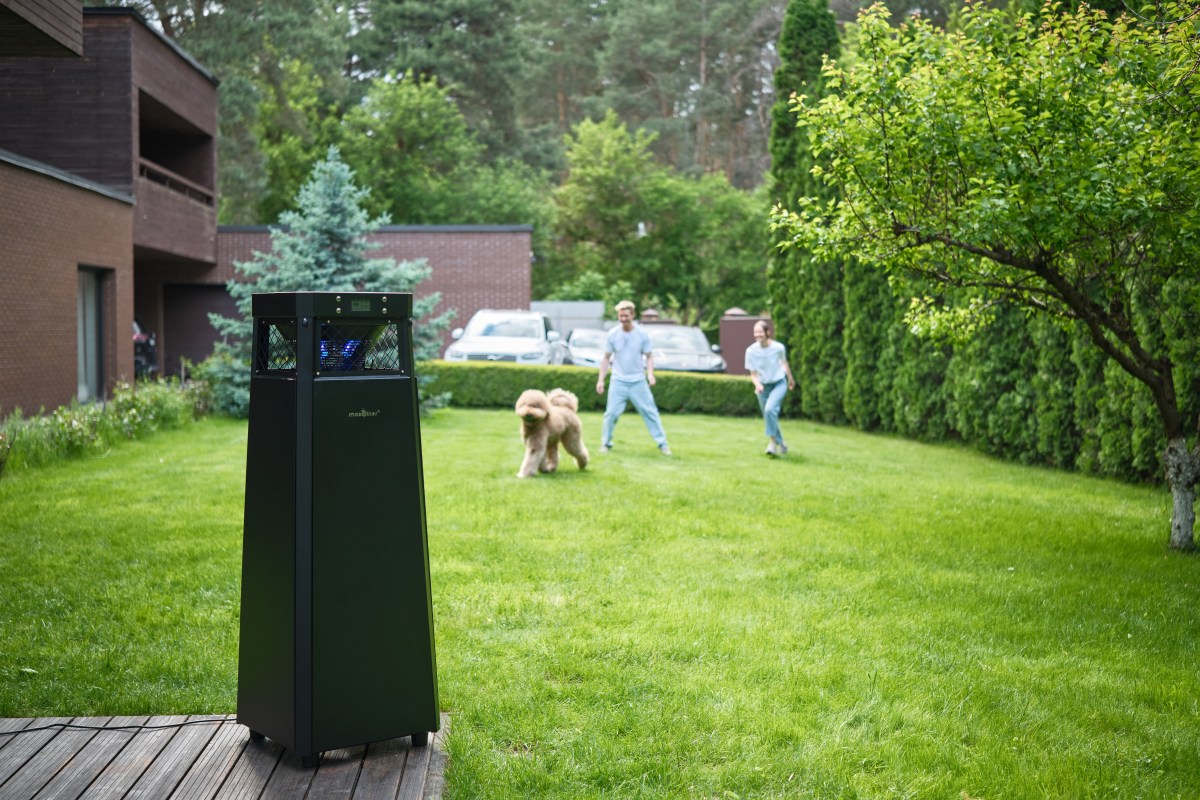
目前Mosqitter的产品线包含两款设备:旗舰产品Mosqitter Grand适用于大面积区域及公共空间;Mosqitter Mini则专为小型住宅区设计,也可作为便携式监测工具使用。这家初创企业计划下个月正式推出Febris监测系统,通过数据手段实时追踪蚊群动态并评估蚊媒疾病的传播风险。
Mosqitter’s product portfolio currently centers on two devices. Mosqitter Grand, its flagship product, is designed for larger areas and public spaces, while Mosqitter Mini targets smaller residential spaces and can also be deployed as a portable monitoring device. The startup plans to officially introduce its Febris Monitoring System next month, adding a data layer to monitor mosquito populations and assess the potential spread of mosquito-borne diseases.
“了解 Febris 并不诊断疾病非常重要,”Romanova 说。“我们无法确定地说某只蚊子携带登革热。我们能说的是某种蚊子在场,知道这一点可以帮助指示该种蚊子可能传播的疾病的潜在风险增加。” Mosqitter 首席运营官兼联合创始人 Olga Diachuk 表示,公司正在全球寻找 B2B 合作伙伴,尤其是拥有成熟销售网络并与政府和零售商保持关系的分销商。与 Mosqitter 的硬件产品不同,Febris 面向机构客户,包括政府、公共卫生和蚊虫防控机构、机场、市政当局以及需要持续蚊虫监测的大学。
“It’s very important to understand that Febris does not diagnose disease,” Romanova said. “We can’t say with certainty that a particular mosquito carries dengue. What we can say is that a particular mosquito species is present, and knowing that can help indicate an increased potential risk associated with diseases that species can transmit.”The company is looking for B2B partners globally, particularly distributors with established sales networks and relationships with governments and retailers, Olga Diachuk, COO and co-founder of Mosqitter, said. Unlike Mosqitter’s hardware products, Febris targets institutional customers, including governments, public-health and mosquito-control agencies, airports, municipalities, and universities that need continuous mosquito monitoring.
巴西是 Mosqitter 扩张的一个例子,该国登革热负担沉重。Mosqitter 已在巴西建立本地制造和销售业务,创始人们称。该初创公司还将美国、希腊、印度、乌克兰和尼日利亚视为关键市场,并在每个市场采用不同的销售方式。
Brazil, which has a high burden of dengue, is one example of Mosqitter’s expansion. Mosqitter has built local manufacturing and sales operations there, according to the co-founders. The startup also considers the U.S., Greece, India, Ukraine, and Nigeria key markets, and it uses a different sales approach in each.
在希腊,Mosqitter 与一家历史悠久的害虫防治公司合作。美国市场则通过亚马逊和公司自有网站直接向消费者销售 Mini 设备。公司还正与英国卫生安全局合作,在包括希思罗和盖特威克机场在内的地点部署 Febris。国际旅行可能将蚊子及蚊媒疾病从其他地区带入,Romanova 说这凸显了更持续监测的必要性。
In Greece, Mosqitter works with a long-established pest-control company. In the U.S., it sells its Mini device directly to consumers through Amazon and its own website. The company is also working with the U.K. Health Security Agency to deploy Febris at locations including Heathrow and Gatwick airports. International travel can bring in mosquitoes and mosquito-borne diseases from other regions, and Romanova says this highlights the need for more continuous monitoring.
“我们认为,随着 Febris 监测系统的推广,这部分业务有望大幅增长,因为政府是蚊虫监测数据的主要买家,”Romanova 说。
“We think this part of the business could grow substantially with the Febris Monitoring System because governments are major buyers of mosquito-surveillance data,” Romanova said.
Mosqitter Mini 零售价为 199 美元,专业版 Grand 系统售价为 1,999 美元。公司通过硬件销售获利,而 Febris 则通过监测、仪表盘、分析和数据服务提供经常性收入。
Mosqitter Mini retails for $199, while its professional Grand system costs $1,999. The company makes money from hardware sales, while Febris adds a recurring revenue stream from monitoring, dashboards, analytics, and data services.
Mosqitter 预计将在 2026 年实现超过 100 万美元的收入,Romanova 表示。Febris 的收入仅最近才开始进入账目,但公司预测,基于其目前正在竞标的合同价值,数据业务明年可能带来超过 350 万美元的收入。
Mosqitter is on track to generate more than $1 million in revenue in 2026, Romanova said. Revenue from Febris has only recently started coming in, but the company projects the data business could bring in more than $3.5 million next year, based on the value of contracts it is currently bidding on.
Mosqitter正计划分两批筹集总计500万美元的资金,首批将筹集100万美元,随后再筹集400万美元。这家初创企业表示,这样的分期安排与其计划借助“Febris监测系统”实现的各项阶段性目标密切相关。截至目前,Mosqitter累计已筹集到190万美元。
Mosqitter is raising a $5 million round in two tranches, starting with $1 million and followed by another $4 million. The startup said the split is tied to milestones it plans to reach with its Febris Monitoring System. To date, Mosqitter has raised $1.9 million.
名字背后也有一个故事。尽管大多数人认为“Mosqitter”是“蚊子”和“退出者”的组合,但Diachuk说,实际上它结合了“蚊子”和“吃掉者”,这个名字在公司主要专注于捕捉蚊子时更有意义。
There’s also a story behind the name. Despite what most people assume, “Mosqitter” isn’t a mashup of “mosquito” and “quitter,” Diachuk said. It combines “mosquito” and “eater,” a name that made more sense when the company was focused primarily on catching mosquitoes.