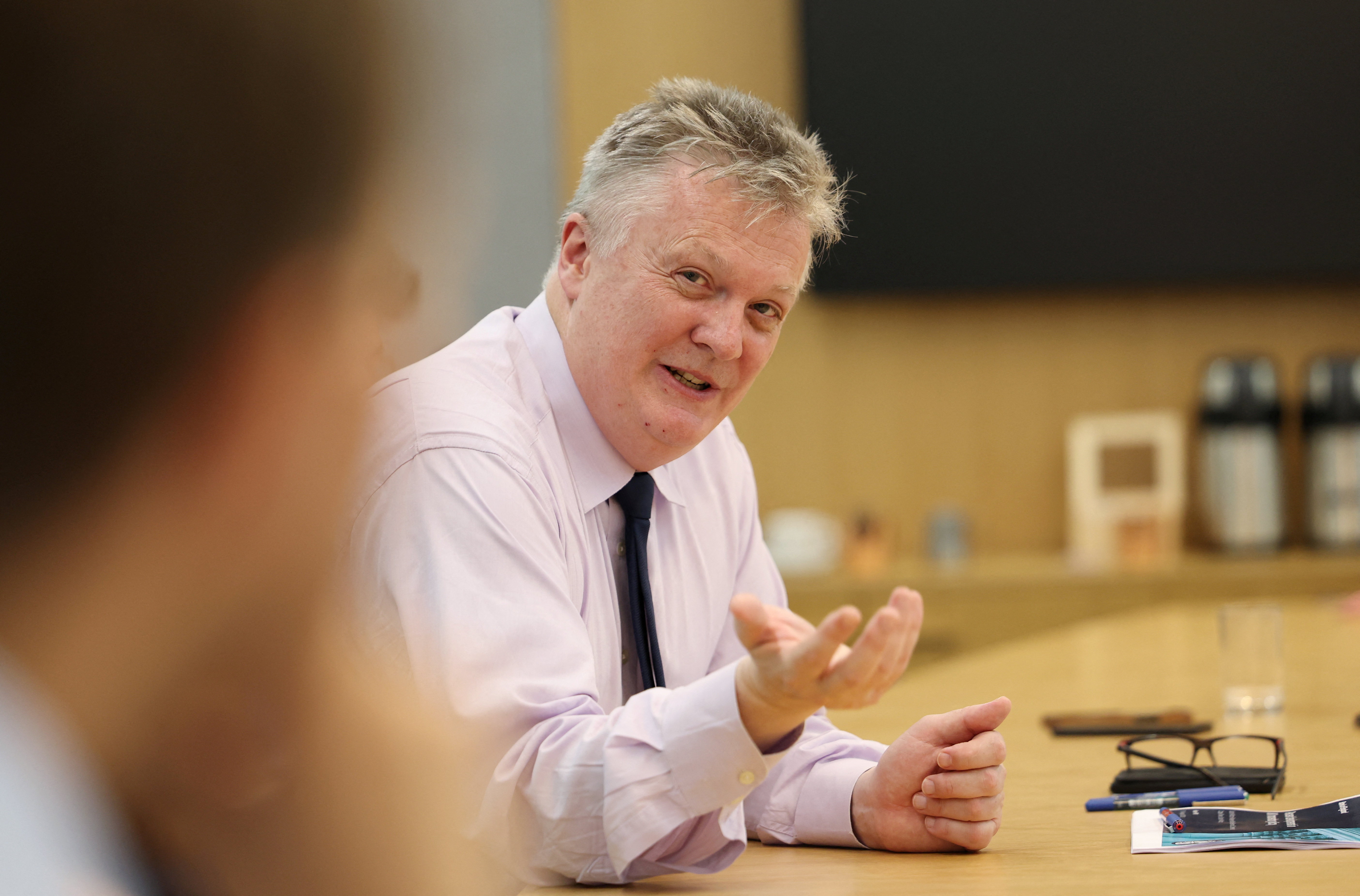
英格兰银行首席经济学家胡夫·皮尔周四表示,投资者不应将英格兰银行未来的利率上调视为长期加息序列的开始。
A future interest rate increase by the Bank of England should not be interpreted by investors as the start of a long series of increases, BoE Chief Economist Huw Pill said on Thursday.
“我们不应给人这样的印象:因为我们现在采取行动,我们就正在走另一段楼梯……就像我们在2022年和2023年看到的那样。这是不同的冲击,”皮尔在曼谷经济节主持的小组讨论中如是说,该讨论是在该市国际货币基金组织会议期间举行的。
"We shouldn't give the impression that because we act now, we are on another staircase ... like we saw in 2022 and 2023. It's a different shock," Pill said during a panel discussion hosted by the Bangkok Economic Festival on the sidelines of International Monetary Fund meetings in the city.
周三,皮尔——自四月以来一直支持加息——曾反驳金融市场对未来12个月内四次加息的押注。
On Wednesday, Pill – who has voted for higher rates since April – had pushed back against financial market bets for four rate rises over the next 12 months.
与美联储和欧洲中央银行不同,英格兰银行自美国-伊朗战争爆发以来一直维持利率不变,但市场认为下周会议后加息25个基点几乎是必然的。
Unlike the US Federal Reserve and the European Central Bank, the BoE has kept rates on hold since the outbreak of the US-Iran war in February, but markets see a quarter-point increase after next week's meeting as a near certainty.
皮尔重申了他对英国面临他所称的“隐蔽性”通胀追赶动态的担忧,因为工人正寻求加薪以补偿价格上涨。“您可能需要更长时间的限制期来挤压这一点,”他说。
Pill repeated his concerns that Britain was vulnerable to what he called "insidious" catch-up dynamics in inflation, as workers sought wage rises to compensate them for price rises. "You probably need to have more of a prolonged period of restriction to squeeze that," he said.
他补充说,发达经济体的债券收益率上升可能部分反映了实现通胀稳定所需的实际中性利率的上升,这也是需要更高利率的另一个因素。
Higher bond yields in advanced economies probably reflected at least in part a rise in the real neutral rate of interest needed to stabilise inflation, another factor pointing to the need for higher rates, he added.