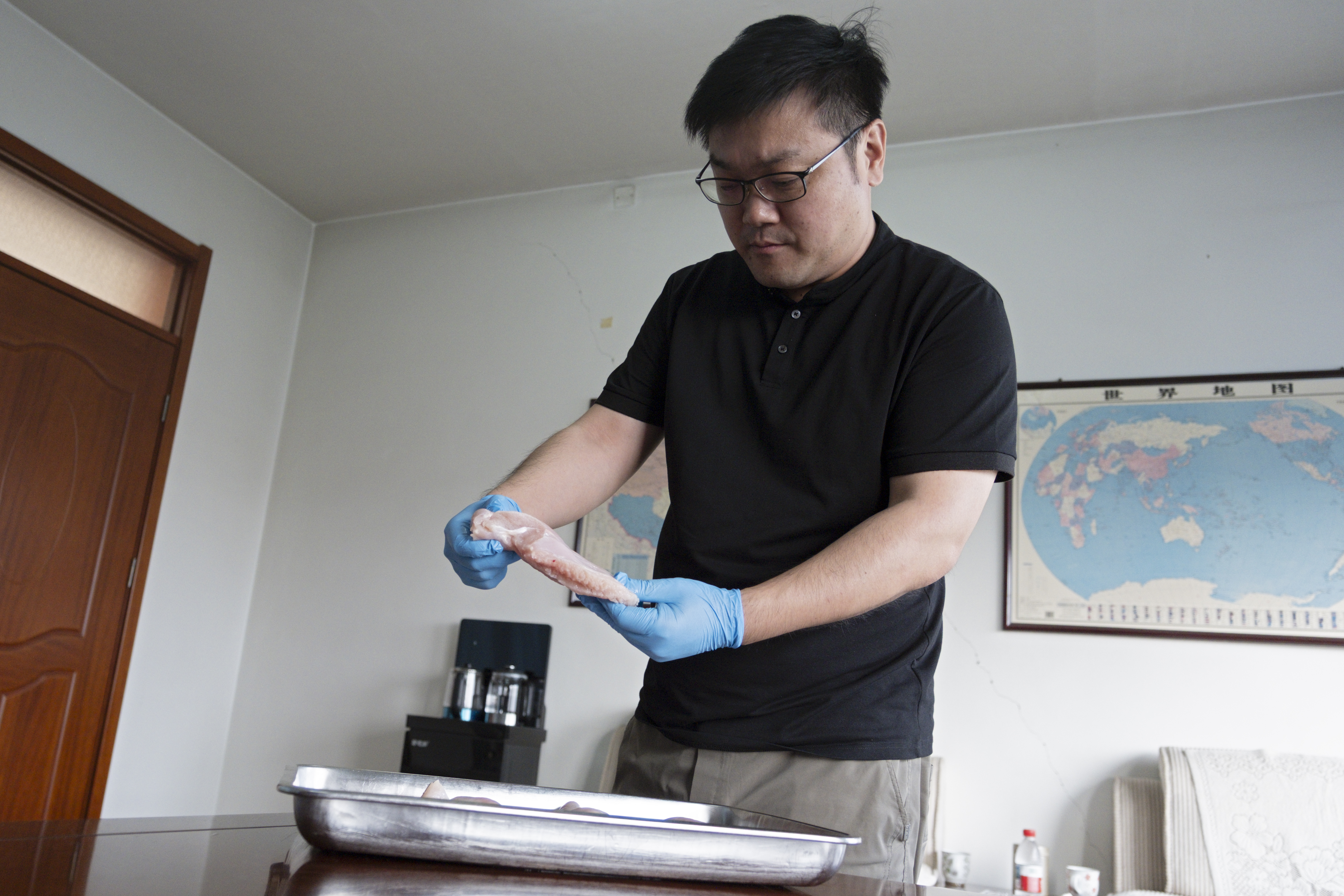
滕州,中国 — — 在一间弥漫着烟味的办公室里,党阳阳疲惫地靠在黑色皮质沙发上。作为温特食品的总经理,他最近几天一直在陪同来自加纳、伊拉克、约旦、俄罗斯和塞内加尔的客户。他们都想要同一样东西:中国鸡肉。
TENGZHOU, China — In an office reeking of cigarettes, Dang Yangyang slouches on a black leather sofa in exhaustion. The general manager at Wintop Food has spent recent days chaperoning clients from Ghana, Iraq, Jordan, Russia and Senegal. They all want the same thing: Chinese chicken.
温特食品每年加工6000万只鸡,向20多个国家出售鸡胸肉、鸡块、肉丸和饺子。去年出口利润占其总利润的一半,并为其33英亩的扩张提供资金支持。
Wintop processes 60 million chickens annually, selling breasts, nuggets, meatballs and dumplings to more than 20 countries. Exports accounted for half of its profits last year and are underwriting 33 acres of expansion.
“国际客户过去曾不信任产品质量,”44岁的党阳阳在8月参观其设施期间对路透社表示。“但当中国鸡肉每吨比巴西和泰国竞争对手便宜1000美元时,他们别无选择,只能从中国采购,否则就会失去竞争力。”该公司是中国蛋白质生产商浪潮的一部分,这些生产商正在克服该国参差不齐的食品安全记录,并利用额外产能抢占全球超市货架空间。国内饮食结构的变化以及北京对食品安全的重视推动企业投资于技术和扩张。如今,它们的产量超过国内消费需求,并将多余产品倾销到国外。
“International clients used to distrust the quality,” Dang, 44, told Reuters during a tour of his facilities in August. “But when the meat is $1,000 cheaper per ton than Brazilian and Thai competitors, they have to either buy from China or lose out." The company is part of a wave of Chinese protein producers overcoming the country’s patchy food-safety record and leveraging additional capacity to seize space on global supermarket shelves. Changing diets at home and Beijing’s emphasis on food security have pushed companies to invest in technology and expansion. Now, they produce more than China can consume and are unloading excess production abroad.
廉价中国蛋白质的激增正引起西方生产商和监管机构的审查,预示着新的贸易摩擦。这一模式呼应了北京在钢铁、太阳能电池板和电动汽车领域的策略 — — 以低价产品冲击市场,削弱全球竞争对手。
The surge in cheap Chinese protein is drawing scrutiny from Western producers and regulators, signaling fresh trade friction. The pattern echoes Beijing's strategy in steel, solar panels and electric vehicles — flooding markets with low-priced products that undercut global rivals.
7月,欧盟委员会在当地生产商指责中国补贴导致不公平竞争后,对进口的北京烤鸭启动了反倾销调查。上个月,该委员会对中国豌豆蛋白征收了41%至67%的反倾销税。鸡肉迄今尚未遭遇同样的措施,尽管欧洲当局正在监测市场,欧盟委员会发言人对路透社如此表示。
In July, the European Commission launched an anti-dumping probe into Peking duck imports after local producers alleged Chinese subsidies created unfair competition. Last month, the commission imposed anti-dumping duties of between 41% and 67% on Chinese pea protein. Chicken has so far avoided the same action, though European authorities are monitoring the market, a commission spokesperson told Reuters.
农业和食品是中国仍然出现贸易逆差的少数几个类别之一。去年逆差额超过1000亿美元,虽然规模巨大,但正在缩小。
Agriculture and food are among the few categories where China still runs a trade deficit. At just over $100 billion last year, the gap is massive but shrinking.
中国已经是全球最大的海产品出口国,去年成为净出口鸡肉的国家。海关数据显示,去年中国出口鸡肉产品价值26亿美元,几乎是2020年的两倍。乳制品出口额预计今年将达到6亿美元,三年内翻倍。
China, already the world’s largest source of seafood exports, last year became a net exporter of chicken. Overall, China exported $2.6 billion worth of chicken products last year, almost double 2020 levels, customs data show. Dairy exports are on track to hit $600 million this year, doubling in three years.
对全球消费者而言,这一趋势意味着蛋白质价格更低。对从欧洲到泰国和巴西的外国生产商而言,这意味着面临新的竞争者。
For global consumers, the trend means cheaper protein. For foreign producers from Europe to Thailand and Brazil, it means new competitors.
北京的农业商业顾问迈克尔·博丁顿表示,中国从买方转变为新兴出口国,正对全球肉类市场产生“颠覆性”影响。
China’s shift from buyer to emerging exporter is having a “disruptive” effect on the global meat market, said Michael Boddington, a Beijing-based agribusiness consultant.
他说,在亚洲,传统上货物是从欧洲和美洲流入的。如今,有一个更便宜的替代选择,全球生产商正在争相竞争。
In Asia, he said, shipments traditionally flowed in from Europe and the Americas. Now, there's a cheaper alternative — and producers globally are scrambling to compete.
中国农业和商务部未就该国蛋白质出口快速增长的问题回应路透社的提问。
China’s agriculture and commerce ministries didn’t respond to Reuters questions about the country’s burgeoning protein exports.
几十年来,中国人的蛋白质主要来自猪肉。养猪为建设城市、在推动国家经济繁荣的工厂工作的工人提供了食物。中国成为全球一半生猪的饲养国,这些生猪对谷物(尤其是大豆)的需求,改变了从美国中西部到巴西的贸易流向。
For decades, protein in China meant pork. Pigs fed the workers who built the cities and staffed the factories that powered the country's economic boom. China became home to half the world’s hogs, whose appetite for grain, especially soybeans, redrew trade flows from the US Midwest to Brazil.
中国对猪肉的需求为像黄伟英这样的小农提供了生计,她20年前在河北省的村庄开始养猪,巅峰时期曾饲养超过500头。
The country’s appetite for pork provided livelihoods for small farmers like Huang Weiying, who started raising pigs in her village in Hebei province 20 years ago, owning more than 500 at a peak.
但那个时代已经结束。路透社八月份探访黄伟英时,她正在给最后10头猪喂食残渣,猪圈布满蛛网。她欠下约7.5万美元的债务,计划在秋季将这些猪宰杀。
But that era is over. When Reuters visited Huang in August, she was tossing slop to her last 10 hogs in a cobweb-covered barn. Some $75,000 in debt, she planned to slaughter them by autumn.
“我养猪已经超过二十年了,但从未像过去两年这样艰难,”57岁的黄说。“猪肉价格太低了。城市里的人们基本上不吃猪肉了。”传统中餐中常见的肥肥猪肉部位,已经不再受到注重健康的城市居民青睐。根据官方数据和国家媒体的报道,自2023年峰值以来,人均猪肉消费量下降了13%。在截至2024年的十年间,人均鸡肉摄入量增长了超过50%。
“I have been raising pigs for over two decades, but it has never been as hard as the last two years,” Huang, 57, said. “Pig prices are so low. People in the cities just stopped eating pork.”The fatty pork cuts common in traditional Chinese cuisine have fallen out of favor with health-conscious urbanites. Per-capita pork consumption has fallen 13% since peaking in 2023, according to official data and state media. Chicken intake rose more than 50% per capita in the decade through 2024.
然而,中国肉类和乳制品行业的产能仍在持续扩张。官方鼓励通过针对大型企业生产者的补贴进行大规模建设,以提升粮食安全,并在2018年非洲猪瘫爆发和新冠肺炎疫情之后重建生猪群。据经合组织(OECD)数据,2022年至2024年间,补贴占中国农业生产者总农场收入的约13%,几乎是2000年代初期的三倍。
Yet production kept expanding across China’s meat and dairy sectors. Officials encouraged massive buildout with subsidies targeted at large corporate producers to boost food security and rebuild herds after the 2018 African swine fever outbreak and the covid-19 pandemic. Subsidies accounted for about 13% of Chinese agricultural producers' gross farm receipts between 2022 and 2024, according to the OECD — nearly triple the level in the early 2000s.
如今,获得补贴的农场正在导致产能过剩。尽管经济放缓、国内需求疲弱和人口减少,政府数据显示,产量仍创历史新高。去年,中国生产了创纪录的5900万吨猪肉;禽肉产量增长了7%。乳制品行业提前两年就超过了2025年的官方生产目标。
Today, subsidized farms are contributing to overcapacity. Production has hit new highs despite an economic slowdown, tepid domestic demand and a shrinking population, government data show. Last year, China produced a record 59 million metric tons of pork; poultry output rose 7%. The dairy sector surpassed official targets for 2025 production two years early.
猪肉价格受冲击最严重,因为国内需求最为疲弱,但禽肉和乳制品价格也有所下跌。对于日益占主导地位的大型生产者而言,出路在于出口。
Pork prices are hardest hit because domestic demand is weakest, but prices have also fallen for poultry and dairy. For the large producers who increasingly predominate, the way out is exports.
“每一家中国畜牧企业都在计划海外扩张。如果你想发展,就必须走出国门,”乳业巨头伊利婴儿配方奶粉营销负责人张元说,该公司计划在明年尽快开始在东南亚地区销售婴儿配方奶粉。
“Every Chinese livestock company is planning to expand overseas. If you want to grow, you must go abroad,” said Zhang Yuan, head of baby formula marketing at dairy giant Yili, which plans to start selling formula in Southeast Asia as soon as next year.
这是亚洲最大乳制品企业的一个象征性步骤。该公司在2008年因三聚氰胺污染导致数千名婴儿生病,其奶制品曾被政府在一次打击行动中下架。该丑闻使消费者在十多年里远离国产牛奶。但如今伊利婴儿奶粉已成为中国畅销品牌。
It’s a symbolic step for Asia’s largest dairy company, which had milk products pulled in a 2008 government crackdown after melamine contamination sickened thousands of babies. The scandal turned consumers away from domestic milk for more than a decade. But Yili baby milk powder is now the top-selling brand in China.
伊利的竞争对手飞鹤在将产品引入菲律宾一年后,于今年4月在印度尼西亚推出了AceKid婴儿配方奶粉,以与雀巢和美赞臣竞争。飞鹤未对置评请求作出回应。
Yili’s competitor, Feihe, launched its AceKid infant formula in Indonesia in April to compete with Nestlé and Mead Johnson, after bringing the product to the Philippines a year earlier. Feihe didn’t respond to requests for comment.
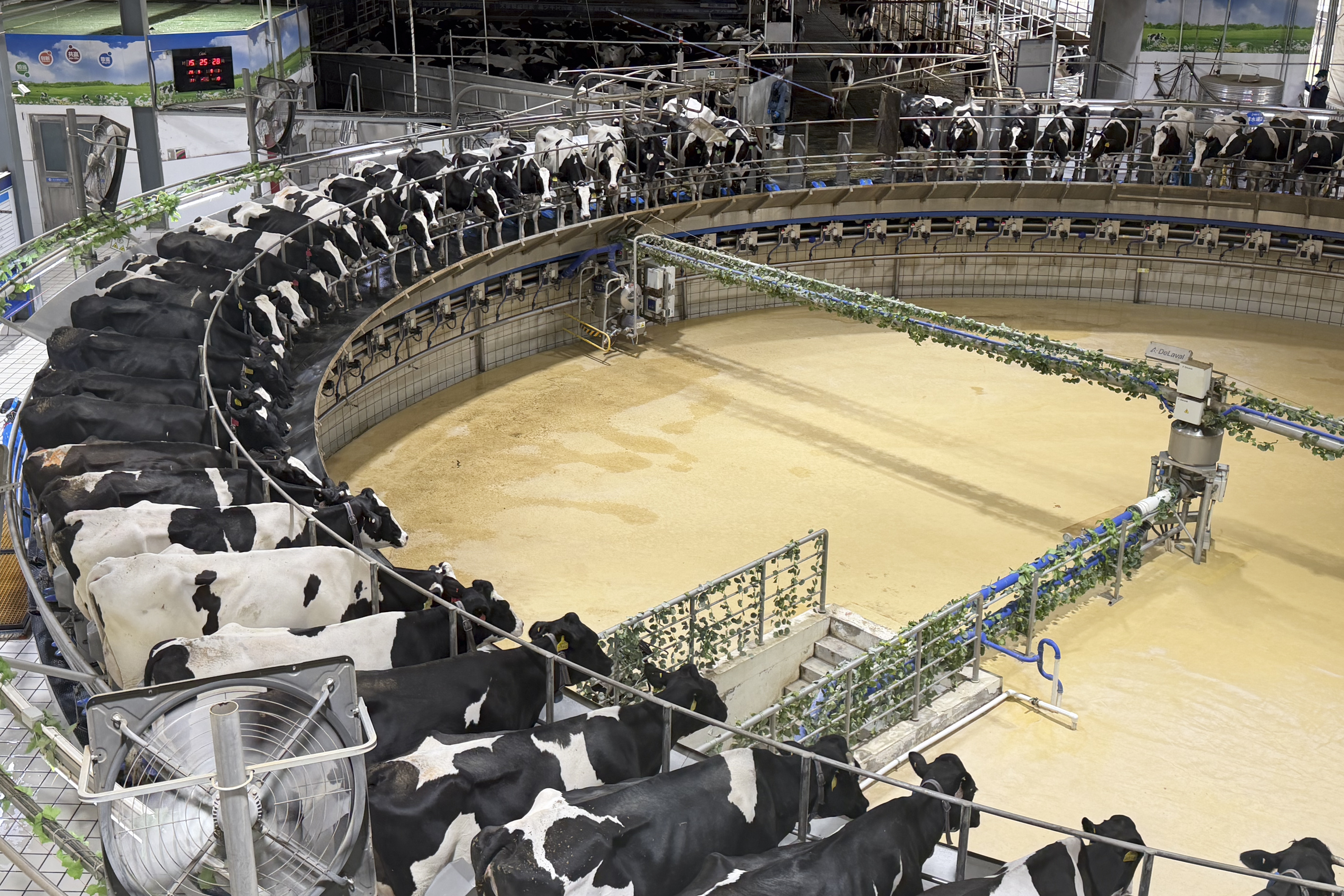
家禽生产商也在走类似的道路。位于山东省的文泰公司,经理党在十年内将每个鸡舍的鸡只数量从2万只增加到12万只。这些鸡平均体重为2.5公斤——而根据S&P Global的数据,巴西肉鸡的平均体重为2.2公斤。它们的饲养周期缩短至42天以下,而非45天,已赶上美国35天的标准。
Poultry producers are treading a similar path. At Wintop, in Shandong province, manager Dang has increased the number of chickens in each shed from 20,000 to 120,000 in a decade. The birds weigh 2.5 kg on average – compared with 2.2 kg for broilers from Brazil, according to S&P Global. They are slaughtered in under 42 days instead of 45, catching up to the 35-day US standard.
当地滕州政府正在补贴文泰公司超过2000名工人的工资账单,该公司在接受路透社采访时如此透露,但未提供具体细节。滕州当局未对置评请求作出回应。
The local Tengzhou government is subsidizing the wage bill for Wintop’s more than 2,000 workers, the company told Reuters without offering specifics. Tengzhou authorities didn’t respond to a request for comment.
竞争对手加工企业如新希望则依赖更高价值的加工产品,如腌制鸡肉和即食餐来推动增长。其海外销售额去年增长42%,达到1.35亿美元。
Rival processors such as Sunner are relying on higher-value processed products such as marinated chicken and ready meals to drive growth. Its overseas sales rose 42% to $135 million last year.
新希望告诉路透社,它正通过与乌兹别克斯坦等国家合作发展当地能力,来扩大其种鸡在全球的影响力。该公司研发出了中国首个国产白羽肉鸡品种,并已开始在非洲和中亚地区销售。
Sunner told Reuters it is expanding the global presence of its breeds by working with countries including Uzbekistan to develop local capacity. The company developed China's first domestically bred white-feather broiler and has begun selling it in Africa and Central Asia.
随着中国生产商走向海外,他们正在夺取原有玩家的市场份额。据商品经纪公司StoneX的乳制品分析师李一凡称,中国奶粉如今在尼日利亚和孟加拉国等国家与新西兰和欧洲产品竞争,并在中东地区取代了印度和伊朗生产商。
As Chinese producers go abroad, they are grabbing market share from established players. Chinese milk powder now competes with products from New Zealand and Europe in countries including Nigeria and Bangladesh, and is displacing Indian and Iranian producers in the Middle East, according to Yifan Li, dairy analyst at commodity broker StoneX.
根据食品咨询公司Gira的数据,自2022年以来,中国在欧盟加工禽肉市场的份额已翻倍至10%,在英国的份额则翻三倍至14%以上。这一增长正在挑战德国等生产商。中国在日本市场的份额也在逐步提升,而领先者泰国的份额则在下降。
China has doubled its share of the European Union processed-poultry market to 10% since 2022, and tripled its share in the UK to more than 14%, according to data from Gira, a food consultancy. That growth is challenging producers such as Germany. China’s share of the Japanese market is also edging higher while the leader, Thailand, is slipping.
“这非常令人担忧,”泰国肉鸡加工出口商协会经理库克里特·阿雷帕贡表示,该协会是一个行业机构。“客户越来越多地将廉价的中国鸡肉价格作为谈判的参考点。”总部位于里斯本的国际肉类贸易商Branexx董事长埃泽奎尔·皮雷斯表示,其公司自3月起开始采购中国禽肉,因为非洲客户寻求巴西进口的更便宜替代品。皮雷斯称,中国鸡胸肉和腿部肉块比巴西产品便宜10%至20%。
“It’s very worrying,” said Kukrit Arepagorn, manager at the Thai Broiler Processing Exporters Association, an industry body. “Customers increasingly use cheap Chinese chicken prices as a reference point for negotiation.”Ezequiel Pires, chairman of Lisbon-based international meat trader Branexx, said his company began buying Chinese poultry in March after African customers sought cheaper alternatives to Brazilian imports. Chinese breast meat and leg quarters are 10% to 20% cheaper than Brazilian products, Pires said.
分析人士表示,中国尚未完全摆脱因持续食品安全丑闻而产生的一些负面关联。对于其出口商而言,挑战在于建立“对其产品安全、可追溯性和一致性的持久信心”,曼谷G&S Agriconsultants公司董事戈登·布特兰德表示。
China hasn’t fully shaken some of the negative associations arising from persistent food-safety scandals, analysts say. For its exporters, the challenge is to build “lasting confidence in the safety, traceability and consistency of their products," said Gordon Butland, director at Bangkok-based G&S Agriconsultants.
欧盟委员会对路透社表示,在欧盟,进口食品必须符合与本地产品相同的健康和安全标准。该集团计划强化欧盟原产地标签,从2027年的禽肉产品开始。
In the EU, imported food must meet the same health and safety standards as local produce, the European Commission told Reuters. The bloc plans to strengthen EU-origin labeling, starting with poultry products in 2027.
吉拉肉类和畜牧业主管鲁珀特·克拉克森表示,一些客户偏好泰国禽肉,因其口感和质量的一致性。不过,对于许多客户而言,中国的低价优势是关键。
Some clients prefer Thai poultry for its consistent taste and quality, said Rupert Claxton, meat and livestock director at Gira. Still, for many customers, China’s lower price point is key.
“我们正在向一切可能的国家出口,”温托普公司的唐表示。“如果你具有显著的价格优势,许多客户会主动寻找你。”
"We're exporting to whatever countries we can,” said Wintop’s Dang. “If you have a significant price advantage, many customers actively seek you out."