非洲国家电力公司正在寻求开发新的收入来源,因为它正准备拆分并放弃其在电力发电和输电方面的垄断地位。
Africa’s state power utility is looking to develop new revenue streams as it prepares to unbundle and relinquish its dominance in electricity generation and transmission.
Eskom Holdings SOC Ltd. 的高管们本周正在会面,讨论如何推进南非电力市场的自由化进程,这标志着该公司在总统西里尔·拉马福萨推动行业改革的问题上的公开立场出现了重大转变。
Eskom Holdings SOC Ltd. executives are meeting this week to discuss how to approach the liberalization of the electricity market in South Africa, marking a significant shift in the utility’s public position on President Cyril Ramaphosa’s drive to reform the industry.
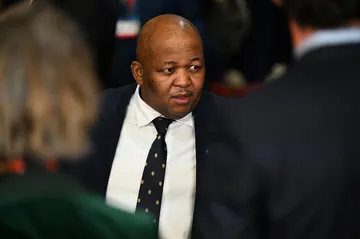
“我们确实已经放弃了自己拥有所有东西或亲自完成所有事情的观念,”首席执行官丹·马罗卡内在接受彭博电视台采访时表示。“我们将在接下来的三天里进入战略会议,以便就我们希望达到的最终状态达成一致。”此前,Eskom 对将公司拆分为发电、输电和配电三个单元的计划曾表示担忧。
“We have really abandoned the notion of owning everything or doing everything by ourselves,” Chief Executive Officer Dan Marokane said in an interview with Bloomberg Television. “We are going into the strategy session in the next three days so we can align on what the end state looks like for us.”Eskom previously expressed concerns about plans to split the company into generation, transmission and distribution units.
但马罗卡内表示,这些改革是“不可逆转”的,该公司正在展望未来,计划向数据中心、比特币矿工和电动汽车供电,增加可再生能源的发电量,并出口大批电力,以在未来几年改善其财务状况。
But Marokane said the reforms were “irreversible” and the utility is looking ahead to supplying power to data centers, bitcoin miners and electric vehicles, generate more renewable energy and export bulk power to bolster its bottom line in the years ahead.
“该行业正在改革;在供应链方面正在发生变化,”他说。“发电机的数量在增加。该领域将会有更多的经销商和交易商。”
“The sector is reforming; it is changing in terms of the supply industry,” he said. “There are more generators. There are going to be more distributors and traders in the space.”
马罗卡内 nonetheless 仍预计埃斯科姆将在区域电力市场中保持主导发电商的地位。“我们仍然为该国提供超过85%至90%的电力,”他说,同时承认“那些进入市场的人正在侵蚀我们的市场份额。”
Marokane nonetheless expects Eskom to remain a dominant generator in the regional power market. “We still provide in excess of 85% to 90% of the country’s electricity,” he said, while acknowledging “those who are coming in, chipping away at that market share of ours.”
“自然地,在垄断情况下,当你削弱垄断,而经济又不增长时,市场份额就会下降,”马罗卡内说。“而事实正是如此。现在,我们需要做的是利用我们的优势,审视其他可能无法提供的服务。”
“Naturally, in a monopoly, when you undermine the monopoly, and the economy’s not growing, market share will reduce,” Marokane said. “And that’s the case. Now, what we need to do is to use our strengths to look at other offerings that others may not be able to give.”South Africa endured years of rolling power cuts due to mismanagement at Eskom during former President Jacob Zuma’s scandal-marred rule, which ended in 2018. The situation has since stabilized and the utility now has three to five gigawatts of excess generating capacity, according to its CEO.
南非曾因前总统雅各布·祖马丑闻缠身时期的管理失当导致埃斯科姆出现问题,而遭受多年轮流停电的困扰,该情况在2018年结束。自那以后,情况已经稳定,根据其首席执行官的说法,该公用事业目前拥有三到五吉瓦的超额发电能力。
That’s not solely due to improvements in its performance, with many businesses and households installing their own solar panels and battery storage.
这不仅仅是由于其表现改善所致,许多企业和家庭也在安装自己的太阳能板和储能电池。
Marokane said Eskom is well positioned to supply more data centers with power in South Africa and is working with developers. The utility is also looking to install electric-vehicle charging stations across the country and to increase its exports, he said.
马罗卡内表示,埃斯科姆在南非向更多数据中心供电方面处于有利位置,并正在与开发商合作。该公用事业还计划在全国范围内安装电动汽车充电站,并增加其出口,他说。
“We’ve seen the size of the southern African power pool double because of drought in Zambia and we’ve been able to supply the copper belt for mining expansions,” he said. “There’s big interest in the Congo to access some of this excess power.”He also sees a big role for Eskom in supplying renewable energy to help meet its customers’ sustainability objectives.
“我们看到,由于赞比亚的干旱,南部非洲电力共享池的规模翻了一倍,我们也能够为铜带的矿业扩张供电,”他说。“刚果对获取部分这种多余电力表现出浓厚兴趣。”他还认为,埃斯科姆在向客户供应可再生能源以帮助其实现可持续发展目标方面发挥着重要作用。埃斯科姆目前的电力主要来自一批老化的燃煤发电厂。
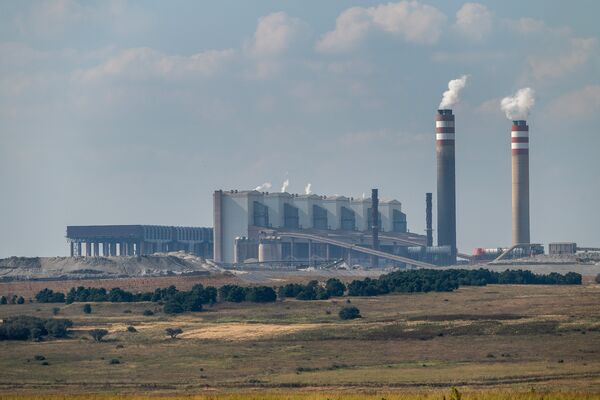
Eskom currently generates most of its power from a fleet of ageing coal-fired power plants.