
一项由印度控制的克什米尔地区瓦克夫委员会(Waqf Board)提议在全区清真寺推行统一周五布道的举措,引发了政界人士和宗教领袖的强烈反对,他们指责政府企图对穆斯林宗教场所施加控制。
A proposed move by the Waqf Board in Indian-administered Kashmir to introduce uniform Friday sermons at mosques across the region has drawn backlash from politicians and religious leaders, who have accused the government of trying to assert control over Muslim religious spaces.
查谟和克什米尔瓦克夫委员会由达拉克尚·安德拉比(Darakshan Andrabi)领导,她是一位与印度总理纳伦德拉·莫迪的印度教至上主义政党印度人民党(BJP)有关联的地方领导人。莫迪政府于2019年剥夺了该地区此前享有的半自治地位。查谟和克什米尔还被分割为两个由联邦管辖的直辖市,不再像过去那样作为一个成熟的邦运作。
The Jammu and Kashmir Waqf Board is headed by Darakshan Andrabi, a local leader associated with the Hindu majoritarian Bharatiya Janata Party (BJP) of Indian Prime Minister Narendra Modi, whose government stripped the region of its previous semi-autonomous status in 2019. Jammu and Kashmir was also partitioned into two federally governed territories, instead of functioning as a full-fledged state as it used to.
根据伊斯兰法律的要求,该委员会负责监督穆斯林宗教捐赠。它于上周末宣布了这一具争议性的举措,引发了政治争议,该地区的顶级伊斯兰学者猛烈抨击该提议是“对克什米尔穆斯林宗教事务的不负责任的干涉”。
The board, which oversees Muslim religious endowments as mandated by Islamic laws, announced the controversial move last weekend, prompting a political controversy as the region’s top Muslim scholars slammed the proposal as “irresponsible interference into the religious affairs of Kashmiri Muslims”.
在为推行统一布道进行辩护时,安德拉比对一家印度主流报纸表示,在委员会主持下成立的一个拟议委员会“将全权负责确定关于统一布道的问题……[这一步骤]对于解决[该地区]的问题、特别是包括药物滥用在内的社会恶习是必要的”。安德拉比对媒体表示,宗教学者将批准周五的布道,任何政府官员都不会在该决定中扮演任何角色。
While defending the imposition of the uniform sermons, Andrabi told a leading Indian newspaper that a proposed committee formed under the board’s auspices “will be solely responsible for identifying the issue regarding the uniform sermon … [This step] is necessary to deal with issues in the [region], especially social evils, including drug abuse.”Andrabi told the media that religious scholars will approve Friday sermons with no role for any government official in the decision.
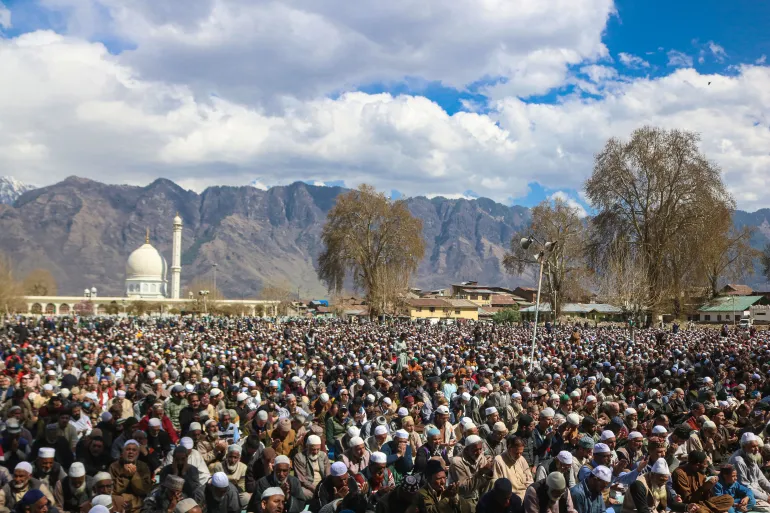
2025年3月8日,在查谟和克什米尔斯利那加的哈兹拉特巴尔清真寺(Hazratbal Shrine),克什米尔穆斯林信众在伊斯兰教圣洁的斋月最后一个周五做祈祷。“漠视了我们的关切”周日,瓦克夫委员会召集了来自克什米尔地区的约1500名顶级学者和伊玛目。一些领导人亲临现场,而来自偏远地区的其他人则通过虚拟方式出席了会议。
Kashmiri Muslim devotees pray on the last Friday of the Islamic holy fasting month of Ramadan at the Hazratbal Shrine in Srinagar, Jammu and Kashmir, on March 28, 2025 ‘Brushed aside our concerns’ On Sunday, the Waqf Board had summoned about 1500 top scholars and preachers from the Kashmir region. While some leaders were present at the venue, others from remote areas attended the meeting virtually.
一名来自山区拉朱里(Rajouri)地区的学者对半岛电视台透露,安德拉比曾下达指示,规定周五清真寺的讲坛上只能统一诵读由高级学者委员会起草的预先批准的讲道词。拉朱里距离该地区最大城市斯利那加约180公里(110英里),这名学者通过线上方式出席了会议。他说,他们并未被明确告知该委员会将由哪些人组成。
A scholar from the mountainous Rajouri district, some 180km (110 miles) from the region’s biggest city of Srinagar, who had attended the meeting online, told Al Jazeera that Andrabi had passed instructions stating that only a pre-approved sermon drafted by a committee of senior-most scholars would be uniformly recited at the mosque pulpits on Fridays. He said they were not told exactly who would be part of this committee.
这名因担心遭到当局报复而要求匿名的学者表示:“当我们提出异议,称如果发现讲道词违背伊斯兰教义,我们将不会遵守这些指令时,她对我们的关切置之不理,不让我们发言。”他还说:“她(安德拉比)表示,他们的决定是最终决定,因为该决定已经酝酿了四年。”克什米尔是一个由印度和巴基斯坦声索的主权争议地区,四十年里一直是政治动荡的中心。为确定克什米尔人将选择哪国而要求举行全民公投的多年和平诉求,在1989年因回应选举操纵指控而演变成反对印度统治的武装起义。
“When we objected, saying that we won’t adhere to the directives if the sermon was found to be violative of Islamic teachings, she brushed aside our concerns and didn’t let us speak,” the scholar said on condition of anonymity as he feared reprisals by the authorities. “She [Andrabi] said that their decision was final as it had been four years in the making.”A disputed region claimed by India and Pakistan, Kashmir has been at the centre of political turmoil for four decades. Years of peaceful demands for a referendum, to determine which country the Kashmiris would choose, transformed into an armed uprising against Indian rule in 1989 in response to allegations of election fixing.
2019年,印度废除了克什米尔的半自治地位,实施了直接联邦统治。直到2024年才举行选举,当地政府重新当选,尽管其权力范围受到限制。事实上的权力仍然掌握在新德里任命的行政长官手中。
In 2019, India scrapped the semi-autonomous status of Kashmir, imposing direct federal rule. The elections did not happen until 2024, when the local government was re-elected, albeit with a restricted mandate. De facto authority still rests with the New Delhi-appointed administrator.
先前地位所赋予的特殊条件保护了土地和居住权相关的特权,同时允许克什米尔人制定自己的法律。
The special conditions afforded under the erstwhile status had protected land and residency-related privileges while allowing Kashmiris to make their own laws.
2019年决定的一个后果是,管理瓦克夫(Waqf,即穆斯林为更广泛的社区福利而设立的慈善遗赠)的本土法律安排,被印度全国通行的法律所取代。
One consequence of the 2019 decision was that Indigenous legal arrangements that governed the management of waqf, the charitable bequests that Muslims commit for the larger communal welfare, were replaced by those prevailing across India.
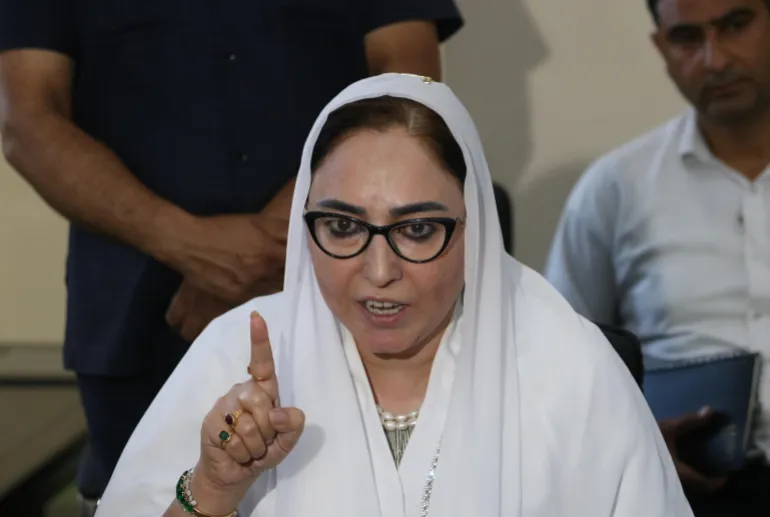
查谟和克什米尔瓦克夫委员会主席达拉克香·安德拉比于2025年9月5日在查谟和克什米尔斯利那加的哈兹拉特巴尔圣陵举行的记者会上发表讲话。“试图破坏宗教自由”新体制赋予了联邦控制的官僚机构在管理当地瓦克夫等宗教委员会方面的广泛权力。
Jammu and Kashmir Waqf Board Chairperson Darakhshan Andrabi speaks during a press conference at Hazratbal Shrine in Srinagar, Jammu and Kashmir, on September 5, 2025 ‘Trying to undermine religious freedom’ The new system gave broad powers to the federally controlled bureaucracy in the management of local religious boards such as waqf.
此后,瓦克夫委员会多次被当地克什米尔领导人指责试图破坏他们的宗教自由,或干涉代代相传的传统宗教习俗。
Since then, the Waqf Board has been accused multiple times by the local Kashmiri leaders of trying to undermine their religious freedoms or interfering with how the traditional religious practices have continued for generations.
曾在克什米尔特殊地位尚未取消的上届民选政府中担任教育大臣的高级政治家纳伊姆·阿赫塔尔对半岛电视台表示:“中亚或中世纪时期曾以苏丹或哈里发(伊斯兰哈里发)的名义举行过集中的库特巴或布道。但那是具有神圣性的,因为克什米尔(当时)是一个伊斯兰国家。今天,我们本应生活在一个世俗国家里。”
“Centralised khutba or sermons used to take place in the name of a sultan or khalifa (Islamic caliph) during the medieval times. But that had sanctity because Kashmir was [then] an Islamic state. Today, we are supposed to be living in a secular state,” Nayeem Akhtar, a senior politician who served as Kashmir’s education minister during the previous elected government, when its special status was still operational, told Al Jazeera.
他还表示:“只要有听众,每位神职人员都有权就自己选择的任何话题发表讲话。这种自由体现在法律的最基本原则中。”
“As long as he has an audience, every cleric has freedom to speak about any topic of his choice. This freedom is enshrined in the very fundamentals of law,” he added.
阿赫塔尔表示,新的指示来自与印度人民党相关的一名办公室负责人,这就是为什么最新的举措引发了愤怒的反应。“委员会的工作只是管理性的。它试图向神职人员说教或指导他们如何做好本职工作,这已经超出了其职权范围。印度的穆斯林政党怎么能对印度教祭司如何主持祈祷或基督教牧师如何在星期日进行布道发号施令呢?”周二,该地区最高穆斯林宗教领袖米尔瓦伊兹·奥马尔·法鲁克警告称,此举将等同于“直接干涉”。
Akhtar said the new instructions were coming from an office bearer associated with the BJP, which is why the latest move had provoked furious responses. “The board’s job is just managerial. It is exceeding its remit by trying to preach or guide the clerics on how they must do their job. Can a Muslim political party in India ever dictate how a Hindu pujari must conduct prayers or how a Christian pastor must deliver a sermon on Sunday?”On Tuesday, Mirwaiz Umar Farooq, the region’s top Muslim religious leader, cautioned that such a move would amount to “direct interference”.
由他领导的多个宗教组织联合机构“统一宗教学者大会”表示,“确定布道内容是伊斯兰学者的责任,而不是行政机构的责任。”该地区民选首脑、支持加入印度(尽管带有新德里在七年前废除的自治权力)的国家会议党成员奥马尔·阿卜杜拉也对这种谴责表示赞同。
The Mutahida Majlis-e-Ulema, a joint body of several religious organisations that he leads, said “determining sermon content was the responsibility of Islamic scholars and not of an administrative body.”The condemnation was also shared by Omar Abdullah, the region’s elected head and member of the National Conference party that supports accession to India, albeit with the autonomous powers that New Delhi nullified seven years ago.
在引发强烈反对后,瓦夫克委员会负责人安德拉比收回了她的言论,并表示讨论自杀率上升、精神创伤、药物滥用等社会问题交由“独立学者、传道者(和)布道者”自行决定。
Following the backlash, the Waqf Board head Andrabi retracted her statement and said it had been left to the discretion of “independent scholars, preachers (and) sermonists” to talk about social issues such as rising suicides, mental trauma, substance abuse and more.
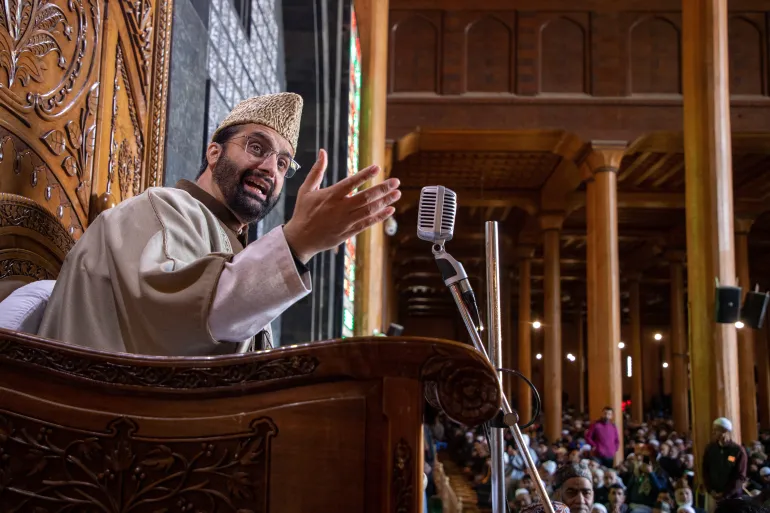
克什米尔首席神职人员米尔瓦伊兹·奥马尔·法鲁克在贾米亚清真寺或大清真寺内发表斋月第一个周五的布道。“施加对宗教机构的控制” 这并非印度人民党领导的政府首次被指控试图对当地宗教机构施加控制。
Chief cleric of Kashmir Mirwaiz Umar Farooq deliver sermons inside the Jamia Masjid or Grand Mosque on the first Friday of Ramadan ‘Exerting control on religious institutions’ This is not the first time that the BJP-led administration has been accused of trying to exert control over local religious institutions.
今年1月早些时候,克什米尔穆斯林学者指责政府实行歧视性做法,此前警方分发了一份题为“清真寺建档”的四页表格,要求提供该争议地区各地清真寺伊玛目、穆安津和哈提卜(传道者)的侵入性详细信息,包括他们的生物识别信息。
Earlier in January, Kashmiri Muslim scholars accused the government of discriminatory practices after the police distributed a four-page form titled “profiling of mosques” which sought intrusive details about the imams, muezzins and khatibs (preachers) of the mosques across the disputed region, including their biometric information.
多年来,该地区的穆斯林团体在礼拜方面面临各种限制,斯利那加拥有600年历史的贾米亚清真寺经常在开斋节礼拜或伊斯兰历中最受尊崇的夜晚(斋月期间的盖德尔夜)等重要宗教活动期间被关闭。
For years, Muslim groups in the region have faced various restrictions on prayer, with Srinagar’s 600-year-old Jamia Masjid often being shut for important religious events such as Eid prayers or Laylat-al-Qadr, the most venerated night of the Islamic calendar, which falls in the month of Ramadan.
行政当局辩称,实施这些限制是为了确保和平,但宗教领袖坚称,此类禁止性措施构成了对克什米尔穆斯林“宗教身份、尊严和基本权利的系统性袭击”。
The administration argues these restrictions are imposed to ensure peace, but religious leaders insist that such prohibitory measures form a “systematic assault on the religious identity, dignity, and fundamental rights” of Kashmiri Muslims.
最高学者法鲁克本人也经常面临此类对其行踪的限制,导致他在预计需要就以色列在加沙实施种族灭绝等事项发表讲话的场合,无法进行周五布道。
Farooq, the chief scholar, himself has been frequently subjected to such restrictions on his mobility, preventing him from giving Friday sermons on occasions when he is expected to speak on matters such as Israel’s genocide in Gaza.
此前,宗教基金委员会还曾试图禁止在当地主要圣地大院内分发黄米的做法;这是一个与苏菲派传教委员会息息相关的数百年传统,苏菲派传教委员会曾在克什米尔弘扬了伊斯兰教。
Previously, the Waqf Board has also sought to prohibit the practice of distributing yellow rice inside the compound of the major shrines in the region, a centuries-old tradition tied to the Sufi missionary councils that promoted Islam in Kashmir.
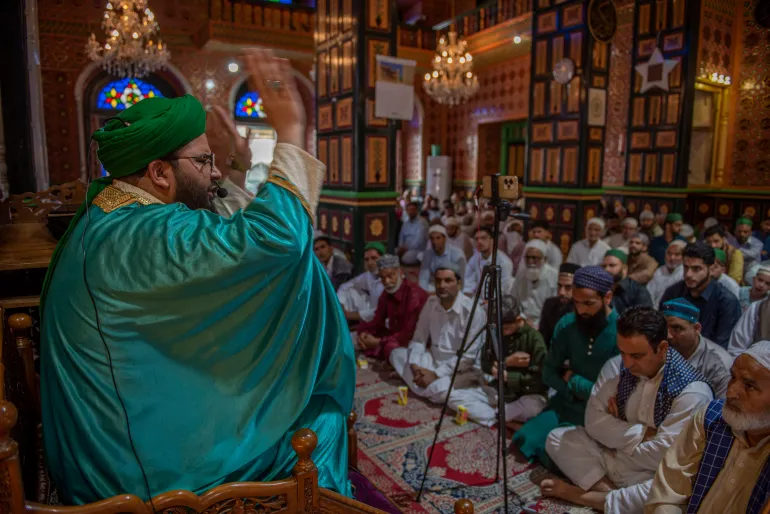
2026年5月27日,在印度斯利那加,一名克什米尔穆斯林神职人员在11世纪苏菲派传教士谢赫·阿卜杜勒·卡迪尔·吉拉尼圣地内举行的宰牲节主麻聚礼前发表布道。宗教一直是政治动员的一个因素。2022年,该委员会还禁止了一项历史悠久的惯例,即信众向精神导师、圣地看护人以及服务人员提供自愿的纳兹尔-奥-尼亚兹捐款。该委员会以新适用的联邦法律为由,直接控制所有资金募集,并设置了新的捐款箱,所有供奉均归该委员会所有。
A Kashmiri Muslim cleric delivers sermon before the congregational Eid al-Adha prayers inside the shrine of 11th century sufi preacher Sheikh Abdul Qadir Jeelani on May 27, 2026 in Srinagar, India Religion has been a factor of political mobilisation In 2022, the board also banned the age-old practice of collecting voluntary nazr-o-niyaz donations offered by devotees to the spiritual peers, mujawirs (attendants of a shrine) and khadims (caregivers). It cited the newly applicable federal laws as a reason for taking direct control over all financial collections and installing new donation boxes where all offerings went to the board.
资深克什米尔政治学者兼历史学家努尔·艾哈迈德·巴巴表示,宗教一直是克什米尔政治动员的一个因素,这就是为什么任何企图操纵或改变传统宗教安排的举动都会引发政治愤怒。
Noor Ahmad Baba, a veteran Kashmiri political scientist and historian, said religion had always been a factor for political mobilisation in Kashmir, which is why attempts to manipulate or change the traditional religious arrangements evoke political outrage.
“我们所拥有的政治安排以及它在穆斯林问题上的政治做法,正是导致整个行动令人怀疑的原因,”巴巴对半岛电视台说,指的是印度人民党。“如果标准化是由具有公众接受度的宗教领袖推动的,比如神职人员,那就不会成为一个问题。没有人能否认宗教领袖讨论诸如吸毒成瘾、晚婚、气候变化、社会和谐等议题的必要性。”一位在斯利那加工作、已就克什米尔冲突撰写报道四十年的政治分析人士表示,此类决定反映了在印度印度教民族主义浪潮抬头之际,试图预先遏制克什米尔抗议的企图。
“The kind of political dispensation that we have and the kind of politics it has had with regard to Muslims is what makes the whole exercise suspicious,” Baba told Al Jazeera, referring to the BJP. “If the standardisation had come, for instance, from clerics with public acceptability, it wouldn’t have become an issue. No one can deny the need for religious leaders to talk about topics such as drug addiction, late marriages, climate change, social harmony and more.”A Srinagar-based political analyst who has written about the conflict in Kashmir for four decades said such decisions reflected attempts to pre-emptively contain protests in Kashmir amid the rising wave of Hindu nationalism in India.
“最近在北方邦的乌贾因和萨哈兰普尔等城市发生的一系列清真寺拆除事件,表明印度执政机构内部的极右翼势力正卷土重来,”该分析人士对半岛电视台说,出于担心遭到报复,他要求匿名。“莫迪政府此次重新挑起的宗派姿态,足以在克什米尔这样的地方引发反应。对清真寺的控制主张必须在这种背景下来理解。”
“A spate of recent mosque demolitions in cities such as Ujjain and Saharanpur in Uttar Pradesh showed how vehemently the far-right strains within India’s ruling apparatus were resurfacing,” the analyst told Al Jazeera, speaking on condition of anonymity for fear of retribution. “This renewed communal posturing by the Modi regime was sufficient to provoke reactions in a place like Kashmir. The attempts to assert control over mosques must be seen in light of that.”