
Hyperliquid 创始人 Jeff Yan 阐述了一种监管方案,该方案将使其快速增长的加密货币交易平台免受美国交易所的直接监管,因为美国当局正在考虑如何将离岸场所纳入国内金融体系。
Hyperliquid founder Jeff Yan outlined a regulatory approach that would shield his fast-growing cryptocurrency trading platform from direct US exchange oversight, as American authorities consider how to bring offshore venues into the domestic financial system. In an interview with Bloomberg’s Odd Lots podcast, Yan argued that regulatory obligations should fall on financial firms operating markets on Hyperliquid’s blockchain rather than the network itself.
在接受 Bloomberg 的 Odd Lots 播客采访时,Yan 认为监管义务应落在在 Hyperliquid 区块链上运营市场的金融公司身上,而非网络本身。这种区分将使公司能够在不承担传统交易所全部合规负担的情况下,将业务拓展至华尔街。
The distinction would allow the company to expand its reach into Wall Street without assuming the full compliance burden of a traditional exchange. Hyperliquid is best known for offering perpetual futures, which allow traders to make leveraged bets on cryptocurrencies and other assets without the expiry dates of conventional futures. Yan, 31, is the co-founder of Singapore-based Hyperliquid Labs, which is the main developer of the trading venue’s underlying blockchain.
Hyperliquid 最著名的是提供永续期货,这使交易者能够对加密货币和其他资产进行杠杆押注,且无需面对传统期货的到期日。31 岁的 Yan 是新加坡公司 Hyperliquid Labs 的联合创始人,该公司是该交易场所底层区块链的主要开发者。Hyperliquid 目前仍不对美国客户开放,尽管 Kraken 母公司 Payward 已宣布计划通过受监管的交易所,利用其技术为美国投资者提供衍生品。
Hyperliquid remains off-limits to US customers, although Kraken parent Payward has announced plans to offer American investors derivatives using its technology through a regulated exchange. Read: The Little-Known Crypto Powerhouse Behind Billions in Trading Yan compared the proposed division of regulatory responsibilities to internet infrastructure, which supports financial services without itself being subject to the same oversight. His broader ambition is to provide the underlying trading technology for established Wall Street institutions rather than displace them, drawing a parallel with Amazon Web Services and its role in corporate computing.
阅读:《鲜为人知的加密货币巨头:背后推动数十亿美元交易的力量》 Yan 将所提议的监管责任划分比作互联网基础设施,后者支持金融服务,但自身不受相同监管。他的更广泛抱负是为已有的华尔街机构提供底层交易技术,而非取代它们,并将其与亚马逊网络服务(AWS)及其在企业计算中的作用作类比。
“The regulation sits at the layer where there are controls, and indeed the deployers are the ones that exercise these controls,” Yan said. “And so it’s a very natural way for the protocol to continue playing its role as a networking liquidity infrastructure layer.”Hyperliquid, once a little-known startup, is gaining mainstream popularity especially after President Donald Trump said in August that US regulators are working to bring the exchange into the country. Yan noted that while US regulators are conservative, they are willing to move fast with new technologies.
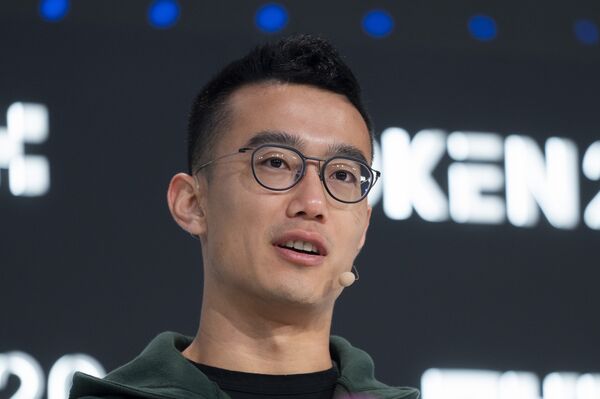
“该监管规定处于存在控制措施的层面,而且部署者确实是行使这些控制措施的主体,”颜(Yan)说道。“因此,这是该协议继续发挥其作为网络流动性基础设施层作用的非常自然的方式。”曾经是一家鲜为人知的初创企业的Hyperliquid正日益获得主流普及,特别是自美国总统唐纳德·特朗普在8月表示美国监管机构正致力于将该交易所引入国内之后。颜指出,尽管美国监管机构较为保守,但他们愿意对新技术采取快速行动。
Regulators “want to embrace innovation, but there’s a very heavy responsibility with that because there’s an existing system that by and large works well, serves many people, and has protections built in place,” said Yan. “So I think there’s very naturally this gap of wanting to understand, ‘is this technology truly compatible with our core principles?’”The question of how to regulate Hyperliquid has also drawn scrutiny from established exchange operators, including CME Group Inc. and Intercontinental Exchange Inc., Bloomberg has previously reported. In the Odd Lots interview, Yan pushed back on calling traditional finance players as “legacy,” as he believes that Wall Street institutions will also want to come and build on Hyperliquid eventually. Read: The $500 Billion Experiment to Build 24/7 Markets on Blockchain“We’re not trying to displace anything,” Yan said.
监管机构“希望拥抱创新,但这伴随着沉重的责任,因为现有的系统总体上运行良好,服务了很多人,并且内置了保障措施,”颜说道。“所以我认为,自然而然地会存在一种想要弄清楚‘这项技术是否真的与我们的核心原则相容’的鸿沟。”彭博社此前曾报道,如何监管Hyperliquid的问题也受到了包括芝商所集团公司和洲际交易所公司在内的传统交易所运营商的审视。
“In fact, I think the technology can benefit everyone who currently operates markets in a more traditional setting. And whether these markets are perpetual markets or settled dated futures is irrelevant because ultimately what you really need is an order book, clearing system and global distribution, concentration of liquidity.”On Hyperliquid’s ambition to be the“house of all finance,” Yan said his team is “very serious” about it. “Ultimately, the thinking is that the financial system is there to better serve as many people on this planet as possible,” said Yan. “I think many layers are moved, but this sort of permissionless employment system ultimately is accomplishing that goal.”
在《Odd Lots》节目的采访中,颜反驳了将传统金融参与者称为“陈旧”(legacy)的说法,因为他相信华尔街机构最终也希望来到Hyperliquid并在此基础上进行构建。
Before he moved to Singapore to start Hyperliquid Labs, Yan lived in Puerto Rico and ran a crypto fund called Chameleon Trading. Yan also worked at Hudson River Trading after he graduated from Harvard University.