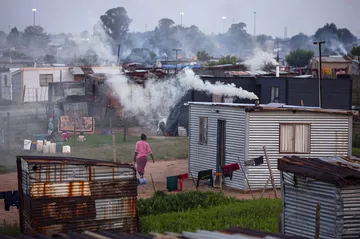
卢旺达环境部长表示,尽管非洲拥有可用于利润更高的污染抵消项目的自然资源,但非洲的大部分碳金融仍被引导至清洁烹饪项目。
Most carbon finance in Africa is directed at clean-cooking projects, despite the continent’s endowment with natural resources that could be utilized for more profitable pollution-offset ventures, Rwanda’s environment minister said.
推动全非洲约10亿仍主要使用木材或木炭火烹饪的人口转向使用更清洁的能源形式,一直是开发商唾手可得的目标。化石燃料的燃烧会产生气候变暖排放物和一氧化碳,这种毒素是导致每年50万非洲人寿命缩短的主要因素。
The drive to transition about 1 billion people across Africa who still primarily cook on wood or charcoal fires to using cleaner forms of energy has been an easy target for developers. The burning of fossil fuels produces climate-warming emissions and carbon monoxide, a toxin that’s a major contributor to shortening half a million Africans’ lives each year.
抵消项目包括引入使用液化石油气甚至电力等其他燃料的高效炉灶。它们旨在赚取碳信用额——每个信用额代表从大气中清除或从一开始就阻止其进入大气的一吨二氧化碳或其当量,这些信用额可以出售给排污行业——或者在某些情况下出售给国家——以抵消它们自己的排放。
Offset programs have included the introduction of more efficient stoves that run on other fuels, such as liquefied petroleum gas or even electricity. They aim to earn carbon credits, which each represent one ton of carbon dioxide or its equivalent either removed from the atmosphere or prevented from entering it in the first place, and can be sold to emitting industries — or in some cases countries — to offset their own emissions.
卢旺达环境部长贝尔纳黛特·阿拉克维耶(Bernadette Arakwiye)周三在该国首都基加利举行的碳市场会议上表示:“我们知道清洁烹饪至关重要。它能改善健康、减轻森林压力并创造真正的社会价值。”她接着说:“但非洲的雄心不能止步于此。我们需要能够惠及大规模可再生能源、电动出行、可持续废物管理、工业脱碳等项目的碳金融。”
“We know that clean cooking matters deeply. It improves health, reduces pressure on forests, and creates real social value,” Bernadette Arakwiye, Rwanda’s environment minister, said at a carbon markets conference in the country’s capital Kigali on Wednesday, “But Africa’s ambition cannot stop there. We need carbon finance that also reaches the large-scale renewable energy, electric mobility, sustainable waste management, industrial decarbonization” projects, she said.
非洲产生的温室气体只占全球极小的一部分,但其广袤的森林和可再生能源的推广具有产生碳日渐被各国政府视为收入来源。新加坡和瑞士等国已经寻求从非洲购买碳抵消额,航空公司和其他排污行业也是如此。
Africa produces a tiny fraction of the world’s greenhouse gases, but its vast forests and rollout of renewable energy offer potential to generate carbon credits and are increasingly being seen by governments as a source of revenue. Already countries including Singapore and Switzerland have sought to buy the offsets from Africa, as have airlines and other emitting industries.
v阿拉克维耶表示:“我们的市场仍然过于集中在那些更容易测量、更容易融资和更容易销售的干预措施上,”她指出,卢旺达87%的碳收入来自炉灶项目。“我们现在必须拓宽这一前沿。”她指出,农业这一大多数非洲人生计所依赖的部门、同时也是碳抵消额的最大潜在来源之一,在过去二十年中仅产生了自愿市场上发行的1%的碳信用额。
“Our markets remain too concentrated in interventions that are easier to measure, easier to finance, and easier to sell,” Arakwiye said, noting that Rwanda derives 87% of its carbon income from cookstove projects. “We must now broaden that frontier.”She noted that agriculture, the sector most Africans depend on for their livelihoods and potentially one of the largest sources of carbon offsets, has generated barely 1% of credits issued on the voluntary market over the past two decades.
根据联合国气候变化框架公约减排部门经理佩鲁马尔·阿鲁姆甘(Perumal Arumugam)的说法,非洲各国政府应寻求向回报率更高的抵消项目多元化发展,以便拥有更广泛的潜在出口组合。
African governments should seek to diversify into offset projects with higher returns so it can have a wider portfolio of potential exports, according to Perumal Arumugam, a manager in the United Nations Framework Convention on Climate Change’s mitigation division.
v尽管如此,根据国际能源署的数据,2024年撒哈拉以南非洲对炉灶及相关基础设施的投资达到了7亿7000万美元。
Even so, investment in stoves and related infrastructure hit $770 million in sub-Saharan Africa in 2024, according to the International Energy Agency.
BURN制造公司(BURN Manufacturing)已在12个非洲市场售出了700万台更节能的炉灶,每个碳信用额最高可赚取30美元。该公司一直利用这笔收入将更多炉灶的成本补贴约75%,从而使其每月售出25万台,并计划到2050年为10亿人提供清洁烹饪替代方案。
BURN Manufacturing has sold 7 million more-fuel-efficient stoves across 12 African markets, earning as much as $30 per credit. It has been using the revenue to subsidize the cost of additional stoves by about 75%, helping it move 250,000 units monthly, and it aims to provide 1 billion people with clean cooking alternatives by 2050.
BURN公司的首席商务官克里斯·麦金尼(Chris McKinney)表示,关于清洁烹饪的辩论主要集中在非洲,而世界其他地方的讨论则围绕碳清除、电动汽车和太阳能展开。
The debate about clean cooking is focused on Africa, with the conversation centering around carbon removal, electric vehicles and solar elsewhere in the world, according to Chris McKinney, BURN’s chief commercial officer.
他表示:“这些都是好事。但烹饪每年排放的温室气体与整个航空业或整个航运业相当。它的规模就是这么巨大。”他补充说:“提供清洁烹饪替代方案是非洲迄今为止最实惠、唾手可得的气候成果。这就是所有气候资金应该去的地方,它不仅对气候变化大有裨益,而且对人们的健康也极其重要。”
“These are all good things. But cooking emits as much every year as the whole aviation sector or the whole shipping sector. It’s this huge,” he said. The provision of clean-cooking alternatives is “by far the most affordable climate low-hanging fruit for Africa. This is where all of the climate funding should be going, and not only is it great for climate change, but just incredibly important for people’s health,” he added.