多年来,美国宇航局一直希望将人类带回月球表面,而“阿尔忒弥斯3号”(Artemis III)原本将是实现这一壮举的任务。情况将不再如此。
For years, NASA hoped to bring humans back to the moon’s surface, and Artemis III was going to be the mission to accomplish this feat. That will no longer be the case.
在去年4月“阿尔忒弥斯2号”成功进行飞越之后,该项目的日程表进行了修改。根据最近的宣布,下一次任务将不得不等到2028年,尽管新计划公认不如登月那样引人注目,但它们绝非可有可无。
Following the successful Artemis II flyby last April, the program’s schedule was revised. According to the most recent announcements, the next mission will have to wait until 2028, and while the new plans are admittedly less spectacular than a lunar landing, they’re hardly dispensable.
2027年,美国宇航局计划在地球轨道上测试“猎户座”飞船是否能够与来自太空探索技术公司(SpaceX)和蓝色起源公司(Blue Origin)的商业登月系统安全交会并协同运行,然后再尝试在月球周围进行相同的机动。西班牙语《连线》杂志采访了“阿尔忒弥斯3号”项目的科学家芭芭拉·科恩,以更好地了解这项即将到来的任务——谈话内容从面对日益强大的机器人和传感器时人类依然发挥的作用,一直延伸到我们能从月球上保存的痕迹中了解关于太阳系暴力过去的什么信息。这篇访谈经过了篇幅和清晰度的编辑。
In 2027, NASA plans to test in Earth orbit whether the Orion capsule can safely rendezvous and operate with commercial lunar landing systems from SpaceX and Blue Origin before attempting those same maneuvers around the moon. WIRED en Español spoke with Barbara Cohen, a scientist on the Artemis III project, to better understand this upcoming mission—the conversation ranging from the role humans still play in the face of increasingly capable robots and sensors to what we can learn about the solar system’s violent past from traces preserved on the moon. This interview has been edited for length and clarity.
豪尔赫·加雷:人们应该对“阿尔忒弥斯3号”有何期待?为什么这项任务即使不会将宇航员送上月球也很重要?
JORGE GARAY: What should people expect from Artemis III, and why does this mission matter even if it won’t land astronauts on the moon? BARBARA COHEN: Artemis III is an Earth-orbiting mission.
芭芭拉·科恩:“阿尔忒弥斯3号”是一项环地球轨道任务。这就是接下来要进行的那项。我们将把载有人员的“猎户座”飞船送入地球轨道。蓝色起源公司和太空探索技术公司是制造登月舱的公司,因此这两家公司中的每一家都将制造一个测试舱。它不会是完整的登月舱,但这些公司会将他们版本的测试舱送入地球轨道以与“猎户座”会合。这是为了确保“猎户座”能够与登月舱会合,以便当它们前往月球轨道时,能够安全地完成。
That’s the one that’s coming up next. We will send the Orion capsule to Earth’s orbit with the people in it. Blue Origin and SpaceX are the companies that are making the lunar landers, so each one of those companies will make a test article. It won’t be the full lunar lander, but those companies will send their version of the test article into Earth’s orbit to meet up with Orion. This is to make sure that Orion can meet with the lunar landers, so that when they do go to lunar orbit, they can do that safely. Where does science fit into the Artemis program, and what have you learned so far about how astronauts can contribute scientifically?
科学在“阿尔忒弥斯”计划中处于什么位置?迄今为止,关于宇航员如何做出科学贡献,你们学到了什么?
The Artemis missions, just to be clear, are not science missions. They’re exploration for a lot of different reasons.
坦白说,“阿尔忒弥斯”任务并不是科学任务。出于许许多多的原因,它们是探索任务。我们开展这项工作是为了技术发展。我们这样做是为了激发灵感。我们并试图从这次机会中获取我们所能得到的科学成果。因此,我们仍然在非常努力地寻找因为该任务存在而独一无二的科学机遇。
We do that for technology development. We do that for inspiration. And we try to get the science that we can from the opportunity. And so we still work really hard to identify unique science opportunities that exist because the mission exists. One of the things on Artemis III we’re doing is like a dress rehearsal for bringing samples back from the moon. When we land on the moon and start to bring samples back, those samples change as soon as you take them out of their natural environment.
我们在“阿尔忒弥斯3号”上要做的事情之一,就像是从月球带回样本的彩排。当我们登陆月球并开始把样本带回时,这些样本一旦离开它们的自然环境就会发生变化。我们试图确保它们发生的变化尽可能小,但它们确实会发生变化。
We try to make sure that they change as little as possible, but they are going to change. You have to bring them back and put them into curation so that scientists can study them. We want to understand every step along the way: What could be changing the samples, how the samples could be reacting, especially to the environment around them.
你必须把它们带回并交由专人保管,以便科学家能够研究它们。我们希望了解整个过程中的每一步:是什么在改变样本,样本会如何发生反应,尤其是对它们周围环境的反应。因此,我们的乘组将部署这些见证材料——铝箔碎片、特氟龙碎片,或许还有陶瓷碎片。它们是非常干净的表面,是非常小的碎片,大约有25美分硬币或5美分硬币那么大。团队将在飞行过程中打开这些材料并将其暴露在乘组舱内。这将让我们了解人类是如何改变其周围环境的。
So we’ll have our crew deploy these witness materials—pieces of aluminum foil, pieces of Teflon, maybe pieces of ceramic. They’re very clean surfaces, very small pieces, maybe the size of a quarter or a nickel. And the team will be opening those up and exposing them to the crew cabin throughout their flight. That’ll give us a feel for how the humans change the environment around them. With the capabilities of probes and other robotic tools today, what is the purpose of sending human astronauts into space? If you just want to take pictures, you do that with robotic assets.
凭借当今探测器和其他机器人工具的能力,将人类宇航员送入太空的目的是什么?
Robots can take pictures.
如果你只是想拍照,你可以用机器人资产去做。机器人可以拍照。它们一直在这样做。我们在该地区有很多照片。我们在国际空间站上也有一个途径,可以让我们要求:“请拍一张这个的照片。请拍一张那个的照片。”我们在“阿尔忒弥斯2号”上没有这样做,我们在“阿尔忒弥斯3号”、“阿尔忒弥斯4号”、“阿尔忒弥斯5号”或“阿尔忒弥斯6号”上也不是这样做的。
They do that all the time. We have lots of pictures in the area. We also have, on the International Space Station, a way for us to ask, “Please take a picture of this. Please take a picture of that.”That’s not what we did with Artemis II, and that’s not what we’re trying to do with Artemis III or Artemis IV, V, VI. With the Artemis missions, we’re trying to use the humans to their best capability, and what the humans are really good at is seeing a wide scene, zooming in on details very naturally, and then trying to interpret what they’re seeing and take the next step. We don’t know everything about the moon.
在“阿尔忒弥斯”任务中,我们正试图发挥人类的最佳能力,而人类真正擅长的是观察广阔的场景,非常自然地放大细节,然后试图解读他们所看到的东西并采取下一步行动。
To learn more, we need to literally go on the surface and figure out what’s there and where to go next.
我们对月球并非无所不知。为了解更多信息,我们需要真正前往月球表面,弄清楚那里有什么以及接下来要去哪里。因此,其中一部分工作是试图进行培训——不仅是培训机上的乘组,还要培训飞行总监、科学团队和工程师。我们都需要共同努力,使人类能够发挥他们最擅长的能力。
So some of this is trying to train—not just the crew onboard—but the flight directors and the science team and the engineers. We all need to work together to enable humans to do what they do best. We also give the crew science prompts. We say, “What do you think is happening in this scene? There’s something like a storm or an algal bloom or a fire. What do you see? How do you see the scene changing? What do you think that means? What do you think is causing that change? What do you think is going to happen next? If you could do anything, what would you do next?”
我们还给乘组提供科学提示。我们说:“你认为这个场景中正在发生什么?这里有类似于风暴、藻华或火灾的东西。你看到了什么?你如何看待场景的变化?你认为这意味着什么?你认为是什么导致了这种变化?你认为接下来会发生什么?如果你可以做任何事,你接下来会做什么?”这有助于我们理解他们在看什么,这不仅仅是拍照。这是用他们的头脑进行观察、理解和推断。这是人类真正擅长的事情。这也是我们将要求他们去做的事情。
That helps us understand what they’re looking at, which is not just taking pictures. It’s making observations, making understanding, making inferences with their brains. That’s what humans are really good at. That’s what we’ll be asking them to do. From a science point of view, we learned a lot about how crew really wants to use their powers of observation, and how we should participate in the observations and train them in the science that we want them to do. We also had the ability to include science directly in flight.
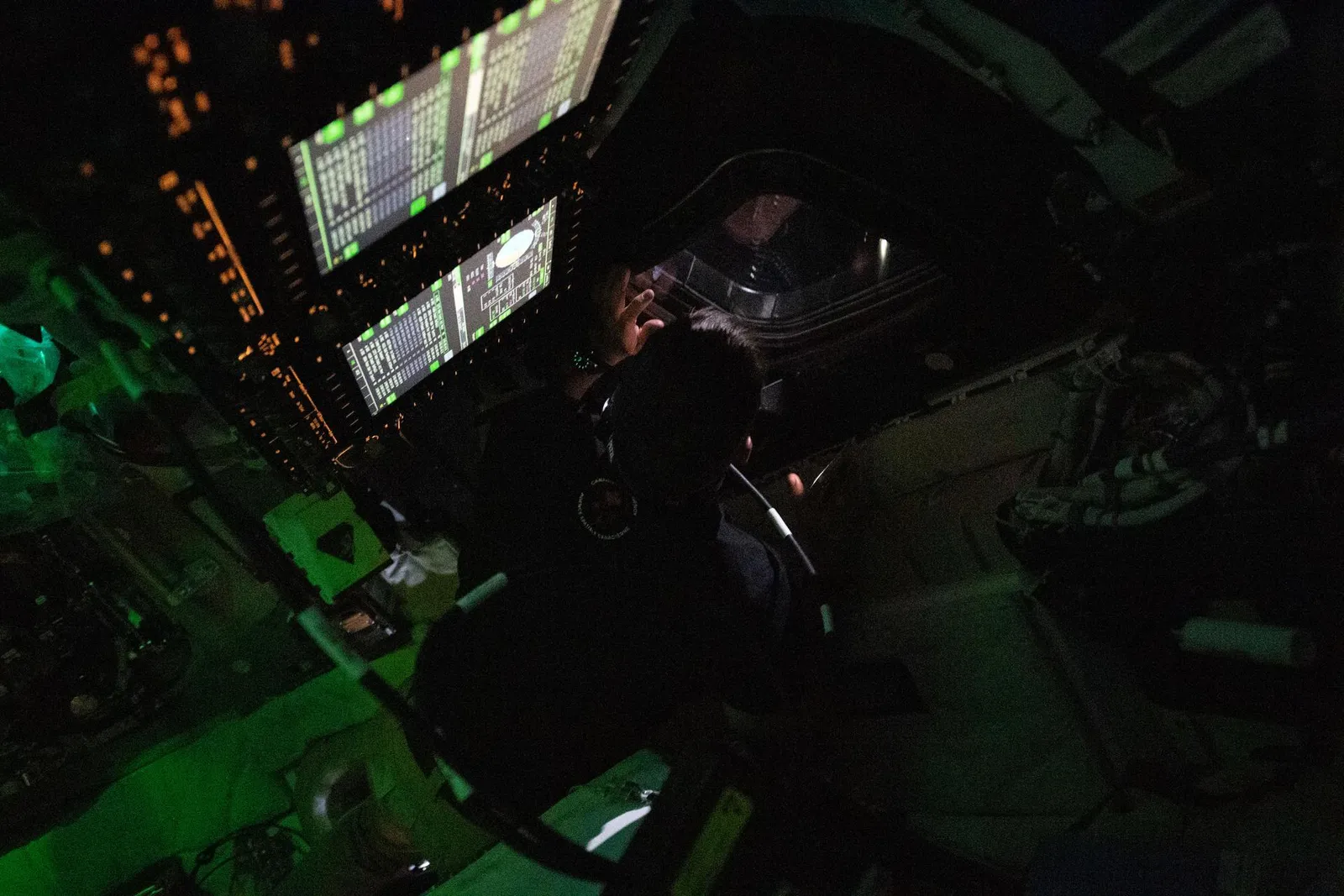
从科学的角度来看,我们学到了很多关于宇航员真正希望如何运用他们的观察能力,以及我们应该如何参与这些观测并在他们身上培训我们希望他们开展的科学工作。我们还具备了将科学直接纳入飞行的能力。在“阿尔忒弥斯二号”任务中,我们的科学官直接与机组人员进行了对话。这是一项新举措,我们将把这个做法延续到“阿尔忒弥斯三号”及以后的任务中。
On Artemis II, we had our science officer talk directly to crew. That was a new thing that we’ll be carrying forward to Artemis III and beyond. When humans return to the lunar surface, what scientific questions would you most like Artemis to help answer? I have a personal opinion.
当人类重返月球表面时,你最希望“阿尔忒弥斯”帮助解答哪些科学问题?
My personal scientific interest is how old craters on the moon are.
我有一个个人观点。我个人的科学兴趣是月球上的撞击坑有多古老。如果你用双筒望远镜、小型望远镜甚至在图片中观察月球,你会发现它布满了撞击坑。事实上,我们称之为饱和,因为每一个新形成的撞击坑都落在另一个撞击坑上面。整个表面都布满了撞击坑。地球则不然,但我向你保证,月球上形成的每一个撞击坑,地球上也曾挨过一个。
If you look at the moon—with binoculars or a small telescope, or even in pictures—you see that it is covered in craters. In fact, we call it saturated, because every crater that forms does so on another crater. The whole surface is covered in craters. The Earth is not, but I promise you that for every crater that formed on the moon, there was a crater that formed on Earth. The moon doesn’t get hit more than the Earth, but we have a lot of water. We have erosion on our continents.
月球挨撞的次数并不比地球多,但我们有大量的水。我们的陆地上有侵蚀作用。我们的地壳在移动。它们会发生俯冲。有新的陆地在形成。地球上的所有这些过程都抹去了撞击坑。因此,如果我们想知道过去是什么撞击了地球——而且我向你保证,确实有物体撞击过地球——我们在地球上已经找不到这些证据了。它们已经被抹去了。所以我们必须去月球找出答案。
Our continents move around. They get subducted. We get new land that forms. All of those processes on the Earth erase craters. And so, if we want to know what was hitting the Earth in the past—and I promise you that things were hitting the Earth—we can’t find that evidence on the Earth anymore. We’ve erased it. So we have to go to the moon to figure that out. There was a period in time when the solar system was forming—4.5 billion years ago, 4 billion years ago. Humans weren’t around.
在太阳系形成的一个时期——45亿年前、40亿年前,人类尚不存在,地球上还没有生命诞生。我们认为,当时的太阳系非常动态,发生了大量撞击,物质也在大量交换。因此,当时有许多陨石坑——巨大无比的陨石坑、盆地大小的陨石坑、有大陆那么大的陨石坑。它们确实对月球造成了严重破坏,对地球也必定产生过破坏。
Life hadn’t arisen on Earth yet. We think that the solar system was very dynamic, and there were a lot of impacts happening, a lot of material being exchanged. So there were a lot of craters—big, big craters, basin-size craters, craters the size of continents. They really disrupted the moon, and they would have disrupted the Earth as well.
正如我所说,我们没有任何这方面的证据,因为我们已经找不到那个时期的任何岩石了。但这确实非常值得了解。地球是否曾数次遭受破坏?生命是如何开始的?我们是如何获得营养物质的?物质是如何在太阳系中移动的?这些证据都保留在月球上。
Like I said, we don’t have any evidence of that because we don’t have any rocks from that time anymore. But it’s really worth knowing. Did we disrupt the Earth several times? How did life get going? How did we get nutrients? How did material move around the solar system? That evidence is preserved on the moon.
有一个被称为南极-艾特肯盆地的大型陨石坑。它位于月球背面,但与我们预期人类将要前往的月球南极相交。我个人的愿望是,人类能够收集那个大陨石坑的碎片,这样我们就能了解它是何时形成的、它对月球做了什么,以及当时太阳系中发生了什么。
There is a big crater called the South Pole-Aitken Basin. It’s on the lunar far side, but it intersects the South Pole of the moon, where we expect humans to be going. It would be my personal desire that humans could collect pieces of that big crater, and we could understand when it formed and what it did to the moon and what was happening in the solar system at that time.
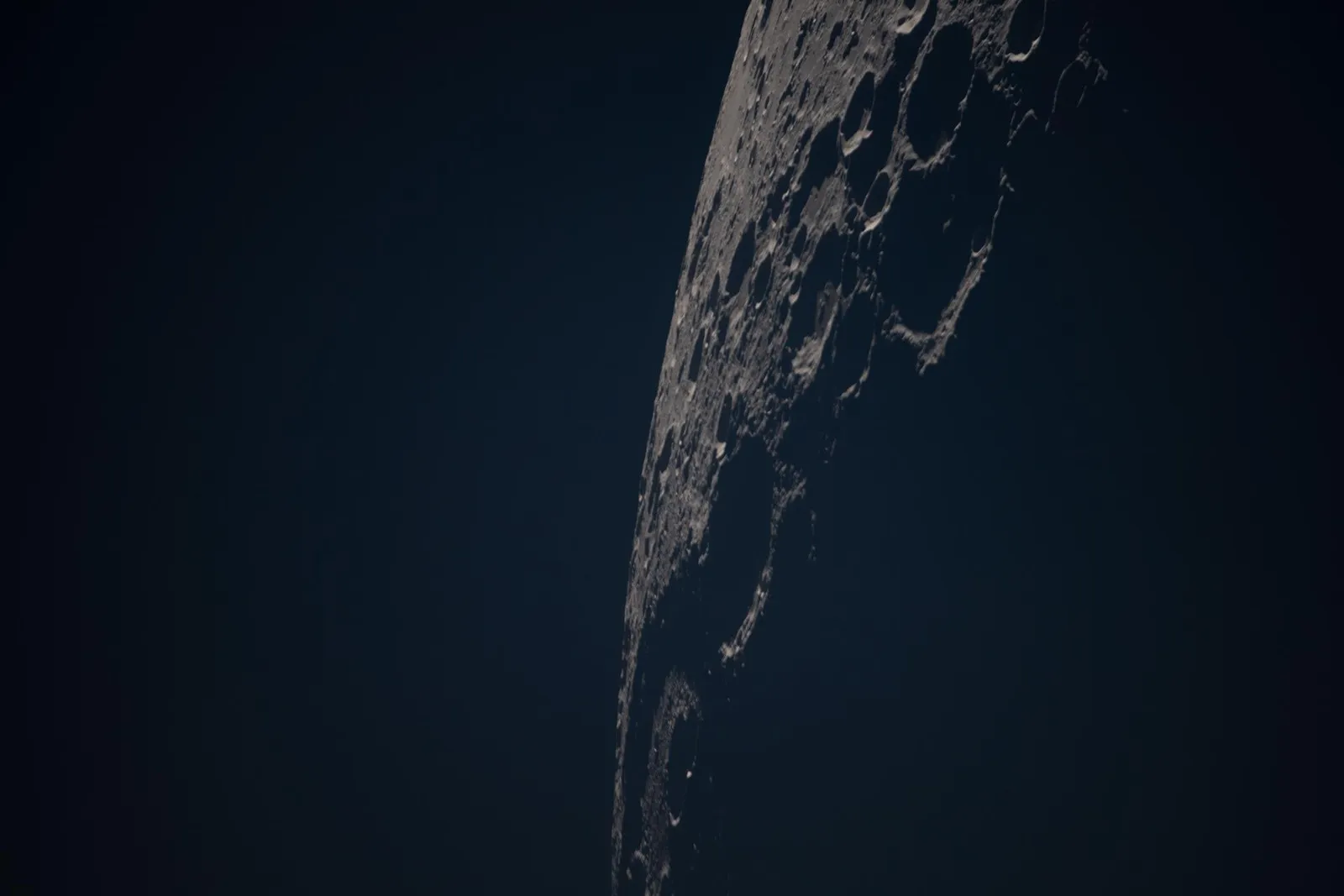
阿尔忒弥斯3号还不会马上做到这一点。目前预计作为预计于2028年初发射的阿尔忒弥斯4号任务的一部分,人类将在月球着陆。在此之前,即将到来的第三次任务必须展示一些远不那么壮观、但对该计划的未来至关重要的事情:飞船、程序以及有朝一日将执行这些任务的人员能够安全地协同工作。
Artemis III won’t do that just yet. Lunar touchdown is currently expected as part of Artemis IV, which is expected to take off in early 2028. Before then, the upcoming third mission will have to demonstrate something far less spectacular, but crucial for the program’s future: That the spacecraft, procedures, and the people who will one day carry out these missions can work together safely.
这个故事最初发表在《连线》杂志西班牙语版上,由西班牙语翻译而来。
This story originally appeared on WIRED en Español and has been translated from Spanish.