根据一家印度领先的可再生能源公司首席执行官的说法,全球对中国在关键太阳能、风能和电池部件方面的巨大依赖,由于供应链容易受到中断,对全球能源转型构成风险。
The world’s overwhelming dependence on China for critical solar, wind and battery components poses a risk to the global energy transition by leaving supply chains vulnerable to disruption, according to the chief of a top Indian renewables company.
中国制造了全球近90%的太阳能电池板,其主导地位深入到电池和其他关键技术的供应链,纳斯达克上市公司ReNew Energy Global Plc首席执行官苏曼特·辛哈如是说。他补充称,这种集中度“不健康”。
China manufactures almost 90% of the world’s solar panels, with its dominance extending deep into the supply chains for batteries and other critical technologies, Sumant Sinha, chief executive officer of Nasdaq-listed ReNew Energy Global Plc. Such concentration is not “healthy,” he added.
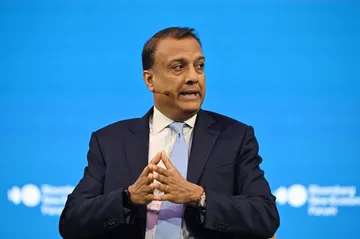
“我们都应该找到规避这种依赖的方法,”辛哈在新德里的彭博新经济论坛上表示。“令我担忧的是,目前世界其他地区还没有朝着这个方向思考。”根据国际能源署的数据,中国是清洁能源设备的全球领先供应商——包括太阳能电池板、风力涡轮机部件和电池——并在多个绿色能源供应链中占据全球产能的60%至85%。它还主导着稀土加工,而稀土加工对磁铁和电池部件至关重要。
“We should all find ways of getting around that” Sinha said at the Bloomberg New Economy Forum in New Delhi. “What worries me is that the rest of the world is not thinking along those lines right now.”China is the world’s leading supplier of clean energy equipment — including solar panels, wind turbine components and batteries — and accounts for 60% to 85% of global production capacity across multiple green energy supply chains, according to the International Energy Agency. It also dominates rare-earth processing, which is essential for magnets and battery components.
根据彭博新能源财经的数据,全球每年需要投资超过2万亿美元才能摆脱化石燃料,而中国的主导地位可能会加剧各国在争相扩大清洁能源供应以满足人工智能和工业增长需求时对供应链脆弱性的担忧。
The world needs to invest more than $2 trillion annually to move away from fossil fuels, according to BloombergNEF data, and China’s dominance could amplify concerns about supply-chain vulnerabilities as countries race to expand clean energy supplies to meet demand from artificial intelligence and industrial growth.
辛哈表示,印度正在比大多数国家更快地采取行动以使自身免受此类风险的影响。该国正在发展自己的供应链,尽管建设一个“相对独立”的生态系统可能需要五到七年,他补充道。“但我们一定会实现这一目标。”
India is moving faster than most countries to insulate itself from risks, Sinha said. The country is developing its own supply chain, though building a “relatively independent” ecosystem could take five to seven years, he added. “But we are going to get there.”