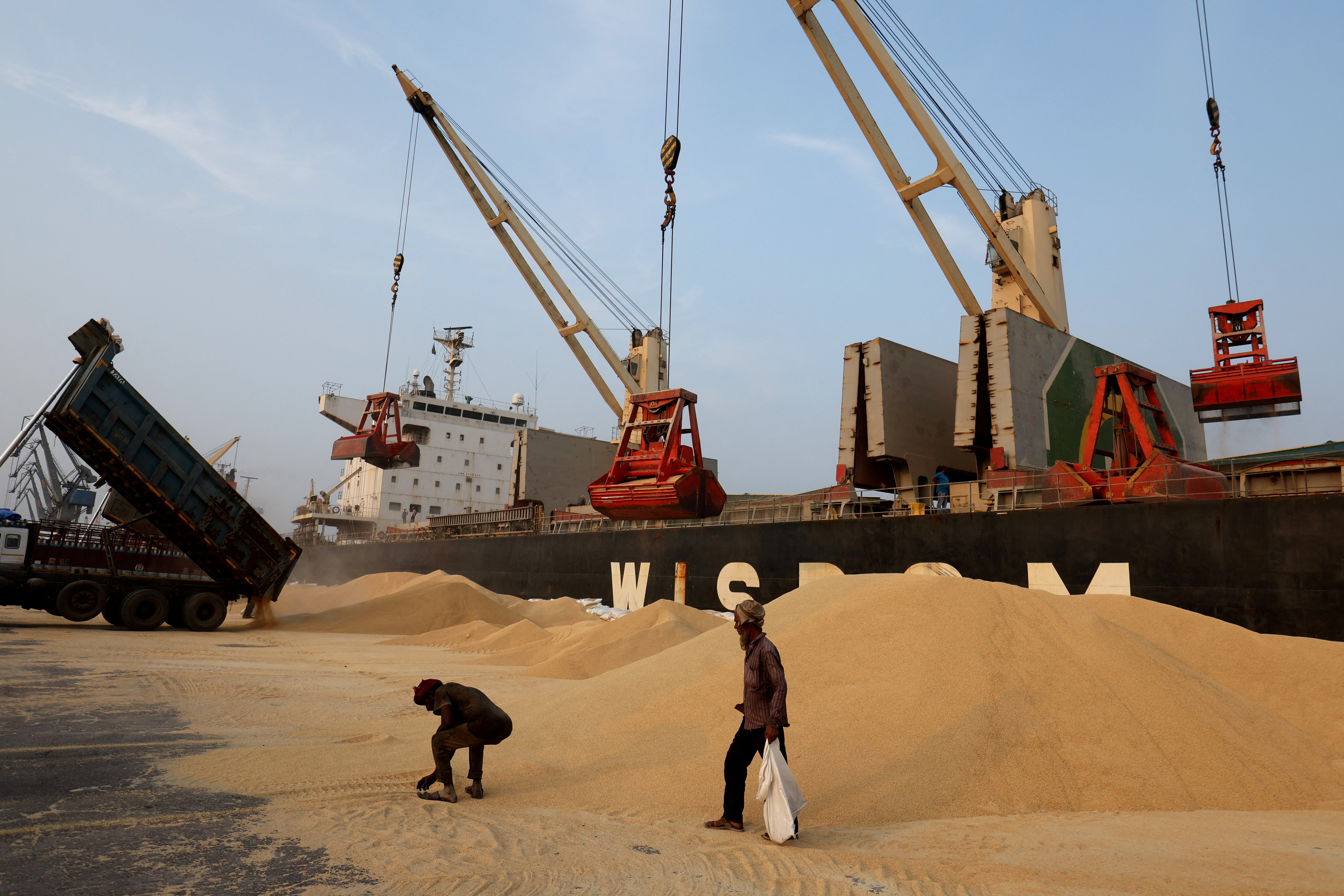
四位贸易消息人士周四表示,由于印度买家因海关对疑似进口税逃避的调查扩大而却步,原本运往印度的约1.1万吨尼日尔产大豆被改道至其他亚洲市场,并以大幅折扣出售。
Around 11,000 metric tons of Niger-origin soybeans bound for India were diverted to other Asian markets and sold at steep discounts as a widening customs probe into suspected import tax evasion deterred Indian buyers, four trade sources said on Thursday.
消息人士称,这些大豆在海上被改道后,以每吨470至510美元的价格卖给了越南、印尼和孟加拉国的买家,而印度买家原本同意的价格超过每吨650美元,但在海关当局加强审查后,他们拒绝提货。
After being diverted at sea, the soybeans were sold to buyers in Vietnam, Indonesia and Bangladesh at prices between $470 and $510 per ton, compared with more than $650 per ton agreed by Indian buyers, who refused to take delivery after customs authorities stepped up scrutiny, the sources said.
路透社本月报道,印度海关当局正在调查申报产自尼日尔的大豆进口激增的情况,怀疑这些货物实际上来自尼日利亚,并被错误标注以逃避进口关税。
Indian customs authorities are investigating a surge in soybean imports declared as originating in Niger, suspecting the cargoes came from Nigeria and were mislabelled to evade import tariffs, Reuters reported this month.
印度对被列为最不发达国家的国家(如尼日尔)的进口实行零关税。作为世界第五大大豆生产国,印度在收成不佳的情况下,今年进口创纪录的100万吨大豆。
India allows duty-free imports from countries categorised as least-developed, such as Niger. India, the world's fifth-largest soybean producer, imported a record 1 million metric tons of soybeans this year after a poor harvest.
当局正在寻求更多文件以核实大豆的产地,以符合零关税入口的条件;若无法证明货物产自尼日尔,进口商需补缴关税。
Authorities are seeking more documents to verify the soybeans' origin for duty-free entry, requiring importers to pay duties if they cannot prove the shipments originated in Niger.
贸易商表示,买家不愿提货,因为他们担心卖方提供的文件不足以证明大豆的产地,届时将被迫缴纳45%的关税。印度海关当局和尼日尔工商会均未对置评请求作出即时回应。
Buyers are reluctant to take delivery because they fear the documents provided by sellers will not be sufficient to prove the soybeans' origin and they will be forced to pay the 45% duty, traders said. Indian customs authorities did not immediately respond to a request for comment.
路透社此前报道,自上个月向海关官员发出内部警报后,海关当局加强了对申报产自尼日尔的进口的审查,目前仍有约60个集装箱(相当于1500吨)大豆滞留在孟买附近的贾瓦哈拉尔·尼赫鲁港(JNPT)。
Niger's Chamber of Commerce and Industry did not immediately respond to a request for comment. Around 60 containers of soybeans, or 1,500 tons, are still stranded at Jawaharlal Nehru Port (JNPT) near Mumbai after customs authorities stepped up scrutiny of imports declared as originating in Niger, following an internal alert issued to customs officials last month, as reported by Reuters.
由于伊朗战争,近几个月来集装箱运费大幅上涨,卖家急于避免货物在港口滞留,以免产生高额滞港费,消息人士称。
Container freight rates have risen sharply in recent months due to the Iran war, and sellers are keen to avoid shipments getting stranded at ports, where they could incur hefty demurrage charges, the sources said.
印度仅允许进口非转基因(GM)大豆,这限制了供应来源,仅限于贝宁、尼日利亚、多哥和尼日尔等少数非洲国家,在这些国家,非转基因大豆相较于实验室改良品种溢价显著。
India permits imports only of non-genetically modified (GM) soybeans, limiting supplies to a handful of African countries, including Benin, Nigeria, Togo and Niger, where non-GM beans command a steep premium over lab-altered varieties.
一位越南胡志明市一家油磨企业的官员表示,非洲卖家正将货物转向其他亚洲市场,因为这些市场的买家通常购买转基因大豆,迫使卖家必须以折扣价出售非转基因大豆,以匹配转基因大豆的价格。
African sellers are diverting shipments to other Asian markets, where buyers typically purchase GM soybeans, forcing sellers to offer the non-GM beans at discounts to match GM soybean prices, said an official with an oil miller based in Ho Chi Minh City, Vietnam.
该官员及其他贸易官员拒绝透露姓名,因为根据其公司政策,他们未获授权接受媒体采访。
He and other trade officials declined to be named because they were not authorised to speak to the media under their companies’ policies.
消息人士称,尼日尔产大豆的售价曾降至每吨低至470美元,而印度买家同意的价格则超过650美元,因为卖家更倾向于限制损失,而非支付印度清关所需的进口税。
Niger-origin soybeans were sold for as little as $470 per ton, compared with more than $650 agreed by Indian buyers, as sellers sought to limit losses rather than pay the import tax required for Indian customs clearance, the sources said.
尽管尼日尔几乎不产油料作物,但印度贸易部数据显示,2026年前八个月,印度申报原产于尼日尔的大豆进口量从零激增至404,429吨。
India's soybean imports declared as originating in Niger rose to 404,429 tons in the first eight months of 2026 from zero, trade ministry data showed, even though Niger produces no significant quantity of the oilseed.