美国检查员记录了中国两家工厂的恶劣状况,这些工厂为在美国广受欢迎的复方GLP-1药物生产关键成分。其中一家工厂的设备上长有黑霉,地面也存在“严重污染”。
US inspectors documented egregious conditions at two Chinese factories making key components for compounded GLP-1 drugs popular in America, including black mould on equipment and “gross contamination” on floors at one plant.
根据通过《信息自由法》申请获得的报告,检查员在该工厂发现员工试图隐藏文件并偷偷倒掉产品样品,而在另一家工厂则发现了伪造文件的证据。
The inspectors caught employees trying to hide paperwork and furtively pouring out product samples at that plant and evidence of bogus documentation at the other, according to reports obtained under a Freedom of Information Act request.
这两家公司为定制版本生产了司美格鲁肽和替尔泊肽——诺和诺德(Novo Nordisk)和礼来公司(Eli Lilly & Co)畅销减肥药的活性成分。但这些定制版本既未获监管机构批准销售,也未经安全性和有效性审查。
The two companies manufactured semaglutide and tirzepatide – the active ingredients in weight-loss blockbusters from Novo Nordisk and Eli Lilly & Co – for custom-made versions that are not approved for sale by regulators nor reviewed for safety or effectiveness.
美国食品药品监督管理局(FDA)已将这两家公司列入进口警示名单,这意味着其产品可能被禁止进入美国。
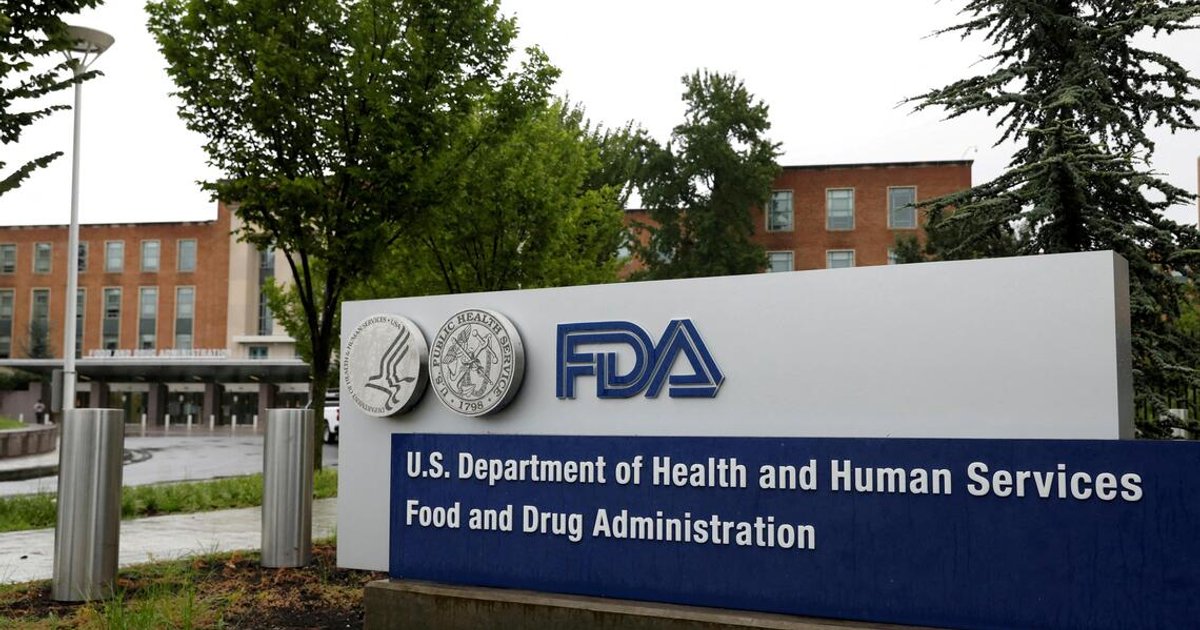
The Food and Drug Administration (FDA) put the companies on its import-alert list, meaning their products can be prevented from entering the US.
所谓的药物复配商已向市场大量投放价格相对低廉的热门减肥药仿制品,而中国是这些活性成分的主要供应国。
So-called drug compounders have flooded the market with relatively cheap copies of hugely popular weight-loss medications, with China a major supplier of the active ingredients.
Canal Row Advisors公司主管、前FDA检查与调查副专员迈克尔·罗杰斯(Michael Rogers)表示,此次检查的发现“表明一场严重事故正在等待发生”。
The inspection findings “suggest a serious accident waiting to happen,” said Michael Rogers, a principal at Canal Row Advisors and a former associate commissioner for inspections and investigations at the FDA.
其中一家制造商成都盛诺生物制药(Chengdu Shengnuo Biopharm)是成都盛诺生物科技公司(Chengdu Shengnuo Biotec)的子公司。该公司在中国的一份监管文件中称,其已“认真实施有效措施”以纠正这些问题。“昆虫活动”报告称,今年8月,当FDA检查员抵达中国西南部的成都盛诺时,他们发现质量控制人员正将实验室的文件跑到大厅另一侧的房间,并将这些文件塞进储物柜中。
One of the manufacturers, Chengdu Shengnuo Biopharm, is a subsidiary of Chengdu Shengnuo Biotec. It said in a regulatory filing in China that it has been “diligently implementing effective measures” to rectify the issues. ‘Insect activity’When FDA inspectors arrived at Chengdu Shengnuo in southwest China in August, they caught quality control staff running with documents from their lab to a room across the hall, where they stuffed the papers into lockers, according to the report.
检查人员表示,他们未能找回所有文件,还看到工作人员“似乎经过协调”地将产品样品倒入水槽中。除了霉菌和肮脏的地板外,检查人员还在天花板内发现了“大量昆虫活动”。
The inspectors said they were not able to recover all the documents and that they also saw personnel pouring product samples into sinks “in a seemingly coordinated effort.”In addition to the mould and filthy floors, inspectors noticed “significant insect activity” in ceilings.
根据第二份报告,在中国东海岸的南京成工制药公司,检查人员于9月发现,工人曾购买其他工厂生产的活性成分,并擅自贴上南京成工的批准印章。
At Nanjing Chengong Pharmaceutical on China’s east coast, inspectors discovered in September that workers had been buying active ingredients made by other factories and slapping Nanjing Chengong’s seal of approval on them, according to a second report.
报告称,南京成工的员工并未审查其他工厂的测试信息,以确认这些产品是否安全。
Nanjing Chengong’s staff didn’t review the other factories’ testing information to confirm the products were safe, according to the report.
向美国市场销售药品和活性成分的制造商,本应测试样品并保留相关证明文件,以备美国食品药品监督管理局(FDA)的检查人员查验。这些公司未对电子邮件的评论请求作出回应。
Drug and active-ingredient makers that sell to the US market are supposed to test samples and retain supporting documentation for FDA inspectors. The companies didn’t respond to email requests for comment.
发言人丹·迪什纳表示,总部位于加利福尼亚州兰乔库卡蒙加的专科制药公司Amphastar Pharmaceuticals,在南京汉信制药技术公司中持有11.5%的少数股权。南京成工是南京汉信的子公司。迪什纳称,Amphastar既不对南京汉信或其子公司的运营进行控制,也未积极参与其中。
Amphastar Pharmaceuticals, a specialty-drug company based in Rancho Cucamonga, California, holds an 11.5% minority ownership in Nanjing Hanxin Pharmaceutical Technology, said Dan Dischner, a spokesperson. Nanjing Chengong is a subsidiary of Nanjing Hanxin. Amphastar neither controls nor is actively involved in Nanjing Hanxin’s or its subsidiaries’ operations, Dischner said.
短缺问题:虽然品牌药和仿制药需经过FDA的审查和批准,但调配药则无需经过这一流程。
Shortage over While brand-name and generic drugs receive FDA review and approval, compounded drugs do not.
检查人员会对调配药供应商进行突击检查,而这些供应商必须从经FDA认证的制造商处采购原料。根据该机构记录,南京成工最近一次接受检查是在2025年3月,成都盛诺则是在2023年9月。
Inspectors make spot checks of suppliers of compounding facilities, which are required to purchase ingredients from FDA-ed manufacturers. Nanjing Chengong was last inspected in March 2025 and Chengdu Shengnuo in September 2023, according to agency records.
调配药企业可以为无法耐受品牌药物的患者提供替代方案,例如通过调整配方,去除患者过敏的非活性成分,或制成不同的剂型。
Compounders are allowed to offer alternatives to patients who cannot tolerate brand-name medications, tweaking a formula by, say, removing inactive ingredients people are allergic to or creating different dosage forms.
此外,如果某种药物出现短缺——正如2022年的司美格鲁肽和替尔泊肽那样——调配药行业可能会介入填补供应缺口。
And if a drug falls into short supply – as semaglutide and tirzepatide did in 2022 – the compounding industry may step in.
但它们已不再短缺,而且并非所有配药商都缩减了规模。一些配药商遵循一种理论,即美国法律允许销售仿制药,只要添加至少一种添加剂,例如维生素B12。
But they are no longer in shortage, and all compounders have not scaled down. Some operate under the theory that US law allows the sale of copycats if at least one additive is thrown in, such as vitamin B12.
近15年前,配药行业曾受到严格审查。当时,新英格兰配药公司销售了受污染的药品,包括用于止痛的类固醇注射剂,导致超过700人感染脑膜炎,其中64人死亡。
Compounding came under intense scrutiny almost 15 years ago when the New England Compounding Pharmacy sold contaminated drugs, including steroid shots for pain, that infected more than 700 people with meningitis, killing 64.
这些死亡事件引发了国会的调查,并促使美国食品药品监督管理局(FDA)加强了对配药商的监管。然而,该机构一直难以维持足够的资源来应对这项任务。
The deaths prompted a congressional investigation and gave the FDA increased oversight of compounders. But the agency has struggled to maintain the resources to keep up with the task.
根据华盛顿特区智库布鲁金斯学会的一项分析,配制的GLP-1药物中相当一部分活性成分来自中国。其2025年报告指出,南京成工公司的母公司南京汉欣是一家主要供应商。
A significant proportion of active ingredients in compounded GLP-1s come from China, according to an analysis from the Brookings Institution, a think tank in Washington, DC. Its 2025 report said Nanjing Hanxin, Nanjing Chengong’s parent company, was a large supplier.
尽管中国正日益成为仿制药市场的重要组成部分,为那些负责最终生产并销售价格较低、经FDA批准的治疗药物的公司提供活性成分和原材料,但中国的制药工厂往往未能达到美国药品制造标准。BLOOMBERG
Plants in that country have often fallen short of US pharmaceutical-manufacturing standards, even as China has increasingly become an integral part of the generic market, providing active ingredients and raw materials to companies that finish and sell the lower-cost, FDA-approved versions of treatments. BLOOMBERG