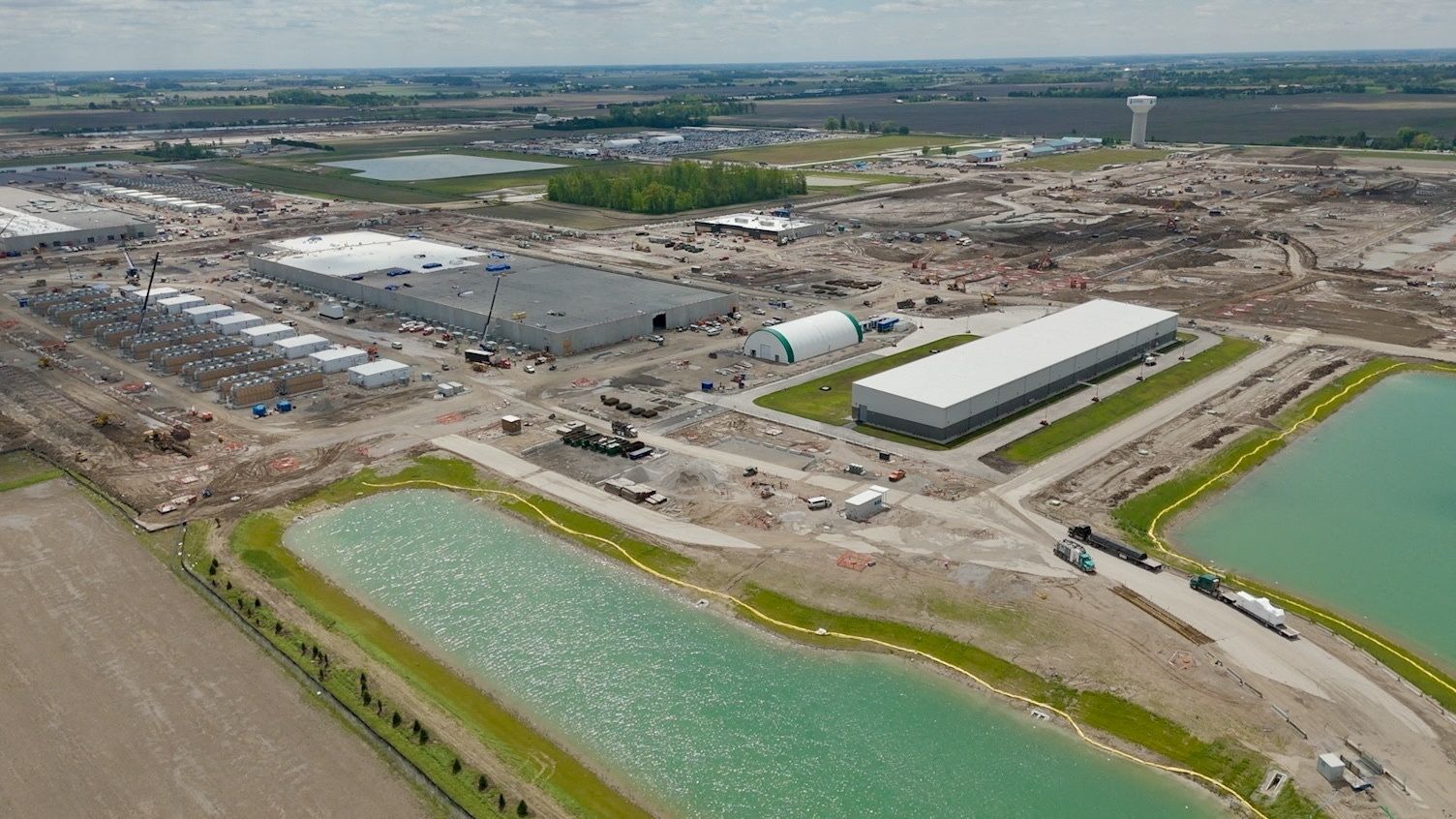
Liz’s view AI热潮的瓶颈,先是芯片,接着是电力,再是内存。现在,即将变成资金。
Liz’s view The bottleneck in the AI boom was chips, then power, then memory. It’s about to become money.
这听起来可能很奇怪,因为Anthropic正准备进行1万亿美元以上的首次公开募股,数据中心还像大型超市罂粟一样不断涌现。但上周,为这场游戏提供资金的贷款人中的恐惧和沮丧情绪明显加剧。
That might sound strange as Anthropic prepares for a $1 trillion-plus IPO and data centers keep sprouting like big-box poppies. But the fear and exasperation among the lenders whose money fuels this game sharpened noticeably over the past week.
不仅仅是持续数日的芯片抛售在扰乱全球市场。“芯片短缺,电力短缺,很快,资金也将短缺,”新加坡最大银行星展银行(DBS)的首席执行官本周在曼谷对Semafor记者谢莉·班乔(Shelly Banjo)表示。
It’s not just the days-long chip selloff that’s messing with global markets. “There’s shortages in chips. There’s shortages in power. And soon, there will be shortages of capital,” the CEO of Singapore’s biggest bank, DBS, warned Semafor’s Shelly Banjo in Bangkok this week.
“我们不是你们反乌托邦未来的提款机,”一位数据中心的主要融资方昨天对我说。放心,如果风险回报计算合理,他很乐意扮演这个角色,但目前并不合理。祝你好运,去强制执行超大规模云服务商的“波将金式”担保,或者争辩说当地抗议可以成为一笔因建设延误而导致融资出现窟窿的借口。
“We’re not an ATM for your dystopian future,” a major financier of data centers told me yesterday. Rest assured, he would happily play the part if the risk-return math made sense, but it doesn’t. Good luck enforcing Potemkin guarantees from hyperscalers or arguing that local protests excuse a construction delay that blew a hole in the financing.
投资者感到害怕的方式,就像大亨们破产一样,先是逐渐,然后迅速。你可以在像Volta在挪威的50亿美元数据中心这样的交易中看到这一点,几个月前这笔交易本会被投资者一路绿灯,而现在投资者却要求更严格的条款。
Investors get scared the same way moguls go bankrupt, gradually, then quickly. You see it in deals like Volta’s $5 billion Norwegian data center, which months ago would have been waved through by investors now demanding tougher terms
你可以在CoreWeave暴跌的债券中看到这一点。你可以在保护SpaceX违约的保单成本中看到这一点,该成本比三个月前高出80%。还有本周正在推销的这家火箭公司400亿美元贷款的早期价格谈话,据我了解,比其现有债券高出约1个百分点。引用埃隆·马斯克本人的话:天哪。
You see it in CoreWeave’s tanking bonds. You see it in the cost of a policy to protect against SpaceX defaulting on its debt, which goes for 80% more than it did three months ago. And in the early price talk for the rocket company’s $40 billion loan being marketed this week, which I’m told is around 1 percentage point higher than its existing bonds. To quote Elon Musk himself: Yikes.
是的,OpenAI筹集其所寻求的300亿美元将毫无问题,股票市场可能也会从本周的芯片抛售中恢复。但值得记住的是,电信债券在互联网泡沫破裂前六个月就开始出现裂痕。2007年,次级抵押贷款债券在标普500指数之前八个月达到顶峰。股票投资者因做梦者而获得报酬。贷款人因不亏钱而获得报酬。值得关注目前,人工智能的支出仍然保持强劲:高盛预计,人工智能基础设施投资将推动到2031年实现7.6万亿美元的繁荣。
Yes, OpenAI will have no trouble raising the $30 billion it’s looking for and equity markets will probably recover from this week’s chip selloff. But it’s worth remembering that telecom bonds began cracking six months before the dot-com crash. In 2007, subprime mortgage bonds peaked eight months before the S&P 500 did. Equity investors get paid to be dreamers. Lenders get paid not to lose money. Notable For now, spending on the AI remains strong: Goldman Sachs expects AI infrastructure investment to drive a $7.6 trillion boom through 2031