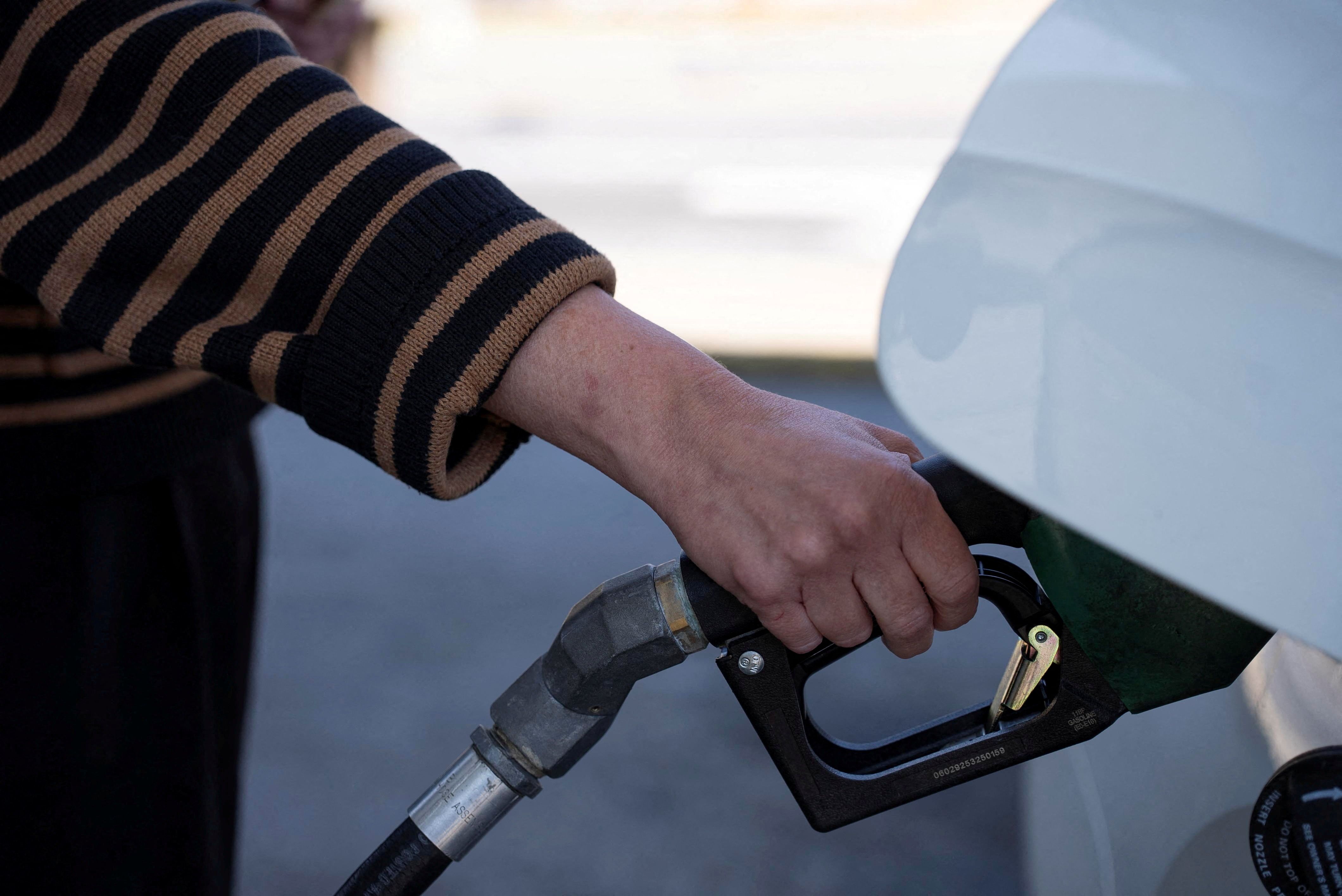
化石燃料是一种经济负担,而不仅仅是因为伊朗战争。能源成本上升是导致昨日公布的美国通胀数据高于预期的主要因素。阅读这份通讯的人对此不会感到惊讶。但这些数字仍然相当惊人:在过去12个月所有商品和服务整体上涨3.7%的背景下,汽油价格上涨了34.2%,燃油价格(主要用于家庭供暖)上涨了74.2%。当然,战争是直接原因,而这些数据表明,美国总统唐纳德·特朗普如今已没有时间在中期选举前改变这一局面。
Fossil fuels are an economic liability, and not just because of the war in Iran. Rising energy costs were a major driver of the hotter-than-expected US inflation figures reported yesterday. This fact won’t surprise anyone reading this newsletter. Still, the numbers are pretty astonishing: Behind an overall gain of 3.7% across all goods and services in the past 12 months, gasoline prices are up 34.2%, and fuel oil prices (relevant mostly for home heating) are up 74.2%. The proximal cause is the war, of course, and the figures cement that US President Donald Trump has by now run out of time to change the picture ahead of the midterm election.
但这里更广泛的启示是,石油和天然气价格的固有波动性是美国经济中一个持续存在的脆弱点,只有通过限制对这些能源的依赖才能解决。特朗普之前的许多政治家都曾看到他们的国内经济议程受到全球化石燃料价格动态的削弱,而这些动态 largely 超出了他们的控制范围 — — 欧洲央行官员伊莎贝尔·施纳贝尔将这一现象称为“化石通胀”。
But the broader takeaway here is that the inherent volatility of oil and gas prices is a persistent vulnerability in the US economy that can only be solved by limiting exposure to these energy sources. Many politicians before Trump have seen their domestic economic agenda undermined by global fossil fuel price dynamics largely outside their control — an effect European Central Bank official Isabel Schnabel dubbed “fossilflation.”
一个依赖石油较少的经济体的好处最好的证据是,通胀目前甚至没有更高;在1970年代美国的石油危机期间,当时汽车效率较低,石油在能源和其他部门的使用也远比现在广泛,消费者物价指数通胀曾飙升至10%以上。国内钻探使得供需平衡的更多部分落入了美国的控制之中,但无法使美国消费者免受全球价格动荡的影响。
The best evidence of the benefits of a less oil-reliant economy is that inflation isn’t even higher now; during the US oil crises of the 1970s, when cars were less efficient and oil was far more widely used in power and other sectors, Consumer Price Index inflation surged well above 10%. Domestic drilling has put more of the supply-demand balance under US control, but can’t shield American consumers from global price turmoil.
向非化石能源转型本身也会产生通胀影响,从重工业采用新技术的成本到关键矿产的生产成本。如果美联储选择提高利率以压制当前的通胀,资本密集型可再生能源将受到冲击。但从经济角度看,用非化石电力替代油气最好的一点是,它们产生的能源除了价格低廉(虽然并不总是有利于消费者,正如下文所述)之外,还能够实现可预测的定价。能源价格非常平淡的世界将是一个通胀与地缘政治脱钩程度显著更高的世界。
The transition to non-fossil energy has its own inflationary impacts, from the costs to heavy industry of adopting new technologies to the production costs of critical minerals. If the Fed chooses to raise interest rates to tamp today’s inflation down, capital-intensive renewables will suffer. But from an economic standpoint, the best thing about replacing oil and gas with non-fossil electric alternatives is that the energy they produce, in addition to being cheap (although not always to consumers’ benefit, as we discuss below), can be predictably priced. A world with very boring energy prices would be one in which inflation is significantly more divorced from geopolitics.