为帮助农民应对极端天气带来的严重影响以及高昂的燃料与化肥价格,法国计划将对农民的援助资金提高至最多20亿欧元(约合22亿美元)。
France is increasing aid to farmers to as much as €2 billion ($2.2 billion) to help them cope with the devastating effects of extreme weather and high fuel and fertilizer prices.
法国总理塞巴斯蒂安·勒科努于周四在巴黎对记者表示,政府将为农业复苏计划拨款5亿至7亿欧元,最终数额还需经议会讨论确定。这笔资金将纳入2027年度预算草案,且不会影响将国家财政赤字控制在国内生产总值5%以内的既定目标。
The government is allocating between €500 million and €700 million for an agriculture recovery plan, with the final amount depending on parliamentary discussions, Prime Minister Sébastien Lecornu told reporters in Paris Thursday. The funds will be included in the 2027 draft budget, without changing the plan to contain the country’s deficit at 5% of gross domestic product, he said.
此外,政府还实施了另一项总额达13亿欧元的农业应急计划,资金主要来源于对2026年度预算的重新调配。该计划在上个月公布时,预计所需资金就已超过10亿欧元。
He said the government has also deployed a €1.3 billion emergency agriculture plan, financed mostly by reallocating funds from the 2026 budget. That plan was put at more than €1 billion when announced last month.
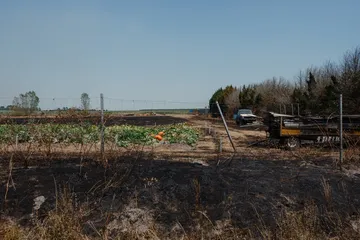
作为欧洲最大的农业生产国,法国近期饱受干旱、热浪及野火侵袭,这些气候灾害正因全球气候变化而愈发频繁,严重威胁农作物收成。与此同时,伊朗与乌克兰战争的影响也使得化肥与燃料价格居高不下,进一步加重了农民负担。这一切都给即将在明年春季举行总统选举的马克龙政府带来了巨大压力,近期国内更是爆发了多场街头抗议与工会罢工。
Europe’s top agricultural producer has been battered by drought, heat waves and wildfires that threaten crop output, and which are becoming more common with climate change. Farmers are already contending with high fertilizer and fuel costs as a result of wars in Iran and Ukraine. That’s all adding to the challenges for President Emmanuel Macron’s government, which has faced street protests and union strikes ahead of next spring’s presidential elections.
勒科努强调,此次援助措施的核心目的就是助力农业生产适应气候变化,切实确保“未来的夏季不会重蹈今年夏季的覆辙”。鉴于法国传统出口产品——葡萄酒与谷物的销量持续下滑,政府随即推出紧急法案以扶持农业产业。这项于8月份正式通过的法案包含多项举措,如扩大畜牧业规模、完善水资源储存与灌溉体系、遏制不公平竞争,并规定公共食堂必须优先采购法国本土产品。
The farmer aid “is all meant to help agriculture production adapt to climate change,” Lecornu said. “How to ensure, in very practical terms, that next summer doesn’t look like the summer we’ve just experienced.”With dwindling sales of its famed wines and grains that have traditionally been exported across the globe, the government turned to an emergency bill to protect the industry. The law, adopted in August, includes measures to expand livestock farming, improve water storage and irrigation, limit unfair competition and give priority to French products in public cafeterias.