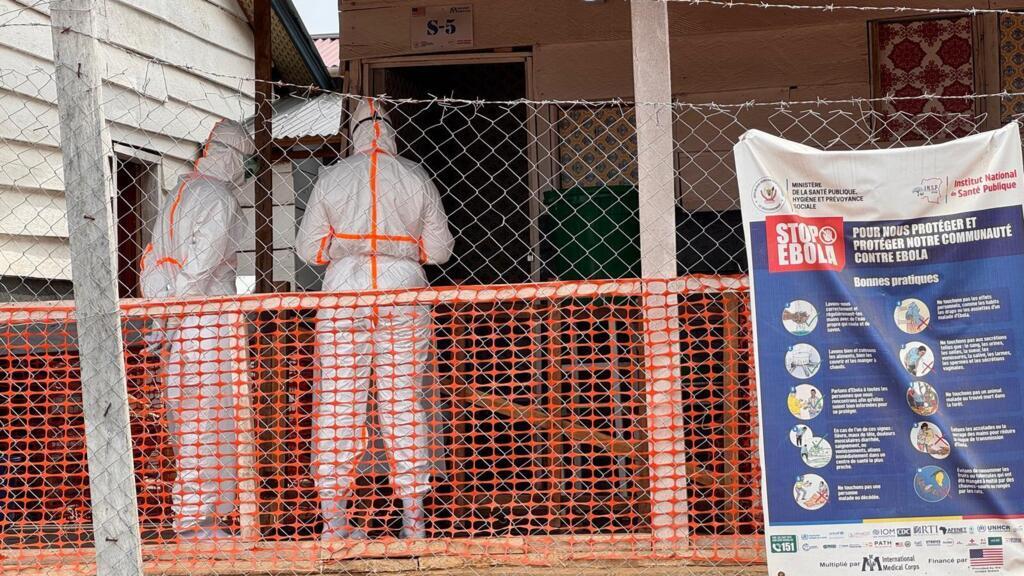
在刚果民主共和国伊图里省首府布尼亚,遏制埃博拉疫情的努力开始见效。布尼亚是该国历史上最致命的埃博拉疫情爆发中心。五个月内已有超过4000人死亡,但应对措施开始显现成效,团队正致力于重建公众对卫生服务的信心,保护妇女和儿童,并支持幸存者。
Efforts to contain Ebola are starting to pay off in Bunia, the capital of the Democratic Republic of Congo's Ituri province and epicentre of the deadliest outbreak of the disease in the country's history. More than 4,000 people have died in five months, but the response is beginning to show results, as teams work to rebuild confidence in health services, protect women and children and support survivors.
该疫情是刚果民主共和国(DRC)的第17次埃博拉爆发,已被世界卫生组织列为国际关注的突发公共卫生事件。
The outbreak, the 17th in the Democratic Republic of Congo (DRC), has been classified by the World Health Organization as a public health emergency of international concern.
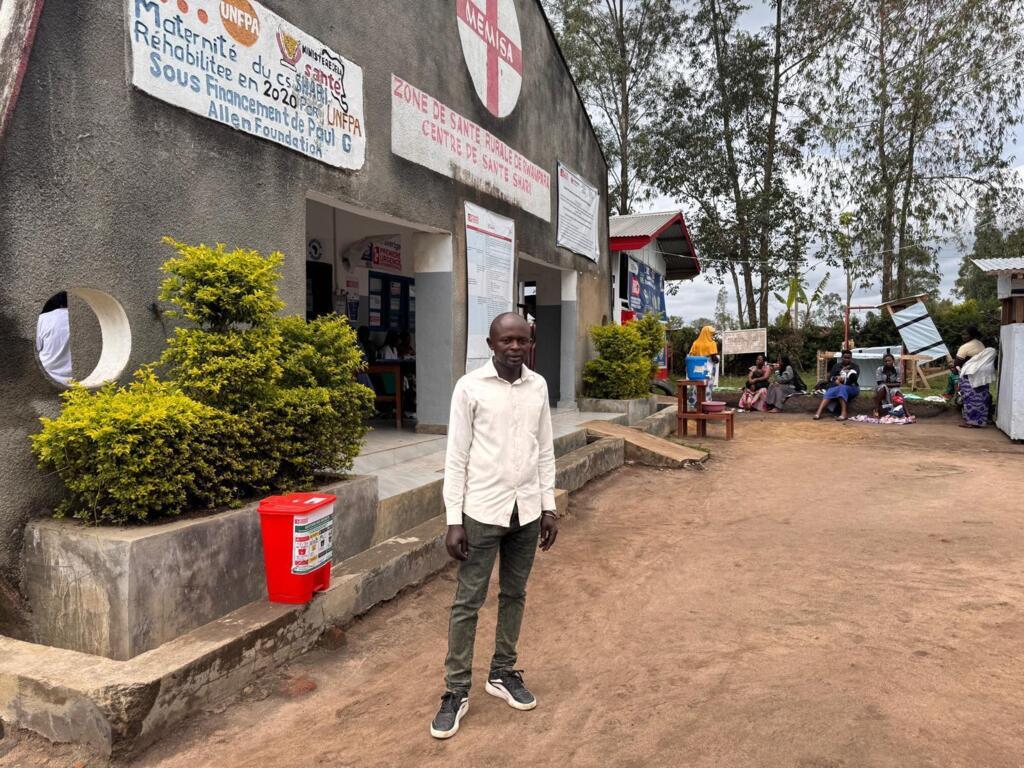
在布尼亚郊区的鲁瓦姆帕拉区,社区工作者加大了遏制埃博拉的力度。自疫情开始以来,他们增加了入户走访,并加强公众宣传活动和社区讨论,向居民提供信息,鼓励他们寻求医疗护理。
In Rwampara, a district on the outskirts of Bunia, community workers have stepped up efforts to contain Ebola. Since the epidemic began, they have increased home visits and stepped up public awareness campaigns and community discussions to inform residents and encourage them to seek medical care.
“过去我们有常规活动,但爆发埃博拉后,我们不得不改变工作方式,”从事这项工作八年的卫生工作者埃马纽埃尔·比伦加对法国国际广播电台(RFI)表示。
“We used to have routine activities, but with Ebola we had to change what we do," health worker Emmanuel Birunga, who has done the job for eight years, told RFI.
“我们开展大规模宣传活动,与人们交谈,举行社区讨论,并且必须入户走访,监测情况并发出警报。”即使对比伦加这样对当地了如指掌的人来说,说服人们也并不容易。
"We run mass awareness campaigns, we talk to people, we hold community discussions and we have to make home visits to monitor the situation and raise alerts.”Convincing people was not easy, even for Birunga, who says he knows the area inside out.
“人们不愿听。起初很复杂,因为他们说这是普通疾病——疟疾。或者他们说这是中毒。他们反而去找传统治疗师,而治疗师告诉他们这是中毒。”随后死亡病例不断增加。比伦加回忆说,在他所在地区的某些日子,埋葬的人数超过10人,有时甚至超过15人。
“People weren’t listening. At first it was complicated because they said it was a common illness – malaria. Or they said it was poison. They went to see traditional healers instead, who told them it was poison.”Then the deaths mounted. On some days in his area, more than 10 people were buried – sometimes more than 15, Birunga recalled.
“那时人们才明白这种疾病是真实存在的。”信任至关重要 如今,随着居民开始重新对卫生中心建立信心,这些中心正逐渐恢复人气。联合国人口基金(UNFPA)支持社区卫生工作者的辛西娅·斯蒂芬妮·佐表示,保持这种信任至关重要。
“That’s when people understood this disease was real.”A matter of trust Health centres are filling up now, as residents begin to regain confidence in them. Maintaining that trust is essential, said Cynthia Stephanie Zoh, who supports community health workers at the United Nations Population Fund (UNFPA).
“社区参与始终是一项挑战,因为当一种新疾病出现时,你必须找到让社区参与不同活动的方式,以便他们能够获得正确的信息,”她说。
“Community engagement is always a challenge because when a new disease arrives, you have to find ways to involve communities in the different activities so they can get the right information,” she said.
向人们提供信息、安抚他们以及对抗虚假信息已成为应对工作的重要组成部分。
Informing people, reassuring them and fighting false information have become an integral part of the response.
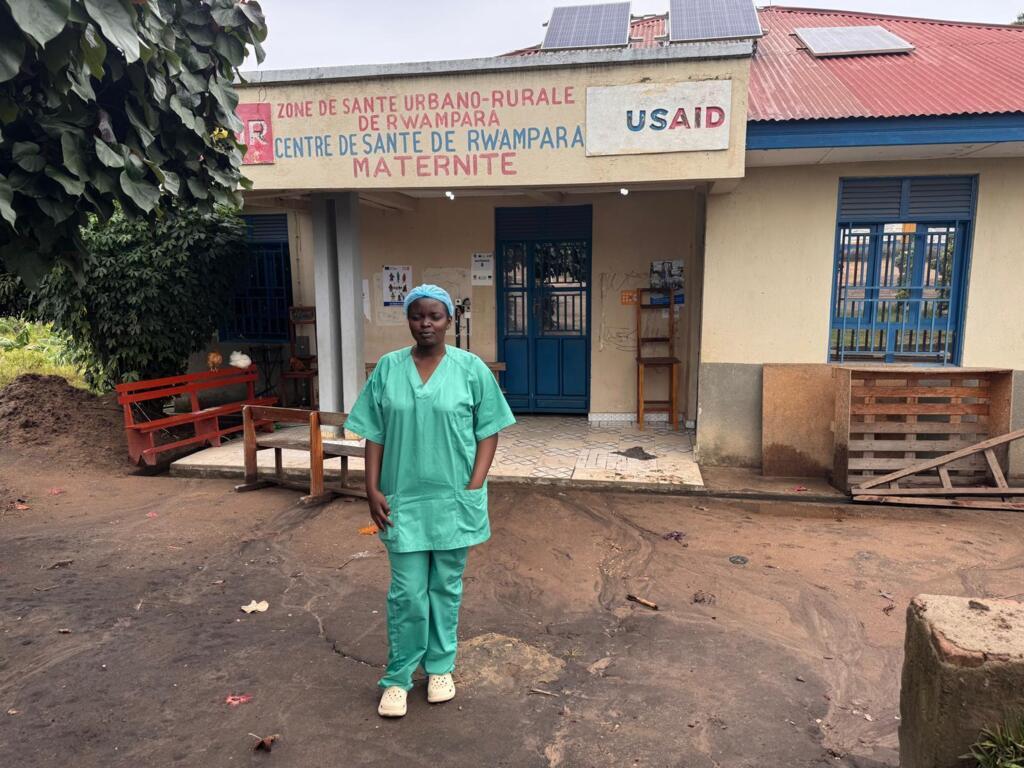
在不远处,Rwampara卫生中心的产科病房在RFI周日早上访问时非常安静。没有新患者,而上周四分娩的四名妇女已经回家了。
A short walk away, the maternity ward at Rwampara health centre was quiet when RFI visited on a Sunday morning. There were no new patients, and four women who had given birth the previous Thursday had already gone home.
防止疫情爆发的争分夺秒行动随肯尼亚首例埃博拉死亡病例而展开。“这就是我们进行分诊的地方,然后我们把她带过去。如果她来这里分娩,她就会到这里,我们欢迎她,”助产士维克托琳·克维基里扎说,她利用这段空闲时间带领参观了病房。
A race against time to prevent an outbreak follows Kenya's first Ebola death“This is where we do the triage and then we bring her through. If she has come to give birth, she arrives here and we welcome her,” said midwife Victorine Kwikiriza, using the lull to give a tour of the ward.
虽然该地尚未记录埃博拉病例,但疫情已深刻扰乱了产科病房的工作。起初,医护人员担心自己会被感染,因为他们没有足够的防护装备。
No Ebola cases have been recorded there, but the epidemic has deeply disrupted the maternity unit’s work. At first, health workers feared becoming infected because they did not have enough protective equipment.
“起初我们害怕这些妇女、患者和孕妇,因为我们没有防护装备,”克维基里扎说。孕妇也对在医疗机构分娩持犹豫态度,导致分娩人数减半。为了让妇女回来,医疗团队不得不走出去与她们接触。
“At the start we were afraid of the women, the patients and the pregnant women, because we had no protection,” Kwikiriza said. Pregnant women were also reluctant to give birth at health facilities, and births there fell by half. To bring women back, the medical teams had to go out and meet them.
“社区里有挨家挨户的宣传活动,这帮助人们明白他们需要来卫生中心接受性与生殖健康服务,以及所有初级卫生保健服务,”联合国人口基金助产士埃斯特尔·莫塞卡解释道。
“There are door-to-door awareness sessions in the community and that has helped people understand that they need to come to the health centre for sexual and reproductive health services, as well as all primary healthcare services,” UNFPA midwife Esther Mosseka explained.
处于风险中的母亲 妇女特别容易感染埃博拉,因为她们照顾病患和参与葬礼的角色使她们更容易接触可能被感染的人。
Mothers at risk Women are particularly vulnerable to Ebola because their roles caring for the sick and taking part in funerals bring them into closer contact with people who may be infected.
“如果有人生病,照顾他们的就是女性。如果必须组织葬礼,女性也会在场,”莫塞卡说。“女性几乎参与所有活动,因此她们在社区中的角色确实让她们面临更大的风险。”保林说,产前咨询、分娩服务、计划生育以及对性暴力幸存者的护理的出席人数有所下降。保林是联合国人口基金会负责性与生殖健康的医生。
“If someone is sick, it’s the woman who looks after them. If a funeral has to be organised, the woman is there,” Mosseka said. “Women are involved in almost every activity, so the role they play in the community really puts them more at risk.”Attendance has fallen at antenatal consultations, childbirth services, family planning and care for survivors of sexual violence, said Paulin, a doctor in charge of sexual and reproductive health at UNFPA.
“由于人们停止使用卫生服务,我们看到孕产妇死亡人数上升。疫情爆发前,我们平均每周大约有三例孕产妇死亡,而在布尼亚,这一数字上升到每周近五例。”感染的恐惧加剧了已经紧张的卫生系统的问题。
“Because people stopped using health services, we saw maternal deaths rise. Before the epidemic, we had around three maternal deaths a week on average, and in Bunia that went up to almost five a week.”Fear of infection has compounded the problems in a health system already under strain.
法国拨出额外700万欧元,以帮助应对刚果民主共和国有史以来最严重的埃博拉危机。受监护的婴儿 在布尼亚的福音医疗中心,联合国儿童基金会(Unicef)在埃博拉治疗中心旁边设立了一个育婴室,用于照顾父母住院的孩子。有些孩子病毒检测呈阴性,但仍需观察,因为他们可能曾暴露于病毒中。
France earmarks a further €7m to help fight DRC's worst-ever Ebola crisis Babies under watch At Bunia’s Evangelical Medical Centre, UN children’s agency Unicef has set up a nursery beside the Ebola treatment centre for children whose parents are in hospital. Some have tested negative for the virus but remain under observation because they may have been exposed.
“他男孩,两个月大,已经出院。他的母亲在这里的治疗中心——她检测呈阳性,但他呈阴性,”护理员尼玛在介绍这个婴儿时说。
“He’s a boy, he’s two months old and he has been discharged. His mother is here at the treatment centre – she has tested positive, but he is negative,” carer Neema said as she introduced a baby.
尼玛本人是埃博拉幸存者,也是一名正在培训的医生。联合国儿童基金会表示,至少有1900名儿童在疫情期间与父母或监护人分离。该组织已在医疗机构旁直接设立了12家育婴室,以照顾患者的孩子。
At least 1,900 children have been separated from a parent or guardian during the epidemic, Unicef said. It has established 12 nurseries directly linked to health facilities to care for the children of patients. Neema is herself an Ebola survivor and a doctor in training.
“我选择来这里帮助孩子们,因为他们的父母没有力量,孩子们感到与父母隔绝,”她说。“很多人不愿意帮助孩子们。我真的很热爱儿科,我真的很爱孩子们。这就是我决定来这里帮助他们的原因。” “在治疗中心,护士会定期巡查,持续检查孩子们的情况,测量体温,观察是否出现症状。如果有异常,我们会把孩子送到治疗中心,以便密切关注他们,”联合国儿童基金会专家马林·比西姆瓦说。
“I chose to come and help the children here because their parents don’t have the strength and the children feel cut off from them,” she said. “A lot of people don’t want to help the children. I really love paediatrics, I really love children. That’s why I decided to come and help them here.”“At the treatment centre, nurses come round to keep checking on the children, take their temperature and see whether they have developed symptoms. If something is wrong, we take the child to the treatment centre so we can keep a close eye on them,” Unicef specialist Marlin Bisimwa said.
该机构希望像这样的托儿所能够在埃博拉疫情期间成为治疗中心的标配。它还在考虑为住院儿童的父母提供住宿。
The agency wants nurseries like this to become standard alongside treatment centres during Ebola epidemics. It's also considering creating accommodation for parents whose children are in hospital.
埃博拉疫情在刚果民主共和国部分地区放缓,但危机仍然严峻。埃博拉之后的生活 在鲁旺帕拉,RFI采访了莎拉——另一位照护者,也是埃博拉幸存者。疫情早期,她失去了大部分家人,包括她的丈夫。她当时怀孕七个月,随后自己也生病了。
Ebola outbreak slows in parts of DR Congo but crisis remains severe Life after Ebola In Rwampara, RFI met with Sarah – another carer who is also an Ebola survivor. Early in the outbreak she lost much of her family, including her husband. Seven months pregnant, she then became ill herself.
“因为我家很多人在中心去世,起初我不想去那里,”莎拉回忆道。“后来我丈夫在家去世。我病得很厉害,所以最终我去了中心。”正是在那里,她生下了一个健康的女婴,并以自己的名字为其命名。在莎拉接受治疗期间,她的婴儿在鲁旺帕拉埃博拉治疗中心的托儿所得到照顾。幸存埃博拉后,她与女儿团聚,并一起返回家中。
“Because so many people in my family had died in a centre, at first I didn’t want to go there,” Sarah recalled. “Then my husband died at home. I was very sick, so in the end I went to a centre.”It was there that she gave birth to a healthy baby girl, whom she named after herself. While Sarah was being treated, her baby was cared for at the nursery at Rwampara’s Ebola treatment centre. After surviving Ebola, she was reunited with her daughter and they returned home.
“我的房子完全空了。我的家人以为我会死,所以他们把一切都卖掉了,”她说。“我发现自己一个人,一无所有,还有五个孩子需要照顾。”如今,她在收留她女儿的托儿所工作,正努力重新站起来。
“My house was completely empty. My family thought I was going to die, so they sold everything,” she said. “I found myself alone, with nothing, and five children to look after.”Now working at the nursery that took in her daughter, Sarah is trying to get back on her feet.
在布尼亚,尽管治疗中心不再不堪重负,埃博拉病毒仍在夺走生命。在北基伍省的贝尼-布滕博地区,局势依然令人担忧。由于极端组织“民主同盟军”的存在,很难向北基伍省与伊图里省交界地区派遣防疫救援队伍。联合国警告称,当前的人道主义危机仍面临资金短缺的问题。
In Bunia, while treatment centres are no longer overwhelmed, Ebola continues to claim lives. In the Beni-Butembo region of North Kivu, the situation remains worrying. The presence of the ADF jihadist armed group is making it harder to deploy response teams in the area between North Kivu and Ituri. The humanitarian crisis is still underfunded, the United Nations has warned.