“你们当站在路上,观看,访问古道,哪是善道,就行在其中,你们必得享安息。”——耶利米书6章16节 什么是幸福,我们又该如何获得?
“Stand ye in the ways, and see, and ask for the old paths, where is the good way, and walk therein, and ye shall find rest for your souls.” — Jeremiah 6:16 What is happiness, and how can we get some?
二十年前,社会心理学家乔纳森·海德特在畅销书《幸福假说》中,借助古老智慧和现代科学寻找答案。如今,在新出版的纪念版中,他重新审视这个永恒的问题,而世界已因智能手机、社交媒体和人工智能发生了翻天覆地的变化。
Twenty years ago, social psychologist Jonathan Haidt turned to ancient wisdom and modern science for answers in his bestselling book “The Happiness Hypothesis.”Now, in a newly updated anniversary edition, he revisits that timeless question in a world transformed by smartphones, social media, and AI.
海德特今日加入《早安乔》节目,探讨幸福的来源、为何孩子需要挣扎和失败的空间,以及技术如何挤占了让我们成为人类的体验。
Haidt joined “Morning Joe” today to explore the sources of happiness, why children need room to struggle and fail, and how technology is crowding out the experiences that make us human.
JS:这本书出版于2006年,在智能手机时代之前。20年后重读时,什么让你印象最深?
JS: This book came out in 2006, before the smartphone era. What struck you most when you revisited it 20 years later?
两点。第一,历经整整100代人传承的古老智慧,经受住了时间的考验,表现得相当出色。第二,本书出版一年后,史蒂夫·乔布斯站在舞台上说:“偶尔会有一款革命性产品问世,改变一切。”我们当时完全不知道,智能手机将会多么深刻地重塑我们的关系,乃至意识的本质。WG:那么什么是幸福假说?什么才是真正让我们快乐的东西?
Two things. First, the ancient wisdom that has been passed down for literally 100 generations has held up remarkably well. And second, a year after the book came out, Steve Jobs stood on a stage and said, “Every once in a while, a revolutionary product comes along that changes everything.”We had no idea how profoundly smartphones would reshape our relationships and even the nature of our consciousness. WG: So what is the happiness hypothesis? What actually makes us happy?
几乎每一种古老传统都说,幸福来自内心。但当你将东西方智慧与现代心理学结合起来,最好的理解方式是:幸福来自于“之间”。我们需要嵌入人际关系之中,投身于有意义的富有成效的工作,并融入比我们自身更伟大的事物。
Almost every ancient tradition says happiness comes from within. But when you combine wisdom from the East and West with modern psychology, the best way to understand it is that happiness comes from between: We need to be embedded in relationships, in productive work that matters, and in something larger than ourselves.
JS:你书中十个伟大理念中的许多,都与圣经教义相似:保罗写到自己行自己不愿行的事,耶稣说:“不要论断人,免得你们被论断。”为什么我们总是做不到?
JS: So many of the 10 great ideas in your book parallel biblical teachings: Paul writing about doing the very thing he doesn’t want to do, Jesus saying, “Judge not that ye be not judged.”Why do we keep falling short?
古人对意识、人类思维的种种误区、轻易下判断的倾向、人际关系、逆境与苦难都有着极为深刻的洞察。我早期关于道德判断的研究,正是探讨我们内心的“辩护律师”如何总是为他人罗列罪状,却为自己精心构筑辩护词。从进化角度来看,人类天生就是伪善者。
The ancients were incredibly insightful about consciousness, the tricks our minds play, the quickness to judge, human relationships, adversity, and suffering. My early work on moral judgment was all about how our inner lawyer is always building the case against others and the defense case for ourselves. We are evolved, engineered to be hypocrites.
迈克·巴尼克尔:智能手机带来的一个鲜少被提及的负面影响就是眼神交流的缺失。当我们失去了这种人与人之间的情感联结,会发生什么呢?
Mike Barnicle: One casualty of smartphones that we rarely discuss is eye contact. What happens when we lose that human connection?
那些创造出这些技术的人,通常并不擅长处理人际关系。他们不明白,单纯的互动并不等同于与他人进行眼神交流。尤其是现在的年轻人:由于长时间沉迷于电子游戏、色情内容,如今又加上赌博,他们的社交能力正在逐渐退化。
The guys who created all this technology are generally not known for being very good at social relationships. They don’t understand that just interacting isn’t the same as making eye contact with another human being. And especially our boys: Because they spend so much time on video games and porn, and now gambling, they’re losing social skills.
JS:年轻的父母们尤其需要听进这句话:过度呵护对孩子毫无益处。为什么适度放手如此重要呢?
JS: Young parents especially need to hear this: Hovering isn’t doing your children any favors. Why does backing off matter so much?
我母亲曾遵循的一条育儿原则——那是她在上世纪60年代从一位心理治疗师那里学到的——就是:“别急着插手,就站在那里就好。”不要急于帮忙,因为正是这些挫折与挣扎促成了孩子的成长。孩子正在形成的社交能力需要适度的冲突、被排斥的经历以及暂时的挫败,这才构成了童年的意义所在。
One of my mother’s parenting dictums — which she learned from a therapist long ago in the ’60s — was “Don’t just do something. Stand there.”Don’t rush in to help, because it’s the struggle that causes the growth. Your child’s emerging social sense needs conflicts, exclusion, and setbacks, within limits. This is why we have childhood, to have those experiences.
WG:我们该如何扭转智能手机与技术带来的负面影响,重新夺回自己的注意力呢?
WG: How do we reverse the damage from smartphones and technology and reclaim our attention?
首先我们要意识到:我们同属“人类团队”。我们常想,倘若有外星人入侵,或许那时我们才会意识到彼此休戚与共。然而事实是,外星人入侵早已发生:从某种意义上说,人工智能就是一个“外星实体”。我们必须先夺回自己的注意力,这才是其他一切改变的前提。
It starts with a recognition that we are Team Humanity. We often think if an alien invasion comes, maybe we’ll recognize we’re all in this together. Well, guess what? The alien invasion is here: AI is, in a sense, an alien entity. We’ve got to reclaim our attention first. That’s the prerequisite to everything else.
JS:下任总统着手教育改革时,电子屏幕在课堂中应当扮演怎样的角色呢?
JS: When the next president takes on education reform, what part should screens play in classrooms?
他们在没有任何研究证明有益的情况下被推入学校,至今仍没有任何研究。它们如此令人分心,以至于似乎正在导致考试成绩和阅读能力的下降。科技巨头们本身倾向于选择没有技术的学校。因此,大体上,在小学和中学将所有技术全部移除,直到其被证明有用为止。
They were pushed in without any research to show benefits, and there still isn’t any. They’re so damn distracting that they seem to be causing the decline in test scores and reading. The tech barons themselves tend to choose schools that have no technology. So, for the most part, rip it all out of elementary and middle schools until it is proven to be useful.
JS:当今许多孩子无法写出一个句子,也读不完一本书。这关系到什么?
JS: Many kids today can’t write a sentence or get through a book. What’s at stake?
这项技术正在以你描述的方式损害他们的教育。基础技能很重要,而书籍尤其重要。一旦给孩子一部智能手机,他们就会渴望快速的多巴胺,读书就会变得非常困难。如果我们失去了书籍,如果我们失去了人类积累的智慧,因为下一代只能在TikTok上消费短小的片段,那么作为文明,我们就完了。
This technology is hurting their education in exactly the ways you describe. Basic skills matter, and books most of all. Once you give a child a smartphone, they crave the quick dopamine, and it becomes very difficult to read a book. If we lose books, if we lose the accumulated wisdom of humanity because all the next generation can do is consume little snippets on TikTok, then we’re done as a civilization.
《早安乔家庭会议》每周二东部时间中午12点,MS NOW会员可以与乔·斯卡伯勒进行现场对话。如果您有兴趣通过视频直接向乔提问,请告知我们。这些问题可以关于政治、时事新闻,或任何您心中所想的事情!
MORNING JOE FAMILY MEETING Every Tuesday at 12 p.m. ET, MS NOW Members can join a live conversation with Joe Scarborough If you are interested in asking Joe a question directly over video, please let us know. These questions can be about politics, news of the day, or anything else that’s on your mind!
参与者需要完成简短的预访谈,并能在10月20日周二东部时间上午11:30至中午12:30期间参加。
Participants will need to complete a short pre-interview and be available from 11:30 a.m. to 12:30 p.m. ET on Tuesday, Oct. 20 to take part.
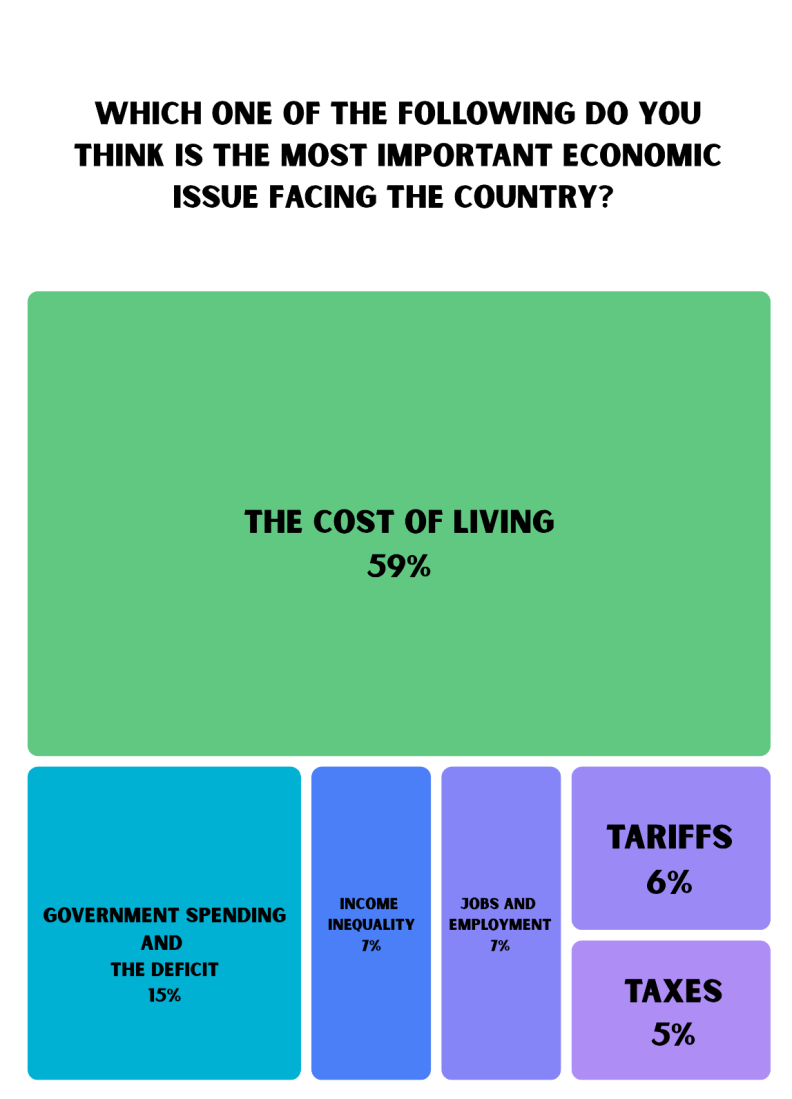
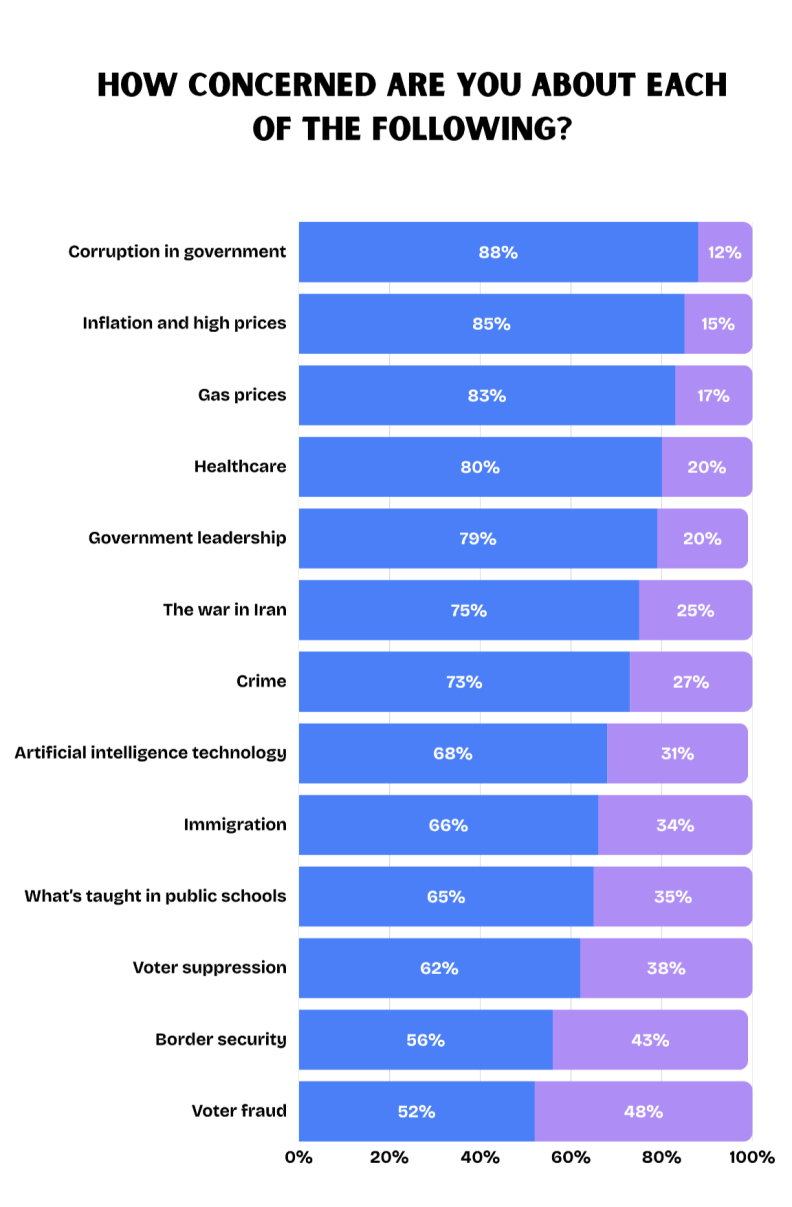
如果您有兴趣,请在10月16日周五前填写此表格。如果被选中,参与者将通过电子邮件收到通知。今日图表资料来源:福克斯新闻于2026年10月9日至12日对1,202名登记选民进行的民意调查。误差范围:±2.5个百分点各方言论威利·盖斯特谈特朗普的独断专行:“在唐纳德·特朗普看来,总统的职责就是随心所欲行事。国会毫无作用,他无需征求国会意见就能决定征收关税或发动战争。在白宫椭圆形办公室内,特朗普甚至声称自己根本不需要与幕僚长或联邦调查局沟通,一切决定都由他一人做出。”
If you’re interested, please fill out this form by Friday, Oct. 16. Participants will be notified via email if selected. CHARTS OF THE DAY Source: Fox News poll of 1,202ed voters conducted Oct. 9-12, 2026. Margin of error: ± 2.5 percentage points WHAT THEY SAID Willie Geist on Trump’s one-man show“This is how Donald Trump views the presidency: You just do what you want. Congress is irrelevant. You don’t have to go to them for tariffs — or to start a war. Inside his own West Wing, Trump’s saying he didn’t really need to talk to his chief of staff or the FBI. It all comes from him and only him.”
大卫·德鲁克谈特朗普内阁:“在第一个任期内,总统及其幕僚都有一个学习适应过程。到了第二个任期,大家虽已熟悉各自职责,却普遍疲惫不堪,且人才储备也大不如前。近几个月来,种种问题开始显现:众人行事谨小慎微、如履薄冰,而总统则完全活在自己营造的封闭环境中。这一切都将在选举后暴露无遗——届时所有人都将不得不应对由此引发的种种后果。”
David Drucker on the Trump Cabinet“In the first term, there’s a learning curve for the president and everybody who works for him. Now, in the second term, everybody knows what they’re doing, but there’s a level of exhaustion, and the talent isn’t as good. Over the last few months, things have begun to unravel, with everybody looking over their shoulder and the president in a bubble of his own making. This is all going to show itself after the election — when everybody will have to deal with the fallout.”
伊莉丝·乔丹谈詹姆斯·塔拉里科:“塔拉里科给人的印象是谦逊诚恳,也乐于承认自己的失误。他从不怒气冲冲,而这正是选民们所看重的特质。当一个人表现出‘我愿意与对方合作,并非极端偏激之人’的态度时,便更容易赢得那些立场中立的选民支持。”
Elise Jordan on James Talarico“Talarico comes across as humble and willing to admit his missteps. He is not angry, and that’s such a big part of what voters are responding to. When someone shows a modicum of ‘Hey, I’m willing to work with the other side, and I’m not a crazy extremist,’ that goes a long way winning these crossover voters.”The post“Don’t just do something. Stand there”: Jonathan Haidt and Joe Scarborough on raising children in the age of AI MS NOW