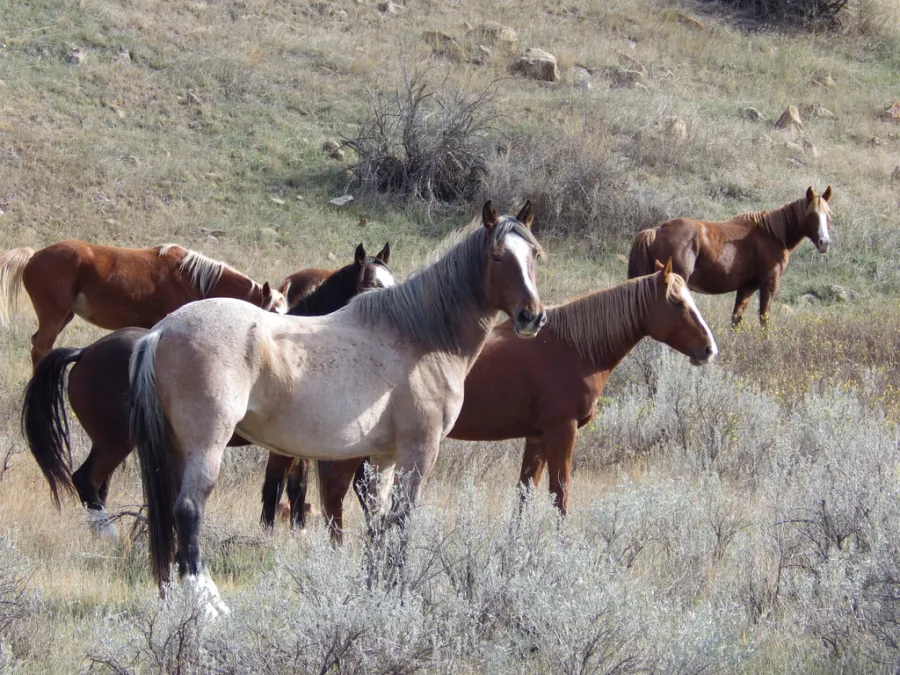
华盛顿几乎可以把任何话题变成党派笼斗。野马是少数例外之一。数十年来,国会一直表示联邦保护的野马不应被屠宰。这一承诺很明确。但政府出售野马之后会发生什么 — — 这些野马最终可能成为国外晚餐的加工肉类 — — 则不明确。虽然联邦法律并未全面禁止屠宰所有马匹或出口国内马匹进行屠宰,但土地管理局管理的野马享有特殊保护。
Washington can turn almost any subject into a partisan cage match. Wild horses are one of the rare exceptions. For decades, Congress has said federally protected mustangs should not be slaughtered. The promise is clear. What occurs after the government sells a mustang — that may ultimately become processed meat in a dinner abroad — is not. While federal law does not categorically ban the slaughter of every horse or the export of domestic horses for slaughter, wild horses managed by the Bureau of Land Management have distinct protections.
1971年《野生自由放牧马和驴法》规定,这些动物应受到“捕捉、烙印、骚扰或死亡”的保护。国会也多次禁止使用拨款资金来毁灭健康的野马或进行导致其被加工成商业产品的销售。随后出现了漏洞。2004年的一项修正案指示土地管理局出售年龄超过10岁或至少三次未成功领养的某些动物。一旦出售完成,该动物在法律上不再被视为野马或驴。
The Wild Free-Roaming Horses and Burros Act of 1971 says these animals should be protected from “capture, branding, harassment, or death.”Congress has also repeatedly barred the use of appropriated funds to destroy healthy wild horses or conduct sales that result in their processing into commercial products. Then comes the catch. A 2004 amendment directs the Bureau of Land Management to sell certain animals that are older than 10 or have been offered unsuccessfully for adoption at least three times. Once the sale is complete, the animal is no longer legally considered a wild horse or burro.
土地管理局承认,它不会在出售后追踪这些动物,因为它们已离开其管辖范围。联邦保护在监督可能最为重要的那一点终止。根据《纽约时报》调查中审阅的土地管理局记录,2025年该局售出约3700匹野马,是前一年总数的两倍多。记者发现,一些马后来出现在与屠宰买家相关的拍卖会上。土地管理局在2026年的活动中宣传符合出售条件的野马,价格低至25美元。
The Bureau of Land Management acknowledges that it does not track animals after sale because they have left its jurisdiction. Federal protection ends at the point when oversight may matter most. In 2025, the Bureau of Land Management sold approximately 3,700 wild horses, more than twice the previous year’s total, according to the bureau records reviewed in a New York Times investigation. Reporters found that some later appeared at auctions associated with slaughter buyers. Bureau of Land Management events in 2026 advertised sale-eligible horses for as little as $25.
低价本身并不证明意图恶劣。但它确实使快速转售更具利润空间。将这种低价与无出售后追踪相结合,联邦保护体系开始看起来令人怀疑地像是一种荣誉制度。文件看起来十分严谨。
A low price does not prove bad intent. It does make a fast resale more profitable. Pair that bargain price with no post-sale tracking, and the federal protection system begins to look suspiciously like an honor system. The paperwork sounds formidable.
买家必须承诺人道地照顾动物,并证明他们不会明知故犯地将动物转交给任何打算将其送往屠宰或加工成商业产品的人。向联邦政府作出明知故伪的陈述可能违反美国法典第1001条,该条款通常规定最高五年监禁。但措辞严厉的表格无法随马匹一起前往拍卖场。必须有人进行检查。土地管理局通过加强保障措施作出回应,但这些只是迈向解决方案的小步骤。
Buyers must promise humane care and certify that they will not knowingly transfer an animal to anyone intending to send it to slaughter or process it into commercial products. A knowingly false statement to the federal government may violate U.S.C. § 1001, which generally carries a maximum prison term of five years. But a sternly worded form cannot follow a horse to its auction. Someone has to check. The Bureau of Land Management has responded with stronger safeguards, yet they are small steps toward a resolution.
其更新后的政策设定了标准价125美元,通常将买家每六个月限购四头动物,加强了销售单据,并允许官员禁止与杀马场或商业加工有关联的买家购买。虽然这些是合理的改变,但仍然不够。一匹马在非法转售给屠宰场时,可卖到750美元甚至更高。这是以生命为代价的令人不安的牟利翻转操作。最重要的是,土地管理局尚未强制要求售后监管。
Its updated policy sets a standard $125 price, generally limits buyers to four animals every six months, strengthens the bill of sale and allows officials to bar purchasers linked to kill pens or commercial processing. While those are sensible changes, they’re not enough. A horse can fetch up to $750 or more for illicit resale at a slaughter plant. A disturbingly lucrative flipping operation at the expense of a life. Most important, the Bureau of Land Management has yet to mandate post-sale oversight.
九月,两党18名议员要求政府问责局审查土地管理局的野马和驴出售计划。该请求由国会野马党团共同主席和纽泽西州民主党参议员科里·布克发起,9月10日的信件呼吁对买家筛查和售后监管与执法进行独立审查。这包括该机构是否能够识别反复违规者并追回进入屠宰链的动物。国会已经迈出了重要的一步。现在它必须继续推进,利用调查结果弥补监管漏洞,确保其保护承诺在售后仍能得以实现。
In September, a bipartisan group of 18 lawmakers requested that the Government Accountability Office review the Bureau of Land Management’s Wild Horse and Burro Sale Program. Initiated by the co-chairs of the Congressional Wild Horse Caucus and Sen. Cory Booker (D-N.J.), the Sept. 10 letter calls for an independent examination of purchaser screenings and post-sale oversight and enforcement. This includes whether the agency can identify repeat violators and recover animals that enter the slaughter pipeline. Congress has taken an important first step. Now it must follow through, using findings to close gaps in oversight and ensure its promise of protection survives the sale.
牧场主、环保主义者和野马倡导者在群体规模、草原健康和人道种群控制方面存在正当分歧。这些论点值得进行诚实的辩论,而不应被漏洞所破坏。
Ranchers, environmentalists and wild-horse advocates have legitimate disagreements about herd size, rangeland health, and humane population control. Those arguments deserve an honest debate, without loopholes undermining them.
是时候让国会要求对美国野马的生存状况进行问责和透明化了。曼达·卡利米安(Manda Kalimian)是Rewilding America Now的创始人兼总裁,这是一个倡导以保护为基础的方法来管理美国野马的非营利组织。
It’s time for Congress to demand accountability and transparency for the livelihood of America’s wild horses. Manda Kalimian is the founder and president of Rewilding America Now, a nonprofit that advocates for conservation-based approaches to managing America’s wild horses.