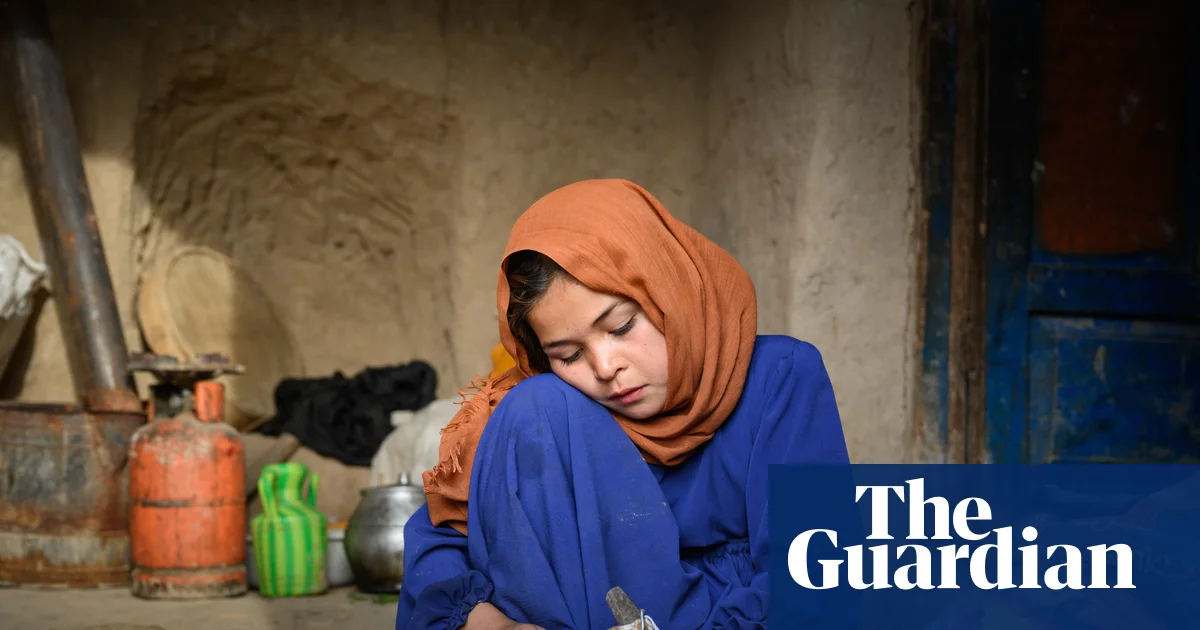
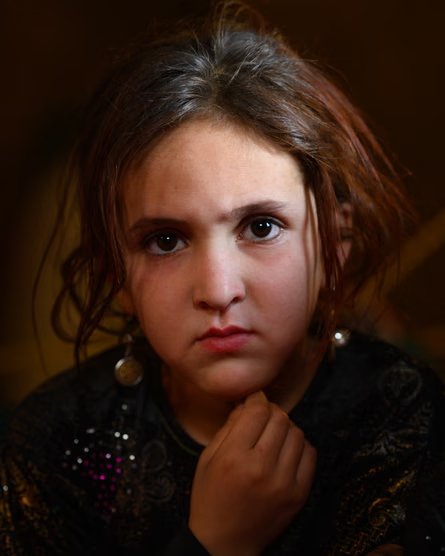
“我对这件事不高兴,”11岁的哈蒂拉说,她被卖掉以偿还债务,坐在她位于阿富汗西北部巴德吉斯省首府卡拉-纳乌的家中。“她订婚前身体健康,现在她很担心,经常哭泣,”她40岁的母亲努尔·比比说。
‘I`m not happy about this,” says 11-year-old Khatira, who was sold into marriage to repay debts, sitting in her home in Qala-e-Naw, capital of Badghis province in north-west Afghanistan. “She was healthy before her engagement, now she is worried and cries a lot,” says her 40-year-old mother, Noor Bibi.
当她20岁的未婚夫来到她家时,哈蒂拉会逃走。自从订婚以来,她不再外出,因为她“在其他女孩面前有丈夫感到羞耻”,她的母亲说。
When her 20-year-old husband-to-be comes to her home, Khatira runs away. Since her engagement, she has stopped going outside because she “is ashamed of having a husband in front of the other girls”, says her mother.
哈蒂拉的父亲以前种植小麦和放牧牛群,直到家人因干旱被迫离开农村村庄。
Khatira`s father grew wheat and herded cattle before the family was displaced from its rural village by drought.
在巴德吉斯,95%的人口依赖雨养农业和畜牧业维生。但气候崩溃导致干旱变得更加频繁和极端,夺走了人们的收入。
In Badghis, 95% of the population relies on rain-fed agriculture and livestock to live. But droughts, made more frequent and extreme by climate breakdown, have robbed people of their incomes.
因此,将年幼的女儿卖掉以偿还债务、养家糊口或支付医疗费用已成为一种常见的应对方式。
As a result, selling young daughters into marriage to repay debts, feed the family or pay for medical treatment has become a common way to cope.
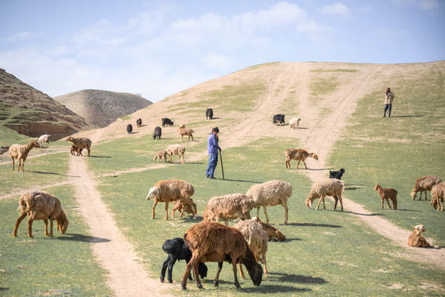
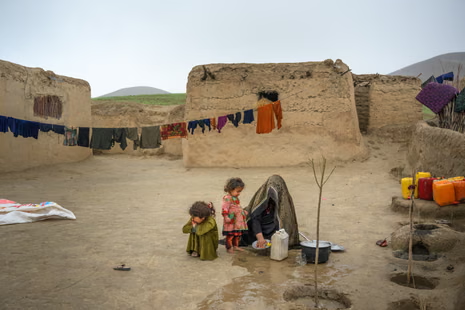
“作为母亲,我哭了很多,但我知道我的丈夫别无选择,”古尔·博博说,她不知道自己的年龄,指的是她两岁和五岁的女儿,她们住在距卡拉-纳乌12小时车程的塔伊兹·纳瓦村。这两个女孩都已经订婚。
“As a mother, I cried a lot, but I knew my husband had no choice,” says Gul Bobo, who does not know her own age, regarding her daughters, aged two and five, at her home in Tayz Nāwah, a village 12 hours` drive from Qala-e-Naw. Both girls are engaged to be married.
就像那里的许多人一样,古尔·博博的丈夫过去每年都会买种子,并租用拖拉机或驴子来耕种一个较富有人的土地。
Like many there, Gul Bobos husband used to buy seeds each year and rent a tractor or donkey to cultivate a wealthier mans plot of land.
“我知道她们太小,不适合订婚,但我们别无选择——否则我们就会等到她们18岁以后,”古尔·博博说。
“I know they are too young to be engaged but we had no choice – otherwise we would have waited until after 18,” says Gul Bobo.
“我预计她们会被打,但我无能为力。而且她们14岁时就会怀孕。”未成年新娘常被期望在达到青春期时生孩子,这导致了有据可查的健康问题——在一个孕产妇死亡率位居世界前列的国家。
“I expect them to be beaten, but there is nothing I can do about it. And at 14, they will be pregnant.”Underage brides are often expected to have children when they reach puberty, leading to well-documented health problems – in a country where maternal mortality is among the highest in the world.
她们也被期望知道如何管理一个家庭。当她们无法像成年人那样做时,婆家的家庭暴力并不少见。
They are also expected to know how to run a household. When they are unable to do so like adults would, domestic violence from in-laws is not unusual.
五岁的纳齐拉的未婚夫是15岁。据古尔·博博说,她两三年后就可以去和婆家一起生活。
Five-year-old Nazila`s husband-to-be is 15. According to Gul Bobo, she could leave to live with her in-laws in two or three years.
“我宁愿她死去,也不愿她嫁给这么大的男人,”巴娜说。她是古尔拉伊的母亲,古尔拉伊11岁,已与一位40多岁的店主订婚。她的父母欠他钱。
‘I would have preferred for her to be dead rather than be married off to such an old man,” says Bana, the mother of Gulalai, 11, who is engaged to a shopkeeper in his late 40s. Her parents owed him money.
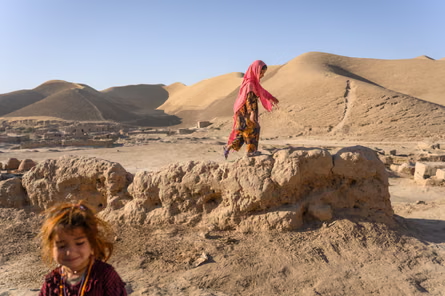
故事总是大同小异。古尔拉伊的父亲是个农民,一家人因农作物歉收,从巴德吉斯省卡迪斯的偏远村庄流离失所。
The story is always much the same. Gulalai`s father was a farmer and the family were displaced by crop failure from their remote village in Qadis, Badghis province.
“我们必须牺牲一个家庭成员来拯救其他人,”古尔拉伊的父亲尼亚兹·穆罕默德说。他说,他本希望等女儿们年满20岁再嫁出去,但结果四个女儿都童婚了。
“We have to sacrifice a family member to save the others,” says Gulalai`s father, Niaz Mohammad, who says he would have preferred to wait until his daughters turned 20 to marry them off – instead, four were married as children.
这家人只吃自制面包、茶,以及他们采摘煮熟的野锦葵叶,用垃圾生火。
The family only eat homemade bread, tea and wild mallow leaves they gather and boil, using rubbish to make a fire.
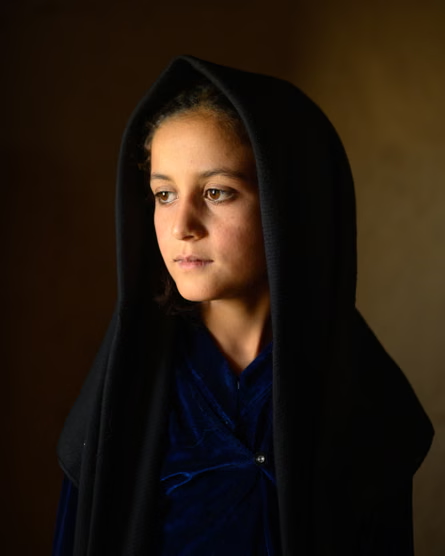
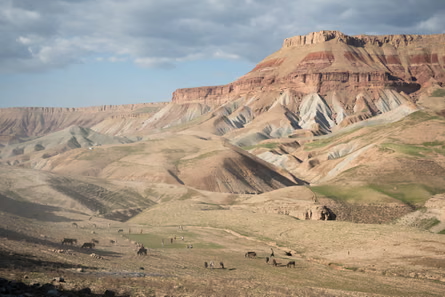
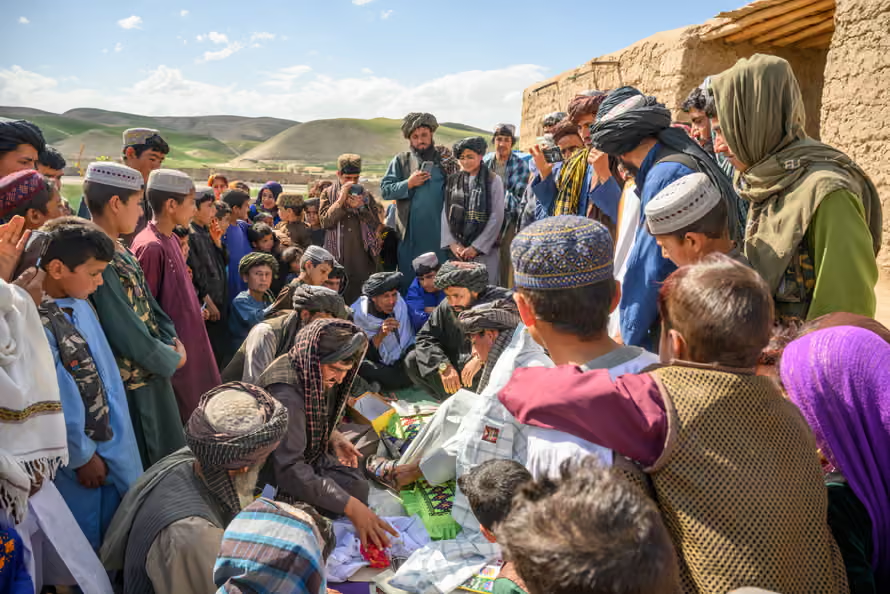
当被问及气候变化时,巴德吉斯的大多数人不知道这是什么意思。在村庄里,大多数人住在土坯房里,除了偶尔的太阳能电池板外没有电,除了偶尔的摩托车外几乎没有交通工具。人们靠极少的东西维持生计,过度消费或温室气体排放等概念完全陌生。
When asked about climate change, most people in Badghis do not know what it means. In villages, most live in mud homes, with no electricity besides the occasional solar-powered battery, and little transport aside from an occasional motorcycle. The population relies on so little to live that notions of overconsumption or greenhouse gas emissions are completely alien.
在过去九年里,为了在干旱中生存,成千上万的人抛弃了祖先的村庄,前往卡拉-纳瓦寻找工作,往往徒劳无功。
In a desperate attempt to survive droughts over the past nine years, thousands have abandoned their ancestral villages to try to find work in Qala-e-Naw, often in vain.
为了养活家人,55岁的穆罕默德·亚瓦兹在路边卖冰淇淋,每天赚100阿富汗尼(约合1.20英镑),他白天和六岁的女儿祖拜达一起收集罐子和瓶子。他们转卖这些废品,每月最多能赚500到1000阿富汗尼。
To feed his family, Mohammad Yawaz, 55, sells ice-cream on the roadside for 100 afghanis (£1.20) a day, after spending his mornings with his six-year-old daughter Zubaida, collecting cans and bottles. They make, at best, 500 to 1,000 afghanis a month reselling them.
亚瓦兹最终觉得别无选择,只能把大女儿(现年15岁)嫁出去,她已经去了丈夫家;而祖拜达去年与一个12岁的男孩订婚。
Yawaz eventually felt he had no choice but to marry off his first daughter, now 15, who has already left for her husband`s home, and Zubaida, who was engaged last year to a 12-year-old boy.
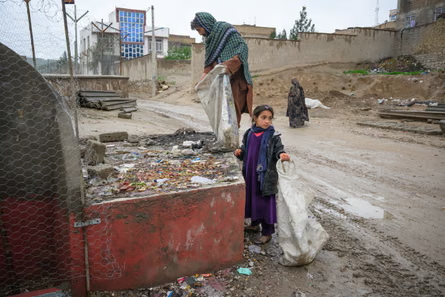
他的邻居苏尔古尔也处于同样的境地。早上,他和女儿扎尔蒂拉、10岁,以及比比·艾莎、7岁,一起捡拾垃圾,两人都已订婚。在家人不得不忍受“三天三夜没有任何食物”之后,家里决定将扎尔蒂拉嫁人。
His neighbour, Surgul, is in the same situation. In the morning, he collects rubbish with his daughters Zartila, 10, and Bibi Aisha, seven, who are both engaged. The decision to sell Zartila into marriage was taken after the family had to endure “three days and three nights with nothing to eat”.
最近,苏尔古尔卖掉了他泥巴房子里唯一用于照明的电池,为其中一个女儿买药。几年前,他和妻子失去了一个因病夭折的婴儿。
Recently, Surgul sold the only battery he had for lighting in his mud home to buy medications for one of his daughters. A few years ago, he and his wife lost an infant to illness.
但这并非他们一直以来的生活。苏尔古尔曾在村里养牛。随着干旱袭击该地区,他把牛都卖了。
But this was not always their life. Surgul once had cattle in his village. As droughts hit the area, he sold them.
巴德吉斯省的牛市里挤满了卖掉自己宝贵牲畜的男人,因为他们买不起饲料来弥补草料的不足。有些地区,村庄已经变成了鬼城。
Cattle markets in Badghis are full of men selling their precious animals because they cannot afford to buy fodder to compensate for the lack of grass. In some areas, villages have become ghost towns.
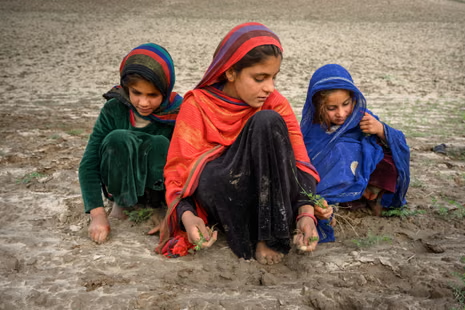
一些家庭前往阿富汗第三大城市赫拉特,那里的沙赫拉克-萨布兹营地收容了数以万计的流离失所者。他们来这里希望能获得人道主义援助——但援助已经枯竭。于是,他们只能通过将女儿嫁人来偿还债务。
Some families go to Herat, the third-biggest city in Afghanistan, where the Shahrak-e-Sabz camp houses tens of thousands of displaced people. They come here in the hope of finding humanitarian aid – but it has dried up. Then they resort to selling their daughters into marriage to repay debts.
达雷拉,15岁,和她30岁的丈夫穆拉住在一起。她的家人于2018年从村庄流离失所。
Darellah, 15, lives with her 30-year-old husband, Mollah. Her family was displaced from their village in 2018.
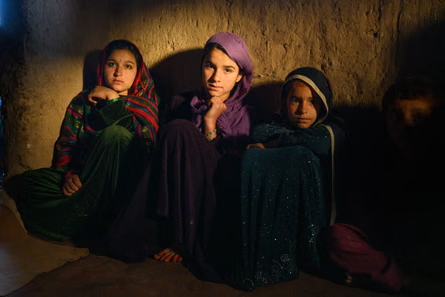
那一年,巴德吉斯省遭遇了历史性干旱,自2021年以来,干旱每年都在毁掉收成并导致牲畜饿死。
That year, Badghis suffered a historic drought, and since 2021, droughts have ruined harvests and starved livestock every year.
如今已怀孕的达雷拉正在探望她的家人。“我还是个孩子……在那个年龄结婚不可能是个好决定,”她说。她的妹妹比比·扎特,9岁,和拉希玛,11岁,都已订婚,但仍与父母同住。
Now pregnant, Darellah is visiting her family. “I am still a child … it cannot be a good decision to be married at that age,” she says. Her sisters, Bibi Zat, nine, and Rahimah, 11, are both engaged but still live with their parents.
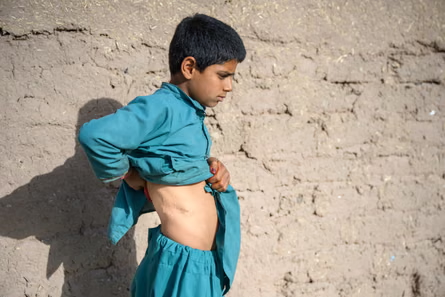
他们的邻居也都因干旱而流离失所。巴哈乌丁,40岁,不得不卖掉自己的土地。
Their neighbours were all displaced by the drought as well. Bahahuddin, 40, had to sell his land.
当他发现靠捡垃圾和乞讨无法养活家人时,他以10万阿富汗尼的价格卖掉了10岁儿子齐亚乌丁的一个肾。他想卖掉自己的肾,但说自己不够健康,没人愿意买。
When he found himself unable to feed his family by collecting rubbish and begging, he sold his 10-year-old son Ziauddin`s kidney for 100,000 afghanis. He wanted to sell his own but said he was not healthy enough for people to buy it.
在营地里,这样的故事并不引人注目。居民表示,儿童常常因无法获得医疗服务而死亡。
In the camp, stories like these do not raise an eyebrow. Residents say children have often died from not being able to access health services.
30岁的霍马卡是另一位因干旱流离失所的邻居。她的丈夫在女儿法蒂玛出生仅三个月后,就安排将两岁的女儿嫁出去。
Khomakha, 30, is another neighbour displaced by the droughts. Her husband made a deal to marry off their two-year-old daughter Fatemah only three months after the girl was born.
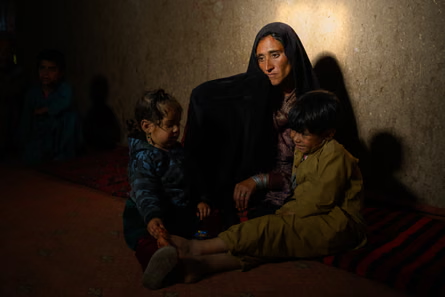
之所以如此紧迫,是因为他们负担不起共享交通的小额费用,无法将患白血病的八岁儿子埃赫桑拉赫每周送往医院输血。
The urgency came as they could not afford the small fee for shared transport to take their eight-year-old son, Ehsanullah, who has blood cancer, to the hospital for a transfusion each week.
法蒂玛结婚并搬到15小时车程外的村庄后,霍马卡可能再也见不到她。“女儿离开后,我将无力负担探望她的交通费,”霍马卡说。
Khomakha may not see Fatemah ever again after she marries and moves to a village 15 hours` drive away. “I will not be able to afford transport to visit my daughter once she leaves,” Khomakha says.
但留在村庄的家庭生活也并不轻松。在霍什基安,阿卜杜勒·阿齐兹八年内七次小麦收成失败。多年来的干旱中,他将五个女儿嫁出去,每人彩礼在9万至15万阿富汗尼(1000至1750英镑)之间,以偿还债务。
But life is not much easier for families who stay in their villages. In Khoshkian, Abdul Aziz`s wheat harvest failed seven times in eight years. Over the years of drought, he sold five of his daughters into marriage, for between 90,000 and 150,000 afghanis (£1,000-£1,750), to repay debts.
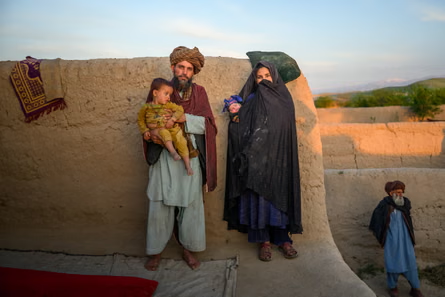
阿卜杜勒·阿齐兹的女儿马扎里大约在12或13岁时离家。现在她16或17岁,与丈夫、两岁的儿子以及刚出生一天的婴儿一起生活。她的丈夫已年过四十。
“12岁结婚真的很难;来到他家时,我不会做饭,但丈夫和公婆非常好,”她说。
Mazari, one of Abdul Azizs daughters, left home at about 12 or 13. Now 16 or 17, she lives with her husband in his 40s, their two-year-old son, and a baby born just one day ago. “Getting married at 12 was really hard; when I came to his home, I wasnt able to cook, but my husband and in-laws have been really kind,” she says.
她年龄在三到13岁之间的妹妹们,将在家中生活直到彩礼付清。在除草时,她们回忆起战火纷飞的岁月,当时前政府的士兵常常从身后的山上开枪。
Her younger sisters, aged between three and 13, will live at home until their bride prices are paid. While they weed a field, they remember the years of war when soldiers from the previous government used to shoot from the mountains behind them.
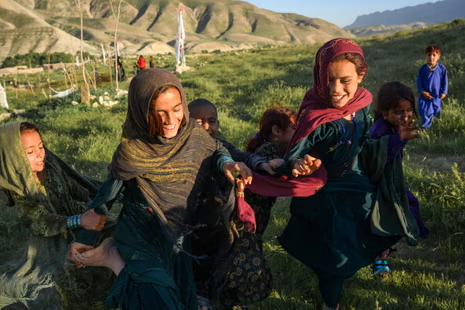
“无论我们是塔利班还是平民,前政府的军队都开枪,”马扎里13岁的妹妹沙马埃尔说。“现在感觉更好,因为不再被战斗声吵醒。”坐在田里,沙马埃尔的妹妹们一边继续除草,一边点头。
“There was no difference – the previous governments army shot whether we were Taliban or civilians,” says Shamael, Mazaris 13-year-old sister. “We feel better now because we are not woken up by fighting.”Sitting in the field, Shamael`s sisters nod as they continue weeding.
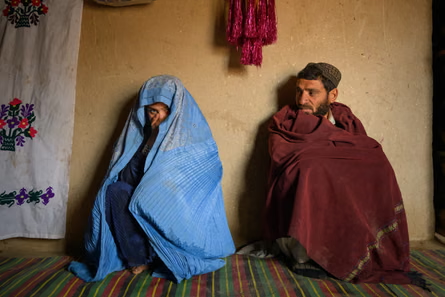
“人们耕种土地好几年。人们为此投入了大量资金,却没有收获,所以负债累累,”沙马埃尔说。“于是有些人卖掉土地,有些人卖掉女儿——为了生存。”没有法律规定女孩离家结婚的年龄。彩礼从几百到几千英镑不等,分期支付。一旦彩礼付清,婆家就可以索要新娘。在许多情况下,这发生在青春期初期。“我们遭遇的一切都是因为贫穷,”沙马埃尔说。
“People cultivate their land for several years. People invested a lot to do so, and there is no harvest, so they are in debt,” Shamael says. “Then some people sell their lands, some sell their daughters – to survive.”There is no law regarding the age at which girls can leave home for marriage. Bride prices range from hundreds to a few thousand pounds and are paid in instalments. Once the dowry is paid in full, the in-laws are free to claim the bride. In many cases, it happens at the beginning of puberty. “Everything that is happening to us is because of poverty,” Shamael says.
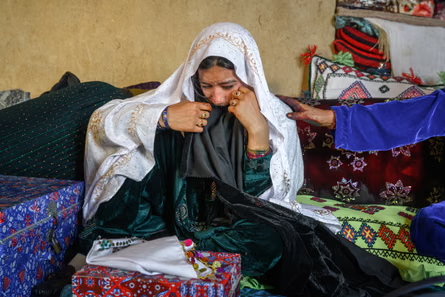
在她的婚礼当天,在努克希尔村,14岁的比比·萨米娅起初显得平静。她母亲说,前一晚她哭了很多。她保持坚强数小时,但在即将离开家之前,突然泪如雨下。“我不开心,因为我还太小,”她说。随着外国援助枯竭,本应为这些女孩提供支持的项目正在消失。
On her wedding day, in the village of Nookhil, Bibi Samia, 14, at first appears calm. She had cried a lot the night before, says her mother. She has remained stoical for hours but, just before she has to leave her home, bursts into tears. “I am not happy because I am very small,” she says. As foreign aid dries up, programmes that should provide support for these girls are disappearing.
世界宣明会国际组织阿富汗倡导主任马克·卡尔德说:“早婚让女孩面临潜在的致命健康风险,但随着援助削减,治疗她们的诊所正在消失。”童婚对女童的心理打击巨大。尽管贫困潦倒,萨拉仍每天早上带女儿艾莎,12岁,步行上小学,从她们居住的卡提拉所在的贫民窟出发,该贫民窟毗邻卡拉-纳乌,她们自2021年逃离干旱后便住在那里。
Mark Calder, advocacy director for Afghanistan at the aid organisation World Vision International, says: “Early marriage exposes girls to potentially deadly health risks, but the clinics treating them are disappearing as aid is cut.”The psychological toll for child brides is immense. Despite her crushing poverty, Sara brings her daughter, Aisha, 12, to primary school every morning, walking from the same slum Khatira lives in, bordering Qala-e-Naw, since they fled droughts in 2021.
然而,萨拉的丈夫为了偿还债务,将艾莎嫁给了一个20岁的男子;债务还清后,她就得过去。
Still, Sara`s husband sold Aisha into marriage to a 20-year-old to repay debts; when it is paid, she will have to go.
彩礼几乎没有缓解家庭的贫困:他们每月1000阿富汗尼的房租已拖欠两个月,房东已要求全家搬走。当她最后一个孩子出生时,萨拉不得不步行去医院,因为付不起车费。
The bride price has done little to alleviate the family`s poverty: their rent of 1,000 afghanis has not been paid for two months and the landlord has told the family to leave. When her last baby was born, Sara had to walk to the hospital, unable to pay for a lift.
尽管如此,萨拉说:“我尽量不联系婆家索要剩余的彩礼,这样艾莎就不必离开了。”萨拉不愿在女儿面前谈论她即将结婚的事,因为这会让艾莎哭泣。她宁愿让艾莎趁还能安静地做作业时继续做下去。
Despite this, Sara says: “I try not to contact the in-laws to ask them for the rest of the bride price, so that Aisha will not have to leave.”Sara cannot speak about her daughter`s impending marriage in front of her, as it makes Aisha cry. She prefers to let her continue quietly doing her homework while she still can.