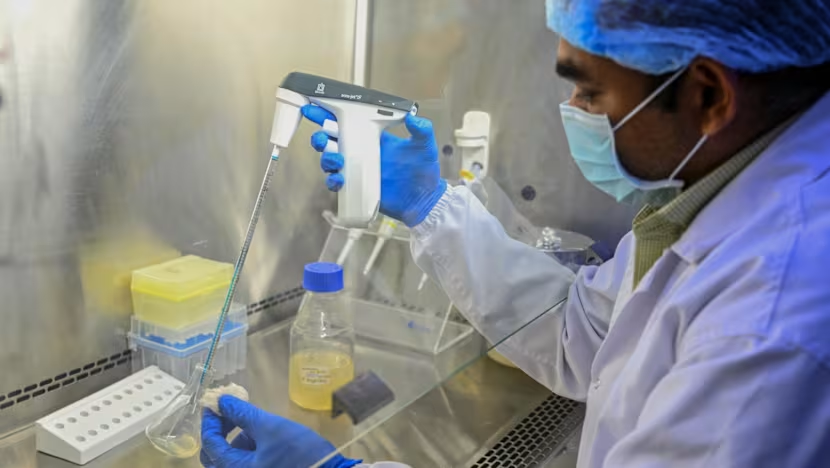
印度科学家和生物制药公司正在使用人工智能,以更快、更低成本地识别有前景的药物候选物。但行业专家告诉CNA,该技术只能解决漫长且充满风险的开发过程中的一部分。
Indian scientists and biopharmaceutical firms are using artificial intelligence to identify promising drug candidates faster and at lower cost. But industry experts tell CNA the technology can address only part of a lengthy and risky development process.
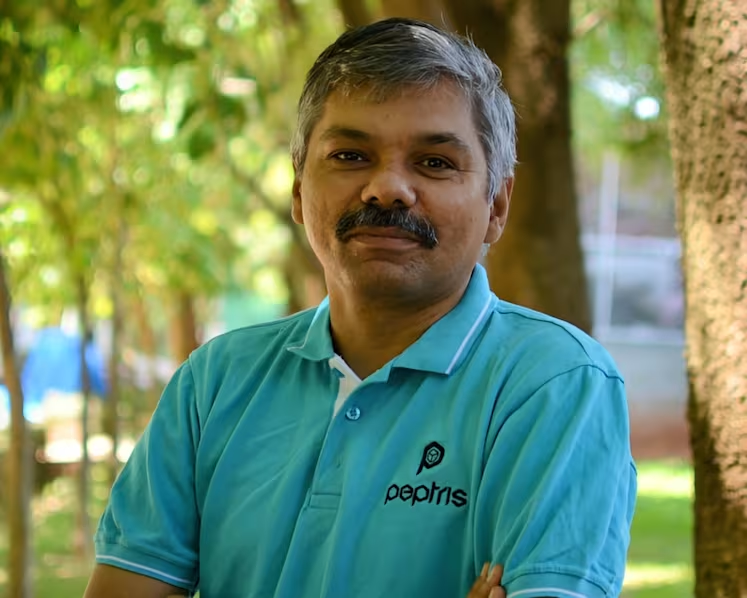
新德里:印度药物发现初创公司Peptris的一个约十人团队正在使用人工智能,同时开展十几个潜在药物项目的研究。
NEW DELHI: A team of about a dozen people at Indian drug-discovery startup Peptris is using artificial intelligence to work on more than a dozen potential drug programmes simultaneously.
Peptris联合创始人文卡塔斯布拉马尼安·纳拉亚南表示,该公司在约18个月内将其一个药物开发项目推进至晚期临床阶段,而采用传统方法则需要超过四年。
Peptris co-founder Venkatasubramanian Narayanan said the company advanced one of its drug development programmes to a late preclinical stage in about 18 months, compared with more than four years using conventional methods.
如此快速的发展可能预示着印度制药业的根本性转变,帮助其超越传统重点和成功领域。
Such fast development could signal a fundamental shift in India’s pharmaceutical sector, helping it to expand beyond its traditional focus and areas of success.
行业科学家告诉CNA,印度历来在仿制药、制造以及为国际公司提供合同研究方面最为强劲,而原创药物发现仍然发展不足。
Industry scientists told CNA that India has historically been strongest in generics, manufacturing and contract research for international firms, while original drug discovery remains less developed.
印度制药业的规模在周二于新德里举行的彭博新经济论坛上得到凸显,当时总理纳伦德拉·莫迪表示,该国供应全球每五种仿制药中的一种。政府目前正在投资药物发现工作。
The scale of India’s pharmaceutical industry was highlighted at the Bloomberg New Economy Forum in New Delhi on Tuesday, where Prime Minister Narendra Modi said the country supplies one in every five generic medicines used globally. The government is now investing in drug discovery efforts.
九月,印度药品部批准了约160亿卢比(相当于1.68亿美元)的资金,用于41个医药和医疗技术研究项目,其中包括新型药物发现和临床开发。
In September, India’s Department of Pharmaceuticals approved about 16 billion rupees (US$168 million) in funding for 41 pharmaceutical and medical technology research projects, including novel drug discovery and clinical development.
药物开发者和科学家表示,人工智能可以通过更早地识别有前景的化合物,使更多印度公司能够以更低成本、更快速度开发自己的药物。但这只能解决挑战的一部分。
Drug developers and scientists say that AI could make it cheaper and faster for more Indian companies to develop their own medicines by identifying promising compounds earlier. But that addresses only part of the challenge.
诺巴尔·阿费扬(Noubar Afeyan),美国制药巨头莫德纳(Moderna)的联合创始人兼董事长,对CNA表示,印度将有前景的科学成果转化为药物的能力将取决于在人体试验前后建设更多所需基础设施。
Noubar Afeyan, co-founder and chairman of US-based pharma giant Moderna, told CNA that India’s ability to turn promising science into medicines will depend on building much more of the infrastructure needed before and during human trials.
“与其只依赖AI,建立规模化的临床前和临床能力可能更为重要,”他说。“我认为AI无法解决这个问题。”降低药物研发门槛其意义不仅限于印度的医药出口 — — 据政府数据,截至2026年3月止的财政年度,印度医药出口增长2.1%,达到约310亿美元。
“It’s probably more important to get preclinical and clinical capabilities established at scale than just AI,” he said. “I don’t think AI will fix that.”LOWERING THE BARRIERS TO DRUG DISCOVERY The potential significance goes beyond India’s pharmaceutical exports - which rose by 2.1 per cent to about US$31 billion in the financial year ended March 2026, according to government data.
根据世界卫生组织的数据,2021年印度非传染性疾病导致的死亡占比为49%,约640万人。根据印度国家卫生账户,2022-23财政年度,家庭自付医疗费用占该国总卫生支出的43.4%,经济负担同样显著。
Non-communicable diseases accounted for 49 per cent of deaths in India in 2021, or about 6.4 million, according to the World Health Organization. The financial burden is also significant, with households paying 43.4 per cent of the country’s total health expenditure out of pocket in financial year 2022-23, according to India’s National Health Accounts.
科学家表示,降低研发成本有助于更多印度公司在没有大型制药公司资源的情况下开发新疗法。
Scientists said that lower research costs could help more Indian companies develop new treatments without the resources of a large pharmaceutical firm.
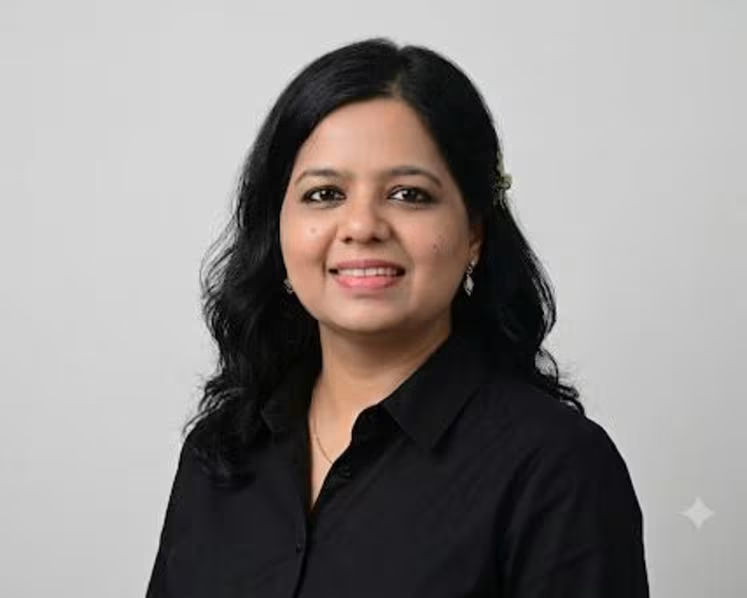
药物发现科学家、Abhinavayan Biotech联合创始人梅格哈·戈亚尔(Megha Goyal)表示,AI已经在帮助印度较小的生物技术公司识别有前景的药物靶点、筛选潜在化合物,并在投入实验室实验前设计分子。
Megha Goyal, a drug-discovery scientist and co-founder of Abhinavayan Biotech, said AI is already helping smaller Indian biotechnology companies identify promising drug targets, screen potential compounds and design molecules before committing to laboratory experiments.
“AI并未让药物发现变得容易;它让这一过程变得更易于获取、更高效,”她说。
“AI has not made drug discovery easy; it has made it more accessible and more efficient,” she said.
佩普特里斯(Peptris)的纳拉亚南表示,即使印度公司历来在承担所开发药物的财务风险方面投入较少,印度科学家和合同研究组织已经能够开展复杂的药物发现工作。
Peptris’ Narayanan said Indian scientists and contract research organisations already perform sophisticated drug-discovery work, even if Indian companies have historically taken on less of the financial risk involved in owning the medicines being developed.
戈亚尔表示,印度药物开发者面临的更大挑战在于初步发现阶段之后。
Goyal said the bigger challenge for Indian drug developers comes after the initial discovery stage.
“药物发现本质上是一项长期且高风险的工作,需要患者资本、持续承诺和长期愿景,”她说。
“Drug discovery is inherently a long-term and high-risk endeavour that requires patient capital, sustained commitment [and] long-term vision,” she said.
风险投资公司Speciale Invest的创始合伙人Vishesh Rajaram表示,他现在看到越来越多的科学家围绕他们自己的药物建立公司,而不是提供研究服务或制造现有药物。
Vishesh Rajaram, founding partner at venture capital firm Speciale Invest, said he is now seeing more scientists build companies around drugs of their own rather than provide research services or manufacture existing medicines.
“如今我们看到(印度)科学家创始人从第一天起就建立具有全球野心的新型化学、生物制剂和AI优先的发现公司,”Rajaram说,他的公司已投资于Peptris。
“Today we see (Indian) scientist-founders building novel-chemistry, biologics and AI-first discovery companies with global ambitions from day one,” said Rajaram, whose firm has invested in Peptris.
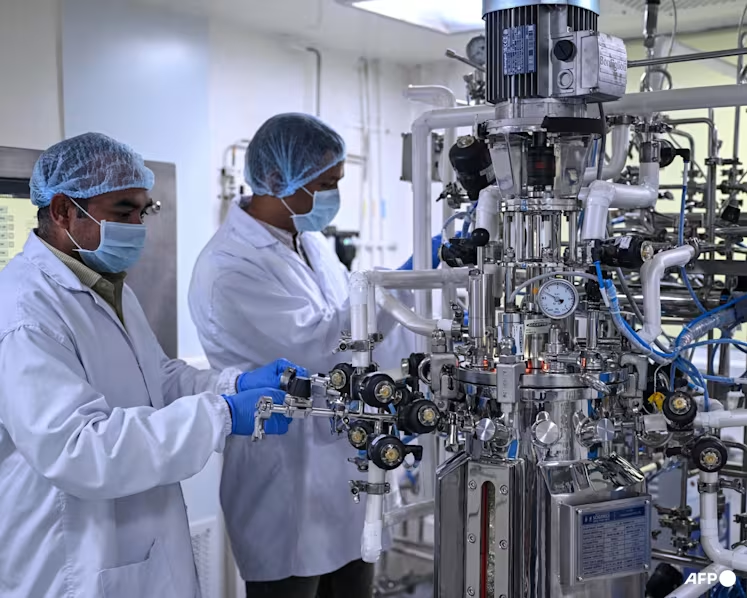
他说,更便宜的计算和AI工具可以减少研究人员需要合成和物理测试的化合物数量,使得更小的团队能够用更少的资金识别出有前景的药物候选者。
He said cheaper computing and AI tools can reduce the number of compounds researchers need to make and physically test, allowing smaller teams to identify promising drug candidates with less money.
但Rajaram表示,这些节省主要集中在药物开发的初期阶段。
But Rajaram said those savings are concentrated largely at the beginning of drug development.
“AI降低了创建资产所需的资本,”他说。“但它尚未降低证明该资产在患者中有效所需的资本。”艰难的部分班加罗尔生物制药公司Bugworks的联合创始人兼首席科学官Santanu Datta表示,AI在拥有大量可靠数据时效果最佳。这包括分子的形状、其预期靶点以及类似化合物的行为方式。
“AI lowers the capital needed to create an asset,” he said. “It doesn’t yet lower the capital needed to prove that the asset works in patients.”THE HARD PART Santanu Datta, co-founder and chief scientific officer at Bengaluru-based biopharma firm Bugworks, said AI works best with large amounts of reliable data. This includes the shape of a molecule, its intended target and how similar compounds have behaved.
Datta表示,一种药物可能看起来像预期那样与其靶点相互作用,但在患者体内可能表现不同,影响其他蛋白质或导致意外效果。
A drug may appear to interact with its intended target as hoped, but behave differently in patients, affect other proteins or cause unforeseen effects, said Dutta.
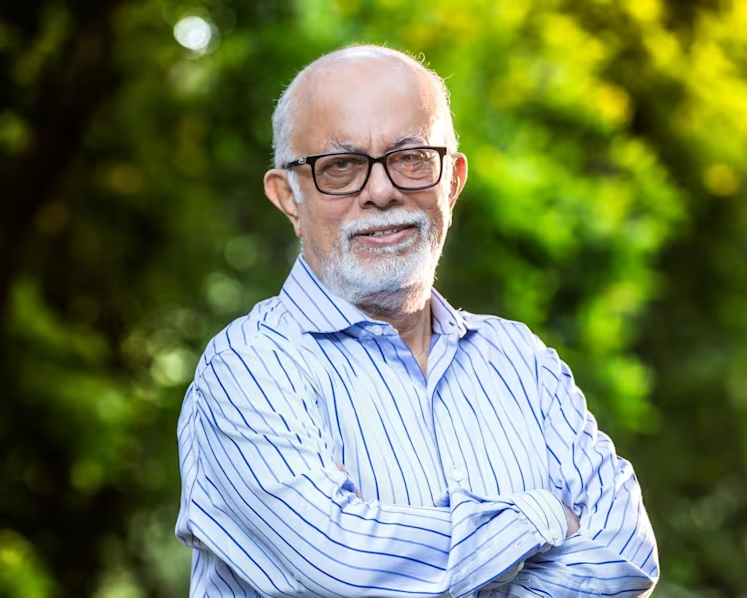
他将其比作预测一个人独自时的行为,与试图预测当该人被置于拥挤城市中时会发生什么的区别。
He compared it to predicting how a person behaves alone versus trying to predict what happens when that person is placed in a crowded city.
“一旦你把这个人放进一座有百万人口的城市,情况就会改变,”他说。
“Once you put the person in a city with a million people, things change,” he said.
Datta在药物发现领域已有超过三十年的经验,其中包括在阿斯利康印度工作超过20年,专注于传染病研究。
Datta has spent more than three decades in drug discovery, including more than 20 years working on infectious diseases at AstraZeneca India.
Bugworks 是他后来共同创立的公司,正在研发针对耐药感染和癌症的治疗方法,其领先的抗生素已进入人体一期临床试验 — — 这是在人体中测试实验药物的第一阶段,主要用于评估其安全性。
Bugworks, which he later co-founded, is developing treatments for drug-resistant infections and cancer, and its lead antibiotic has progressed to Phase 1 human trials - the first stage of testing an experimental drug in people, primarily to assess its safety.
但获批药物仍有很长的路要走。根据生物技术创新组织、Informa Pharma Intelligence 和 QLS Advisors 的分析,在 2011 年至 2020 年间进入一期临床试验的药物项目中,只有 7.9% 最终获得批准。
But there is still a long road to an approved drug. Only 7.9 per cent of drug programmes that entered Phase 1 trials between 2011 and 2020 ultimately received approval, according to an analysis by the Biotechnology Innovation Organization, Informa Pharma Intelligence and QLS Advisors.
根据美国食品药品监督管理局的说法,一种药物通常需要经过三期人体临床试验,监管机构才能决定是否批准其上市。
According to the United States Food and Drug Administration, a medicine typically passes through three phases of clinical human trials before regulators decide whether to approve it.
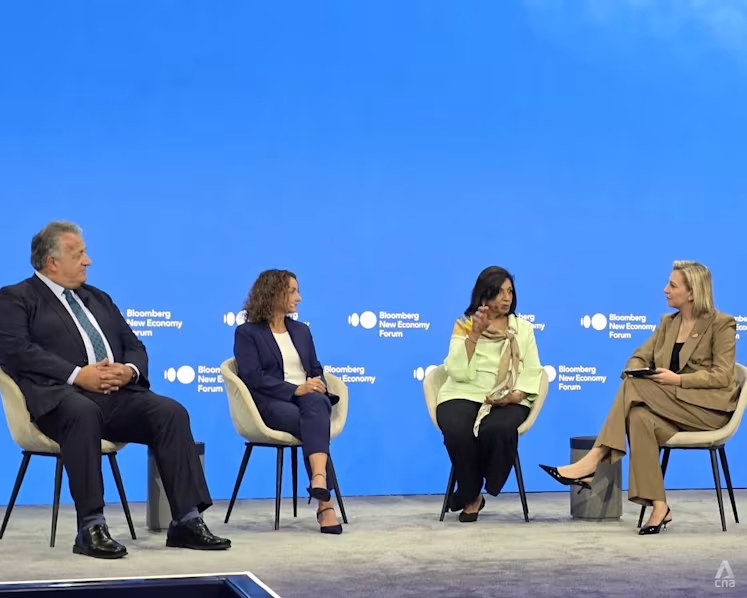
“从想法到药物候选物,有巨大的改进(使用 AI),”莫德纳的 Afeyan 说。“从药物候选物到人体概念验证,改进较小。”另一个挑战是,大型制药公司拥有多年失败药物项目的数据,这些数据可能帮助 AI 识别哪些方案不太可能成功,但其中大部分仍属私有,Datta 说。“非常早期的阶段”有早期迹象表明,印度公司正开始研发能够吸引国内外关注的新型药物候选物。
“From idea to drug candidate, there are massive improvements (using AI),” Afeyan of Moderna said. “From drug candidate to human proof of concept, there are smaller improvements.”Another challenge is that large pharmaceutical companies have years of data from failed drug programmes that could help AI identify what is unlikely to work, but much of it remains private, Datta said. ‘VERY NASCENT STAGE’There are early signs that Indian companies are beginning to create novel drug candidates that attract interest beyond the country.
例如,Peptris 已将其一款药物候选物授权给总部位于美国的制药公司 Revio Therapeutics 进行进一步开发,从而获得了海外合作伙伴以推进该项目。
Peptris, for example, has licensed one of its drug candidates to US-based pharma firm Revio Therapeutics for further development, giving it an overseas partner to take the programme forward.
行业高管表示,印度公司在寻求合作伙伴之前能自主研发药物的程度,将决定印度能保留多少价值。
Industry executives said how far Indian companies can develop their own drugs before seeking partners will determine how much value India retains.
Speciale Invest 的 Rajaram 表示,将印度研发的药物授权给海外公司是“一个真正的进步,但尚未达到终点”。他表示,更大的转变将出现在更多印度公司自行将治疗方案推进至早期人体试验之后,再寻求更大规模的合作伙伴时。
Speciale Invest’s Rajaram said licensing Indian-developed drugs overseas was “a genuine step up, but not yet the destination”. A bigger shift, he said, would come when more Indian companies take their own treatments into early human trials before seeking larger partners.
印度生物制药巨头Biocon的创始人Kiran Mazumdar-Shaw表示,目前仍为时过早,无法得出人工智能正在改变该国药物研发的结论。
Kiran Mazumdar-Shaw, founder of Indian biopharmaceutical major Biocon, said it was still too early to conclude that AI was transforming drug development in the country.
“我们仍处于非常早期的阶段,且尚未有任何证据证明这一点,”她说。“试点规模的概念验证无法反映出真正规模化应用所蕴含的实际机遇。”
“We are still at a very nascent stage, and nothing of this is proven,” she said. “Proof of concept at pilot scale is no reflection on what is really the true opportunity at scale.”