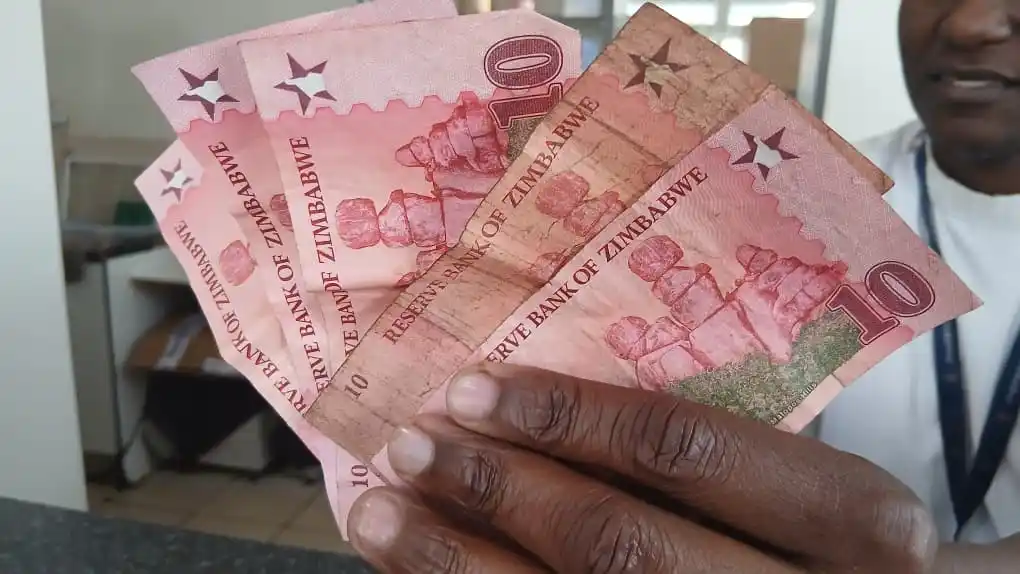
津巴布韦,哈拉雷——政府正试图促使民众更广泛地使用本国货币,长远目标是减少对美元的依赖。然而,在经历了多年货币动荡之后,许多人仍不愿信任这次的新举措。
Harare, Zimbabwe – The government is trying to persuade citizens to use its own currency more widely, with the longer-term aim of reducing reliance on the US dollar. But after years of currency instability, many remain reluctant to trust the latest attempt.
2024年4月推出的“津巴布韦黄金币”(ZiG)是政府为恢复民众对本国货币信心而采取的措施。津巴布韦储备银行称,该货币以外汇储备及包括黄金在内的贵金属储备作为支撑。
The Zimbabwe Gold (ZiG), introduced in April 2024, is a government effort to restore confidence in the local currency. The Reserve Bank of Zimbabwe (RBZ) says the currency is backed by foreign currency and precious metal reserves, including gold.
不过,问题并不仅仅在于发行新货币或充实储备。经历过多次货币危机的津巴布韦民众目睹自己的积蓄缩水、工资大幅减少,因此对于持有一种购买力可能继续下降的货币仍心存疑虑。
Yet the challenge extends beyond introducing a new currency or strengthening its reserves. Zimbabweans who have watched their savings lose value and their wages shrink through successive currency crises remain cautious about holding money in a currency whose purchasing power they fear could deteriorate.
2009年,在经历恶性通货膨胀后,津巴布韦废除了本国货币,转而实行以美元为主导的多货币体系。2018年,本国货币重新启用,但接连不断的货币不稳定状况使得重建民众信心变得困难重重。
Zimbabwe abandoned its local currency in 2009 after a period of hyperinflation and adopted a multicurrency system dominated by the US dollar. A domestic currency returned in 2018, but repeated instability has made rebuilding public confidence difficult.
对于小学教师查尔斯·姆布万达里克瓦而言,早前发生的货币危机就是一个警示。
For primary school teacher Charles Mbwandarikwa, the experience of earlier currency crises remains a warning.
他的工资约有三分之一以“津巴布韦黄金币”支付,但他总是迅速将其兑换掉,不愿长期持有。这种谨慎态度源于此前本国货币崩溃时他所遭受的损失。
He receives about a third of his salary in ZiG and says he exchanges it quickly rather than holding on to it. His caution stems from the losses he suffered when Zimbabwe’s previous currency collapsed.
2009年的危机中,他失去了毕生积蓄的养老金。他说,2018年本国货币重新启用后,到当年年底,他的工资价值从相当于540美元骤降至仅40美元。
He lost his pension savings during the 2009 crisis. When the local currency was reintroduced in 2018, he says, the value of his salary fell from the equivalent of $540 to $40 by the end of that year.
这些经历很好地解释了为何官方对“津巴布韦黄金币”的种种承诺并未真正赢得普通民众的信任。
Such experiences help explain why official assurances about the ZiG have not necessarily translated into confidence among earners.
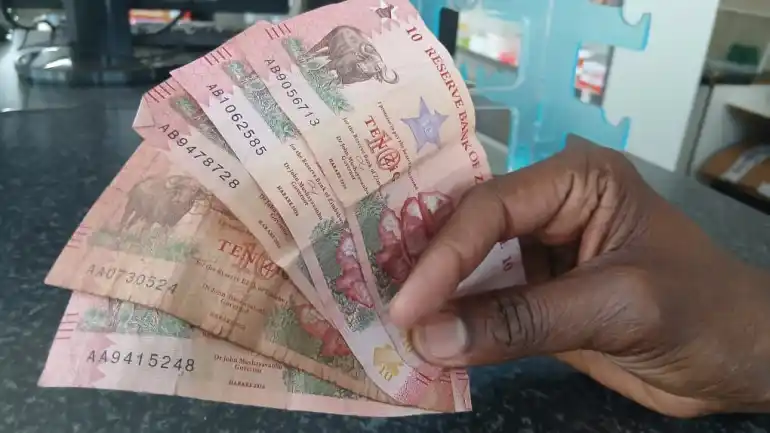
为提升该货币的信誉度,津巴布韦储备银行也采取了行动。4月7日,该行推出了新版“津巴布韦黄金币”纸币,在图案设计及防伪功能方面均有所改进。
The RBZ has sought to strengthen the currency’s credibility. On April 7 , the bank introduced an upgraded series of ZiG banknotes with revised designs and security features.
据津巴布韦储备银行统计,上个月津巴布韦元(ZiG)的年通胀率维持在3.7%的水平。不过,仅靠较低的通胀率并不足以促使民众选择用该货币进行储蓄或日常交易。
According to the RBZ, annual ZiG inflation stood at 3.7 percent last month. But relatively low inflation alone does not guarantee that people will choose to save in the currency or use it for everyday transactions.

经济学家科尼利厄斯·杜贝指出,目前市场对津巴布韦元的需求依然疲软。“津巴布韦元的供应量必须与市场需求相匹配,而当前对该货币的需求十分低迷,”他说道。
Economist Cornelius Dube says demand for the ZiG remains weak. “ZiG has to be available in a ratio relative to its demand. Demand for ZiG is currently very subdued,” he says.
对企业而言,消费者是否愿意接受该货币,是判断其能否在经济中发挥更大作用的实际检验标准。
For businesses, the currency’s acceptance by customers is a practical test of whether it can gain a larger role in the economy.
服装零售商塞塞扎伊·奇古米拉表示,自己仅用津巴布韦元完成了寥寥几笔交易。她的经历反映出:在消费者和企业仍更习惯使用美元进行交易的情况下,要推广新货币的广泛使用实属不易。
Sesedzai Chigumira, a clothing retailer, says she has made only a handful of sales in ZiG. Her experience reflects the difficulty in encouraging wider use of a currency when customers and businesses remain more comfortable transacting in US dollars.
政府试图降低对美元的依赖,却还面临一个更普遍的难题:拥有黄金及其他矿产资源本身并不能直接赢得民众对货币的信任。民众必须确信该货币能够保值,且可用于购买商品、支付各类开支以及储蓄以备将来之需。
The government’s push to reduce dollar dependence also faces a broader challenge: the existence of gold and other mineral resources does not, by itself, guarantee confidence in a currency. People must believe that it will retain its value and remain useful for paying for goods, meeting expenses and saving for the future.
当企业预判消费者更青睐美元时,往往不愿以津巴布韦元定价或接受该货币支付;而消费者若担心货币贬值,也缺乏持有该货币的动机。这种恶性循环仅靠政策措施恐怕难以打破。
Where businesses expect customers to prefer dollars, they may be reluctant to price goods or accept payments in ZiG. Consumers, in turn, have little incentive to hold the local currency if they fear that its value could fall. That creates a cycle that policy measures alone may struggle to break.
目前,津巴布韦储备银行已放弃此前设定的“2030年实现单一货币流通”的目标,转而提出通过渐进式、以市场为导向的方式提升津巴布韦元的使用率。这一路径的实现有赖于宏观经济的持续稳定,以及能促使企业和消费者自愿使用该货币的各项条件。
The RBZ has moved away from its previous target of adopting a single currency by 2030, instead outlining a gradual, market-led transition towards greater use of the ZiG. The approach depends on sustained macroeconomic stability and conditions that encourage businesses and consumers to use the currency voluntarily.
此外,该央行还致力于扩大津巴布韦元在国内交易中的使用范围,比如推动其用于缴税及公共部门交易,同时配套实施外汇及国家支付体系的相关改革措施。
The central bank has also sought to expand the ZiG’s role in domestic transactions, including through its use in tax payments and public-sector transactions, alongside measures affecting the foreign exchange and national payments systems.
不过,在支付领域的广泛应用并不等同于人们对该货币作为价值储存手段的信任。人们或许会在有需要或别无选择的情况下使用津巴布韦元,但未必愿意将积蓄存入这种货币中。
But wider use in payments is not the same as confidence in a currency as a store of value. People may use ZiG when required or when circumstances leave them little choice without being willing to keep their savings in it.
对姆布万达里克瓦而言,曾经失去养老金的经历始终是他做决策时的重要考量因素。而对奇古米拉来说,目前使用津巴布韦元付款的顾客数量有限,这恰恰说明这种货币要成为商业活动中的常规支付手段还有很长的路要走。
For Mbwandarikwa, the memory of losing his pension savings remains part of the calculation. For Chigumira, the limited number of customers paying in ZiG shows how far the currency still has to go to become a routine part of business.
杜贝认为,去美元化是可行的,但无法一蹴而就。“历史证明去美元化确实有可能实现,只是过程并不容易,需要时间,”他说道。
Dube says de-dollarisation is possible, but it cannot be achieved overnight. “History shows that it is possible to de-dollarise, though it’s not easy. It takes time,” he says.
对于经历过多次货币危机的津巴布韦民众而言,真正的考验在于津巴布韦元能否长期保住他们的劳动所得与积蓄。通过政策手段扩大该货币的使用范围或许可行,但要赢得民众的信任,还需维持货币的长期稳定并增强人们的信心。
For Zimbabweans who have lived through repeated currency crises, the test will be whether the ZiG can preserve their earnings and savings over time. Expanding its use through policy may be possible, but persuading people to trust it will require sustained stability and confidence in the currency.
“政策不应强行推动货币兑换,而应制定必要的激励措施,最终让企业和消费者在持有津巴布韦元还是美元时都无差别感,”杜贝说道。
“Policy should not try to force a conversion but should create the necessary incentives which will eventually see both businesses and consumers being indifferent to holding ZiG or US dollars,” Dube says.