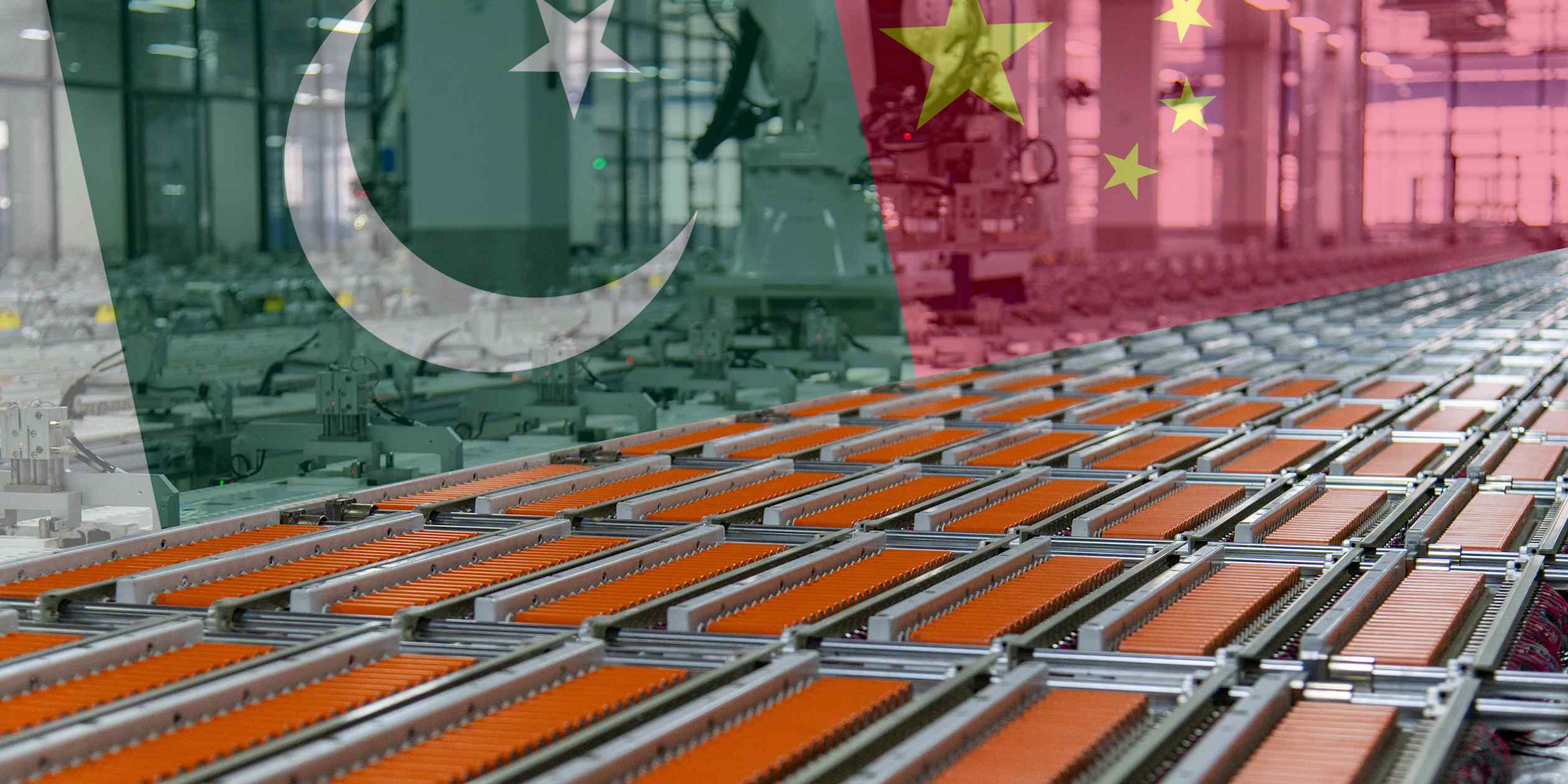
伊斯兰堡 — 中国太阳能电池板正源源不断地流入巴基斯坦,推动对锂离子电池的需求增长,并促使当地企业与中国制造商合作,在国内组装电池组,尽管全球价格正在下跌,内部人士预测价格还会进一步下降。
ISLAMABAD -- Chinese solar panels are pouring into Pakistan, fueling demand for lithium-ion batteries and persuading local companies to partner with Chinese manufacturers to assemble the power packs domestically, even as prices plunge globally and insiders predict they will fall even further.
总部位于卡拉奇的太阳能解决方案公司ME Solar Energy正通过与中国宁德时代新能源科技股份有限公司(CATL)的合作,在该市建设一个组装厂。在CATL提供1500万美元投资和技术支持的情况下,该工厂将于3月投入运营,每月可生产1万块5千瓦时锂离子电池,ME Solar Energy首席执行官祖拜尔·艾哈迈德向《日经亚洲》透露了这一消息。ME Solar Energy并非个例。
ME Solar Energy, a Karachi-based solar power solutions company, is setting up an assembly plant in the city through a tie-up with China's Contemporary Amperex Technology Co., Ltd. (CATL). With a $15 million investment and technical support from CATL, the plant will be operational in March and able to produce 10,000 5-kilowatt lithium-ion batteries per month, ME Solar CEO Zubair Ahmed told Nikkei Asia. ME Solar Energy is not alone.
根据提交给巴基斯坦证券交易所的披露文件,刀片和剃须刀制造商Treet Corporation的子公司Treet Battery正计划与中国宁波时代能源技术有限公司合作,建设一个锂离子电池组装厂。此外,伊斯兰堡本地独立电力生产商Kohinoor Energy也计划与中国河北巨航能源科技集团合作,建设一个电池组装厂。
According to disclosures submitted to the Pakistan Stock Exchange, Treet Battery, a subsidiary of blade and razor manufacturer Treet Corporation, is planning to set up a lithium-ion battery assembly plant with China's Contemporary Nebula Technology Energy. Also, Kohinoor Energy, an Islamabad-based independent power producer, plans to build a battery assembly plant in partnership with China's Hebei Juhang Energy Technology Group.
这些公司的目标是抢占目前由国外供应商主导的本地锂离子电池不断增长的需求。
The companies aim to capture growing local demand for lithium-ion batteries that foreign suppliers currently feed.
根据联合国数据,巴基斯坦对锂离子电动蓄电池(即可充电电池)的进口额从去年的6000万美元激增至2025年的1.71亿美元,增长近三倍,其中中国贡献了1.67亿美元。英国智库Ember(该机构汇编中国海关数据)表示,在更广泛的类别中,这些来自中国的电池进口额从2024年的1.471亿美元升至2025年的2.943亿美元。今年前八个月,这些进口额已达5.372亿美元。
According to United Nations data, Pakistan's imports of lithium-ion electric accumulators, or rechargeable batteries, jumped nearly threefold to $171 million in 2025 from $60 million the previous year, with China accounting for $167 million. Ember, a U.K.-based think tank that compiles Chinese customs data, says that, in a broader category, these battery imports from China rose to $294.3 million in 2025 from $147.1 million in 2024. In the first eight months of this year, these imports came to $537.2 million.
“因此,最明确的工业机遇不只是进口更多电池;而是将工程、组装、测试和集成价值链的一部分转移到巴基斯坦,”巴基斯坦太阳能协会在一份最新报告中表示。
"The clearest industrial opportunity is therefore not simply to import more batteries; it is to move part of the engineering, assembly, testing and integration value chain into Pakistan," the Pakistan Solar Association said in a recent report.
业内人士表示,中国东进集团自2021年以来一直在卡拉奇经营一家电池工厂,规模有限地生产锂离子电池。但随着太阳能热潮在全国蔓延,巴基斯坦公司及其中国合作伙伴正相继涉足电池组装。
Industry insiders say China's Dongjin Group has operated a battery factory in Karachi since 2021, producing lithium-ion batteries on a limited scale. But Pakistani companies and their Chinese partners are now venturing into battery assembly one after another as a solar boom spreads across the country.
根据Ember的数据,2025年巴基斯坦是中国太阳能板的第二大进口国,较2023年的第五位有所提升,仅次于荷兰;2025年中国太阳能板进口量达到创纪录的16.86吉瓦,是2023年的两倍多。由一组独立分析师编撰的《2026年世界核工业状况报告》称,巴基斯坦在2025年通过太阳能板发电量估计为36.3太瓦时,比核反应堆多60%。
According to Ember, Pakistan was the second-largest importer of Chinese solar panels in 2025, up from fifth in 2023, behind the Netherlands, and imports of Chinese panels hit a record high of 16.86 gigawatts in 2025, more than double 2023. The World Nuclear Industry Status Report 2026, authored by a group of independent analysts, says Pakistan generated an estimated 36.3 terawatt-hours of power from solar panels in 2025, 60% more than from reactors.
电费上涨和电网可靠性下降正推动人们安装太阳能板,而太阳能板需要可充电电池来储存所收集的能源。
Higher electricity tariffs and declining grid reliability are pushing people to install solar panels, which need rechargeable batteries to store the energy they collect.
“巴基斯坦的电池市场可能[创造]一个数十亿美元的工业机遇,”美国能源市场咨询公司Primary Vision的全球市场和产品策略师奥萨马·里兹维对《日经亚洲》表示。“按目前的进口量,即使只捕获一小部分,也能支持熟练就业和国内产业,”他说。
"Pakistan's battery market could [create] a multibillion-dollar industrial opportunity," Osama Rizvi, a global market and product strategist at Primary Vision, a U.S.-based energy market consultancy, told Nikkei Asia. "At current import volumes, even capturing a fraction would support skilled employment and domestic industry," he said.
然而,当地电池价格下降可能会限制正在筹建组装厂的公司收入。ME Solar Energy的艾哈迈德表示,由于全球价格下跌和中国过剩生产,基本5千瓦电池的当地平均价自2024年以来已降至720美元,降幅达一半;如果巴基斯坦新建的组装厂投入运营,平均价“可能下降18%”至590美元。
However, declining local battery prices could cap revenues for companies now preparing assembly plants. Ahmed of ME Solar Energy said the local average price of a basic 5-kw battery has halved since 2024 to $720 "due to a global price decline and overproduction by China" and, if a new assembly plant becomes operational in Pakistan, the average price "could fall by 18%" to $590.
专家还警告说,巴基斯坦无法承担考虑超越组装的锂离子电池一体化生产。
Experts also warn that Pakistan cannot afford to consider integrated production of lithium-ion batteries beyond assembly.
“组装在短期内相对可行,但制造电池电芯需要大量资本、技术专长和规模经济,”伊斯兰堡可持续发展政策研究所研究员哈利德·瓦利德对《日经亚洲》表示。
"Assembly is relatively feasible in the short term, but manufacturing battery cells requires significant capital, technological expertise, and economies of scale," Khalid Waleed, a research fellow at the Sustainable Development Policy Institute in Islamabad, told Nikkei Asia.
伊斯兰堡的经济学家瓦卡尔·艾哈迈德也持此观点,称巴基斯坦的市场无法承担转向“全电芯制造”,因为这“需要一定的市场规模和资本密集度”。他补充说,现实的近期做法是“捕获组装、集成和保修价值,而非电芯生产”,即将电池电芯嵌入一个综合系统并提供售后服务。阿德南·阿米尔是本文撰稿人。
Vaqar Ahmed, an Islamabad-based economist, agrees, saying Pakistan's market cannot afford to move to "full cell manufacturing," as it "requires a market size and capital intensity." He added that the realistic near-term approach is "capturing assembly, integration and warranty value rather than cell production," meaning embedding the battery cell in a comprehensive system and after-sales services. Adnan Aamir is a contributing writer.