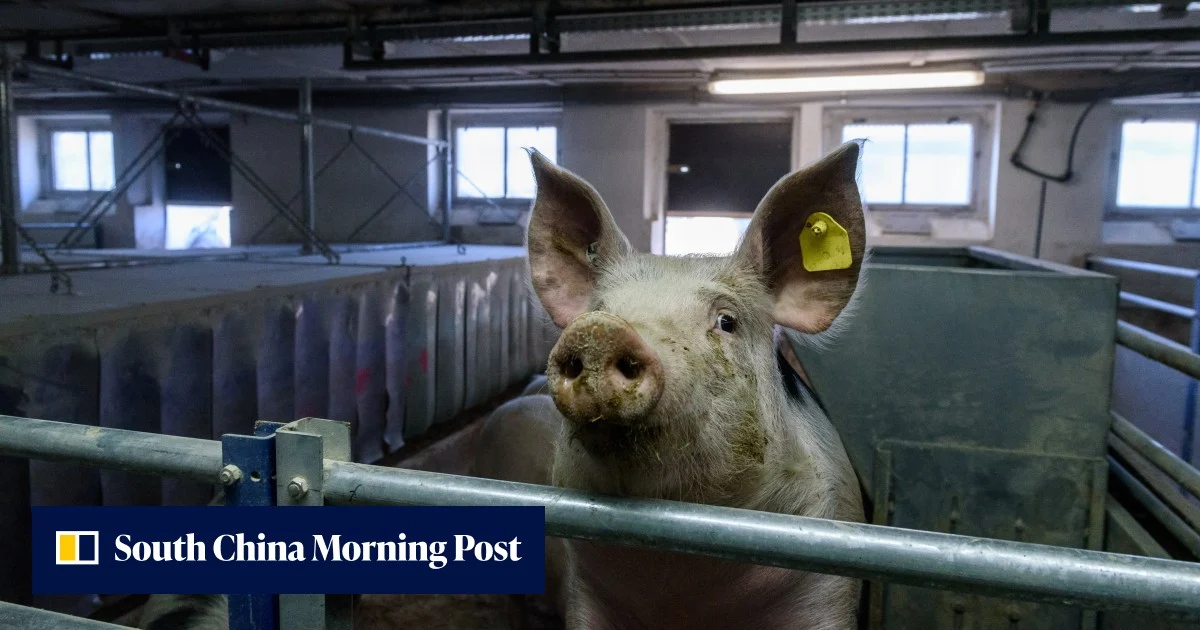
一项新研究警告称,中国庞大的养猪业对进口豆粕饲料的高度依赖,正在地区冲突加剧和气候变化的背景下,威胁着其14亿人口获得负担得起的蛋白质供应。
Heavy reliance on imported soy feed in China’s massive pork industry puts affordable protein supply for its 1.4 billion people at risk amid rising regional conflicts and climate change, a new study has warned.
根据新加坡生物科技公司Full Circle Biotechnology于周五发布的《蛋白质主权指数》,中国主要依赖猪肉获取蛋白质,因此在获取这种必需的大量营养素方面“暴露”于风险之中。
The nation, which relies largely on pork for its protein intake, was “exposed” to risks in access to this essential macronutrient, according to the Protein Sovereignty Index published by a Singapore-ed biotech firm on Friday.
该研究显示,在全球43个国家和地区的评估中,中国排名第21位,面临中等水平的风险。研究指出,其主要挑战在于进口暴露度和资源空间。该研究提前于周五的世界粮食日发布。
China faced a medium level of risk on a global scale, as it ranked 21st among 43 countries and regions assessed by Full Circle Biotechnology. Its challenges mainly involved import exposure and resource headroom, according to the study, released in advance of Friday’s World Food Day.
在国家安全和韧性日益受到关注的时代,确保负担得起的蛋白质供应正受到中东冲突的考验——该冲突已扰乱肥料供应,以及强烈的厄尔尼诺天气模式导致鱼粉价格上涨。
In an era of growing focus on national security and resilience, the ability to secure affordable protein is being tested by Middle East conflicts that have disrupted fertiliser supplies and a strong El Nino weather pattern that has driven up fishmeal prices.
研究称,在此背景下,加拿大表现最佳,是唯一被评为“主权”的国家,因其庞大的粮食生产基地和全球领先的钾肥工业。
The best-performing country against this backdrop was Canada, the only country the study ranked as “sovereign” due to its large food-producing base and world-leading potash industry, the study said.
研究指出,包括美国和欧盟在内的十个国家或地区被评为“有韧性”,其余国家或地区则被评为“暴露”、“依赖”或“严重暴露”。
Ten countries or regions, including the United States and the European Union, were rated as “resilient”, while the rest were either “exposed”, “dependent” or “critically exposed”.
研究共同作者、Full Circle Biotechnology创始人Felix Collins表示,中国被评为“暴露”,因为其生产了全球近一半的猪肉和全球最大的养殖鱼产量,这就需要“比中国自身能种植的饲料更多”。
China was rated as “exposed” because producing nearly half of the world’s pork and the world’s largest farmed-fish harvest required “more feed than China can grow”, said Felix Collins, founder of the firm and co-author of the study.
他补充说,虽然中国几乎自给自足地种植了所有大米和小麦——这是热量的主要来源——但在计入动物饲料时,中国大约进口了其所需蛋白质的三分之一,这一比例高于美国和欧盟的进口总和。
While China grew almost all of its own rice and wheat, the top sources of calories, it imported about a third of its protein when counting animal feed – more than the US and EU imported combined, he said.
中国大部分用于动物饲料和食用油的大豆来自巴西和美国,因为它将有限的资源保留用于更关键的粮食作物。
China sources most of its soybeans from Brazil and the US for animal feed and edible oil, as it saves its limited resources for more critical food plants.
“华北平原拥有全国四分之一的耕地,但水资源不到全国的8%,因此中国无法快速增加自产饲料,”柯林斯说。
“The North China Plain holds a quarter of the country’s cropland but less than 8 per cent of its water, so China cannot quickly grow more of its own feed,” Collins said.
根据中国海关最新数据,今年1月至9月,全国累计粮食进口量约为1.17亿吨,同比增长9.7%。其中,大豆进口量占总量的73%,即8600万吨。
From January to September, the country’s cumulative grain imports totalled about 117 million tonnes, up 9.7 per cent year on year, according to latest Chinese customs data. Soybean imports accounted for 73 per cent of the total, or 86 million tonnes.
柯林斯表示,快速增长的水产养殖业作为另一种蛋白质来源,也因鱼粉进口需求增加而使中国面临风险。全球鱼粉价格因厄尔尼诺现象使秘鲁近海海水变温——秘鲁是全球最大的鱼粉来源地,导致其鳀鱼捕捞量下降——而达到历史最高水平。
A rapidly growing aquaculture sector, another source of protein, was also exposing China to risk because of increased demand for fishmeal imports, said Collins. Global fishmeal prices have hit all-time highs as the El Nino pattern warms the ocean near Peru, the world’s largest source of fishmeal, cutting its anchovy catch.
面对水资源和可耕地资源的短缺,北京一直在呼吁公众远离以主粮和猪肉为中心的传统饮食,转向更多样化的饮食结构,增加禽类和鱼类的摄入。
Facing scarce water and arable land resources, Beijing has been calling on the public to move away from a traditional diet centred on staple grains and pork and towards a more varied diet with more poultry and fish.
在9月下旬的新闻发布会上,农业农村部表示,2025年中国人均肉类供应量达到72.5公斤——约为世界平均水平的1.5倍——而人均禽类和蛋类供应量为24.9公斤,超过发达国家水平。
At a late-September press conference, the Ministry of Agriculture and Rural Affairs said that China’s per capita meat availability in 2025 reached 72.5kg – about 1.5 times the world average – while per capita poultry and egg availability stood at 24.9kg, exceeding levels in developed countries.
农业农村部发言人陈邦勋表示,为确保人民“吃得饱、吃得好、吃得营养健康”,不仅要挖掘耕地潜力,还要构建更加多元化的食品供应体系。他表示,部门将发展深海养殖以保障更多优质蛋白质供应。
To ensure people “have enough to eat, eat well, and eat nutritiously and healthily, we must not only tap the potential of arable land but also build a more diversified food supply system”, said Chen Bangxun, ministry spokesperson, as it vowed to develop deep-sea aquaculture to secure more high-quality protein.