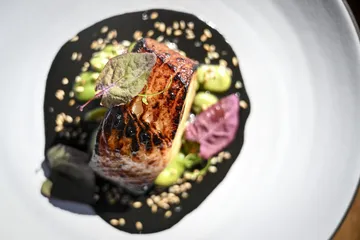
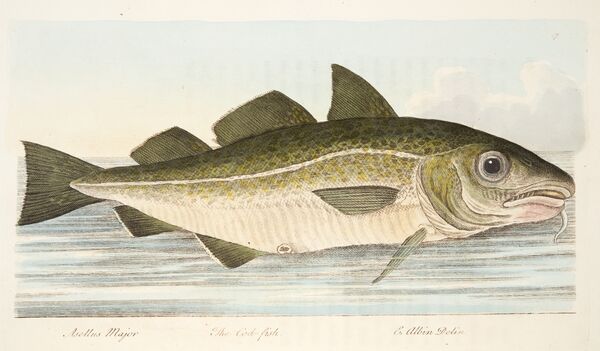
西班牙人喜欢 — — 一道他们与世界分享了几个世纪的盐渍鳕鱼菜肴。因此,当我在圣塞巴斯蒂安的一次美食会议上听到一位西班牙人因吃太多这种鱼而道歉时,我感到很惊讶。这是在一场关于鳕鱼自然与商业历史的演讲中的一段插话,但它反映了30多年前一场灾难性事件的愧疚:加拿大于1992年对其拉布拉多和纽芬兰领海外的大西洋鳕鱼捕捞实施禁渔。
Spain loves — a salted cod dish that it’s shared with the world during a centuries-long enthusiasm. So I was startled to hear an apology for eating too much of the fish from a Spaniard at a culinary conference in San Sebastian. It was an aside at a talk about the natural and commercial history of , but it reflected guilt from a catastrophic event more than 30 years ago: Canada’s 1992 moratorium on taking Atlantic cod from its territorial waters off Labrador and Newfoundland.
这一举措毁灭性地打击了当地渔业社区,导致一项研究称之为“加拿大历史上规模最大的一次大规模裁员”,有3万人失去生计。鳕鱼种群因全球对这种低脂鱼的需求而降至令人担忧的低水平 — — 不仅来自西班牙,还来自世界各地的加工食品制造商。直到今年6月,加拿大渔业和海洋部才认为鳕鱼数量恢复到足够健康,可以将年度捕捞配额提高到5.9万吨。然而,与1968年的捕捞量相比,这微不足道 — — 当年捕捞量达到81.8万吨。
The move devastated local fishing communities, resulting in what one study called “the single largest mass layoff in Canadian history,” with 30,000 people losing their livelihoods. The cod population had reached alarmingly low levels because of global demand for the low-fat fish — not just from Spain, but from processed food makers everywhere. Only this June did Canada’s ministry of Fisheries and Oceans deem the numbers to be healthy enough to raise the fishing quota to 59,000 tons a year. That is minuscule, however, compared with the size of the catch back in 1968: 818,000 tons.
各国曾因鱼而开战。1585年,英格兰攻击了由西班牙和葡萄牙(另一个对这道菜着迷的国家)渔民操舵的纽芬兰渔船。直到20世纪50年代,英国海军和冰岛海岸警卫队仍因各自的远洋船队试图开发岛国之间当时富含鳕鱼的水域而发生对峙。鳕鱼 — — 以及由此延伸的雷克雅未克对其水域的控制 — — 促成了冰岛选民在8月份投票反对重启与欧盟暂停的成员国谈判。但海洋中仍有更多鱼类可能引发冲突、紧张和经济流离失所。
Countries have gone to war over fish. In 1585, England attacked boats in Newfoundland helmed by fishermen from Spain and Portugal (another country obsessed with the dish). As recently as the 1950s, the British navy and the Icelandic coast guard faced off as their respective seaborne fleets tried to exploit the then cod-rich waters between the island nations. Cod — and by extension Reykjavík’s control over its waters — contributed to Iceland’s voters opting in August against reopening suspended membership talks with the European Union. But there are more fish in the sea likely to stir up conflict, tension and economic displacement.
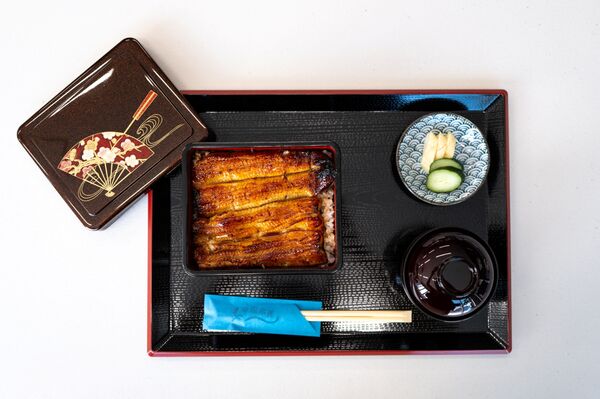
考虑鳗鱼 — — 具体来说,就是作为和而被盛在米饭上的鳗鱼,这种做法如今在世界各地的日本餐厅已经相当普遍。它如此受欢迎,以至于日本的鳗鱼产业根本无法满足国内市场需求。因此,日本人(以及估计有181,000家位于国外的日本餐厅的顾客)所消费的鳗鱼极有可能起源于美国缅因州沼泽进水口采集的幼鳗或玻璃鳗,随后被卖给中国的养殖场,这些养殖场再将成熟的鱼出口到日本及其他地区。
Consider the eel — specifically , which is served over rice as and , preparations that are now fairly commonplace in Japanese restaurants all over the world. It’s so popular that Japan’s eel industry hasn’t been able to satisfy its domestic market. And so there’s a very high probability that the eel consumed by the Japanese (and customers in the estimated 181,000 Japanese restaurants outside the country) might have started out as baby or glass eel collected in the marshy inlets of the US state of Maine and sold to Chinese farms, which then export the mature fish to Japan and elsewhere .
据《日经亚洲》报道,“主要来自中国的进口占日本国内鳗鱼供应量的73%。”早在2023年,缅因州的鳗鱼渔民仍能以每磅2000美元的价格出售玻璃鳗。
According to Nikkei Asia, “imports, mainly from China, account for 73% of eels distributed inside Japan.”As recently as 2023, Maine eel anglers were getting $2,000 for a pound of glass eel.
中国也从自身水域获取鳗鱼资源,但根据《日经亚洲》的报道,也存在黑市渠道。欧盟禁止出口欧洲鳗鱼,并“断言大量欧洲玻璃鳗……正被走私到亚洲,且有一项估计表明,中国对日本的出口中有45%至75%来源于非法、未报告或无监管的渠道。”北海鳗鱼的存量已骤降至仅相当于1960-1979年平均水平的0.7%。鉴于东京与北京之间的敌意,贸易监管的可能性微乎其微。
China sources from its own waters too, but there are also black-market routes, according to Nikkei. The EU prohibits exports of European eels and “asserts that large volumes of European glass eels... are smuggled to Asia, and one estimate suggests that 45% to 75% of Chinese exports to Japan are from illegal, unreported or unregulated routes.”Stocks of North Sea eel have fallen precipitously to just 0.7% of their average levels from 1960-1979. There’s unlikely to be trade regulation given the animosity between Tokyo and Beijing.
而且,谁知道呢,不久或许就会出现倾销。中国的鳗鱼养殖场 — — 就像该国的电动汽车制造商一样 — — 正因产能过剩而陷入困境,导致鳗鱼价格暴跌。(在缅因州,价格已跌至每磅286美元。)所有这些蜿蜒生物都必须被售出 — — 并且被食用 — — 在某处。不要惊讶于在餐厅菜单上看到更多鳗鱼。
And, who knows, there may soon be dumping. China’s eel farms — like the country’s electric-vehicle makers — are suffering from overproduction, leading to a collapse in eel prices. (In Maine, they’ve dropped to $286 a pound.) All those serpentine creatures have to be sold — and eaten — somewhere. Don’t be surprised to find more eel on restaurant menus.
您的餐盘反映了宏观经济甚至政治指标,就像烹饪创新一样。由于加拿大实施了禁渔令,导致物种替代,鳕鱼、狗鱼、鳕鳗和银鳕变得更为普遍。这也解释了龙虾数量激增的原因:加拿大渔民转向捕捞甲壳类动物(包括虾和雪蟹)。鳕鱼以龙虾为食,而鳕鱼数量的下降导致加拿大水域中龙虾等有爪生物数量增加。缅因湾的情况也是如此,只是多了一个额外的因素:该海域的升温速度快于全球海洋的99%,而鳕鱼不喜欢高温 — — 因此,在新斯科舍和富有感染力命名的科德角之间的广阔海域中,龙虾数量增加。
Your plate reflects macroeconomic and even political indicators as much as culinary innovations. Haddock, pollock, hake and whiting are more ubiquitous because the Canadian moratorium led to species substitutions. That also explains the proliferation of lobster: Canadian fishermen switched to crustaceans (including shrimp and snow crab). Cod eat lobster, and the fish’s declining numbers led to increases in the clawed denizens in Canadian waters. The same is true in the Gulf of Maine, with an additional twist: That body of water is warming faster than 99% of the global ocean, and cod don’t like the heat — hence the increase in lobsters in the huge marine stretch between Nova Scotia and the evocatively named Cape Cod.
鳕鱼还卷入了一场持续的冲突。1992年禁渔令实施后,鳕鱼捕捞者将重点转向北极的巴伦支海,该地区由挪威和俄罗斯主导。随着加拿大鳕鱼资源恢复,巴伦支海的鳕鱼数量正在减少 — — 这一短缺将影响已经因莫斯科于2022年入侵乌克兰以来受到西方制裁而承受压力的俄罗斯渔业。莫斯科越来越依赖向中国出售各种鱼类。
Cod also have a fin in another ongoing conflict. Following the 1992 moratorium, cod harvesters concentrated on the Barents Sea in the Arctic, an area dominated by Norway and Russia. As Canadian stocks recover, Barents cod is dwindling — a shortage that will affect Russian fisheries already squeezed by Western sanctions since Moscow’s 2022 invasion of Ukraine. Moscow is increasingly dependent on selling fish of all species to China.
我们也可以从鳕鱼的视角审视西方人类历史 — — 而这段历史是史诗般的。在圣塞巴斯蒂安引发西班牙道歉的演讲是由马克·库兰斯基发表的,他是《盐:世界史》的作者,该书分别于1997年和1999年出版。在他的叙述中,巴斯克人是如此残酷高效的捕鲸者,以至于他们耗尽了邻近比斯开湾的北露鲸种群。为了填满渔网,他们不得不进行更长远的航行,深入海洋 — — 就像他们的维京对手一样,依赖风干鳕鱼作为补给。
We can also take a cod’s-eye view of western human history — and it is epic. The talk in San Sebastian that elicited the Spanish apology was delivered by Mark Kurlansky, author of the magisterial published in 1997, as well as in 1999. In his narrative, the Basques were such ruthlessly efficient whalers that they depleted the population of right whales in the adjoining Bay of Biscay. To fill their nets, they had to make longer voyages deeper into the ocean — depending on cured cod for provisions just like their Viking rivals, who air-dried the fish for food.
不同的是,巴斯克人选择用盐腌鳕鱼,这是一种更美味的做法。随着鲸鱼数量持续减少,鳕鱼逐渐成为他们的目标,他们以巨额利润将鳕鱼卖给欧洲其他地区。
Except the Basques salted their cod, a much tastier recipe. As whale numbers continued to diminish, cod increasingly became their target, which they sold to the rest of Europe at great profit.
与此同时,他们积累的造船和航海知识帮助他们进一步深入鳕鱼遍布的北大西洋 — — 并为跨大西洋探险奠定了基础。巴斯克人随克里斯托弗·哥伦布一起横渡大西洋 — — 并且一旦西半球的争夺开始,他们就已准备好进入拉布拉多和纽芬兰。他们追逐鳕鱼的行动是否早在哥伦布之前就把他们带到了美洲?库兰斯基引用的记载称,当受英格兰委托的意大利探险家约翰·卡博特于1497年抵达纽芬兰时,土著居民用某个词来指代鳕鱼 — — 这将是一个具有历史规模的渔夫故事。
Meanwhile, the ship-building and navigational knowhow they accumulated helped them press farther into the cod-filled North Atlantic — and undergirded trans-Atlantic explorations. Basques accompanied Christopher Columbus on his trips across the ocean — and they were ready to move into Labrador and Newfoundland once the contest for the Western Hemisphere began. Might their quests for cod have led them to the Americas even before Columbus? Kurlansky cites accounts saying that when Italian explorer John Cabot — under contract for England — reached Newfoundland in 1497, indigenous people referred to cod with the word That would be a fish story of historic proportions.