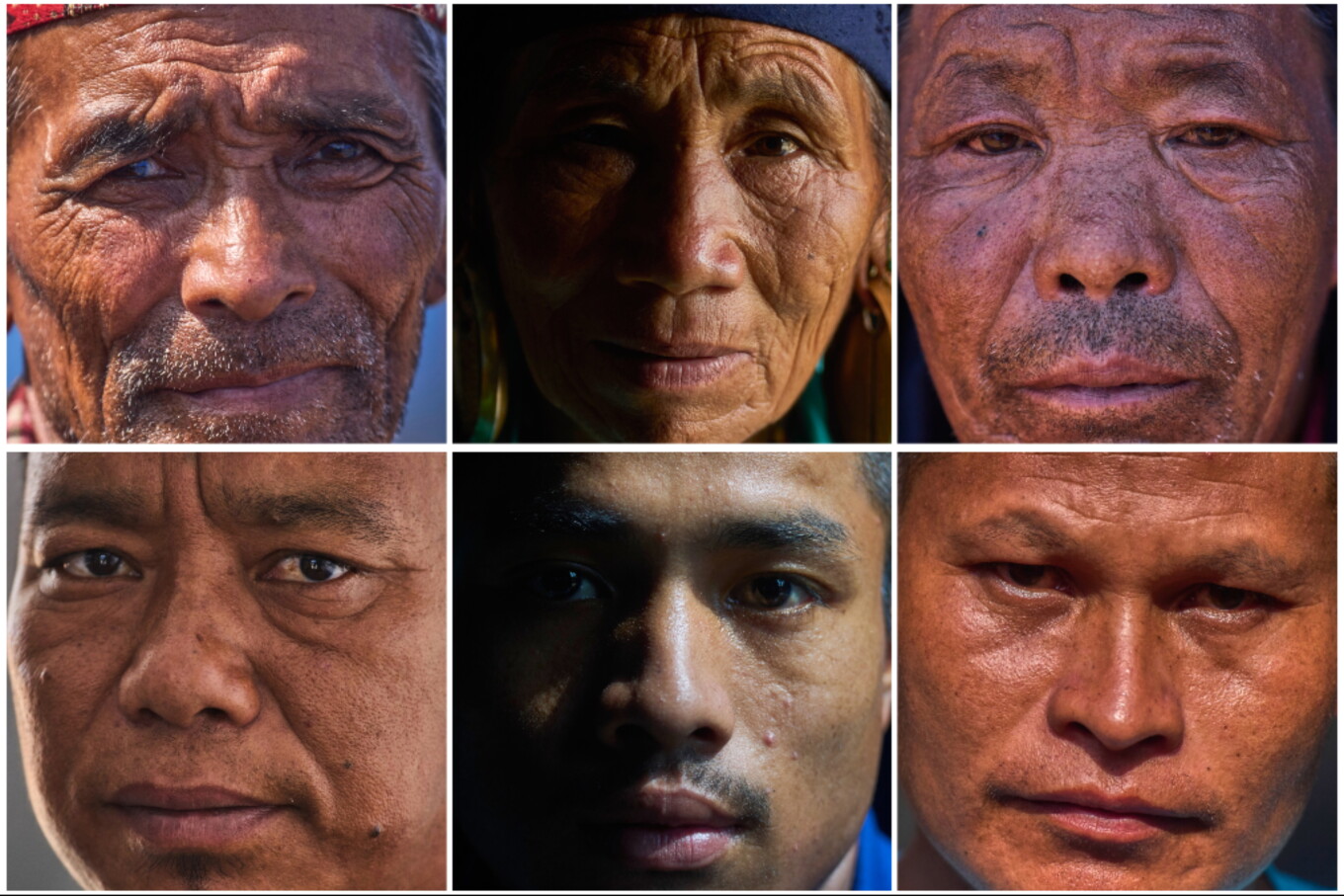
尼尔詹·什雷斯塔、谢赫·萨利克·卡尔特,尼泊尔——当洪水来临时,切库·拉马冲上山坡,大声呼喊让人们撤离。他说,一群人跟随他,但没有人幸存。
NIRANJAN SHRESTHA, SHEIKH SAALIQ KHALTE, Nepal — When the flood came, Chheku Lama ran uphill, shouting for people to flee. A group followed him, but none survived, he said.
拉马所在的卡尔特村位于尼泊尔拉苏瓦区,曾在2015年地震毁坏附近村庄后被设为临时安置点。但该村对洪水几乎没有防护,房屋沿特里舒利河聚集在狭窄山谷中。
Lama’s Khalte village in Nepal’s Rasuwa district had been set up as a temporary settlement after a 2015 earthquake destroyed nearby villages. But it offered little protection from floods, with homes clustered along the Trishuli River in a narrow valley.
当8月26日洪水汹涌而至时,居民几乎没有逃生通道。居民称,至少有375人失踪。整个村庄被夷为平地。
When the floodwaters surged through on Aug. 26, residents had few routes to escape. At least 375 people were reported missing, according to residents. The village was wiped out.
尼泊尔仍在从致命洪灾中恢复——该灾害在与中国接壤的山地地区夺走了1400多人生命,导致数千人失踪。上周中部北部尼泊尔又发生一次山洪,至少有五人失踪。
Nepal is still recovering from the devastating floods that killed more than 1,400 people and left thousands missing in its mountainous border region with China. Another flash flood in north-central Nepal last week left at least five people missing.
过去十年里,尼泊尔因地震、山体滑坡和洪水导致数万人流离失所,却又在易危地区的临时安置点面临新的风险。卡尔特的毁灭凸显了这些危险。幸存者表示,政府必须超越紧急救援和临时庇护,提供安全、永久的场所,让流离失所者能够重建生活。
Over the past decade, tens of thousands of people in Nepal have been displaced by earthquakes, landslides and floods, only to face new risks in temporary settlements built in vulnerable areas. Khalte’s destruction highlights those dangers. Survivors say the government must go beyond emergency relief and temporary shelter to provide safe, permanent places where displaced people can rebuild their lives.
2015年地震在全国造成近9000人死亡,摧毁了许多世代居住的村庄。根据政府搬迁计划,约257户弱势家庭被迁入卡尔特,后来的地质评估将该地区划为“红色区”,因其存在山体滑坡和雪崩风险。
The 2015 earthquake, which killed nearly 9,000 people nationwide, destroyed villages where many families had lived for generations. Under a government relocation plan, about 257 vulnerable households were moved to Khalte, which geological assessments later classified as a “red zone” because of landslide and avalanche risks.
现居政府救助中心的卡尔特居民巴姆·巴哈杜尔·塔曼表示,他和许多人曾反对被安置在此,但最终被迫搬迁。他说,任何新的搬迁必须兼顾安全和基本服务的可及性。
Bam Bahadur Tamang, a Khalte resident now living in a government relief center, said he and many others had opposed the decision to resettle them there but they were eventually forced to move. He said any new relocation must account for both safety and access to basic services.
“无论政府现在把我们安置到哪里,首先必须确保该地点安全,”他说。“我们不是可以随意从一个地方搬到另一个地方的牲畜。”塔芒的担忧指出了一个超越寻找安全土地的挑战。如果临时安置点要成为可行的家园,流离失所的家庭还需要获得学校、医疗、道路和生计的途径。
“Wherever the government resettles us now, it must first ensure that the place is safe,” he said. “We are not cattle to be moved from one place to another.”Tamang’s worries point to a challenge that extends beyond finding safe ground. Displaced families also need access to schools, healthcare, roads and livelihoods if a temporary settlement is to become a viable home.
尼泊尔政府表示,它计划为洪水受灾者建设一个新城,其中将包括工业、医院和学校,并且受灾居民不会被送回被洪水摧毁的定居点。它还在考虑让私人开发商参与重建,包括一种模式,即他们与土地所有者合作建造住宅。
Nepal’s government says it plans to build a new city for flood victims, with industries, hospitals and schools, and that displaced residents would not be sent back to settlements destroyed by the flood. It is also considering involving private developers in reconstruction, including a model in which they build homes in cooperation with landowners.
尼泊尔国家灾害风险降低和管理局首席执行官达拉姆·拉杰·乌普雷蒂表示,政府正在为安置点在安全区域寻找土地。专家将评估土地利用情况,易受洪水影响的地区可能会被宣布为不宜居住。政府还可能将易受威胁的河岸转变为林地,并在更安全的地面上建造住宅。
Dharam Raj Uprety, chief executive of Nepal’s National Disaster Risk Reduction and Management Authority, said the government was identifying land for settlements in safe areas. Experts would assess land use, and flood-prone areas could be declared uninhabitable, he said. The government could also convert vulnerable riverbanks into forest land and build homes on safer ground.
然而,乌普雷蒂强调,负责基础设施和城市规划的机构需要更紧密地协调。
Uprety stressed, however, that agencies responsible for infrastructure and urban planning need to coordinate more closely.
“灾害管理局无法自行完成所有这些工作。它的职责主要是协调并营造一个环境,使其他机构在其规划中纳入灾害风险因素,”他说。
“The disaster authority cannot do all of that work itself. Its role is largely to coordinate and create an environment in which other agencies incorporate disaster risk into their planning,” he said.
尼泊尔此前已采取措施降低洪水风险,包括河流监测、预警系统和社区准备。但其偏远的山谷仍面临因山体滑坡和冰川湖泛滥引发的突发洪水风险。
Nepal has previously taken steps to reduce flood risks, including river monitoring, early-warning systems and community preparedness. But its remote mountain valleys remain at risk of sudden floods caused by landslides and glacial lake outbursts.
科学家警告称,气温上升和山地景观日益不稳定,使得尼泊尔更加需要加强监测和完善预警系统。
Scientists warn that rising temperatures and increasingly unstable mountain landscapes make better monitoring and stronger early-warning systems ever more important for Nepal.
对于卡尔特的幸存者而言,重建的地点问题仍未得到解决。许多人不愿返回他们失去亲人的地方,称新的搬迁计划可能无法让他们感到安心。
For Khalte’s survivors the question of where to rebuild remains unresolved. Many are reluctant to return to places where they lost family members, saying a new relocation plan may do little to reassure them.
诺尔奇·加莱既幸存于2015年的地震,也幸存于8月的洪水,但遭受了毁灭性的损失,在地震中失去了父亲,在洪水中失去了母亲和妻子。
Norchi Ghale survived both the 2015 earthquake and the August floods, but suffered devastating losses, losing his father in the earthquake and his mother and wife in the floods.
洪水之前,他在卡尔特拥有一小块农田,在那里饲养牛只,为家庭提供主要收入来源。当他最近返回时,他已无法辨认曾经有什么东西的位置。
Before the flood, he owned a small plot of farmland in Khalte, where he raised cattle that provided his family’s main source of income. When he recently returned, he could no longer recognize where anything had once stood.
“我甚至找不到东西曾经所在的地方,就像我的未来一样。我不知道我会去哪里,也不知道我该如何抚养孩子,”他说。萨利克从新德里报道。
“I could not even trace where things used to be, just like my future now. I don’t know where I will go or how I will raise my children,” he said. Saaliq reported from New Delhi.