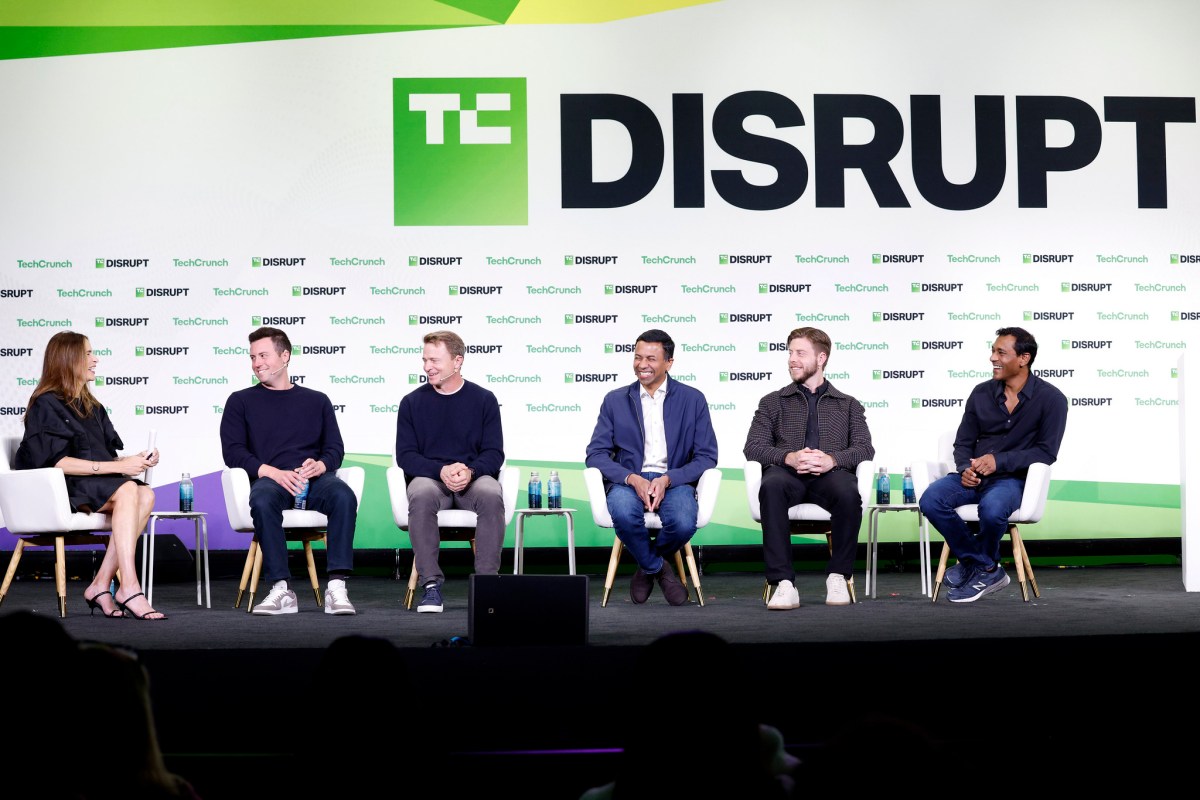
几十年来,风险投资行业有一条不成文的规则:一家投资机构不应同时投资两家存在直接竞争关系的公司。不过本周早些时候,Benchmark的投资合伙人们在TechCrunch Disrupt大会上坦言,人工智能领域的蓬勃发展正让这条规则面临挑战。
For decades, the unwritten rule of venture capital was that a firm doesn’t back two companies that compete head-on. But speaking at TechCrunch Disrupt earlier this week, the partners of Benchmark readily acknowledged that the AI boom is straining that rule.
事实上,这条规则早已岌岌可危。如今,业界两大顶尖AI实验室OpenAI与Anthropic拥有数十位相同的投资方。同年9月底,致力于开发软件编写AI代理的初创公司Factory宣布,因克里斯·德格南存在“涉及竞争对手Cognition的不道德行为”,公司决定解除其董事会观察员及顾问职务。Cognition正是Factory的直接竞争对手,也是Devin编程代理的开发者。
It’s been on the verge of snapping for some time. The towering AI labs OpenAI and Anthropic share dozens of the same investors at this point. Then, at the end of September, Factory, a startup that builds an AI agent to write software, said it was firing board observer and adviser Chris Degnan for “unethical conduct involving Cognition,” its direct rival and the maker of the Devin coding agent.
Factory的首席执行官称,德格南在参与公司董事会讨论期间,还曾谈及自己有意前往Cognition任职。德格南则声称自己早已辞职,并否认泄露过任何机密信息。不久之后,他便宣布将出任Cognition的首席营收官。知名投资人维诺德·科斯拉在社交平台X上力挺德格南,批评Factory的首席执行官,还称这家公司为“处境艰难的二流竞争者”。而科斯拉创立的Khosla Ventures同时投资了这两家公司。
Factory’s CEO alleged Degnan had discussed a job at Cognition while privy to Factory’s board-level discussions. Degnan said he had already resigned and denied sharing anything confidential. Soon after, he announced he was joining Cognition as chief revenue officer. Powerhouse investor Vinod Khosla sided with Degnan on X, blasting Factory’s CEO and calling the company “a struggling second tier competitor.”Khosla Ventures backs both companies.
即便是以与初创企业创始人建立长达10至15年的长期合作关系而著称的Benchmark,也坦言这条旧规则如今已不再适用。在Disrupt大会上,当被问及随着旗下投资组合企业不断涉足彼此的业务领域,那条“不投资竞争对手”的约定是否仍有效时,该公司的投资合伙人们表示,此类冲突实属无奈之举,并非出于主观意愿。
Even Benchmark, a firm whose reputation rests on 10-to-15-year partnerships with founders at the earliest stage, said the old rule can no longer be counted on. Asked at Disrupt whether the pact against backing rivals still holds as portfolio companies expand into each other’s territory, its partners described the conflicts as a matter of necessity, not preference.
“这个世界的残酷现实是每家公司都在快速演变,”埃里克·维什里亚(Eric Vishria)说。维什里亚表示,公司会转型和变动,“你会遇到冲突,这就是当前动态的现实。”
“The harsh reality of this world is every company is evolving very quickly,” said Eric Vishria. Companies pivot and change, he said, and “you are going to get conflicts, and that’s just the reality of the current dynamic.”
维什里亚说,Benchmark 仍然致力于每位创始人,并对所学信息保密,他淡化了风险投资公司能够传递多少信息的可能性:“我们不是产品或技术专家。”他似乎在指代 Factory‑Cognition 争议时表示,Benchmark 很幸运没有陷入“那种疯狂的直接冲突”。他指出,独占性在 Benchmark 青睐的极早期阶段仍然“非常重要”。“但事物在演变,这一点毫无疑问。”
Vishria said Benchmark stays committed to each founder and keeps what it learns confidential, and he downplayed how much a VC could pass along anyway: “We are not product or technology experts.”Seemingly referring to the Factory-Cognition dispute, he said Benchmark has been fortunate not to land in “that type of insane direct conflict.”Exclusivity, he said, remains “really important” at the very early stage Benchmark favors. “But things are evolving. There’s no doubt about that.”
切坦·普塔贡塔(Chetan Puttagunta)说,人工智能正在加速这一问题。随着构建软件的成本“实际上降至零”,他指出,创始人变得“极其雄心勃勃”。因为他们现在看到了一片“表面区域”,并想要全部占有,他继续说,“这可能会更频繁地发生,你会开始相互碰撞。”他在一开始将直接竞争者称为“一个简单的答案”,而将随时间扩展到他人领域的投资组合公司区分开来。“这种情况会发生,”他说。
Chetan Puttagunta said AI is accelerating the problem. As the cost of building software “effectively goes to zero,” he said, founders are “incredibly ambitious.”Because they now see a “surface area” and want to claim all of it, he continued, “[i]t’s probably going to happen more, where you start to run into each other.”He drew a line between a direct competitor at the outset, which he called “an easy answer,” and a portfolio company that expands into another’s turf over time. “That happens,” he said.
彼得·芬顿(Peter Fenton)称此问题为“氪石”,也是该公司的最大难题。他描述了投资者与其公司关系的光谱。一端是联合创始人,绝不会在竞争公司工作;另一端是公开市场的选股者,因为仅是资本配置而非塑造公司,可以持有多家竞争对手的股份。芬顿说,Benchmark 更接近联合创始人这一端,并将透明度视为金科玉律。“事后不应出现惊讶。”如果出现冲突,创始人绝不应感到被亏待,他补充道。
Peter Fenton called the issue “kryptonite” and the firm’s toughest problem. He described a spectrum of how investors relate to their companies. At one end is the co-founder, who would never work on a competing company. At the other is the public-market stock picker, who can own several rivals because he is merely allocating capital, not shaping any of them. Benchmark sits nearer the co-founder end, Fenton said, and treats transparency as a golden rule. “There shouldn’t be the surprise after the fact.”If a conflict does emerge, a founder should never feel shortchanged, he added.
Benchmark 并未宣称该协议已终止。与此同时,当一家以忠诚著称的公司预告冲突将至时,创始人可能会合理地想知道还有谁会如此坦率。
Benchmark isn’t declaring the pact dead. At the same time, when a firm that built its name on loyalty says conflicts are coming, founders might rightly wonder who else will be this candid.