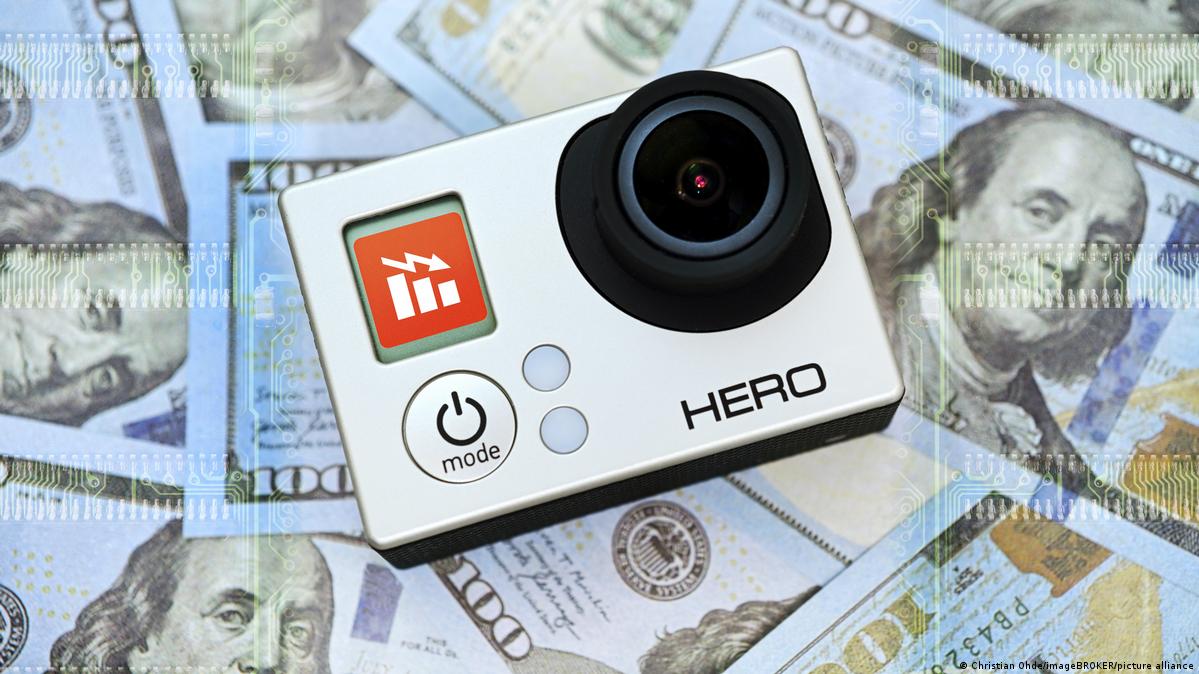
还记得GoPro曾是运动相机代名词的日子吗?在其2015年的鼎盛时期,这家美国公司独占鳌头,当年售出约660万台相机,市场份额超过70%。如今,这家行业先驱正在为生存而战。罪魁祸首是什么?来自中国的竞争。
Do you remember the days when GoPro was synonymous with action cameras? At its peak in 2015, the US company reigned supreme with around 6.6 million units sold that year and a market share of over 70%. Today, the pioneer is fighting for survival. The main culprit? Chinese competition.
GoPro最大的竞争对手大疆(DJI)和影石(Insta360)分别于2019年和2021年进入运动相机市场。如今,它们占全球智能手持相机销售额的90%以上。
GoPro's biggest rivals, DJI and Insta360, entered the action camera market in 2019 and 2021, respectively. Today, they account for more than 90% of global smart handheld camera sales.
经常使用运动相机拍摄自己骑摩托车的亚历山大·汉内曼(Alexander Hannemann)表示,他大约在两年前从GoPro转用影石。
Alexander Hannemann, who regularly uses action cameras to film his motorcycle rides, says he switched from GoPro to Insta360 around two years ago.
他告诉德国之声:“它的画质比GoPro好得多,哪怕我以每小时约80公里的速度加速过弯时也是如此。”
"The quality is much better than a GoPro, even when I'm speeding up and going into corners at like 80 kilometers per hour," he told DW.
GoPro的遭遇并非特例。大约自2010年以来,在从智能电视到扫地机器人的消费科技行业中,许多中国品牌不仅赶上了曾经占据主导地位的西方竞争对手,而且实现了超越。
GoPro's case is not an exception. Since around 2010, many Chinese brands have not only caught up but surpassed once-dominant Western rivals across the consumer technology industry, from smart TVs to robot vacuums.
“中国制造”代表着廉价、大批量生产的产品的日子已经一去不复返了。
Gone are the days when "Made in China" stood for cheap, mass-produced products.
在中国拥有20多年经验的加拿大企业家兼作家克里斯·佩雷拉(Chris Pereira)表示:“中国今天仍在生产价格实惠的产品。但这些产品同时也具备高品质。”佩雷拉补充说,这种结合使得全球一半以上的新消费科技产品都来自中国供应商。
"China is still making affordable products today," says Chris Pereira, a Canadian entrepreneur and author with over 20 years of experience in China. "But the products are also high quality." This combination has led to well over half of new consumer tech products globally coming from Chinese suppliers, Pereira adds.
比亚迪、小鹏等中国汽车制造商去年售出了近三分之二的电动汽车,超过了特斯拉等老牌车手。在扫地机器人领域,中国品牌主导了全球市场,导致曾经的先驱美国公司iRobot难以参与竞争。那么,为什么中国企业越来越多地跑赢西方竞争对手呢?
BYD, Xpeng and other Chinese car manufactures sold almost two-thirds of all electric cars last year, surpassing incumbents like Tesla. In robot vacuums, Chinese brands dominate the global market, leaving former pioneer US company iRobot struggling to compete. So why do Chinese companies increasingly outperform their Western rivals?
佩雷拉的咨询公司iMpact帮助中国企业在海外扩大影响力,她将中国的成功归因于深圳、杭州和上海等城市激进的国内竞争、高度整合的供应链以及允许企业创新并对问题作出快速反应的务实商业文化。
Pereira, whose consultancy iMpact helps Chinese companies gain traction overseas, attributes China's success to fierce domestic competition in cities like Shenzhen, Hangzhou and Shanghai; highly integrated supply chains and a can-do business culture that allows companies to innovate; and respond to problems quickly.
中国具有竞争优势的其他关键原因包括无与伦比的工业自动化、人工智能在制造业中的战略性应用、监管机构的响应能力以及相对廉价的劳动力,这些因素共同导致生产成本大大降低,创新周期比世界上最发达的经济体快得多。
Other key reasons for China's competitive edge include unparalleled industrial automation, the strategic use of AI in manufacturing, responsiveness from regulators as well as relatively cheap labor, which together leads to significantly lower production costs and much faster innovation cycles than in the world's most advanced economies.
乔伊·郑(Joey Cheng)20多年前移居美国攻读博士学位,他对美国消费者和中国制造商两端的情况都很熟悉。
Joey Cheng, who moved to the US for his PhD studies over 20 years ago, is familiar with both the American consumer and the Chinese producer sides.
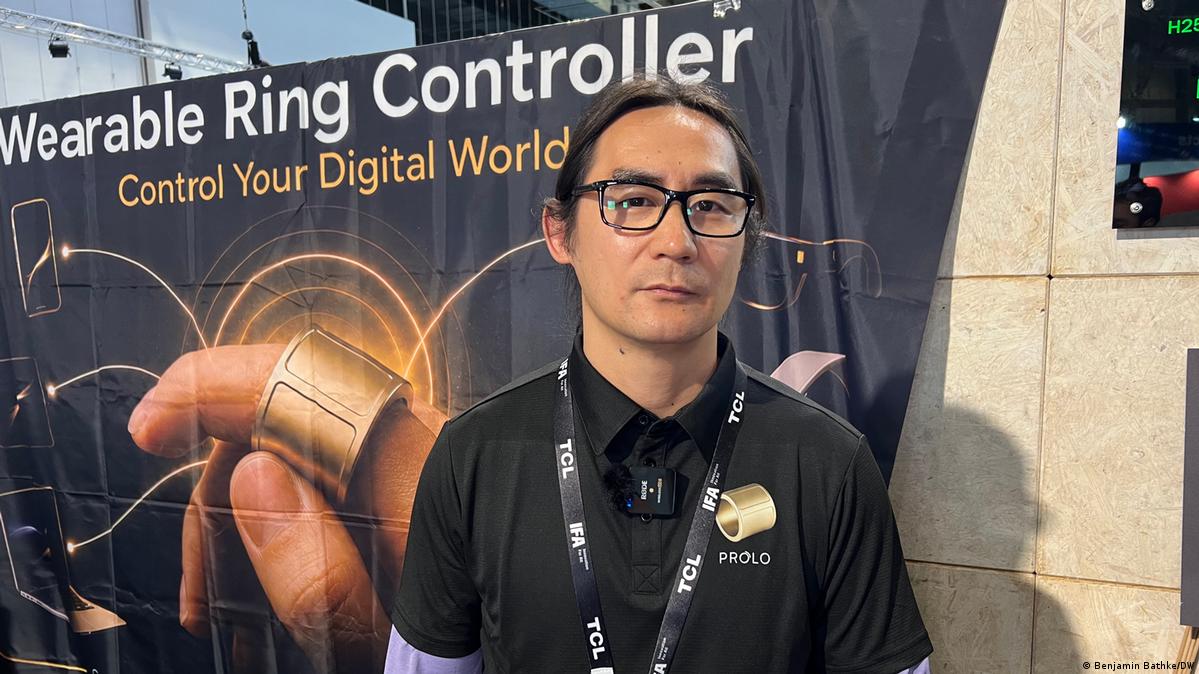
虽然他的初创公司总部设在美国,但几乎所有的制造工作都在深圳完成,世界上很大一部分硬件和消费电子产品都在那里制造。
While his startup is based in the US, almost all the manufacturing is done in Shenzhen, where a large share of the world's hardware and consumer electronics are made.
“深圳的供应链对于削减成本和快速产品开发来说基本上是不可或缺的,”郑说。“特别是作为一家初创公司,你必须迅速推出产品,否则就会被彻底击垮。”尽管消费者纷至沓来地选择中国公司,但一些疑虑依然存在。
"The supply chain in Shenzhen is basically inevitable for cost cutting and quick product development," Cheng says. "Especially as a startup you must get the product out quickly, or you'll get blown out of the water." Although consumers are flocking to Chinese companies, some reservations persist.
最近的一项民意调查发现,超过90%的欧洲人不信任中国科技公司会妥善处理他们的中国数据(注:原文无中国,应为:不信任中国科技公司会妥善处理他们的技术数据/数据),而大约80%的人不信任美国公司。德国人表达的不信任程度最高。
A recent poll found that more than 90% of Europeans do not trust Chinese technology companies with their data, while about 80% distrust US firms. Germans expressed the highest level of mistrust.
娜丁是一名使用大疆(DJI)和影石(Insta360)产品的德国旅游博主,她说她不会在家里使用任何亚洲产品。
Nadine, a German travel blogger who uses DJI and Insta360 products, says she wouldn't use any Asian products at home.
“我的家用扫地机器人来自一家德国公司,正是出于这个原因:这样数据才能符合德国的法规。毕竟,制造商可以直接连接到摄像头,”她说,她指的是涉及扫地机器人的摄像头和音频黑客攻击事件。
"My home robot vacuum is from a German company for precisely this reason: So the data remains compliant with German regulations. After all, manufacturers can connect directly to the camera," she said, referring to camera and audio hacking incidents involving robot vacuums.
尽管如此,佩雷拉(Pereira)表示,向海外扩张的中国企业必须支付“信任溢价”。他说:“这种信任赤字意味着,它们需要在产品和价格方面具备极强的竞争力,市场才会选择它们。”他补充说,这种差距可以通过在海外市场建立业务来缩小,例如比亚迪预计于今年晚些时候在匈牙利开业的第一家欧洲乘用车工厂。
Still, Pereira says that Chinese companies expanding abroad have to pay a "trust premium." "This trust deficit means that they need to be extra competitive in terms of product and price in order for the market to choose them," he says, adding that the gap can be narrowed by a presence in overseas markets like BYD's first European passenger-car plant, expected to open in Hungary later this year.
中国企业表示,它们遵守欧盟的数据保护规则。然而,美国和中国的国内安全法可能会要求企业向当局移交数据,德国官员则指出,对于数据是否从欧洲服务器传输到海外,监管十分有限。
Chinese companies say they comply with EU data protection rules. However, domestic security laws in the US and China can require firms to hand over data to authorities, and German officials note limited oversight of whether data is transferred from European servers abroad.
除了隐私担忧之外,中国消费科技企业还因间谍活动和其他风险而受到严格审查,最近的一次涉及电动汽车等网联设备。
In addition to privacy concerns, Chinese consumer tech firms have come under scrutiny over espionage and other risks, most recently regarding connected devices like EVs.
鉴于安全担忧、贸易逆差以及中国的整体主导地位,美国和数个其他西方国家对中国进口商品和企业实施了关税、黑名单和严格的规定。在7月下旬,特朗普政府禁止进口在美国境外制造的人形机器人。
In light of security concerns, trade deficits and China's overall dominance, the US and several other Western countries have hit Chinese imports and companies with tariffs, blacklists and strict requirements. In late July, the Trump administration banned the import of humanoid robots manufactured outside the US.
中国机器人制造商普鲁博(Primebot)的一名代表对德国之声(DW)表示,所有中国消费科技企业都在感受到这种影响。
A representative of Chinese robot maker Primebot told DW that all Chinese consumer tech companies are feeling the effects.
他说:“我们可能会寻求与美国当地公司合作。另一个潜在的解决方案是在当地建厂。”欧洲国家和欧盟也在权衡对中国企业征收更多关税。
"We might seek cooperation with a local US company. Another potential solution is building a factory there," he said. European countries and the EU are also weighing more tariffs against Chinese companies.
克里斯·佩雷拉(Chris Pereira)预见到,关税将加速中国企业的两大趋势:将更多制造业转移到海外,以及越来越专注于用高端商品向西方顶级品牌发起挑战。
Chris Pereira foresees that the tariffs will accelerate two trends among Chinese companies: Moving more manufacturing overseas and an increasing focus on challenging top-tier Western brands with premium goods.
佩雷拉总结道:“中国官员和企业认识到,制造业需要在一定程度上实现本土化。原因之一是为了缓解出口带来的挑战,另一个原因是在当地建立信任。”
"Chinese officials and companies recognize that manufacturing needs to be localized to a certain degree. One reason is to assuage the challenges of exporting, another is to create trust locally," Pereira sums up.
另一个趋势是,一旦关税抹掉了底部的价格优势,剩下的利润空间就在顶端,因此中国品牌正日益直接与西方成熟品牌展开竞争,而信任在这些品牌之间的竞争中最为重要。随着中国的主导地位不断扩大,西方公司正在努力寻找保持竞争力的方法。
"The other trend is that once duties wipe out the price advantage at the bottom, the margin left is at the top, so Chinese brands are increasingly competing directly with established Western names, where trust matters most." As China's dominance keeps growing, Western companies are scrambling to find ways to stay competitive.
为一家英国公司进出口IT硬件工作的卡兹·梅尔尚特表示,尤其是小型公司,必须开辟出一个地理上的利基市场。
Kaz Merchant, who works for a UK-based company that imports and exports IT hardware, says smaller companies, in particular, must carve out a geographic niche.
“他们需要为某个产品拥有自己独特的卖点,而中国可能在该地区没有这个卖点。或者他们需要与中国公司合作,”他说。
"They need to have their own unique selling point for a certain product, which China might not have for that region. Or they need to partner with a Chinese company," he says.
对佩雷拉而言,欧洲需要解决的一个关键问题是监管机构的响应速度。
To Pereira, a key issue Europe needs to solve is regulators' responsiveness.
“中国监管机构会非常清晰、快速地告诉你可以做什么。这种速度有助于公司进行迭代并在海外取得成功,”佩雷拉说。“如果你要等几周才能得到回复,你就会失去生意。”
"Chinese regulators tell you very clearly and quickly what you can do. That speed helps companies iterate and succeed overseas," Pereira says. "If you're waiting weeks for a response, you're going to lose business."