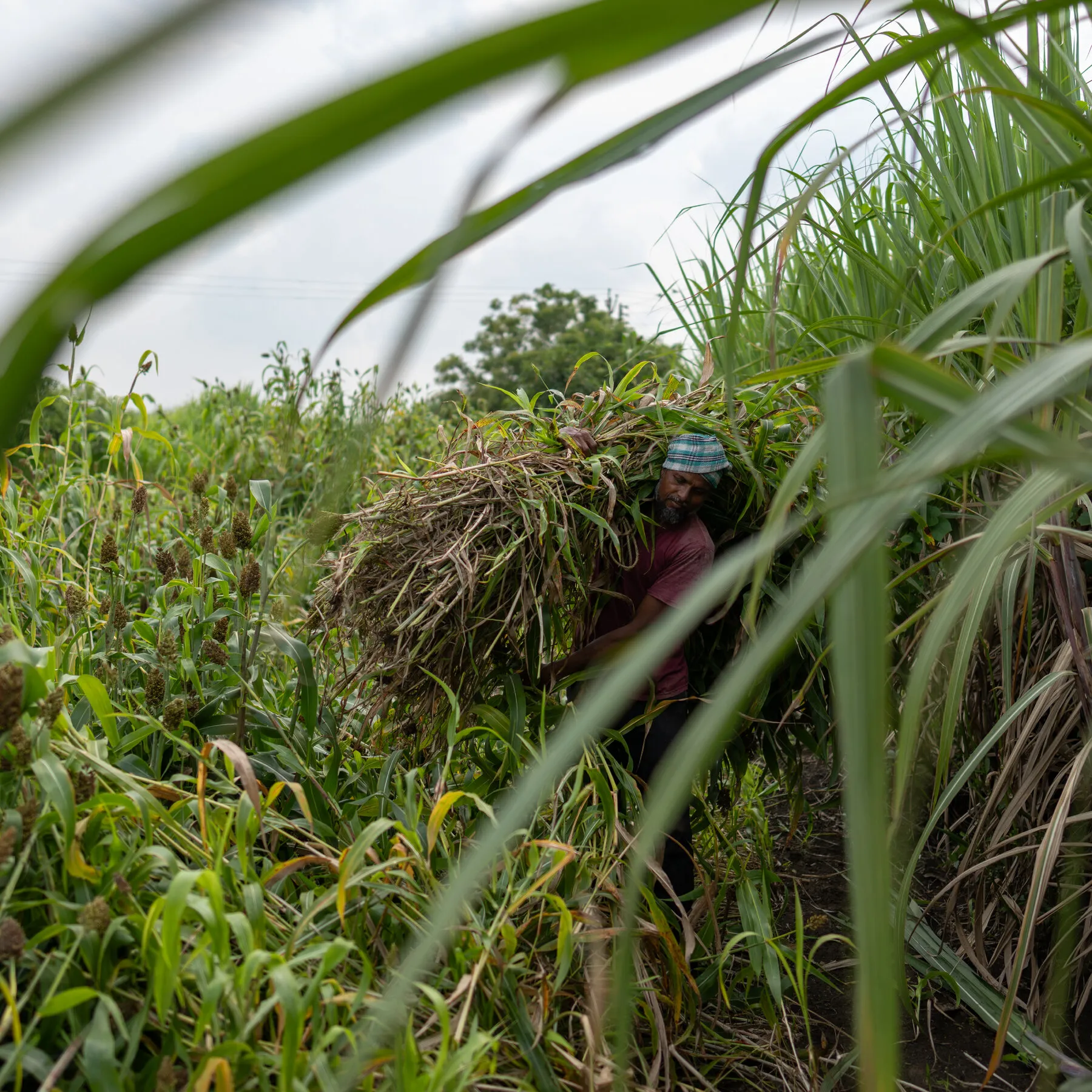
作为全球第二大产糖国,印度甘蔗歉收正在伤害消费者和农民——并破坏该国的能源安全目标。
A poor sugarcane crop in India, the world’s second-largest producer, is hurting consumers and farmers — plus undermining the country’s energy security goals.
冲突。气候变化。正在消瘦的厄尔尼诺现象。所有这一切都在合谋败坏全球对甜食的喜爱。
Conflict. Climate change. A withering El Niño. All are conspiring to spoil the world’s sweet tooth.
由于炎热干燥的夏季炙烤了全球大部分产糖区,推动整体食品价格上涨,全球糖价已飙升。
Global sugar prices have soared, as a hot, dry summer scorched much of the sugar-producing parts of the world, nudging overall food prices upward.
这种感受在印度最为强烈,印度是全球最大的食糖消费国和第二大生产国。11年来最糟糕的季风雨以及对甘蔗丰收无望的担忧,在印度教节日季期间推高了价格,在这个节日里,神灵和凡人都用甜品来庆祝。
Nowhere is that felt as acutely as it is in India, the biggest sugar consumer in the world and the second-biggest producer. The worst monsoon in 11 years and fears of a poor sugarcane harvest have spiked prices amid the Hindu festival season, when gods and mortals alike are feted with sweets.
更糟糕的是,高昂的糖价也使印度的能源安全目标变得复杂。甘蔗是该国推进生物燃料的关键农作物,随着印度在中东水道因战争而受阻之际试图抑制石油进口,这一点就更加明显。
Making matters worse, high sugar prices are also complicating India’s energy security goals. Sugarcane is a key crop for the country’s biofuels push, all the more so as India seeks to curb oil imports while the waterways of the Middle East are choked by war.
今年的厄尔尼诺现象——一种打乱全球天气的经常性自然现象——使该国许多甘蔗田变得干涸,而就在一年前,这些甘蔗田才刚被过量的雨水浸透并遭受了病虫害。
This year’s El Niño — a recurring natural phenomenon that scrambles weather around the world — has left many of the country’s sugarcane fields parched, just a year after they were drenched by excess rains and devoured by pests.
抗议物价上涨的示威活动已经爆发。政府已警告食糖贸易商不得囤积居奇。这个通常出口食糖的国家今年采取了不同寻常的举措,开放进口大门,这进一步推高了全球糖价。
Protests have broken out over rising prices. The government has warned sugar traders against hoarding. And a country that usually exports sugar has taken the extraordinary step of opening the doors to imports this year, further raising global sugar prices.
“这个庄稼完了,”30岁的农民莫拉尔吉·帕蒂尔(Morarji Patil)在印度西部马拉特瓦达(Marathwada)地区一个汗流浃背的9月早晨站在他的甘蔗田旁说道。
“This crop is gone,” Morarji Patil, a 30-year-old farmer, said as he stood beside his cane field one sweaty September morning in the Marathwada region of western India.
和这里的其他农民一样,在酷热和稀少降雨到来之前,帕蒂尔先生就已经被债务和高昂的化肥价格压垮了。他的甘蔗茎又细又短,在今年夏天最需要水的时候因缺水而生长受阻。帕蒂尔先生预计他的产量将比正常水平低70%。
Like other farmers here, Mr. Patil was already crushed by debt and high fertilizer prices before the blistering heat and scant rains. His cane stalks were thin and short, stunted by a lack of water this summer when they needed it most. Mr. Patil expected his yields to be 70 percent lower than normal.
银行因未偿还贷款收回了他的拖拉机。他的邻居们目睹了这一过程。帕蒂尔先生服下农药企图自杀,却被家人救下并紧急送往医院。“我感到压力巨大,”他说。随后是医疗费用。他又借了更多钱来支付这些费用。
The bank repossessed his tractor because of unpaid loans. His neighbors watched it happen. Mr. Patil swallowed insecticide in a bid to end his life, only to be rescued by his family and rushed to a hospital. “I was overwhelmed,” he said. Then came the medical bills. He borrowed more money to pay them.
印度是冲突和极端天气对一个国家经济产生深远影响的典型案例。食品价格正逐月攀升。随着厄尔尼诺现象的长尾效应延续至明年,关键作物仍面临风险,极端干旱和洪水的可能性随之增加。此外,印度对全球石油供应冲击极其脆弱。它进口了绝大部分原油。
India represents an object lesson on the far-reaching effects of conflict and extreme weather on a nation’s economy. Food prices are rising month by month. Key crops remain at risk as the long tail of El Niño drags out through next year, heightening the likelihood of extreme drought and flood. On top of that, India is extremely vulnerable to global oil supply shocks. It imports the vast majority of its crude oil.
“我们正面临一堆不断累积的成本,”新加坡华侨银行经济学家拉瓦尼亚·文卡特斯瓦兰说,她在最近的一份报告中得出结论:厄尔尼诺可能对印度造成特别严重的冲击。“如今有如此多的压力,这不禁让人质疑——供应链实际上能有多有韧性?”这不仅仅是印度的问题。今年异常的高温和干旱已经袭击了巴西——全球最大的糖生产国——的甘蔗,以及欧洲的甜菜。联合国粮食及农业组织本月表示,全球糖价较一年前上涨了近15%。
“We have a wall of costs building,” said Lavanya Venkateswaran, an economist at the Singapore-based OCBC Bank, who concluded in a recent report that El Niño could hit India particularly hard. “There are so many pressures now, it begs the question — how resilient can supply chains actually be?”It’s not just India. Extraordinary heat and drought this year have hit sugarcane in Brazil, the world’s biggest sugar producer, and sugar beets in Europe. Global sugar prices are nearly 15 percent higher than they were a year ago, the U.N. Food and Agriculture Organization said this month.
糖作为燃料 在印度,糖长期享受国家支持,包括为农民提供保证价格,以及直至今年之前的高额进口关税。最近,该行业受益于一项政府指令,该指令将20%的乙醇混合燃料定为印度加油站的标准燃料。政府表示,其生物燃料推广降低了石油需求和气候污染,同时也为国家节省了宝贵的外汇。它称乙醇混合燃料是“印度能源转型的关键支柱”。它为糖厂提供了额外的收入来源。但这也激怒了印度的司机。
Sugar as Fuel dia, sugar has long enjoyed state support, including guaranteed prices for farmers and, until this year, high import duties. Most recently, the industry profited from a government directive that made 20-percent ethanol blends the standard fuel at Indian gas stations. The government said its biofuels push reduced oil demand and climate pollution, while also saving the country’s precious foreign exchange. It called ethanol blends “a key pillar of India’s energy transition.”It offered sugar refineries an additional source of revenue. It also infuriated Indian drivers.
他们抱怨说,乙醇会降低燃油效率并损坏车辆,尤其是那些发动机与含20%乙醇的燃料混合物不兼容的旧车。
They complained that ethanol saps fuel efficiency and damages vehicles, especially older ones with engines that are incompatible with a fuel blend containing 20 percent ethanol.
21岁的阿迪蒂亚·卡雷在附近城市拉图尔的一家加油站为他的2018年款Hero摩托车加油。他说,乙醇混合燃料使他的平均油耗从每升60公里降至大约每升45公里,而他父母给他的100卢比(略高于1美元)通勤费已经不够用。“在家里,我们正计划买一辆电动自行车,”他说。
Aditya Kare, 21, was refueling his 2018 Hero motorcycle at a gas station in the nearby city of Latur. He said the ethanol blend had reduced his average mileage from 60 kilometers per liter to around 45, and he was having a hard time making do with the 100 rupees, a little more than $1, that his parents gave him for his commute to college. “At home, we are planning to get an electric bike,” he said.
为了平息公众不满,政府官员在7月的一份声明中表示,没有证据表明存在“广泛的发动机故障模式”,但承认乙醇混合燃料对燃油效率有“小”影响。
Trying to staunch public discontent, government officials said in a statement in July that there was no evidence of a “widespread pattern of engine failure,” but acknowledged that there was a “small” impact on fuel efficiency.
高糖价正迫使该国更多地依赖玉米和大米来生产乙醇。这些作物同样受到高温和干旱的影响,既由于气候变化,也由于今年的厄尔尼诺现象。根据由学者运营的独立追踪网站“印度干旱监测”,截至9月下旬,随着季风退去,印度大约一半地区处于异常干旱到特殊干旱状态。
High sugar prices are forcing the country to rely more on corn and rice to produce ethanol. Those crops, too, are affected by heat and drought, both because of climate change and this year’s El Niño. By late September, as the monsoon receded, roughly half of India was under abnormally dry to exceptional drought conditions, according to the India Drought Monitor, an independent tracking site run by academics.
糖的诱惑:驱车穿过马拉特瓦达地区——帕蒂尔先生在此耕作——你会看到甘蔗种植在大豆、棉花之间的行间,而且越来越多的是高大的白色风力涡轮机,它们从风中获取能源。
Sugar’s Allure Drive through Marathwada, where Mr. Patil farms, and you pass rows of sugarcane sown between soybean, cotton and, increasingly, tall white turbines drawing power from the wind.
甘蔗的代价很高。它是一种耗水量大的作物,其在食品和燃料方面的需求正迫使许多农民钻更深的井并耗尽当地含水层。
Sugarcane comes with a high cost. It is a thirsty crop, and its demand, for both food and fuel, is forcing many farmers to drill deeper for water and drain local aquifers.
帕蒂尔先生的水井深达800英尺。即便是在这么深的地方,今年也没有水。曼贾拉河上的水坝已经变成了一条干涸的沟渠。池塘也都干涸了。
Mr. Patil’s well goes down 800 feet. This year, even at that depth, there is no water. A dam on the Manjara River has become a dry ditch. Ponds are bare.
“这种环境不适合甘蔗,”农民加内什·戈马雷(Ganesh Gomare)说。“但马拉特瓦达的经济依赖于甘蔗。”糖很诱人。它的利润相对较高。附近有糖厂。因此,38岁的戈马雷先生今年把更多的土地用来种植甘蔗。结果适得其反。他预计自己的产量将只有正常水平的一半。
“This environment is not good for sugarcane,” said Ganesh Gomare, a farmer. “But the economy of Marathwada is dependent on sugarcane.”Sugar is tempting. It enjoys relatively high profits. There are sugar mills nearby. So Mr. Gomare, 38, devoted more of his land to sugarcane this year. It backfired. He expects his yields to be half of normal.
在附近,66岁的达格杜·文卡特·拉奥·帕迪莱(Dagdu Venkat Rao Padile)从地里拔出一株甘蔗。在收获前几周,节间比应有的长度短得多。植物营养不良。它的含糖量会微乎其微。“收割它的成本会比我卖它得到的钱还要多,”帕迪莱先生说。
Nearby, Dagdu Venkat Rao Padile, 66, uprooted a stalk of sugarcane from his field. The nodes were far shorter than they should be just weeks before harvest. The plant was emaciated. Its sugar content would be paltry. “It will cost me more to cut it than what I’ll get for it,” Mr. Padile said.
他估计自己的产量将只有正常水平的四分之一。雨水太少,他把大部分土地都荒废了。
His yields would be one-fourth of normal, he reckoned. The rains were so poor that he had left most of his land fallow.
马诺杰·谢姆巴德·帕蒂尔(Manoj Shembade Patil)的境况更糟。他今年为了种甘蔗抵押了他妻子的黄金。到了8月,他已经把甘蔗拔掉,又借了钱改种大豆。在9月中旬,土壤干得像尘土一样。“如果接下来四天不下雨,这个也会死,”他说。他几乎没有什么希望赚回他妻子的黄金。
Manoj Shembade Patil was in worse straits. He had mortgaged his wife’s gold to plant sugarcane this year. By August, he had ripped it out and borrowed more money to plant soybeans. In mid-September, the soil was as dry as dust. “If there’s no rain in the next four days, this will die too,” he said. He had little hope of earning back his wife’s gold.
甜蜜的季节 面对因糖价上涨而引发的恐慌,全国合作社糖厂联合会(National Federation of Cooperative Sugar Factories)最近警告称,切勿“恐慌性购买或过度囤货”。该机构表示,印度国内仍然有充足的糖。
Sweets Season Faced with panic over rising sugar prices, the National Federation of Cooperative Sugar Factories recently warned against “panic buying or excessive stocking.”There was still plenty of sugar in India, it said.
这对于最近一个周五傍晚在贾特拉帕蒂·桑巴吉纳格尔(Chhatrapati Sambhajinagar,这座城市原名为奥兰加巴德)的古鲁克鲁帕法尔桑超市(Gurukrupa Farsan Mart)排队购物的顾客来说,起不到多少安慰作用。货架上所有商品的价格都上涨了10%,从像小饺子一样的莫达克(modaks)到在印度教节日期间备受喜爱的黄油球状甜点拉杜(laddoos)。该店经理甘帕特·姆哈斯克(Ganpath Mhaske)表示,顾客每种商品的购买量都在减少。
That was little solace to shoppers in line at Gurukrupa Farsan Mart in Chhatrapati Sambhajinagar, the city formerly known as Aurangabad, on a recent Friday evening. Prices were up by 10 percent on everything on the racks, from the tiny dumpling-like modaks to the buttery globes of laddoos beloved during the Hindu festival season. Customers were buying less of everything, said the shop’s manager, Ganpath Mhaske.
“食品和燃料的价格也上涨了。他们不得不选择把钱花在什么上面,”他说。
“Prices of food and fuel have gone up, too. They have to choose what to spend on,” he said.
塔尼莎·盖克瓦德(Tanisha Gaikwad)几乎已经从饮食中戒掉了糖。但她还是在糖果店的队伍里排队,买了一小盒拉杜球(laddoos),准备供奉在财富与力量女神玛哈拉克希米(Mahalaxmi)的神坛前。她说,她的祈祷不能是无糖的。
Tanisha Gaikwad had all but cut sugar from her diet. But she joined the line at the sweet shop for a small box of laddoos to offer at the altar for Mahalaxmi, a goddess of wealth and power. Her prayers, she said, could not be sugar-free.
索米尼·森古普塔(Somini Sengupta)是《纽约时报》气候团队的国际气候记者。
Somini Sengupta is the international climate reporter on the Times climate team.