美国人对人工智能的态度正在转变,华盛顿正试图用老一套方式说服他们:反复强调中国威胁。
Americans are souring on artificial intelligence, so Washington is trying to convince them the old-fashioned way: by citing, ad nauseam, the China threat.
上月下旬,美国总统特朗普在白宫身旁站着科技高管,警告选民,如果他们拒绝数据中心,公司将“被迫海外发展”。他补充说,“谁赢得了超级智能,谁就赢得了一切”,并且“你可能不会有第二名的机会”。其暗示是,反对者将把人工智能竞赛拱手让给中国。
US President Donald Trump, flanked by tech executives at the White House late last month, warned voters that if they rejected data centres, companies would “be forced to go overseas”. He added that “whoever wins superintelligence wins” and that “you’re probably not gonna have a second place”. The implication was that detractors would be handing China the AI race.
他并未定义何为“赢”,也没有说明这究竟只是让已经非常富有的科技精英更富裕,还是也能惠及普通美国人——而许多普通美国人恰恰担心会因人工智能失去工作。如今,越来越多的人反对所谓超大规模企业的数据中心,这些数据中心从他们所在社区汲取电力和水资源,同时推高成本。
He did not define winning, or say whether it would merely enrich the already very rich tech bros or also benefit ordinary Americans, many of whom fear losing their jobs to AI. More of them now reject the data centres of the so-called hyperscalers, which suck up electricity and water from their neighbourhoods while pushing up costs.
因此,越来越多此类项目正离开美国本土,但利润仍留在美国。股东希望两全其美:避开数据中心争议,赚取更多利润。这些机器设在他人土地上,消耗他人水资源,加重他人电网负担。正如《金融时报》最近的一篇评论所指出的,国内通过海外土地和能源开获取的收入,有个古老的名字:帝国主义。
So more such projects are leaving American soil, but the profits stay American. Shareholders hope to get the best of both worlds: no data-centre controversy, more profits. The machines stand on someone else’s land, guzzle someone else’s water and strain someone else’s grid. As a recent Financial Times commentary pointed out, income at home from land and energy exploitation abroad has an old name: imperialism.
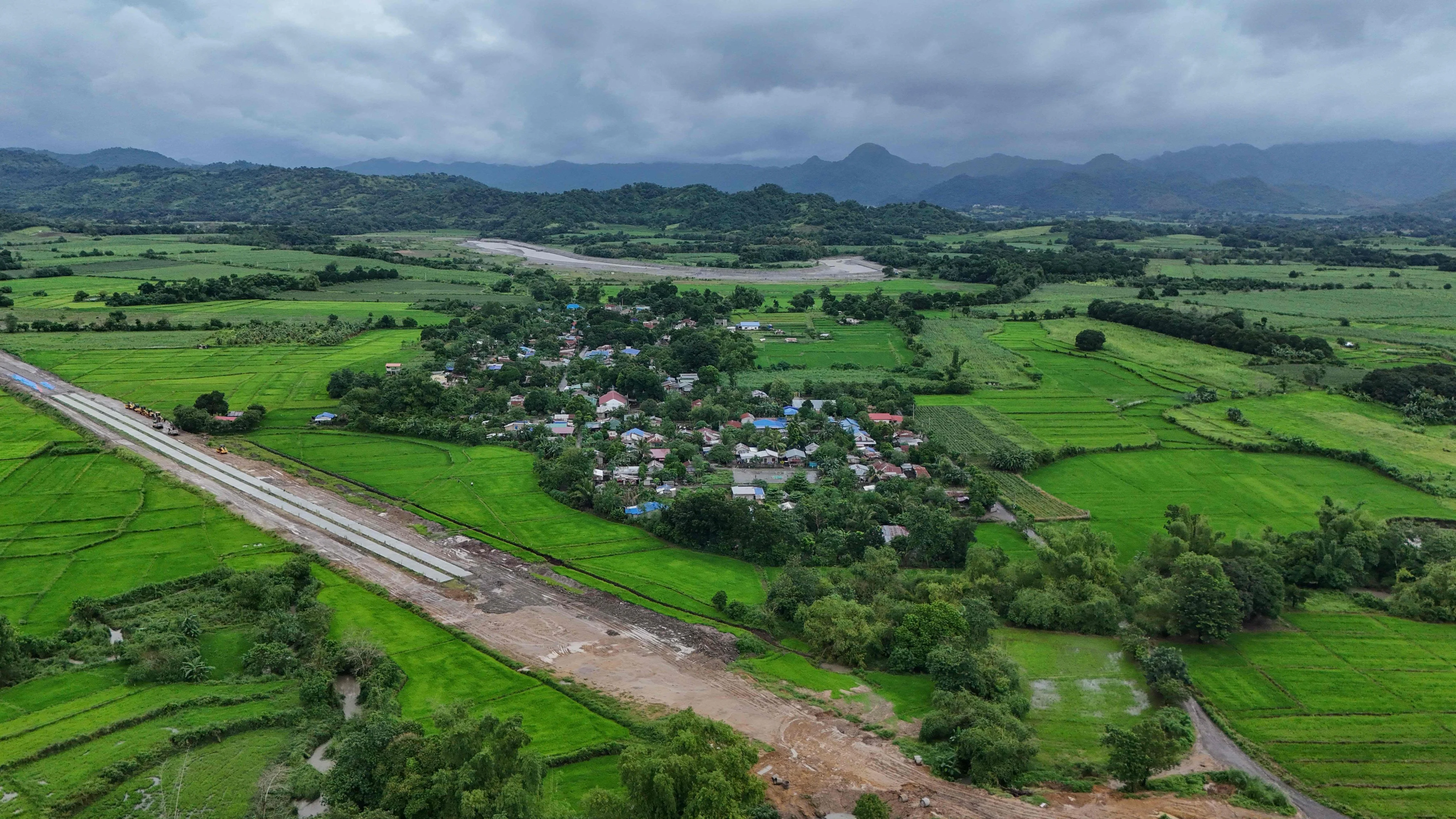
政治架构已经在搭建中。国务院的人工智能供应链俱乐部“帕克斯西拉”(Pax Silica)旨在将成员锁定在美国的计算帝国之中,排除在中国之外。据报道,国防部新设的经济防御单位曾以东印度公司为蓝本。“帕克斯西拉”的第一个前哨站是菲律宾一个占地4000英亩(1619公顷)的“经济安全区”。
The political architecture is already going up. Pax Silica, the State Department’s AI supply-chain club, aims to lock members into America’s computing empire and out of China’s. The Pentagon’s new Economic Defence Unit has reportedly invoked the East India Company as its model. Pax Silica’s first outpost is a 4,000-acre (1619-hectare) “economic security zone” in the Philippines.
据报道,华盛顿曾试图在那里获得对其人员的美国司法管辖权和豁免权,但马尼拉拒绝了,并坚持该区应受菲律宾法律管辖,尽管该项目仍在推进中。
Washington reportedly sought US jurisdiction and immunity for its personnel there. Manila said no and insists the zone stays under Philippine law, though the project is proceeding.
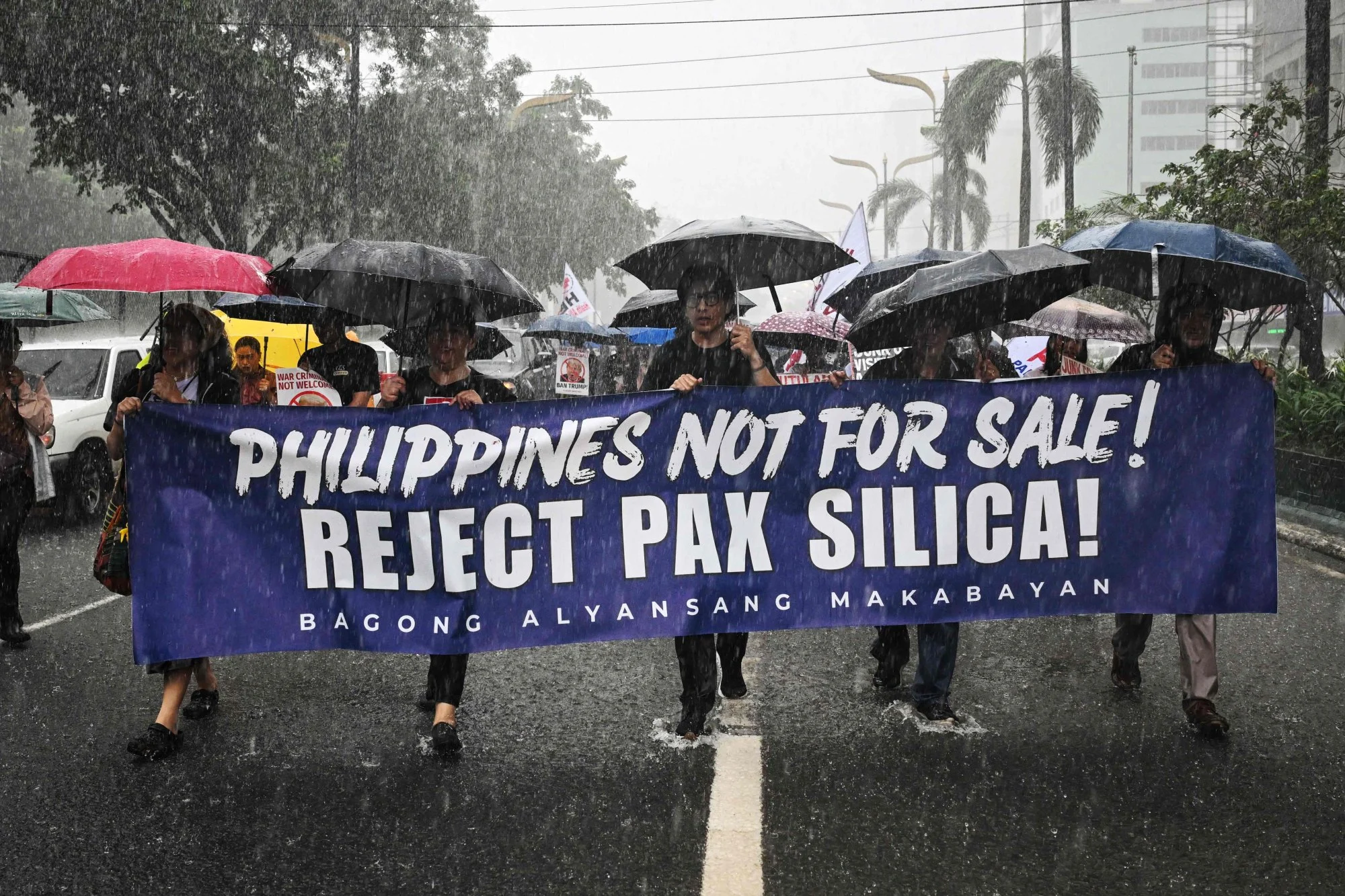
其他国家则没有那么好说话。东南亚在质问:“代价是什么?”泰国已经暂停了相关项目,马来西亚则面临电网压力。在肯尼亚,在微软及其阿联酋合作伙伴要求政府保证购买其计算能力之后,一个耗资10亿美元的数据中心陷入停滞。墨西哥总统表示,她的国家没必要成为世界的数据中心。
Others are less accommodating. Southeast Asia is asking, “At what cost?”Thailand has paused projects and Malaysia faces grid pressure. In Kenya, a US$1 billion data centre stalled after Microsoft and its Emirati partner asked the government to guarantee purchases of its computing capacity. Mexico’s president said her country need not become the world’s data centre.
菲律宾在总统小费迪南德·马科斯的领导下,一如既往地充当顺从的附庸,铺红地毯迎接。拉丁美洲的右倾化趋势也展现出类似的 hospitable(注:此处原文如此)热情。致信《金融时报》的一封信件称,该地区正越来越多地吸引来自美国的数据中心,并列举了土地、能源和近岸外包机遇。信中称,有20多个项目有望在2026年按计划推进。巴西出台了税收优惠政策,而智利正在为选址勘探政府土地。这是投资还是侵入?
The Philippines, ever the dutiful vassal under President Ferdinand Marcos Jnr, rolls out the red carpet. Latin America’s rightward drift is producing similar hospitality. A letter to the Financial Times argued that the region is increasingly attracting data centres from the US, citing land, energy and nearshoring opportunities. It said more than 20 projects are on track for 2026. Brazil has introduced tax incentives, while Chile is exploring government land for sites. Investment or invasion?
与此同时,中国在做一件不那么光鲜但远不那么具有攻击性的事:在本土建设。开放数据中心委员会在北京召开会议,讨论将分散的数据中心统一为一个国家算力网络,其成员包括阿里巴巴、百度、腾讯、中国电信和中国移动。
Meanwhile, China is doing something less glamorous but far less offensive: building at home. The Open Data Centre Committee, whose members include Alibaba, Baidu, Tencent, China Telecom and China Mobile, met in Beijing to discuss unifying scattered data centres into one national computing network.
据工业和信息化部统计,截至6月底,中国已累计建成1085万个标准人工智能机架,同比增长30.7%。在被剥夺先进美国芯片的情况下,建设者们正在设法绕过这些限制。该委员会的何泽坤(音)列举了在混合使用外国和国产半导体的集群中,跨芯片通信取得的突破,并预测人工智能算力将在中国无处不在。北京将机器保留在自己的国境内。正如早期的芯片限制一样,美国的制裁正迫使中国领先的开发者汇聚资源并实现自力更生。
According to the Ministry of Industry and Information Technology, China had built 10.85 million standard AI stacks by the end of June, up 30.7 per cent in a year. Denied advanced US chips, builders are working around the limits. The committee’s He Zekun cited breakthroughs in inter-chip communication across clusters mixing foreign and domestic semiconductors, and predicted AI computing power would be ubiquitous in China. Beijing keeps its machines within its own borders. American sanctions are forcing China’s leading developers to pool resources and become self-reliant, just as the earlier chip curbs did.
“超级智能”竞赛也伴随着财务上的痛苦。人工智能的普及速度超过以往任何一项技术;许多政策制定者和投资者将其视为灵丹妙药,推动了从美国到亚洲的科技股和出口飙升。批评人士则看到了一个熟悉的泡沫:循环资金链、不盈利的初创企业,以及过度敞口且逢低买入的散户与机构投资者。
The “superintelligence” race also has a financial sting. AI is spreading faster than any previous technology; many policymakers and investors treat it as a miracle cure, propelling tech stocks and exports from the US to Asia. Critics see a familiar bubble: circular funding loops, start-ups that make no profit, and retail and institutional investors heavily overexposed and buying every dip.
洛克菲勒国际公司董事长鲁奇尔·夏尔马在《外交事务》杂志上警告称,这种依赖和投机狂热将引发严重的市场调整。人工智能支出迄今为止保护了全球经济免受近期地缘政治冲击的影响,而这正是其消退将如此痛苦的原因。
Ruchir Sharma, chairman of Rockefeller International, warns in Foreign Affairs that such reliance and speculative mania invite a severe correction. AI spending has so far shielded the global economy from recent geopolitical shocks, which is precisely why its unwinding would be so painful.
历史表明,创新在融入持久的经济生态系统之前,往往会吹大泡沫。但首先泡沫会破裂,世界经济将受到重创。承载数据中心的小型经济体在未能享受繁荣年代的情况下,将遭受最严重的打击。华盛顿“赢者通吃”的言论与其说是战略或推销说辞,不如说是一种威胁。
History suggests innovations inflate bubbles before settling into a durable economic ecosystem. But first the bubble bursts, and the world economy will be badly hit. Smaller economies, hosting the data centres, will suffer most without having enjoyed the boom years. Washington’s “winner takes all” rhetoric looks less like strategy or a sales pitch than a threat.
目前,海外扩张仍属自主行为,相关企业达成的协议东道国仍可拒绝。但华盛顿正日益为其扫清道路,拒绝合作的政府最终料将面临其怒火。
For now, expansion abroad is on a freelance basis, with companies cutting deals that host nations can still refuse. But Washington increasingly clears the ground, and a refusing government can expect to face its wrath eventually.
如同往日的资本主义一样,美国的人工智能在内孕育寡头政治,在外推行帝国主义。
Like the capitalism of old, American AI breeds oligarchy at home and imperialism abroad.