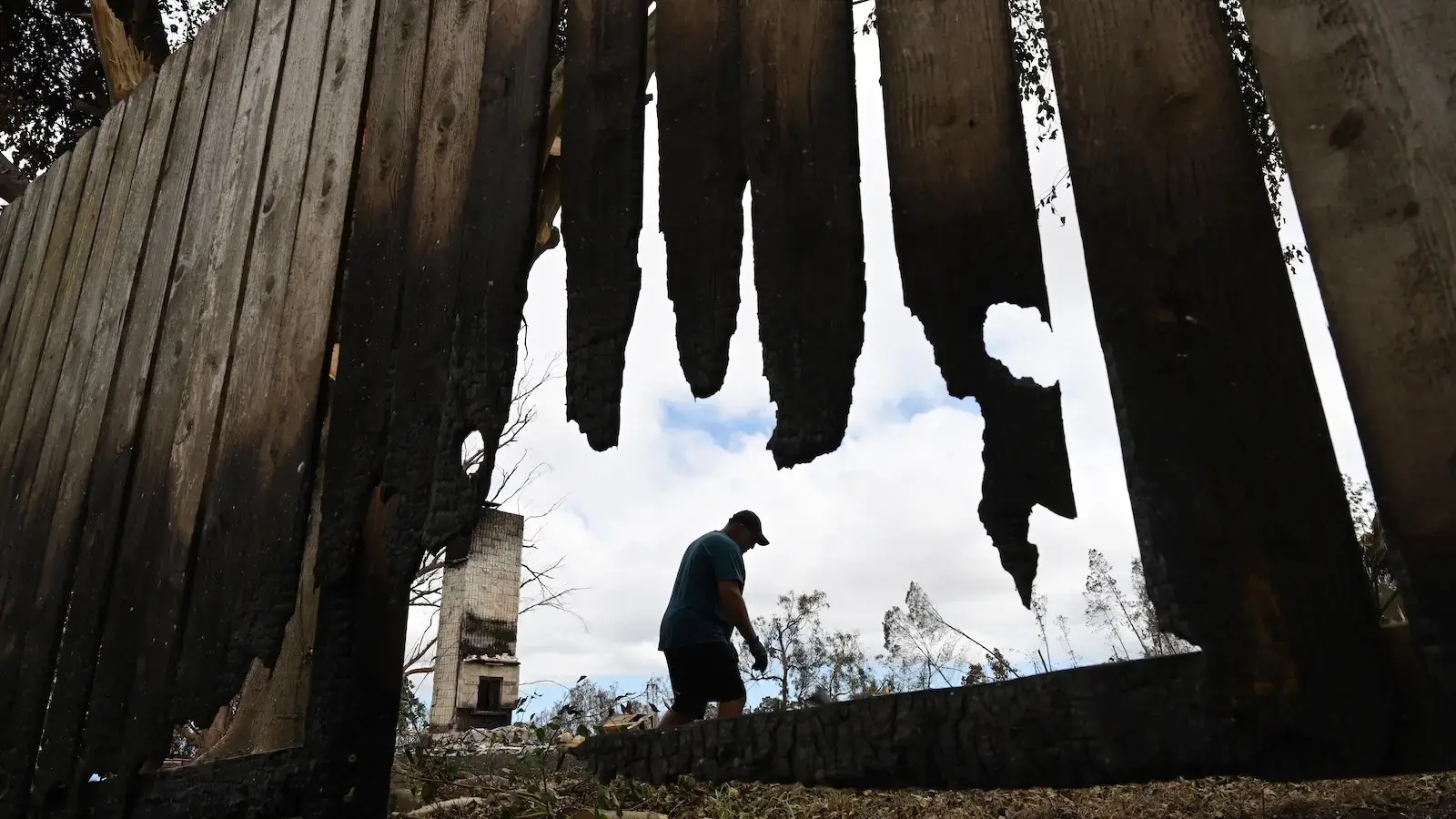
2023年8月,毛伊岛各地爆发了一系列野火,造成100多人丧生、数千栋房屋被毁,并造成数十亿美元的损失。身为夏威夷原住民(Kanaka Maoli)兼“毛伊医疗治愈者汇集”(Maui Medic Healers Hui)联合创始人的诺埃拉尼·阿希亚(Noelani Ahia)协助拉海纳(Lāhainā)动员了近600名志愿者,其中包括医生、护士和治疗师。
In August of 2023, a series of wildfires broke out across Maui, killing more than 100 people, destroying thousands of homes, and causing billions in damage. Noelani Ahia, who is Kanaka Maoli and co-founder of Maui Medic Healers Hui, helped mobilize nearly 600 volunteers in Lāhainā, including doctors, nurses, and therapists.
三年过去了,住房和健康危机依然严峻。“毛伊医疗治愈者汇集”运营着一家免费诊所,但阿希亚希望有11家,以解决社区的需求。“大火可能已经熄灭,但这场灾难远未结束,”她说。
Three years later, the housing and health crises remain acute. Maui Medic Healers Hui runs a free clinic, but Ahia wishes it had 10 more to address the community’s needs. “The fire may be out, but the catastrophe is not over by any stretch of the imagination,” she said.
这场破坏远远超出了逝去的生命和被毁的建筑。夏威夷大学马诺阿分校(University of Hawaiʻi at Mānoa)毛伊岛野火暴露研究(Maui Wildfire Exposure Study,简称MauiWES)的研究人员去年发表的一项研究发现,超过五分之一的居民肺功能受损。
The devastation extended well beyond the lives lost and buildings destroyed. Research published last year by researchers with the University of Hawaiʻi at Mānoa’s Maui Wildfire Exposure Study, or MauiWES, found that more than 1 in 5 residents had reduced lung function. Now, new research from the same project has found elevated levels of toxic metals in the island’s residents months after the fires, with higher exposure associated with impaired lung function.
如今,该项目的新研究发现,在大火过后数月,该岛居民体内的有毒金属水平升高,且较高的暴露量与肺功能受损有关。这些发现提供了进一步的证据,表明灾难性野火对健康的负面影响可以在烈火熄灭、烟雾消散很久之后持续存在。
The findings offer further evidence that the health consequences of catastrophic wildfires can persist long after the flames are extinguished and the smoke clears. “What we consider and sometimes look at as a one-time event isn’t really one-time anymore,” Alika Maunakea, who is Kanaka Maoli and co-director of MauiWES, told Grist.
“我们过去认为并有时视之为一次性事件的事情,现在已经不再是一次性的了,”身为夏威夷原住民兼MauiWES联席主任的阿利卡·毛纳凯亚(Alika Maunakea)对《格里斯特》杂志(Grist)表示。
Researchers don’t yet know how much of the contamination came from the fires and how much was already present in the environment. That distinction matters as wildfires increasingly race through towns like Lāhainā and cities like Los Angeles, where burning homes, cars and infrastructure can leave contaminants that people encounter for months or years afterward.
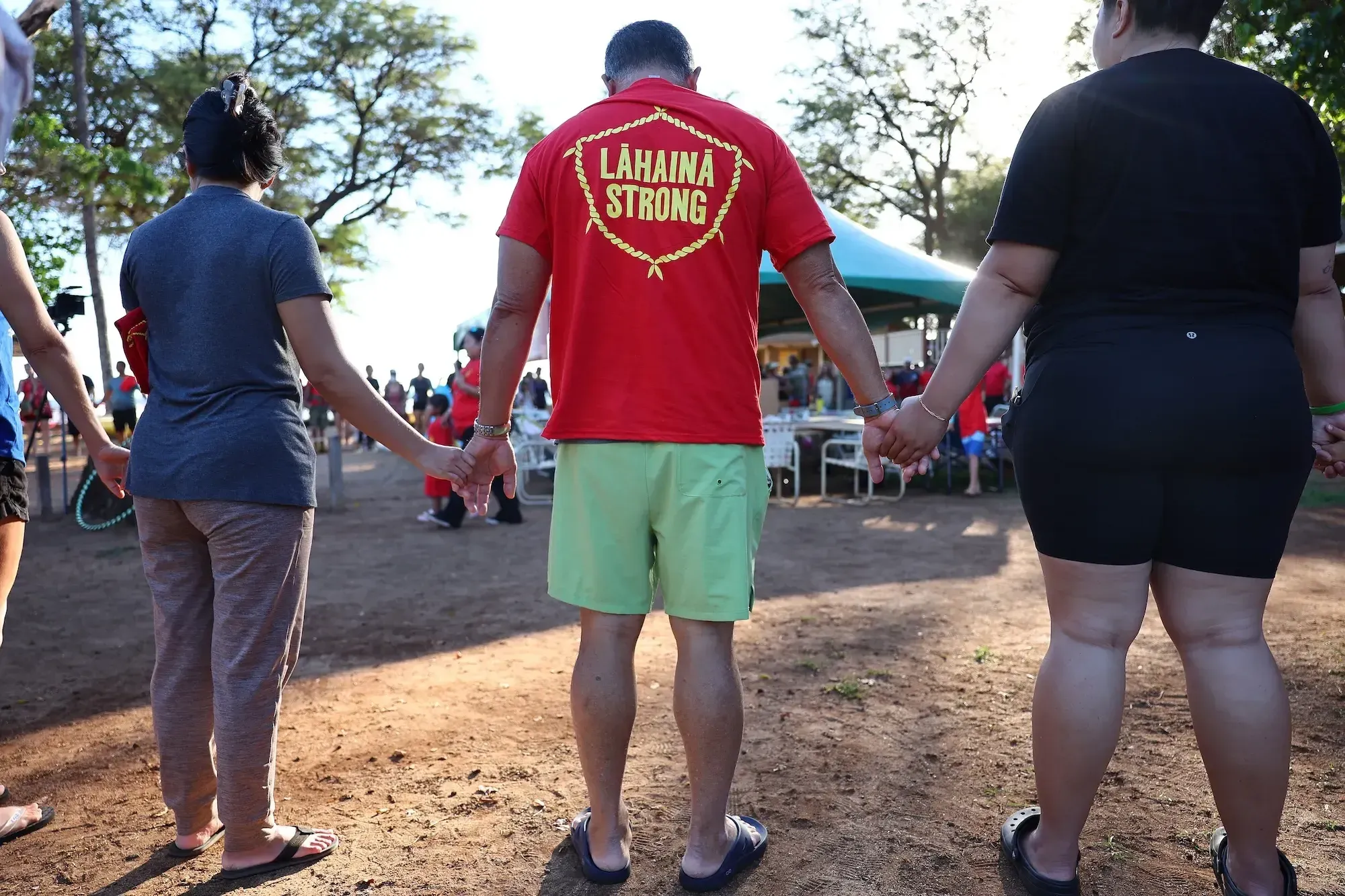
研究人员尚不清楚有多少污染来自火灾,又有多少原本就存在于环境中。这种区别非常重要,因为野火正越来越多地席卷拉海纳这样的城镇和洛杉矶这样的城市,燃烧的房屋、汽车和基础设施可能会留下人们在几个月甚至几年后仍会接触到的污染物。
“We have traditionally thought about wildfire exposure primarily through the lens of smoke,” Maunakea said in a press release. “But when an entire community burns, we are dealing with a much more complicated exposure environment.”
毛纳凯亚在新闻稿中说:“我们传统上主要通过烟雾的视角来考虑野火暴露。但当整个社区被焚毁时,我们面对的是一个复杂得多的暴露环境。”他表示,研究人员还必须弄清楚原本存在什么污染物、火灾可能释放了什么污染物,以及有什么物质进入了居民体内。
Researchers must also understand what contaminants were already present, what the fire may have released, and what entered residents’ bodies, he said. The research, which studied 1,400 adults across Maui six to 18 months after the fires, measured 24 metals in urine samples.
这项研究在火灾发生后6到18个月内调查了毛伊岛各地的1400名成年人,检测了尿液样本中的24种金属。研究发现,参与者体内的几种金属浓度高于火灾前全国健康调查中的人群。其中包括2.2倍的砷、2.3倍的钡和3.8倍的锰。锑被用于阻燃材料,此前已被发现与肺部刺激、胃痛和其他症状有关,其检测水平高出近40倍。
It found that participants had higher concentrations of several metals than people in a nationwide health survey conducted before the fires. That included 2.2 times as much arsenic, 2.3 times as much barium, and 3.8 times as much manganese. Antimony, which is used in flame-retardant materials and has been previously linked to lung irritation, stomach pain, and other symptoms, was found at levels nearly 40 times higher.
由于研究人员缺乏火灾前的可比数据,他们无法确定金属暴露中有多少是由这场灾难导致的。毛纳凯亚对《格里斯特》杂志表示,回答这个问题该项目的下一步工作,该项目已获得美国国家环境卫生科学研究所(National Institute of Environmental Health Sciences)360万美元的资助。这项工作将包括调查过去农业和工业活动是否以及在多大程度上导致了污染。
Because the researchers lack comparable data from before the fires, they could not determine how much of the metal exposure resulted from the disaster. Maunakea told Grist answering that question is the next step for the project, which has received a $3.6 million grant from the National Institute of Environmental Health Sciences. That work will include investigating whether and to what degree past agricultural and industrial activity contributed to the contamination.
“重要的是要认识到,这些都是定居者殖民主义的一部分,”阿希亚说。“所以我们看到的是对我们当地人民健康有害的混杂因素。”几十年来种植园农业改变了水系、引入了除草剂并排挤了本土植物,给该岛留下了至今仍能感受到的历史遗留问题。火灾和风暴等灾难可能会加剧这些持续存在的环境问题。
“It’s important to realize that these are all part of settler colonialism,” Ahia said. “So what we’re looking at is confounding factors that are to the detriment of the health of our local people.”Decades of plantation agriculture altered water systems, introduced herbicides, and displaced native plants, leaving a legacy on the islands that is still felt today. Disasters like fires and storms can compound those ongoing environmental problems.
夏威夷大学夏威夷分校助理教授、夏威夷原住民卡蒂·卡梅拉梅拉(Katie Kamelamela)说:“如果我们从火灾开始时讲述这个故事,我们就会忽略塑造地貌以及社区应对能力的决策。微气候变化作用于那些早已被土地所有权、调水、开发和资源分配不均的历史所塑造的地方。”
“If we begin the story when the fire starts, we miss the decisions that shaped the landscape and the community’s ability to respond,” said Katie Kamelamela, who is Kanaka Maoli and an assistant professor at Arizona State University based in Hawaiʻi. “Micro climate change acts on places already shaped by histories of land ownership, water diversion, development, and unequal access to resources.”
卡梅拉梅拉表示,真正的复苏必须超越火灾本身。“我希望通过人们是否能够留在自己的社区、照顾土地(ʻāina),并在当地传承他们的知识和实践来衡量复苏,”她使用了一个夏威夷语词汇来指代土地,该词比财产或单纯的地方承载着更深层的含义和关系。“重建不应重现让人们陷入危险的相同条件。照顾土地和照顾人们需要获得共同资助并进行共同规划。”
Kamelamela said true recovery must look beyond the fire. “I want recovery to be measured by whether people can remain in their communities, care for ʻāina, and pass on their knowledge and practices in place,” she said, using the Hawaiian word for land, which carries deeper meaning and relationship than property or mere place. “Rebuilding should not recreate the same conditions that left people at risk. Caring for ʻāina and caring for people need to be funded and planned together.”
毛纳凯亚表示,多种交织的压力是他想要开展这项研究的原因之一。随着气候变化不断加速,夏威夷原住民长期面临的住房、旅游业危害以及种植园历史遗留等问题可能会放大矛盾。“我们担心,我们在毛伊岛经历的此类灾难,以及我们现在正在经历的洪水和其他风暴,只会继续扩大这些人群中已经存在的健康差距,”他说。
Maunakea said the multitude of intersecting pressures is one reason why he wanted to pursue this research. As climate change continues to accelerate, long-standing issues facing Native Hawaiians like housing, the harms of tourism, and the legacy of plantations can amplify problems. “We worry that disasters like this that we experience on Maui, as well as the floods and other storms that we’re experiencing now, is just going to continue widening the gaps in health disparities that already exist in those populations,” he said.
展望未来,该项目不仅将识别健康风险,还将帮助居民应对这些风险。研究参与者会收到他们的检测结果、进行讨论并与医疗专业人员会面。“人们现在知道存在这些潜在危害,而如何应对这些危害是一个重大关切,”毛纳凯亚说。“我们肯定还没有所有的答案,但我们正在采取下一步行动,以获得更全面的情况,并为我们的社区提供相关信息。”
Moving forward, the project will not just identify health risks but also help residents respond to them. Study participants receive their results, discuss them, and meet with health professionals. “People now know that there’s these types of potential hazards, and what to do about them is a big concern,” Maunakea said. “We still don’t have all the answers for sure, but we are taking the next steps to get a better picture and inform our community around it.”